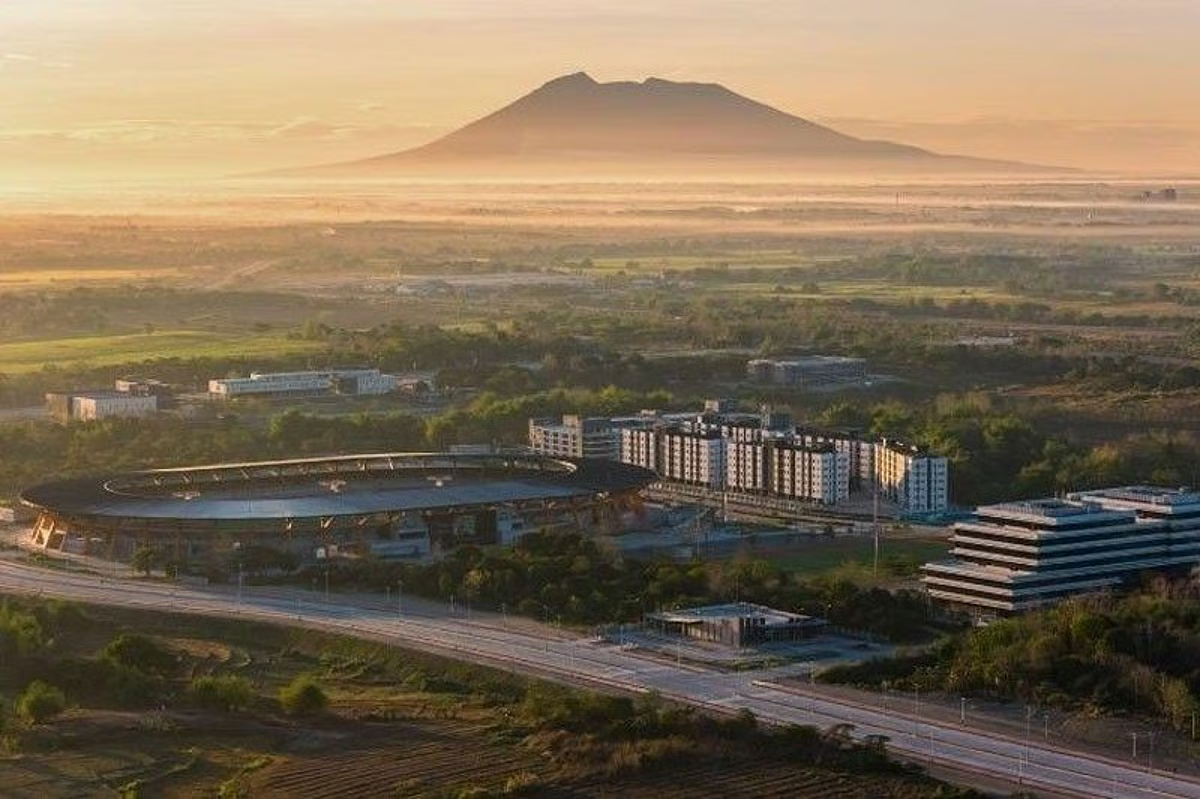
MANILA, Philippines — In recent weeks, the Pax Silica project has become among the most talked-about topics in the country, with the government describing it as a long-term investment that will spur economic expansion.
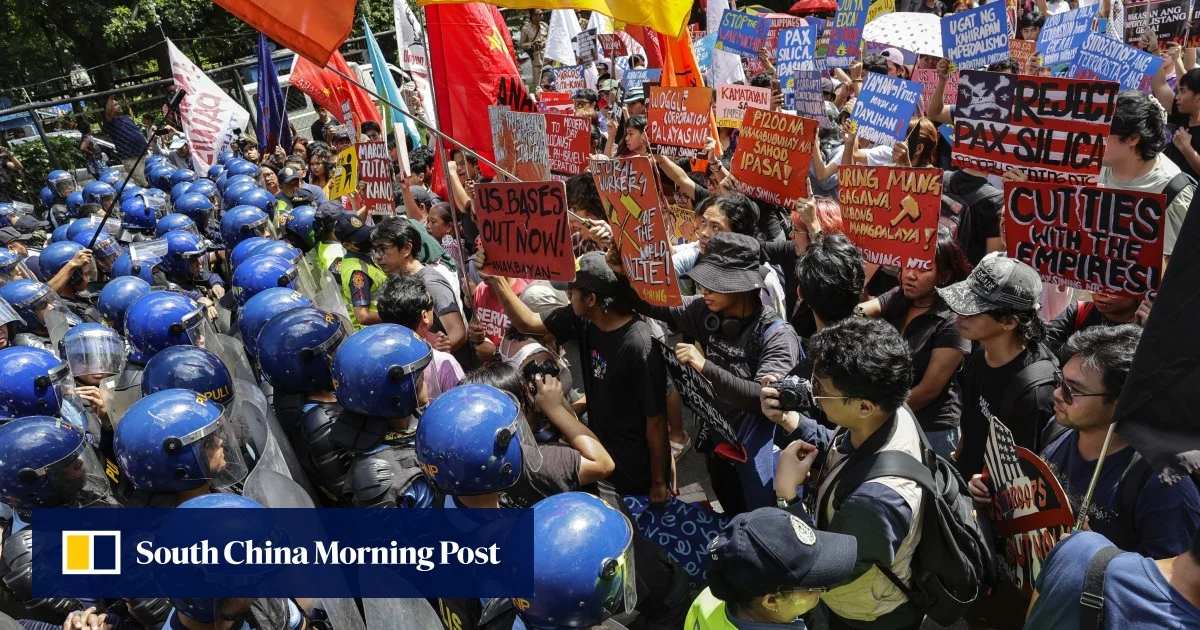
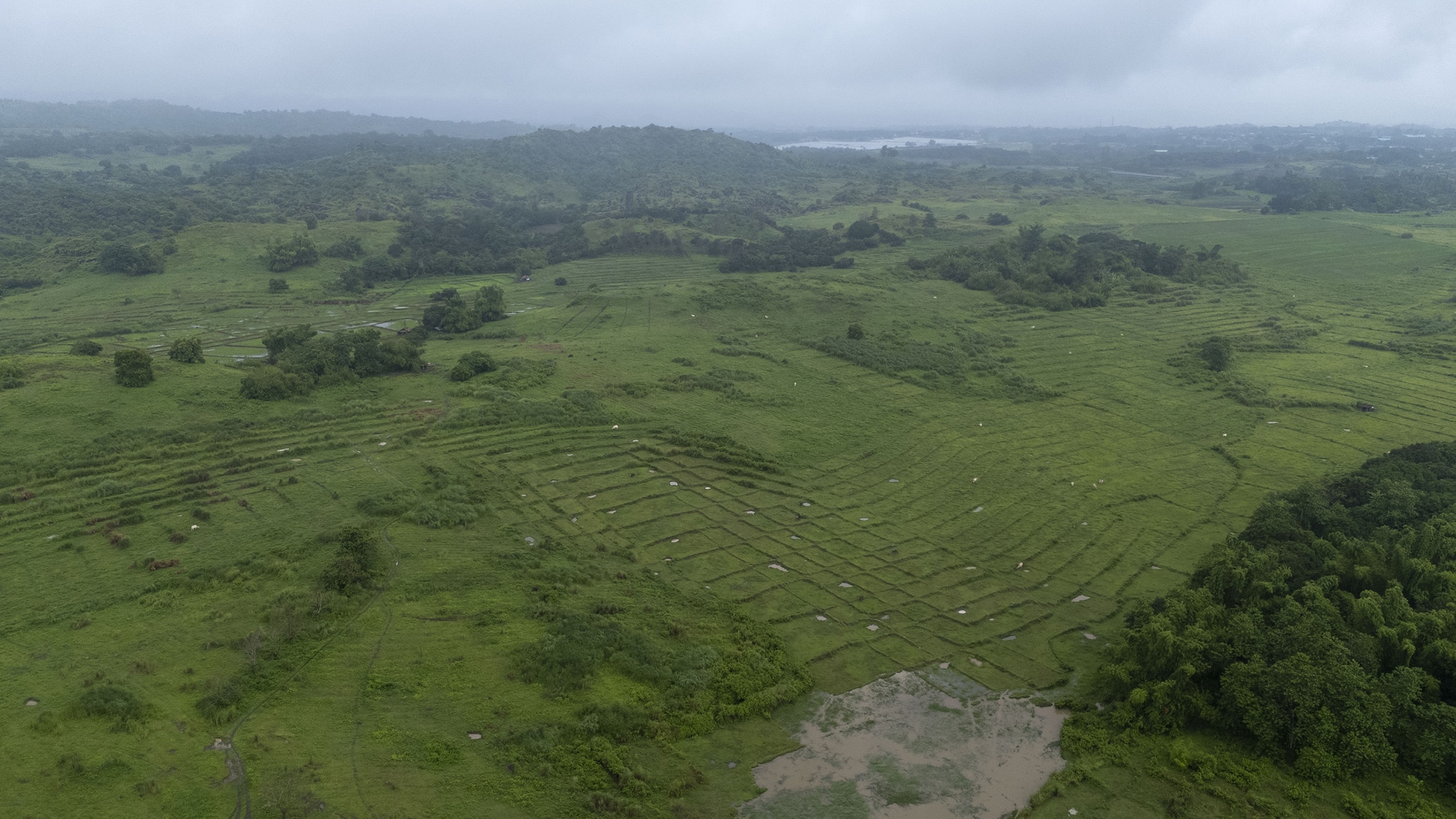
However, civil society groups have been protesting the establishment of the 1,619-hectare (4,000-acre) economic security zone under the Luzon Economic Corridor. They argued that the US-initiated project could intensify land grabbing, resource extraction, and militarization in rural areas.
At a Palace briefing on Thursday, Bases Conversion and Development Authority (BCDA) President and Chief Executive Officer Joshua Bingcang debunked circulating claims about the project’s alleged adverse effects. The BCDA is the lead government agency overseeing the project.
Contrary to claims circulating online, Bingcang said the Pax Silica project will not rely on community water supplies for its operations. Instead, its water requirements will be met through rainwater harvesting, storage, treatment, and recycling systems.
“It means that, especially now that we’re entering the rainy season, a huge volume of rainwater falls into that area. If it’s left untapped, it will simply flow back into the sea,” he explained.