Reporting on the US-backed AI initiative reveals a story that stretches beyond technology — to protests, geopolitics, and the fight over the narrative
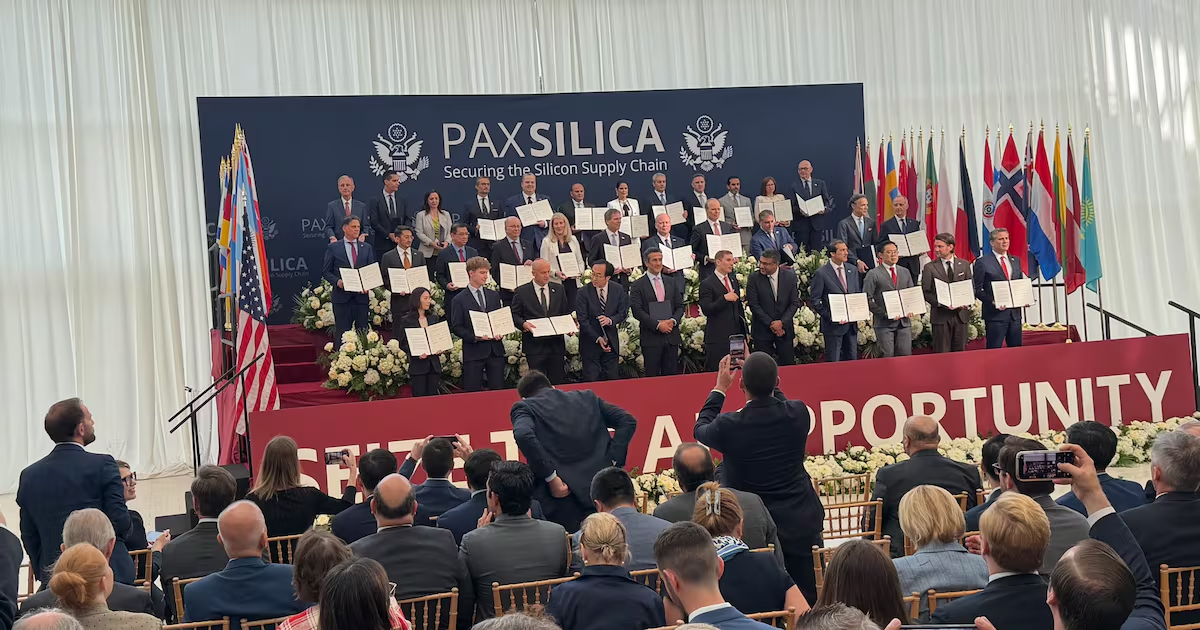
Covering Pax Silica, the US-led technology and AI coalition that the Philippines joined in April, I knew this wasn’t simply a story about semiconductors or artificial intelligence. It was always about geopolitics — about the Philippines’ relationship with the United States, China’s growing technological influence, and who ultimately stands to benefit from the Philippine government’s AI ambitions.
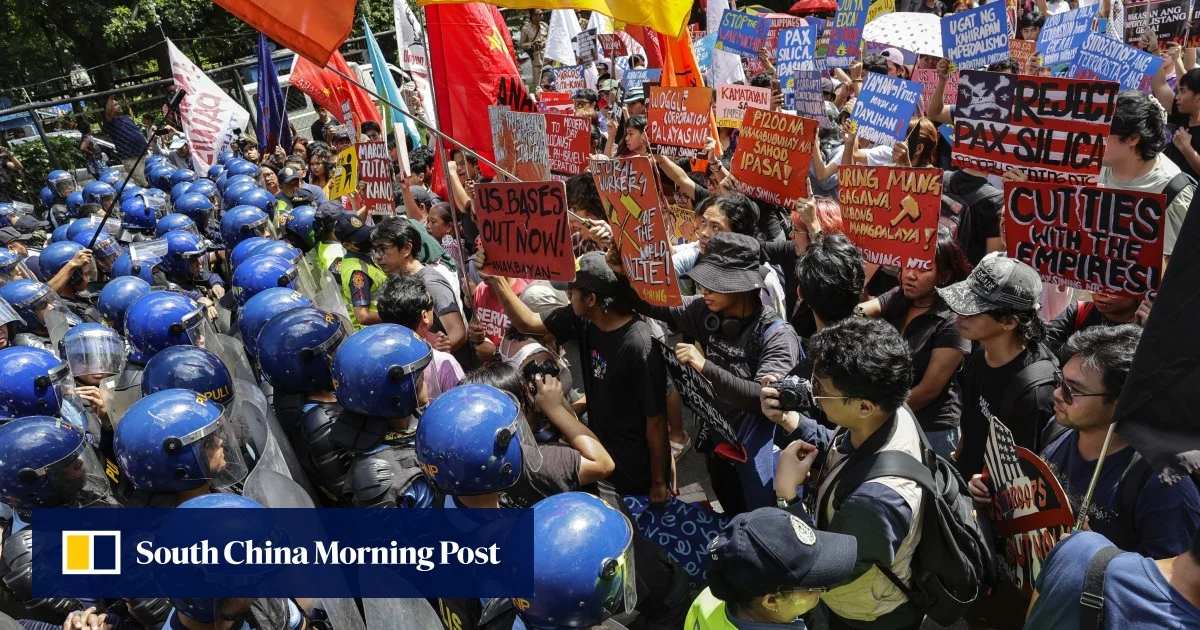
Groups like AGHAM and the Makabayan bloc immediately — and rightfully — raised concerns after the Philippines announced it was joining the coalition. They questioned its environmental costs, the possible displacement of communities, military implications, the promises of jobs and economic growth, and the impact that AI infrastructure could have on water and electricity resources.
Recently, people’s interest in the project was reawakened, with a growing, opposing voice.
Over the past two weeks, I started seeing Pax Silica in places where I honestly didn’t expect. There were the usual posts from activist organizations and student groups, but there were also videos from creators whose content normally revolves around lifestyle, and finance. A Facebook post listing “things worth paying attention to” put Pax Silica at the top, and spread to Instagram, where it has now been shared more than 100,000 times.