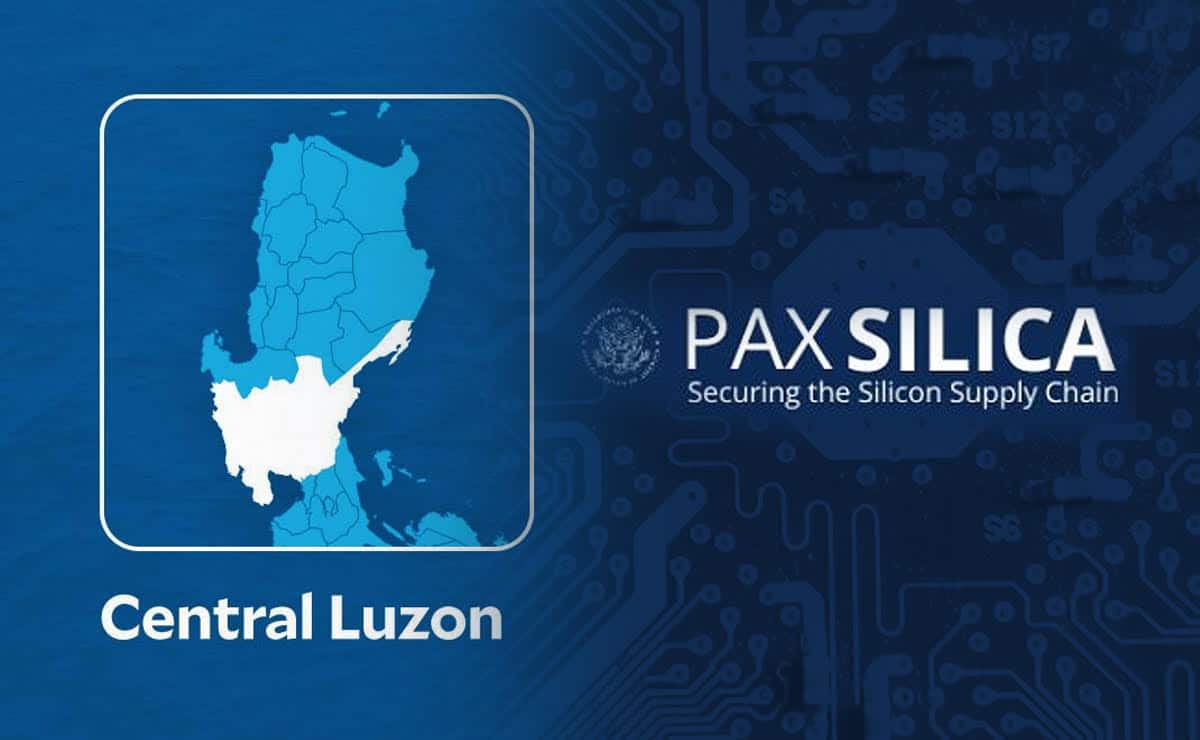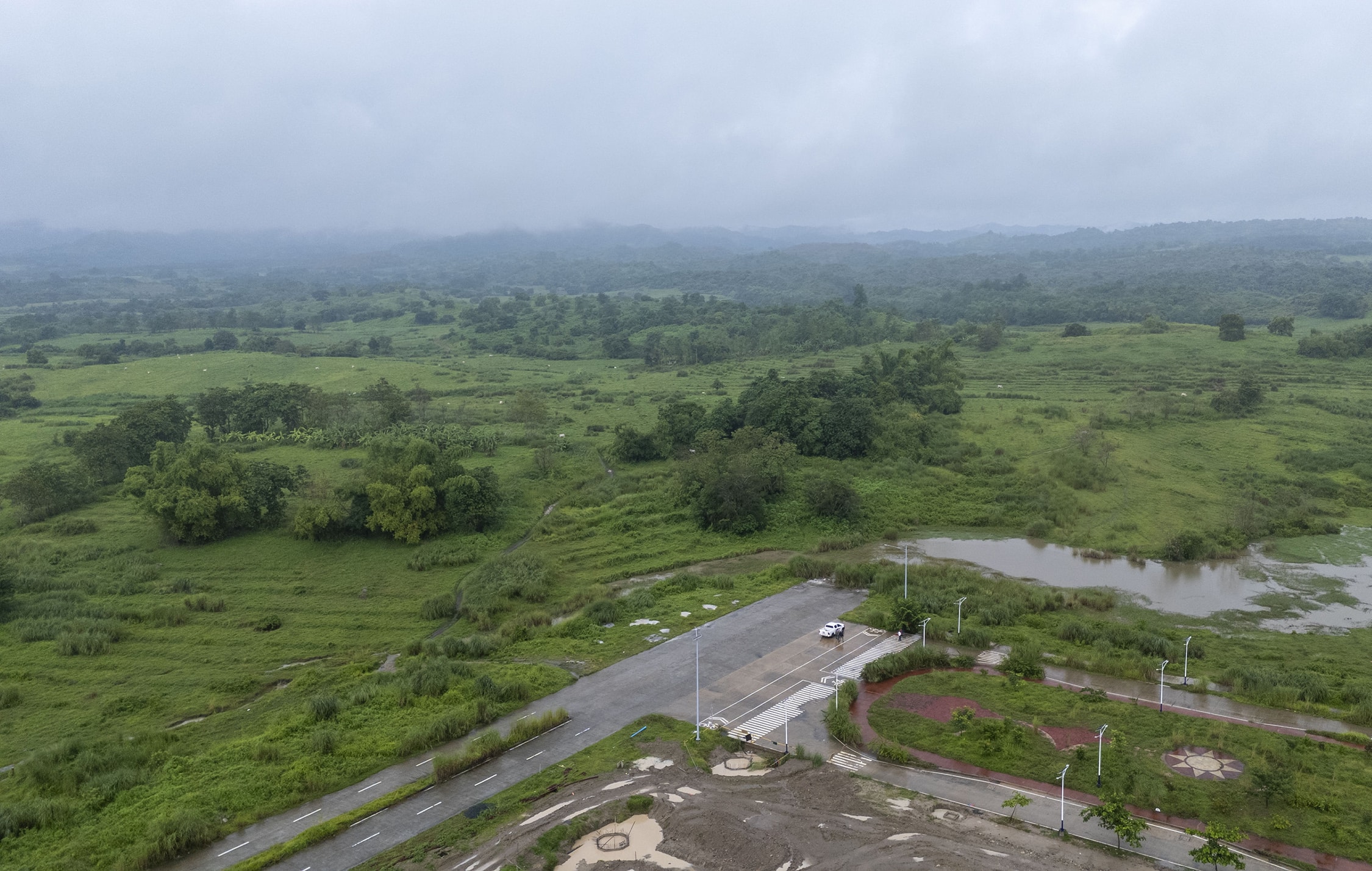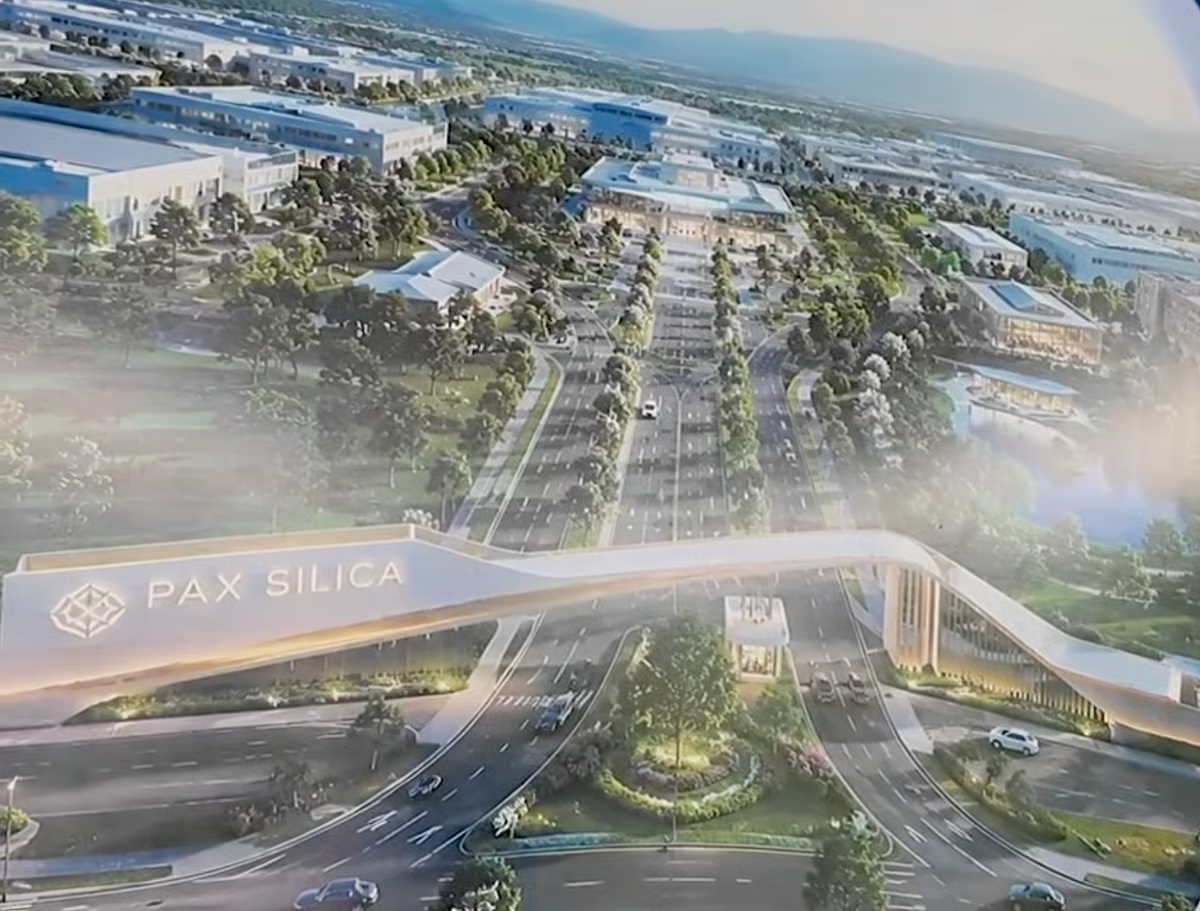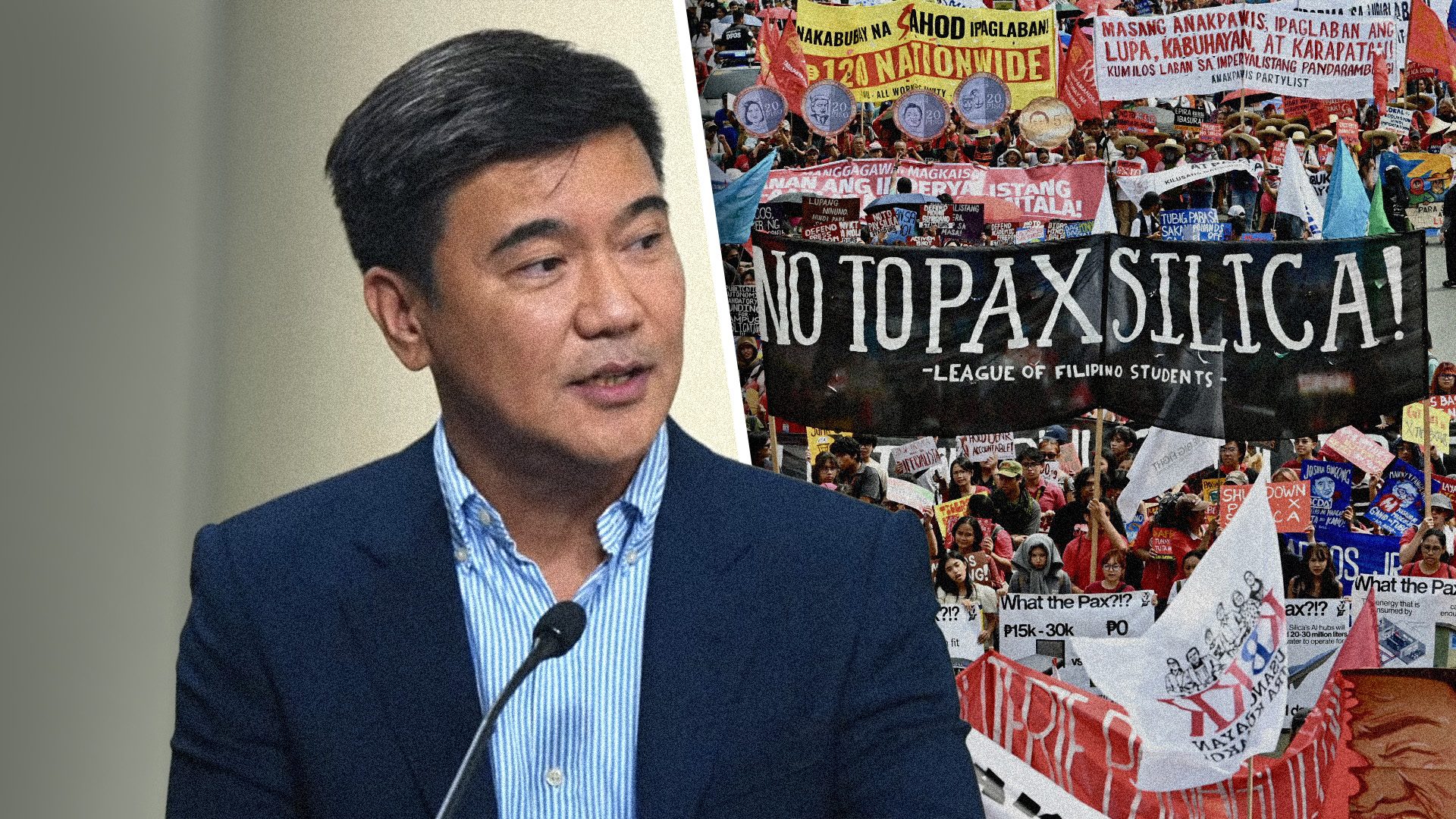
In April 2026, the Philippines joined Pax Silica, a US-led initiative spanning critical minerals, energy, semiconductors and advanced manufacturing, and proposed a 4000–acre site in New Clark City for a new artificial intelligence industrial hub. But disagreement soon emerged in the wake of reports that Washington had sought jurisdiction over the hub and diplomatic immunity for US personnel.
Joshua Bingcang, president of the Bases Conversion and Development Authority, the state agency developing New Clark City, said the authority had agreed to neither. US Under Secretary of State Jacob Helberg later said the reports had taken his remarks out of context. In July 2026, the authority said negotiations were still under way and that any project would comply with Philippine and international law, with construction possible in 2028.
The disagreement revealed a central tension in the Philippines’ participation in Pax Silica. Washington wants durable rules for investment in trusted technology supply chains. But Manila seeks capital, jobs, technology and higher-value production without surrendering regulatory authority.
The Philippines has strong reasons to welcome new economic partners. The country is a major producer and exporter of nickel ore, but it only has two nickel processing plants and most ore is exported to China. The Philippines aims to build competitive downstream industries and capture more of the value from its nickel resources at home.