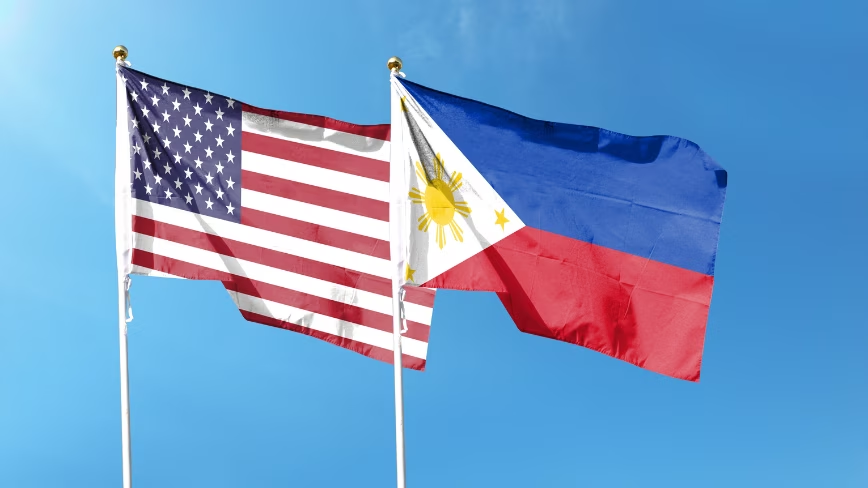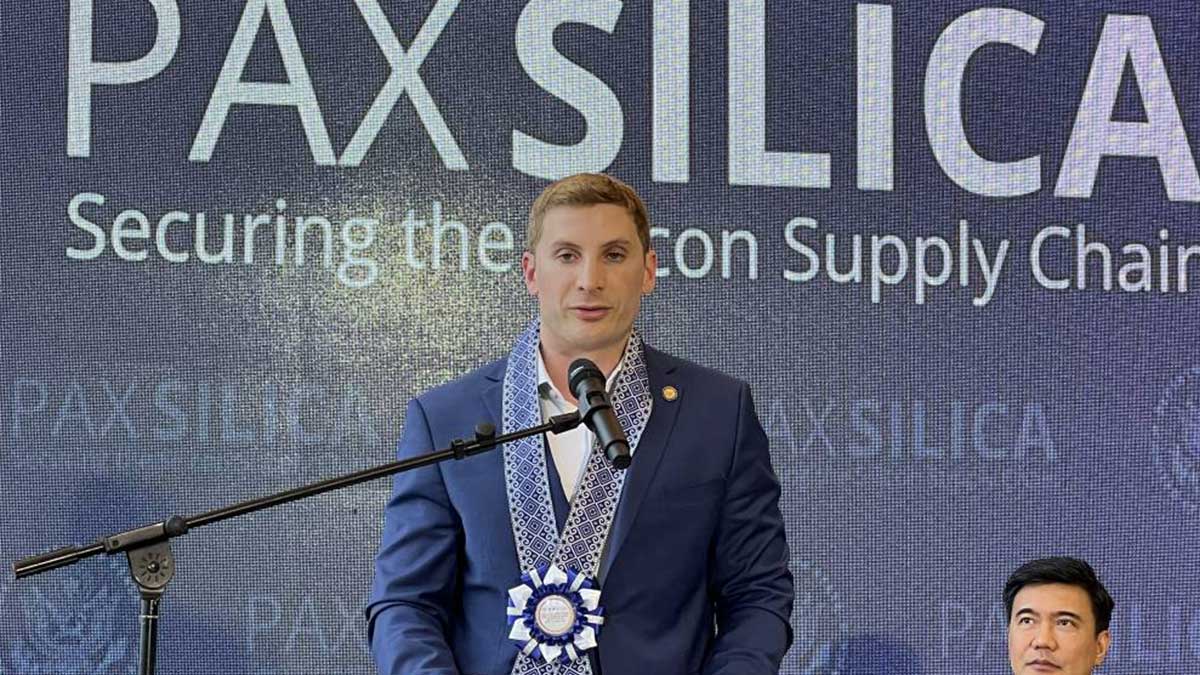
The Philippines just signed up for what might be the most consequential tech alliance you haven’t heard of. On April 17, the country became the 13th member of Pax Silica, a US-led coalition focused on AI, semiconductors, and the supply chains that keep the digital economy running.
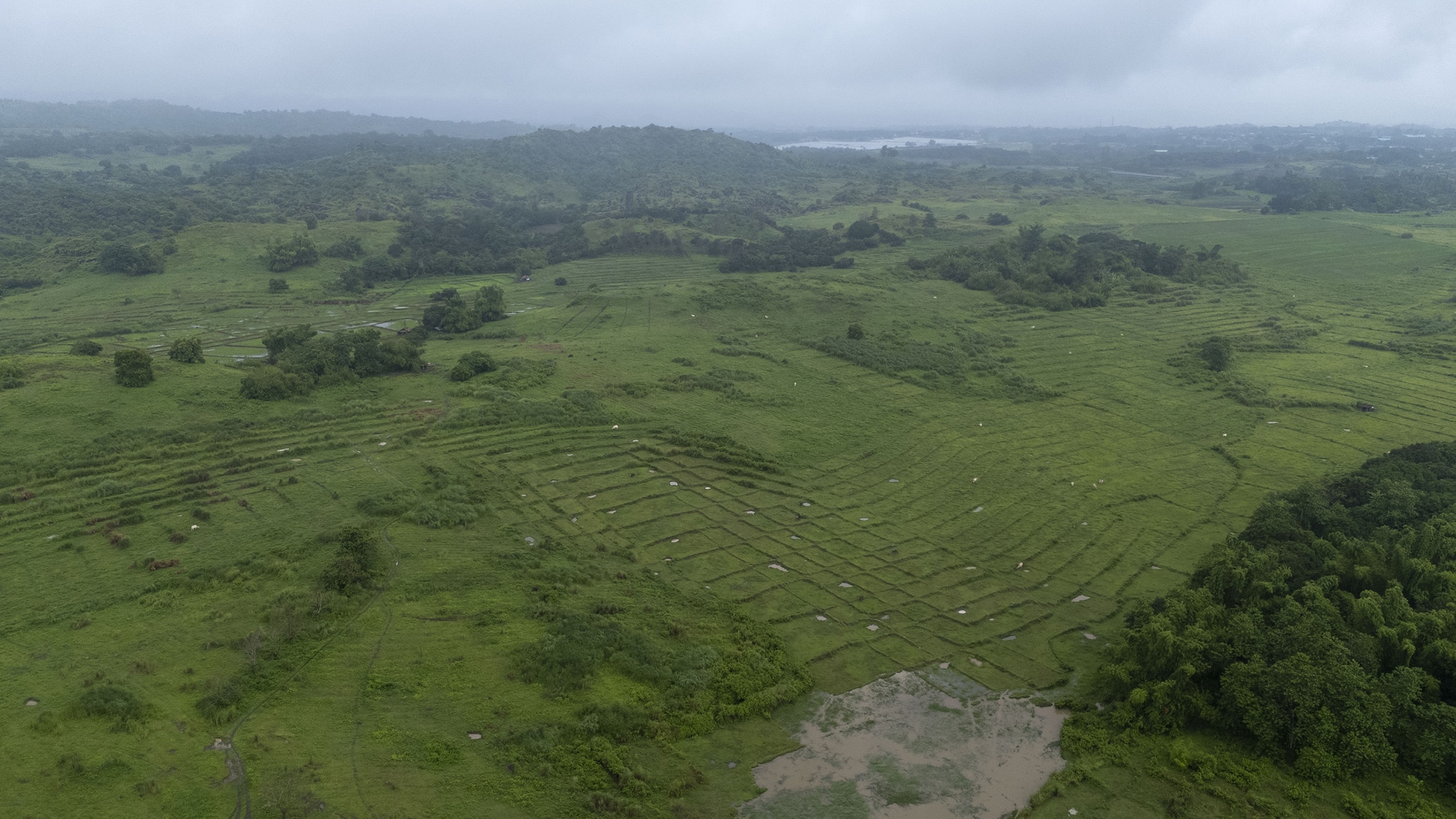
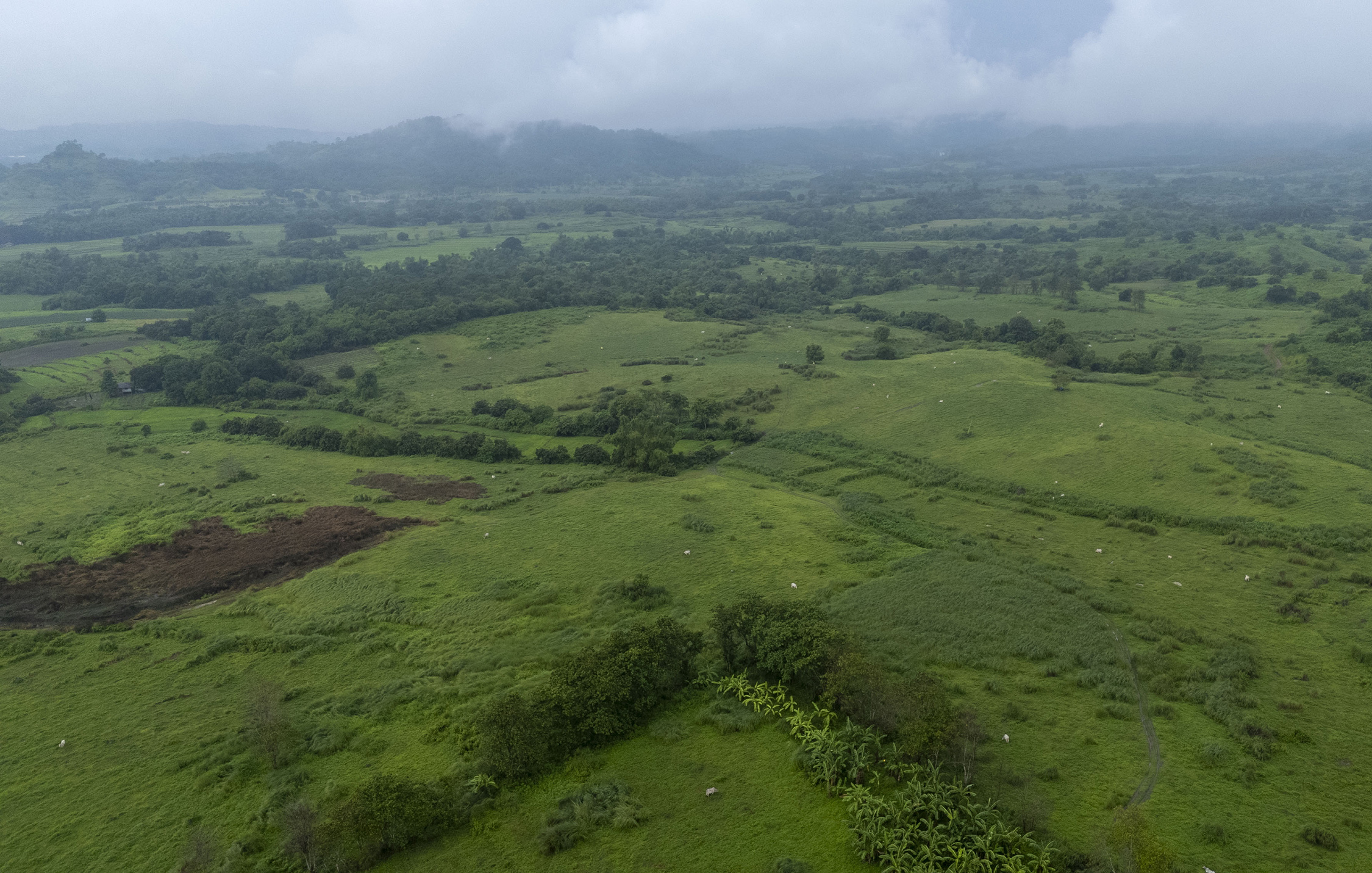
The centerpiece of the deal: a 4,000-acre “economic security zone” in New Clark City, Tarlac, designed from scratch as what officials are calling the first “AI-native industrial acceleration hub” in the alliance.
What Pax Silica actually is
Pax Silica is Washington’s answer to a straightforward problem. The global supply chain for chips and AI infrastructure is concentrated in a handful of countries, and the US wants to diversify it among allies it trusts. The alliance promotes shared security standards across member nations while encouraging high-tech manufacturing to take root outside traditional hubs like Taiwan, South Korea, and China. The Philippines, with its existing electronics manufacturing sector and strategic geographic position in the Indo-Pacific, fits the profile Washington is looking for.
US officials have been explicit about their ambitions for the Luzon hub. They view it as a template, a proof of concept that could be replicated across other Pax Silica member countries.