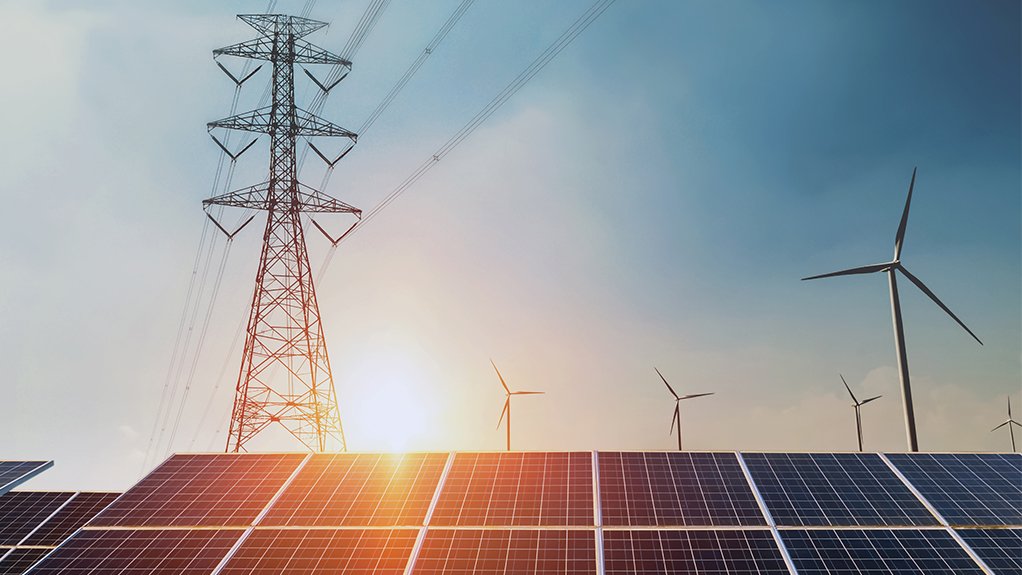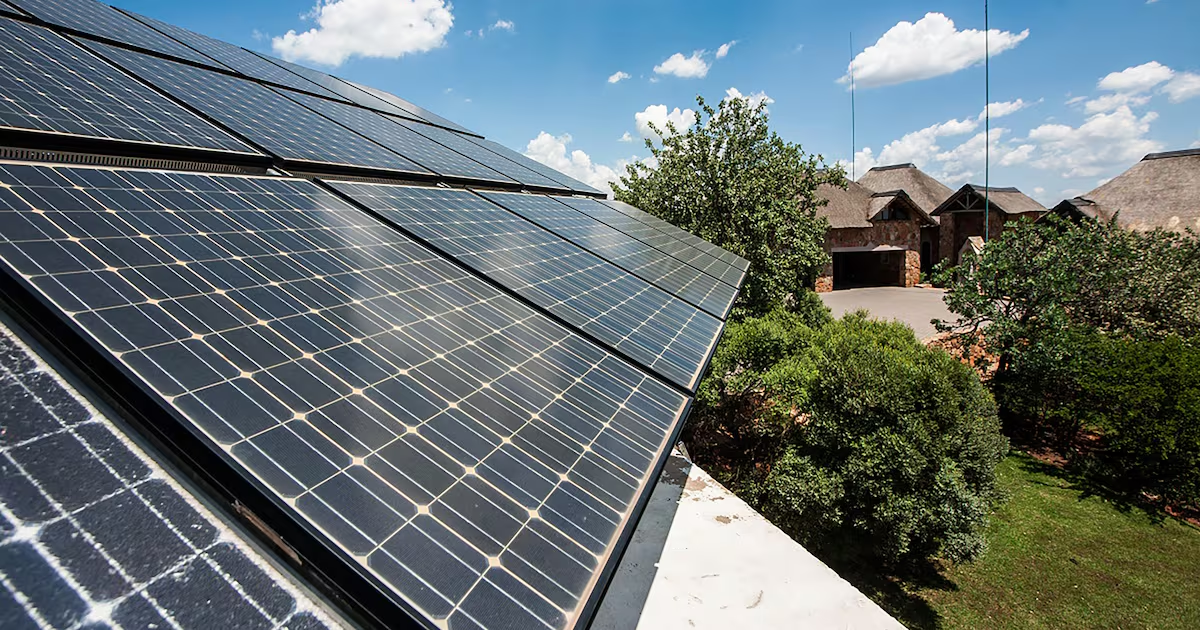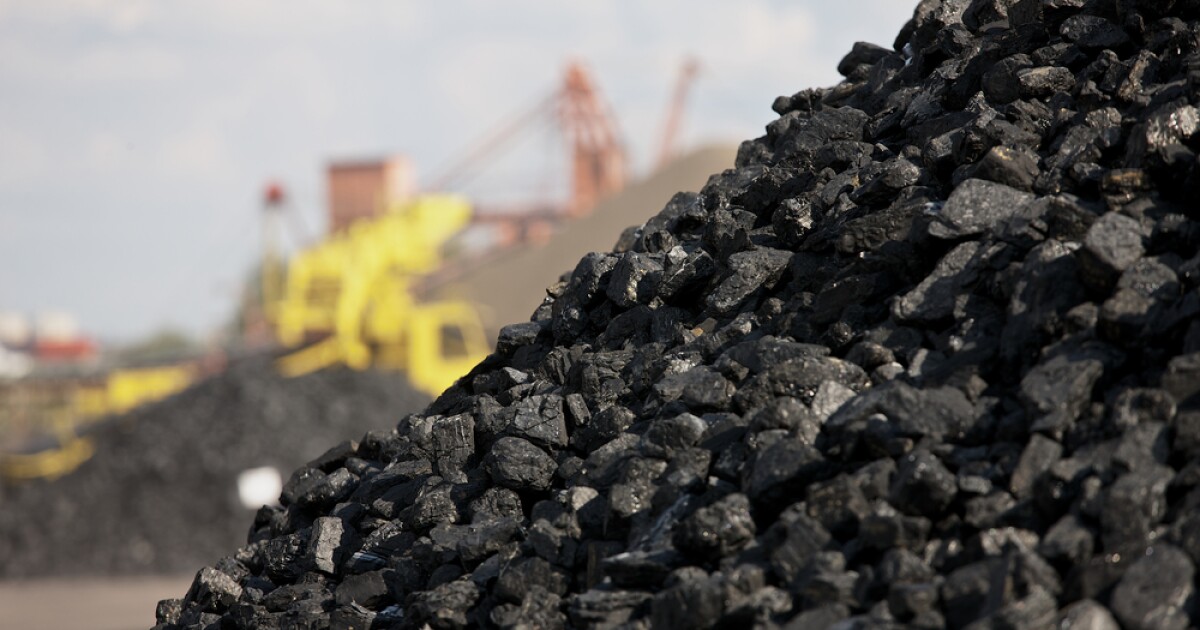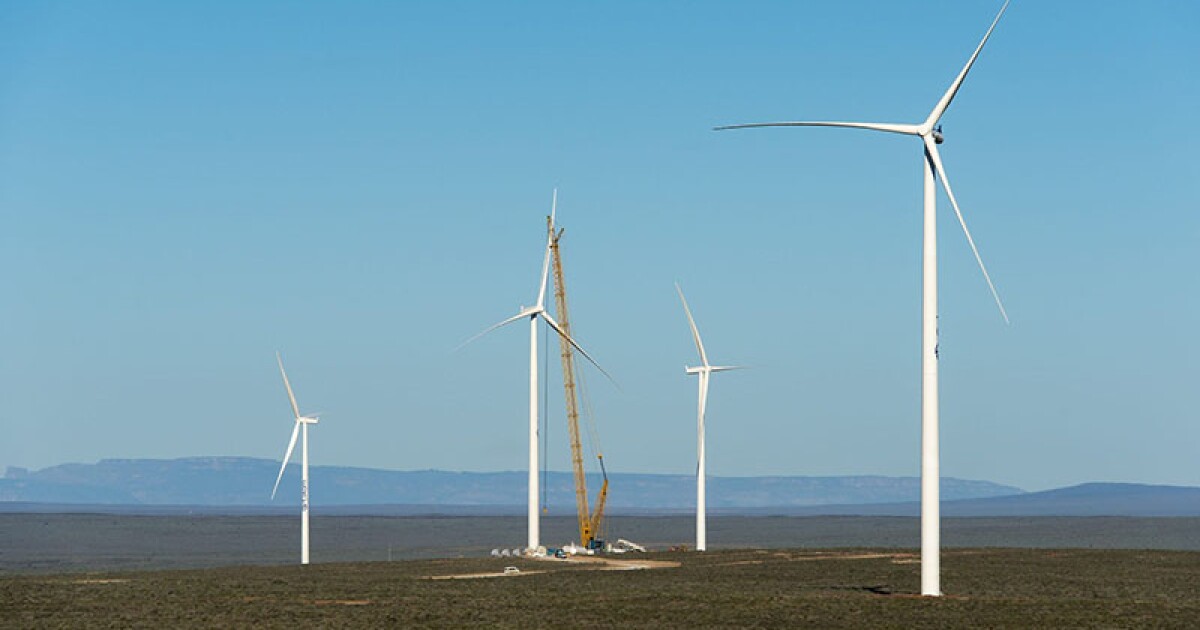
South Africa, which produces about 40% of Africa’s carbon emissions, is moving away from coal-fired power towards renewable energy such as solar and wind.
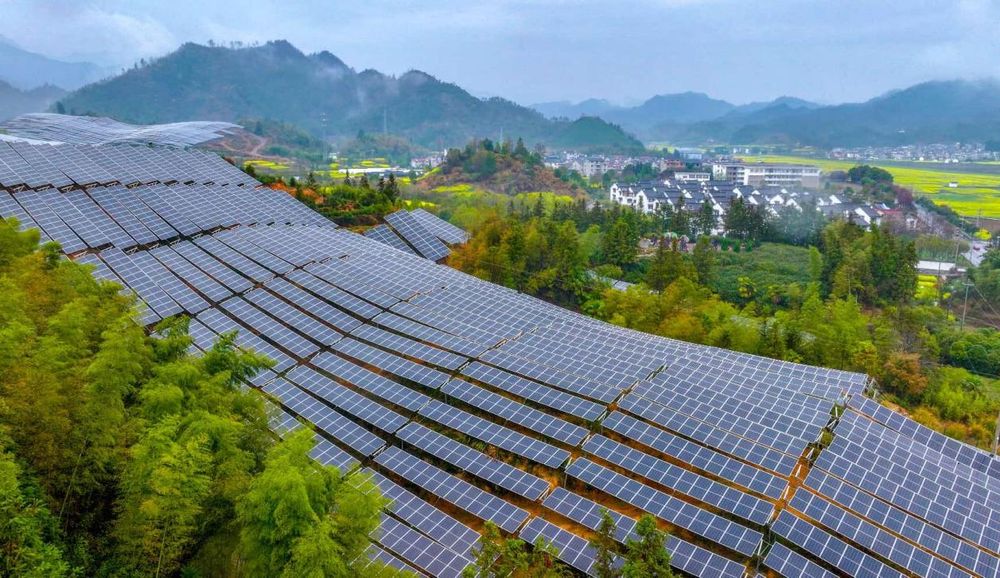
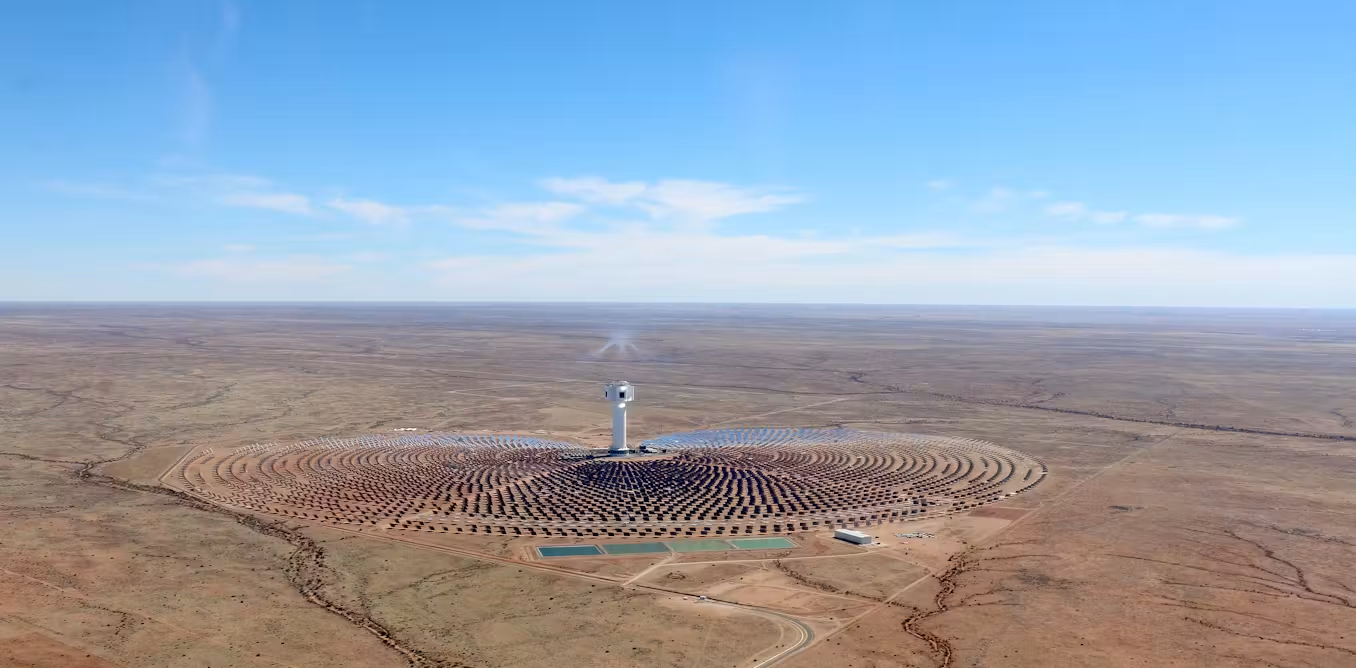
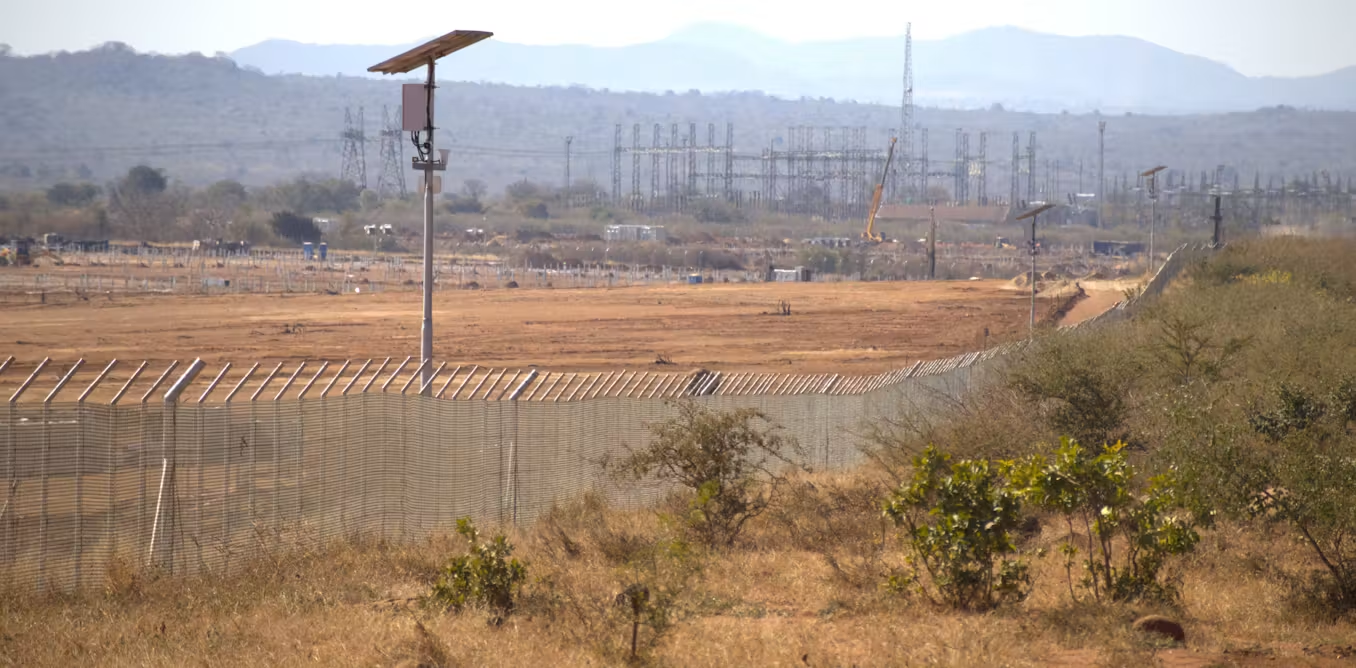
Many of the country’s largest solar power plants are being built in sunny rural areas, where they require vast tracts of land. Generating enough electricity to power about 200 average South African homes requires around two hectares of land – roughly the size of three rugby or soccer fields.
But rural land is usually used by communities that have lived there for generations, for grazing livestock, collecting firewood and medicinal plants, or practising small-scale farming. An estimated 14% of land is under traditional ownership, with about 17 million people – 33% of the population – living on it.
À lire aussi :
17 million South Africans live on communal land – new study of a rural valley offers insights on how to manage it