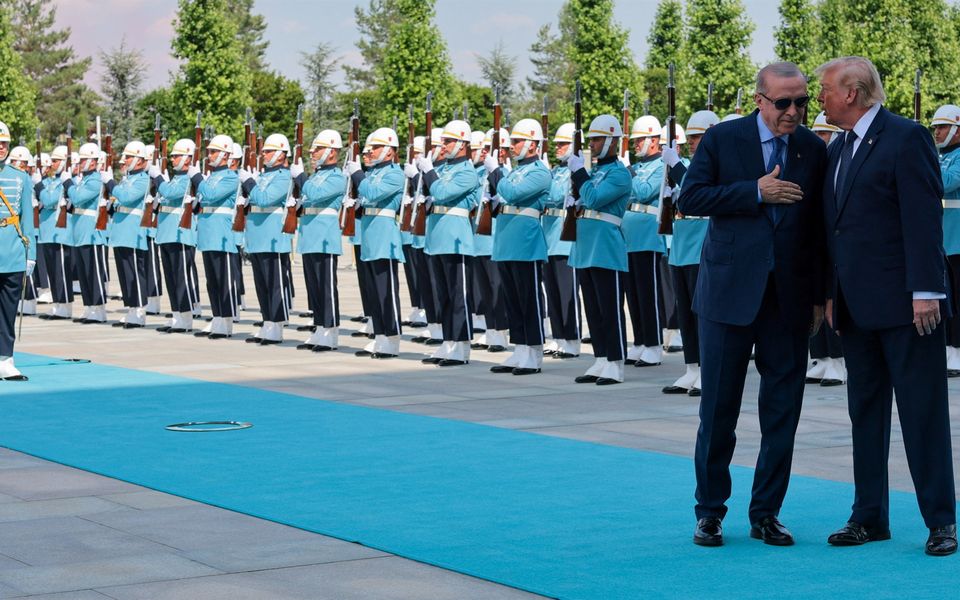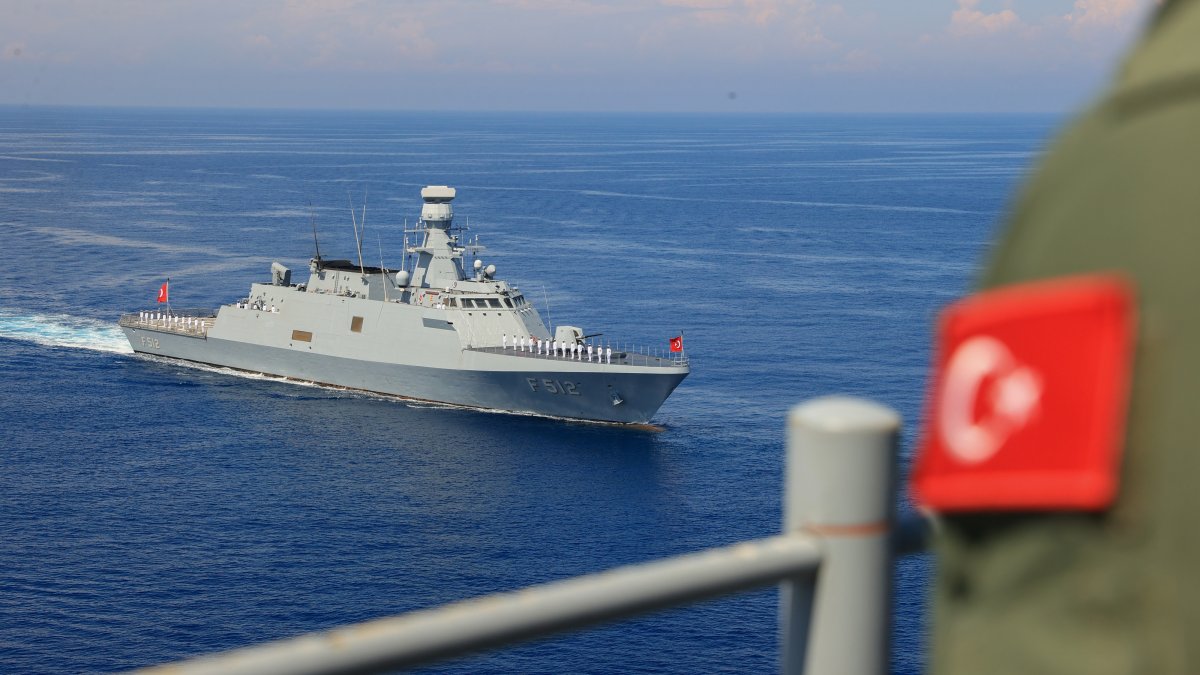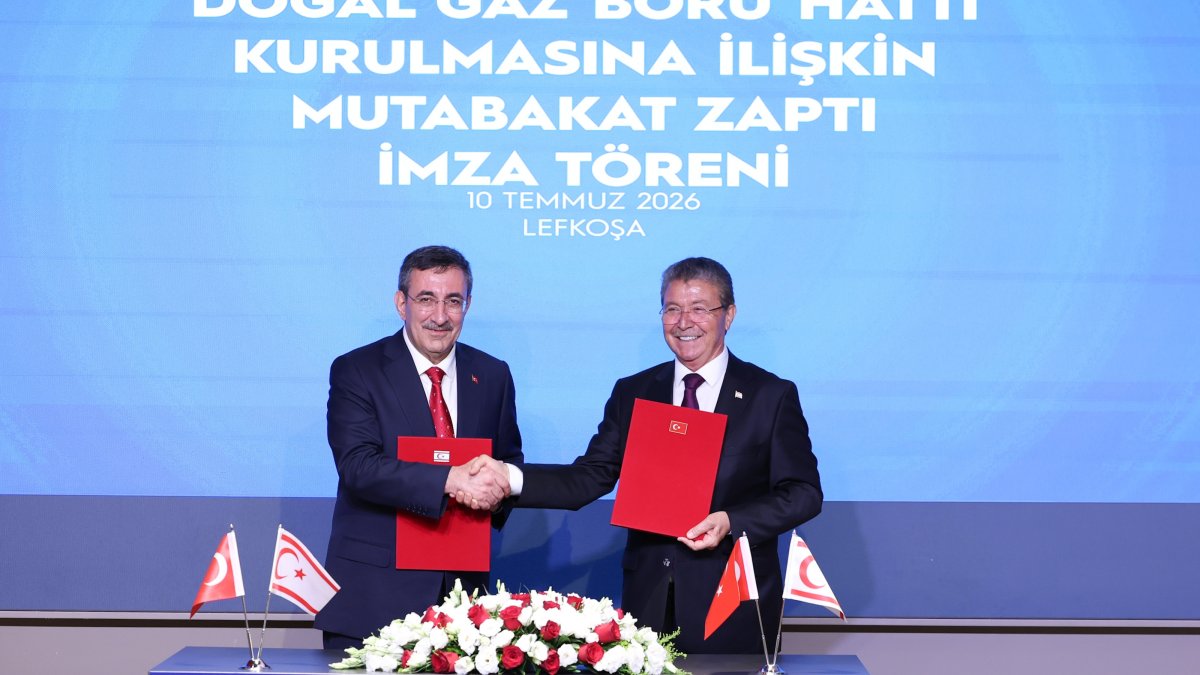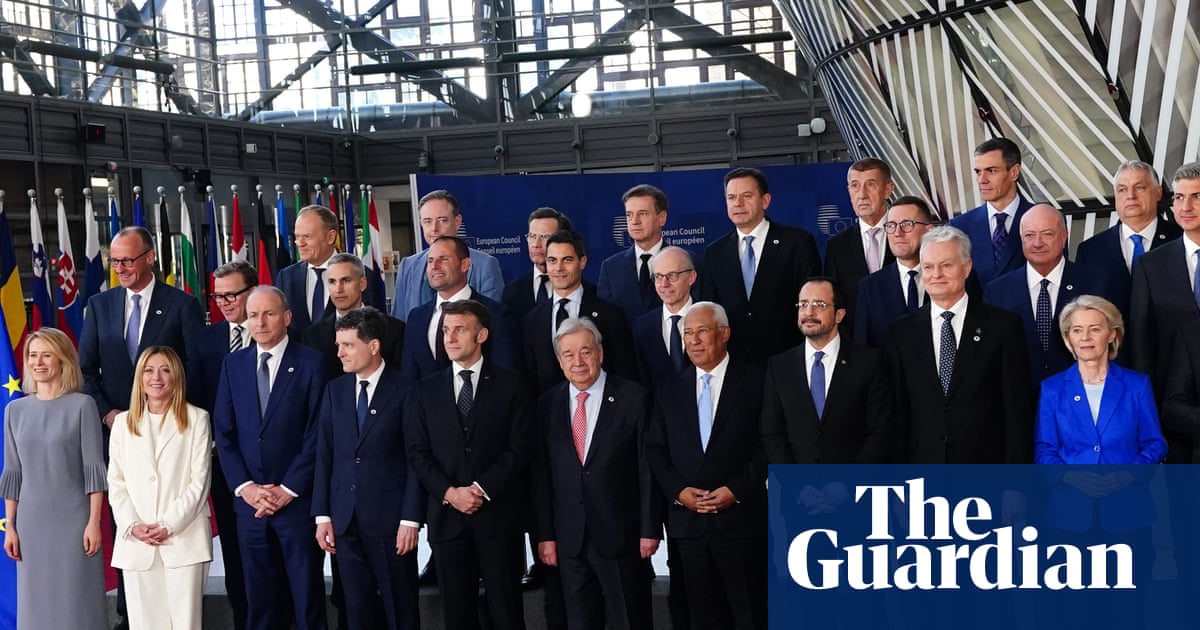
Developments in the Eastern Mediterranean are dynamic and multilayered, with the American factor taking the lead in some cases and, in others, following that of its partners. The Cyprus question, which has gained heightened prominence recently, is, indisputably, an intrinsic part of the regional equation. Some circles see it as pivotal to European defense and even for NATO, arguing that the longer the problem remains unresolved, the longer matters of European security will remain unsettled in a gray area, effectively undermining American and European interests, particularly in light of events in the Middle East.
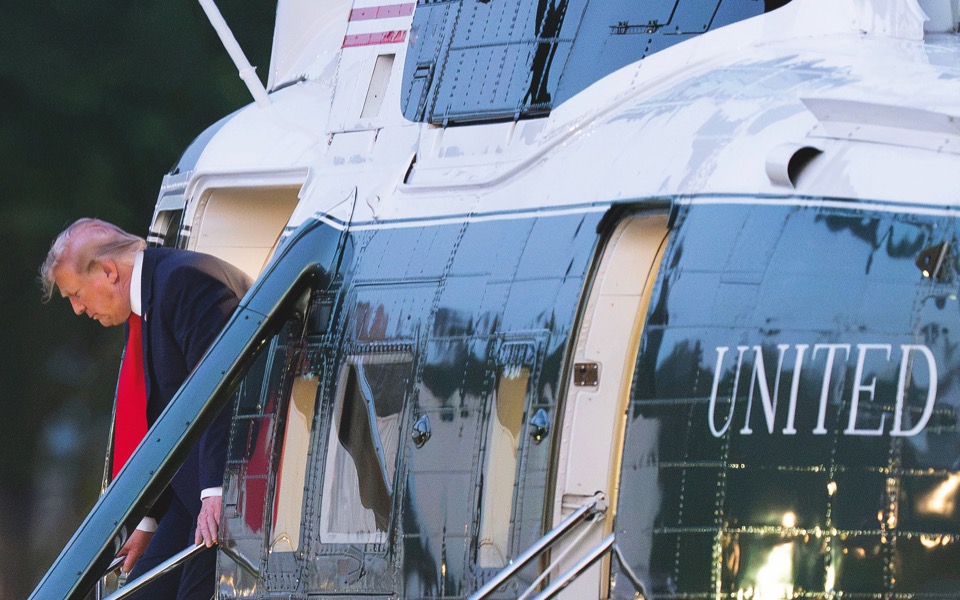
It is a well-known fact that the current American president loves appearing as a problem solver for all sorts of conflicts and crises. It is equally well known that he gives room to those he trusts to reduce tensions and conflicts in parts of the world where he wants to disengage Washington from prolonged and uncertain peace or stabilization efforts. He likes this “division of labor” so that the United States is not expected to intervene and cannot be blamed for indifference to what is unfolding, while at the same time leaving no room for a competing power to advance its interests. However, there are two structural differences between his and his predecessors’ policies.