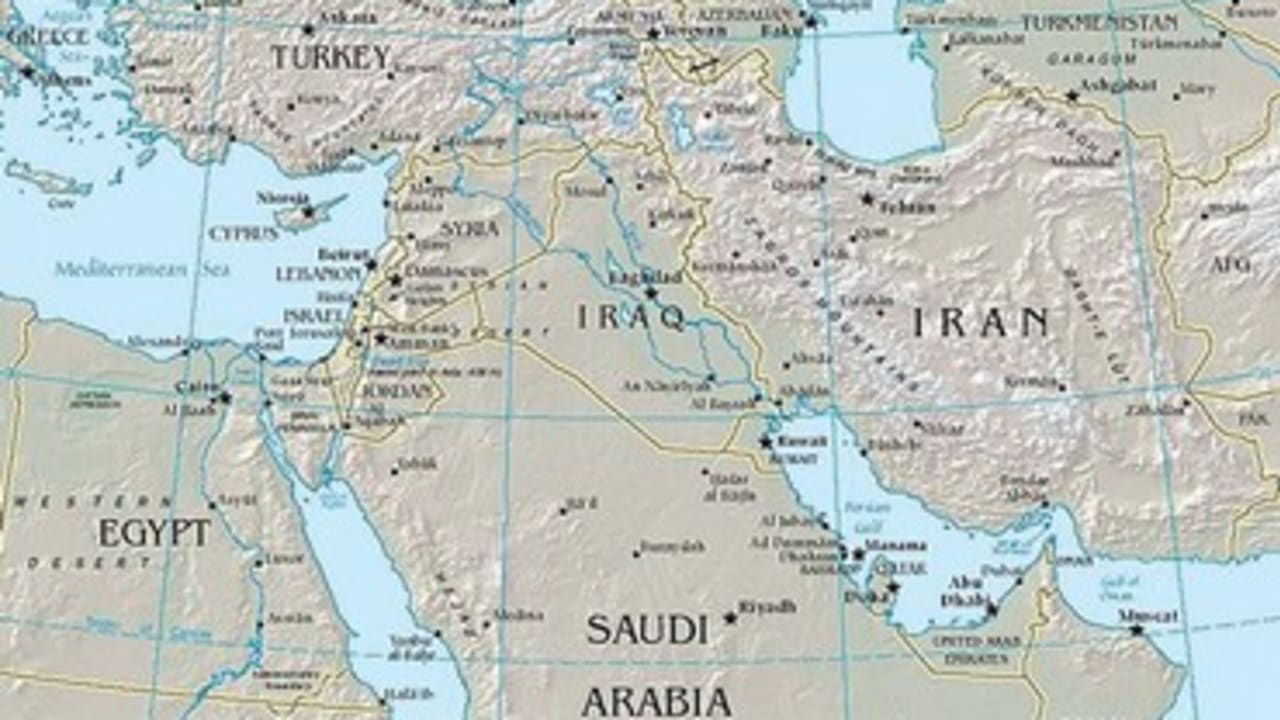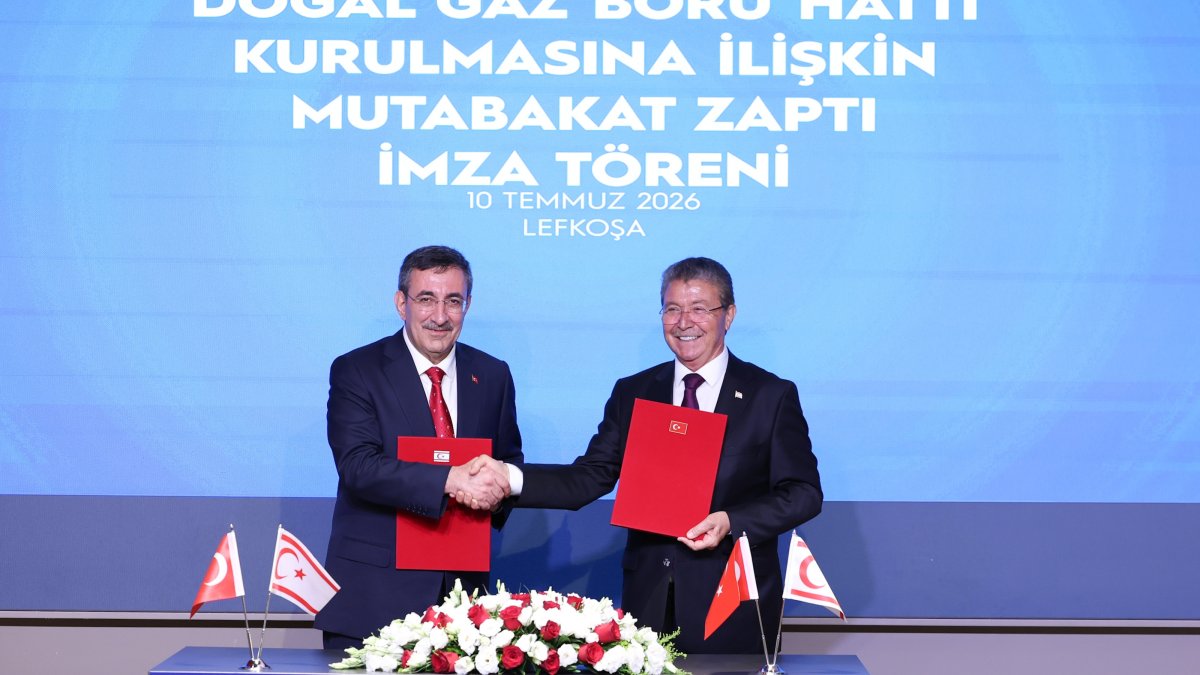
The energy geopolitics of the Eastern Mediterranean demonstrates that sharing the same geological basin does not necessarily produce the same economic outcomes for all actors. Although the Turkish Republic of Northern Cyprus (TRNC) and the Greek Cypriot administration share the hydrocarbon potential of the Levant basin, they operate under markedly different political and legal conditions. On one side stand political isolation and limited investment opportunities. On the other side stand international recognition and agreements with major energy companies. Yet both sides share one common reality: Neither has succeeded in fully transforming the Eastern Mediterranean’s abundant natural gas resources into economic prosperity.
The reason is that in the Levant basin, the key factor shaping the development of the natural gas sector is not the existence of reserves, but the legal, regulatory and institutional framework that enables those reserves to be developed.
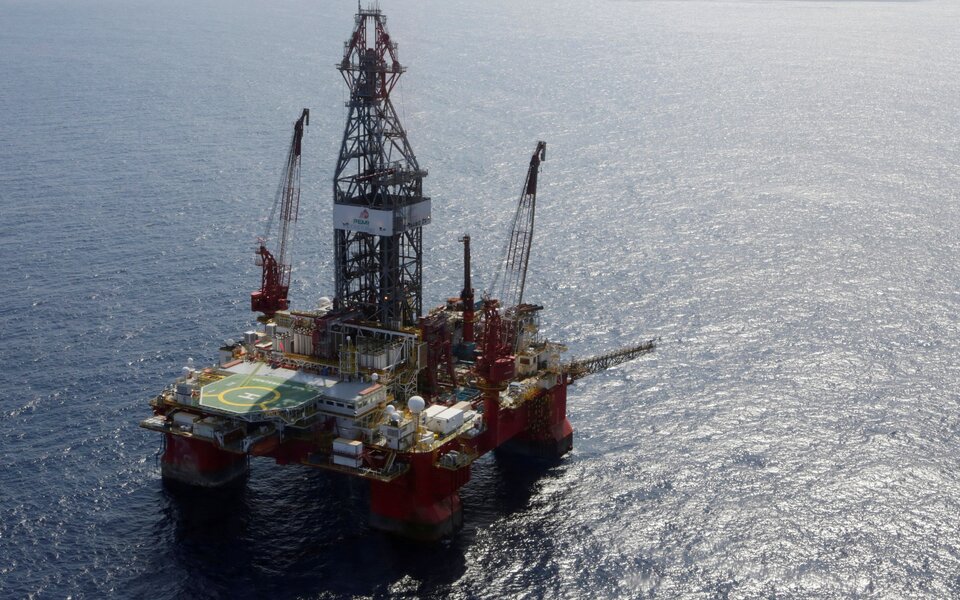
The Greek Cypriot administration, as an EU member, operates within a market structure integrated into the EU energy acquis, natural gas market regulations and international investment law. Within this framework, 13 offshore exploration blocks have been opened to investors through international licensing rounds, allowing global energy companies including Chevron, ExxonMobil, Shell, Eni, TotalEnergies and QatarEnergy to undertake exploration and development.