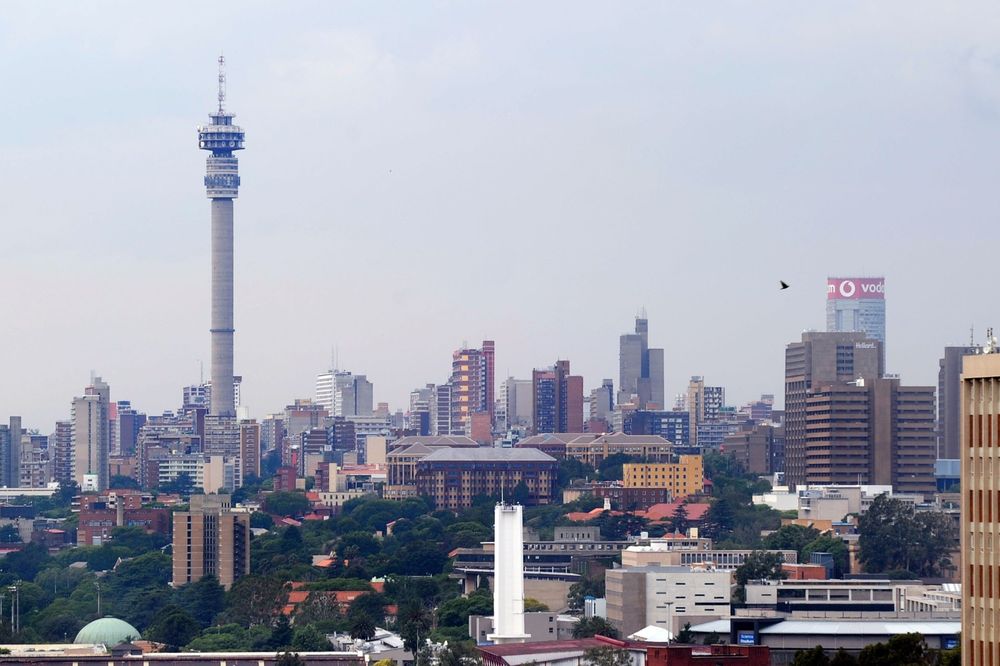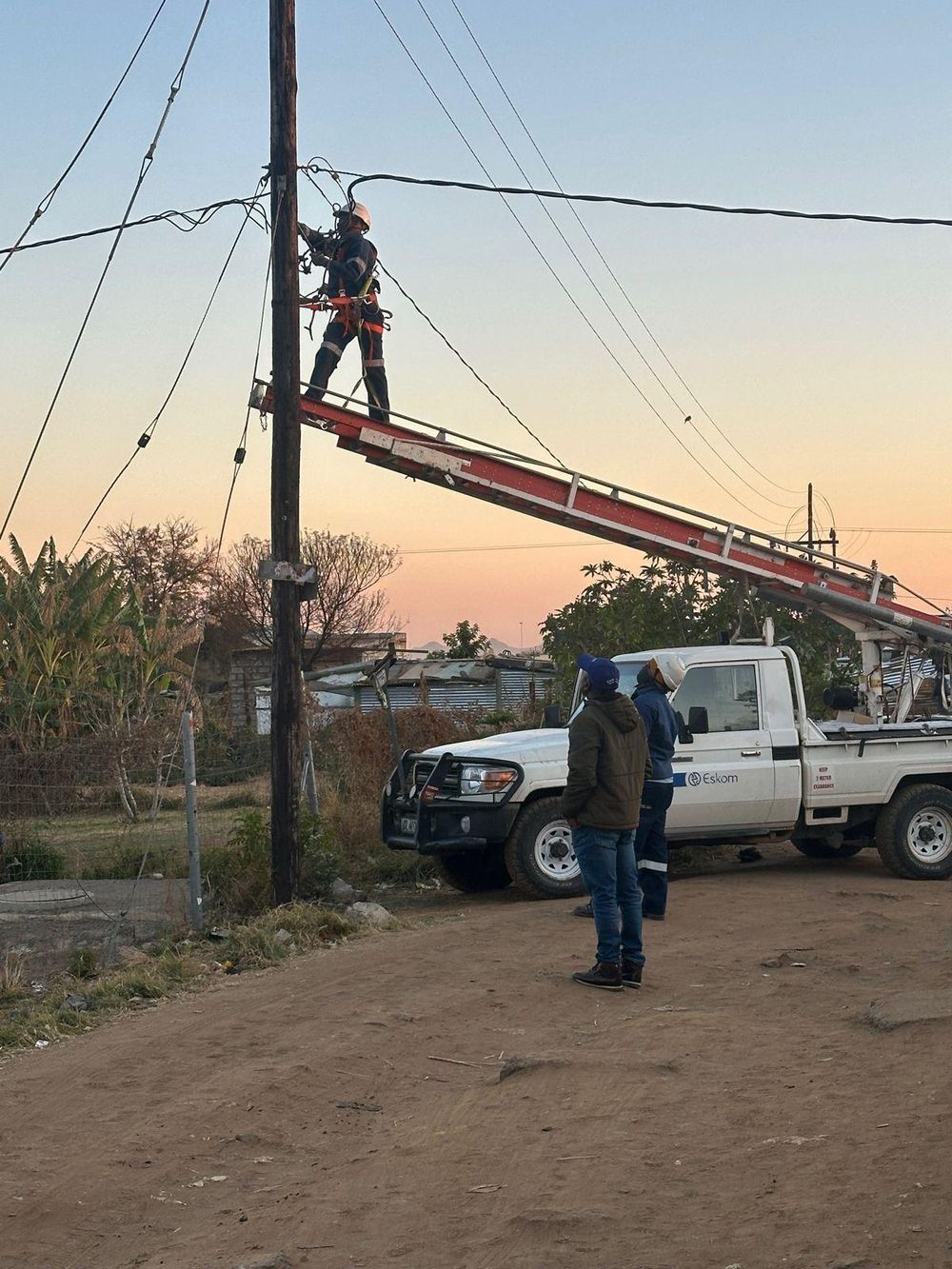
Months after South Africa’s load-shedding pressures finally began to ease, its richest city, Johannesburg, is confronting a new, localised electricity crisis, but this time instead of a failing national grid the city is facing severe fiscal insolvency. Last month Eskom announced the city owed the power utility R5.2bn, not including a current account amount of R1.5bn, and warned of possible electricity supply interruptions. This follows Eskom’s high court application last year over growing concerns about Johannesburg’s “persistent noncompliance” with its financial obligations and historic debts. Yet in spite of an agreed settlement arrangement, Eskom confirmed in May that Johannesburg and City Power have since continuously failed to comply with the high court order. In a statement released in mid-June Eskom indicated Johannesburg and City Power remained in significant arrears. It noted that despite making a partial payment of R1.2bn towards the city’s electricity accounts, its current account of R1.5bn, which was due on June 5, had not been settled, bringing its outstanding balance close to R5.3bn as of June 11. This outstanding amount includes the overdue account and the remaining balance of the settlement agreement made by an order of the high court. It clarified that though partial payments were made, City Power failed to meet its obligations, and as a result the Promotion of Administrative Justice Act consultation process continues, with the deadline for public input extended into July. For context, the act is a mandatory consultation process that requires state entities to give the public a fair chance to object before it takes administrative action, such as electricity supply interruptions, that affect them.This escalating crisis faced by Johannesburg in relation to its municipal utility reveals deep structural incapacities within the metro despite ministerial interventions and recovery strategies. As a result, these persistent financial and operational constraints should not be misconstrued as temporary fiscal challenges, but rather as symptoms of deeper, more chronic governance failures. In essence, the breakdown does not lie with the utility alone but with an ineffective municipal utility model that is incapable of managing the city’s fiscal demands and operational pressures.The latest escalation between Eskom and City Power comes amid growing scrutiny of Johannesburg’s deteriorating financial position. In April finance minister Enoch Godongwana warned mayor Dada Morero about the city’s fiscal instability, noting the municipality’s creditors’ balance stood at a huge R25.2bn, against the insufficient R3.9m it held in cash and cash equivalents. Godongwana made it clear the city was in a deep financial crisis and warned the National Treasury would consider withholding an R8bn equitable share grant allocation if the city did not resolve its serious financial governance failures. Earlier this month the Treasury followed through, temporarily freezing the funds of 69 municipalities nationwide.Promising money it does not have One of the major concerns raised by the finance minister was that Johannesburg consistently fails to meet its budgeted revenue targets while understating expenditure, resulting in financially unfunded and unsustainable budgeting and spending patterns. Specifically, he noted that despite the city contributing close to 17% of the country’s GDP, Johannesburg’s revenue collection remains well below the National Treasury’s benchmark. Godongwana revealed the city’s debt to creditors surged by more than R8bn between 2022/23 and 2024/25, from R17bn to R25.2bn, indicating growing reliance on debt to sustain operations and insufficient cash balances to cover these ballooning liabilities. In addition to poor revenue collection and rising debt, the city also faces utility purchase and distribution losses across its major utilities: failing to collect revenue on half of the bulk water it purchases while also losing a third of its bulk electricity purchases. In the 2023/24 auditor-general findings City Power recorded R4.9bn in electricity losses caused predominantly through widespread illegal connections, damaged and bypassed meters, technical transmission losses and billing system failures. These institutional weaknesses leave City Power responsible for payment for bulk power it purchased but now cannot convert into revenue, further weakening its ability to service its debt sustainably.The city’s structural vulnerabilities are worsened by increasing wasteful expenditure. In the 2024/25 financial year Johannesburg recorded losses of nearly R 3.7bn in irregular spending, nearly R2.4bn in unauthorised expenditure and R943m in fruitless and wasteful expenditure. This enormous spike from the previous year’s R322m stems mainly from avoidable interest charges, late supplier payment penalties and weak internal control mechanisms. For some perspective, the combined losses of about R7bn in mismanaged funds exceeds the arrears owed by City Power to Eskom. This internal fiscal bleeding proves the metro’s cash constraints are not solely driven by unpaid customer accounts but are deeply compounded by institutional inefficiency and weak financial oversight.The problem with ‘one pot’On the surface, Johannesburg’s electricity crisis reads as a debt dispute between City Power and Eskom. However, a deeper issue is that the city does not govern the utility as a financially credible utility with protected revenue and enforceable fiscal responsibilities. This reflects a deeper failure that undermines the municipality’s financial governance model as a whole. When utility revenue is not strictly ring-fenced the revenue collected from paying customers that is meant to pay its bulk suppliers, maintain networks and fund long-term infrastructure is instead pooled into a single pot of funds that are absorbed into the city’s wider and immediate financial pressures. In other words, utility revenue is treated as Johannesburg cash, while utility losses, backlogs and debt continue to grow. The result is a vicious cycle in which weak revenue collection and protection lead to underinvestment and debt, which compromise the metro’s ability to deliver services and worsens service failure, further eroding payment compliance and public trust.Domino effect Worryingly, trends across the city’s other bulk utilities reveal Johannesburg’s fiscal constraints are not limited to City Power but rather are affecting the wider city. The R5.28bn outstanding City Power bill only reflects about a fifth of the city’s broader debt. Rand Water, Johannesburg’s bulk water supplier, has reported similar financial strain, with the city nearly R3.1bn in arrears. These patterns point to a deeper problem in that the city is operating a service delivery model in which residents and businesses pay more while the revenue collected is not reliably allocated to the services they are meant to sustain. Taken together, Johannesburg faces a major utility finance management crisis rooted in weak revenue collection, poor spending and budget controls and crippling operational losses. These pressures are worsened by unrealistic budgeting, declining cash reserves and rising wasteful expenditure. Despite proposed interventions, including placing the city under financial administration, Johannesburg is yet to provide a clear way forward and is seemingly relying on the assumption that Eskom will not follow through on cuts given the broader economic consequences. Yet Eskom maintains it will press on with power cuts. This means without urgent reform of its municipal utilities into functioning, ring-fenced, professionally governed entities that are accountable for measurable outcomes, the continent’s richest hub faces imminent structural collapse.• Moosa is a researcher and data journalist in the Natural Resource Governance & Climate Change programme at Good Governance Africa.
MISCHKA MOOSA | Joburg’s winter fiscal freeze
Mounting arrears and misallocated funds push Johannesburg towards service collapse
1,159 words~5 min read