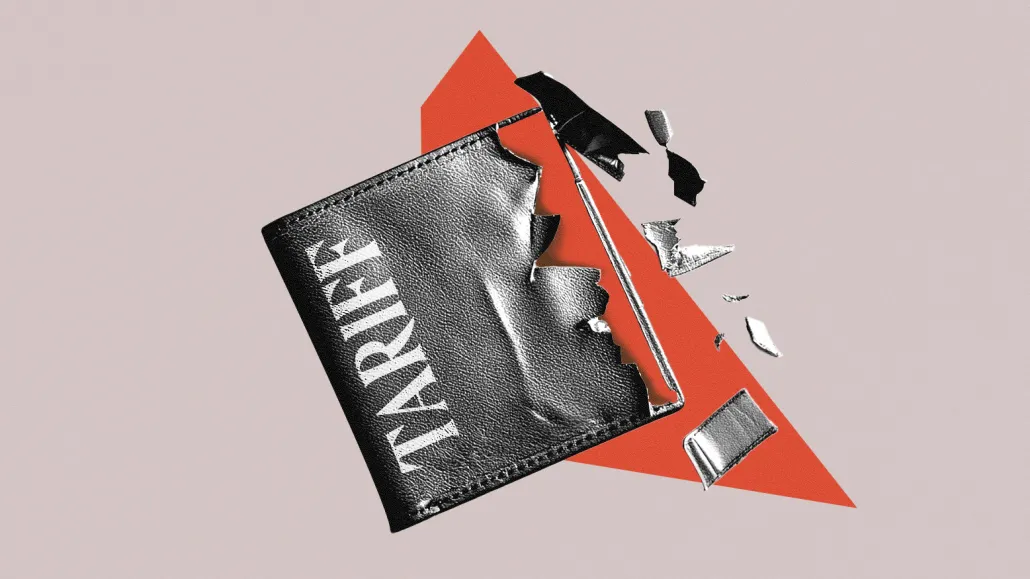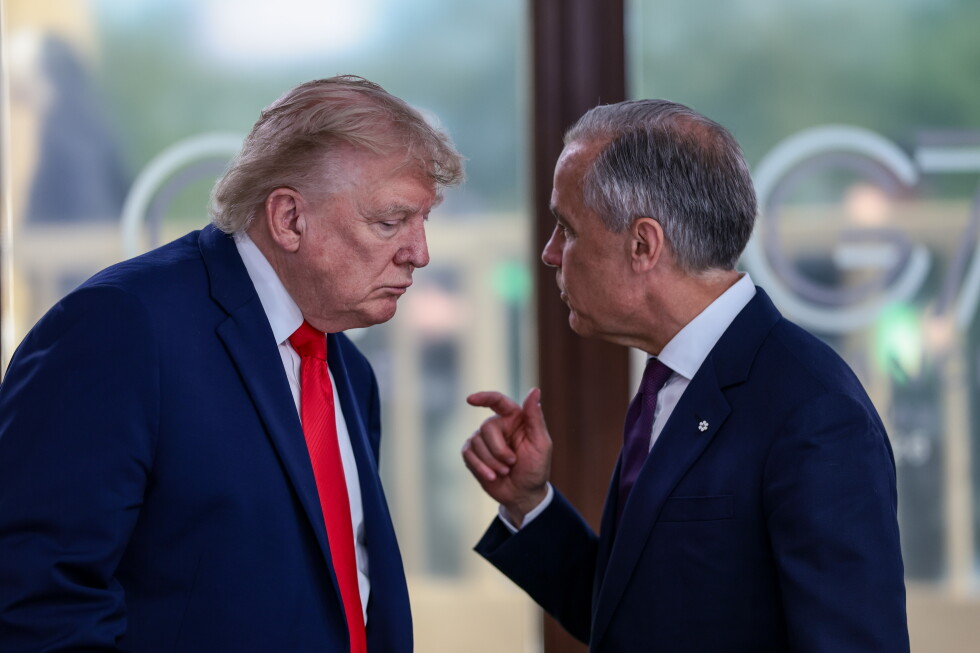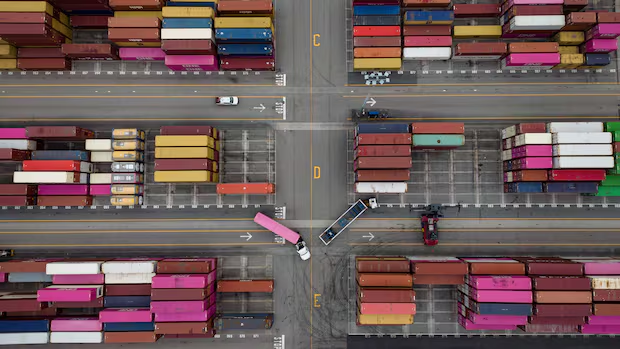
CanadaThese three charts break down which sectors are in the crosshairs, which provinces will be the hardest hit and how the tariffs will be felt on both sides of the border.Electronics sector, B.C. could feel the bite of potential new dutiesGraeme Bruce · CBC News · Posted: Jul 23, 2026 4:00 AM EDT | Last Updated: 5 hours agoListen to this articleEstimated 3 minutesThe audio version of this article is generated by AI-based technology. Mispronunciations can occur. We are working with our partners to continually review and improve the results.Shipping containers are seen at Global Container Terminals' Deltaport facility in Delta, B.C. Items under U.S. President Donald Trump's new tariff threat represent more than 13 per cent of B.C.'s total exports to the United States, which is higher than any other province. (Darryl Dyck/The Canadian Press)U.S. President Donald Trump’s latest tariff gambit is the most sweeping trade threat Canada has faced to date. With an unprecedented 50 per cent duty set to hit a wide swath of Canadian-made goods on Aug. 19, the clock is ticking for businesses across the country. These three charts break down which sectors are in the crosshairs, which provinces will be the hardest hit and how the tariffs will be felt on both sides of the border.Major threatened sectorsWhile much has been said about alcohol and hockey sticks, the electronics sector stands to take the biggest hit. Canada exported more than $4 billion US worth of electronics equipment that would be subject to Trump’s new tariffs. In fact, certain electrical boards and controllers are on the list and are the largest value export to the U.S. of any threatened category.These tariffs would also take a bite out of Canada’s plastics industry, including things like bottles, floor coverings and various household items. The value of items threatened in this category is about $3 billion US.The more than 500 items under threat are split between three proclamations put out by the White House, each tied to well-known trade irritants for the U.S.: The provincial booze bans, Canada’s protected dairy industry and the integrated auto industry. It’s worth noting passenger cars and trucks are not on the list, though motorcycles and mopeds are, as are some components.About $900 million US worth of beverage exports to the U.S from Canada is also under threat.The hardest hit provincesLooking at the effects across Canada, B.C. would be disproportionately affected by these import duties. Items under tariff threat, most notably wood and paper, represent more than 13 per cent of the province’s total exports to the United States, which is higher than any other province. Quebec also stands to take a major hit, with about 10 per cent of its exports now potentially exposed to Trump’s duties. These latest threats are on top of the already crushing 50 per cent tariffs on steel and aluminum hobbling one of Quebec’s major industries.Only about one per cent of Canadian exports from Alberta and Saskatchewan to the U.S. are under threat.Cross-border effectsGiven Canada’s heavy reliance on the U.S. as a trading partner, it would be a major blow to Canada’s economy as a whole, with nearly four per cent of our total exports to the world subject to a 50 per cent surcharge.The U.S. will also be affected, albeit less so because of the size and diversity of the U.S. economy. The tariff list represents roughly half a per cent of its total global imports. This is important to note, as research has shown that most costs associated with tariffs are passed on to the end consumer.Trump is using an obscure 1930s law, which has never been used before, that explicitly gives the president authority to implement these levies.FRONT BURNERTrump’s 50% tariff threat: why now?AnalysisWhy Trump is threatening new 50% tariffs on Canadian exports right nowFrustration, worry and hope: Canadian businesses brace for the latest round of U.S. tariffsUnlike with some previous tariff rows with the U.S., there is no exemption for items in the Canada-United States-Mexico Agreement (CUSMA), for which negotiations continue. Prime Minister Mark Carney spoke with Trump the day after the tariff threats came out and they agreed to intensify trade talks.ABOUT THE AUTHORGraeme Bruce is a producer for CBC News, based in Ottawa. Previously, he was a digital editor at the Winnipeg Free Press. Find him on Twitter @graemebruce_ and reach him by email at graeme.bruce@cbc.ca.
These 3 charts show where Trump's new tariffs could have the biggest impact | CBC News
These three charts break down which sectors are in the crosshairs, which provinces will be the hardest hit and how the tariffs will be felt on both sides of the border.
725 words~3 min read