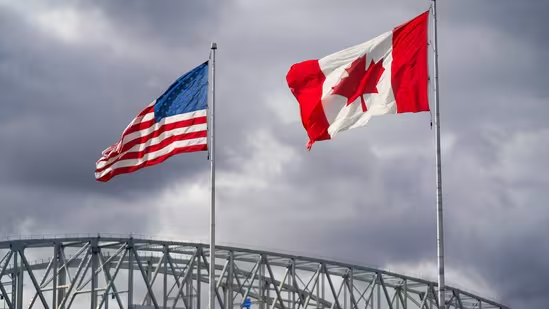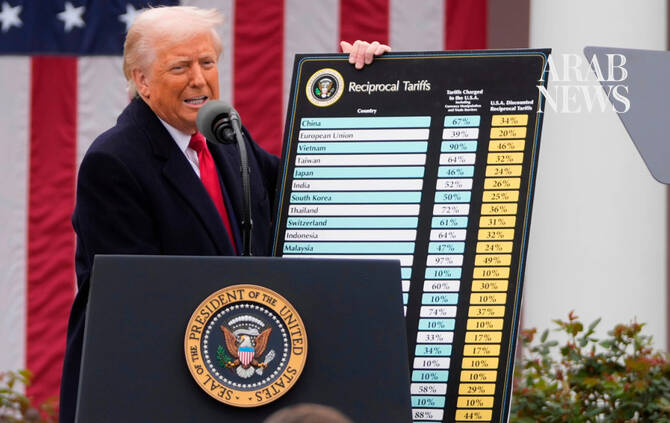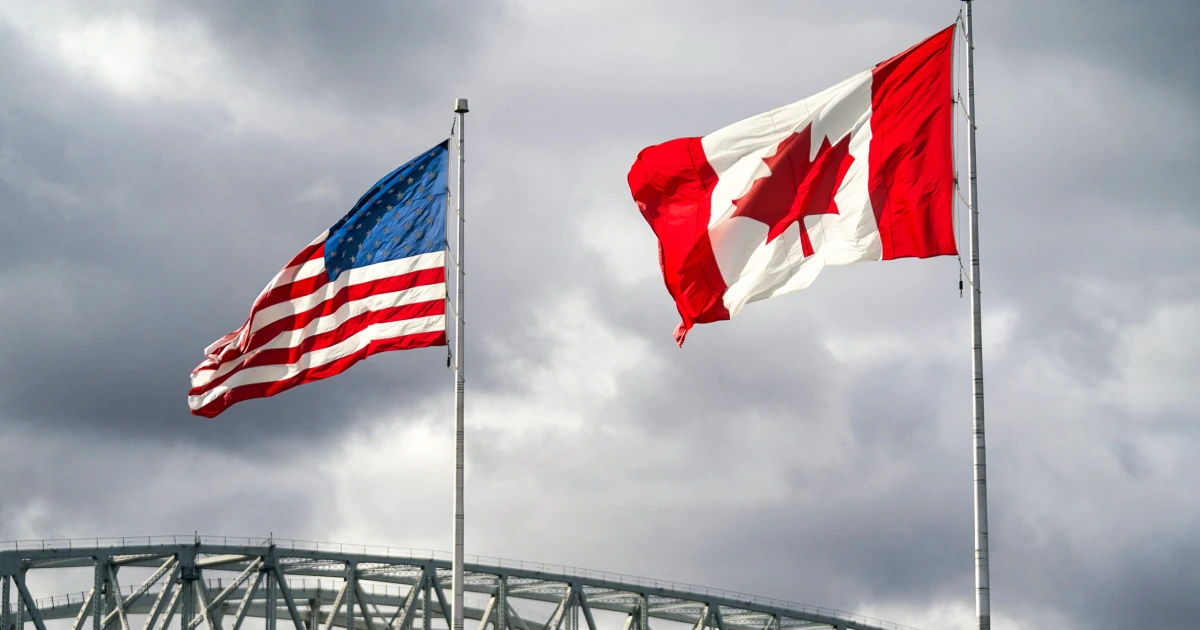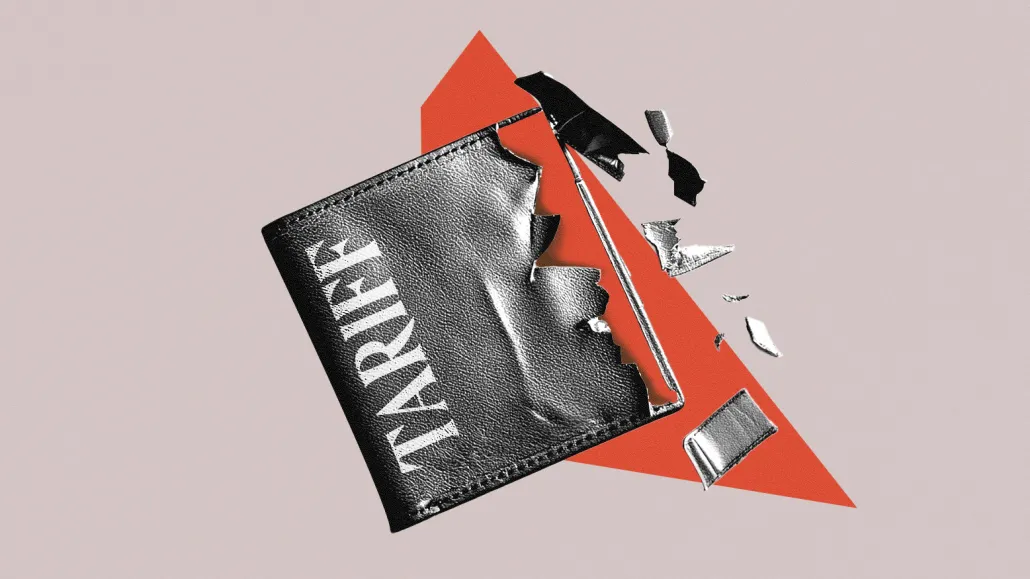
A fresh round of surprise Trump Administration tariffs was announced this week. This time, they affect goods made in U.S.-neighboring Canada. The announcement indicates that tariffed categories will include Canada’s auto, dairy, alcohol, fishing rods and even wigs. Companies anticipated to be affected range from dairy producer Agropur to plant-based food brand Daiya and even Halo Top, thanks to some of its products. Meanwhile, products like oil and natural gas flowing from Canada will be exempt.
While last year’s tariff rounds were ruled unconstitutional, this time the Trump Administration is using Section 338 of the Tariff Act of 1930 as a response to so-called discriminatory Canadian trade practices against the U.S. The tariffs are scheduled to take effect on Aug. 19, but negotiations are expected in the coming weeks that could alter the final rates.
The good news is that, for now, the included product categories appear to be limited enough for many consumer brands to be protected from new tariffs. Moreover, it remains to be seen whether these tariffs will be legally challenged, as Section 338 has never been used by another president to impose tariffs until now.
Jackson Wood, director of industry strategy for global trade intelligence at Ontario-based Descartes, which works closely with importers navigating tariffs, said it’s important to contextualize the new tariffs in the broader United States-Canada-Mexico (USMCA) trade negotiation perspective.