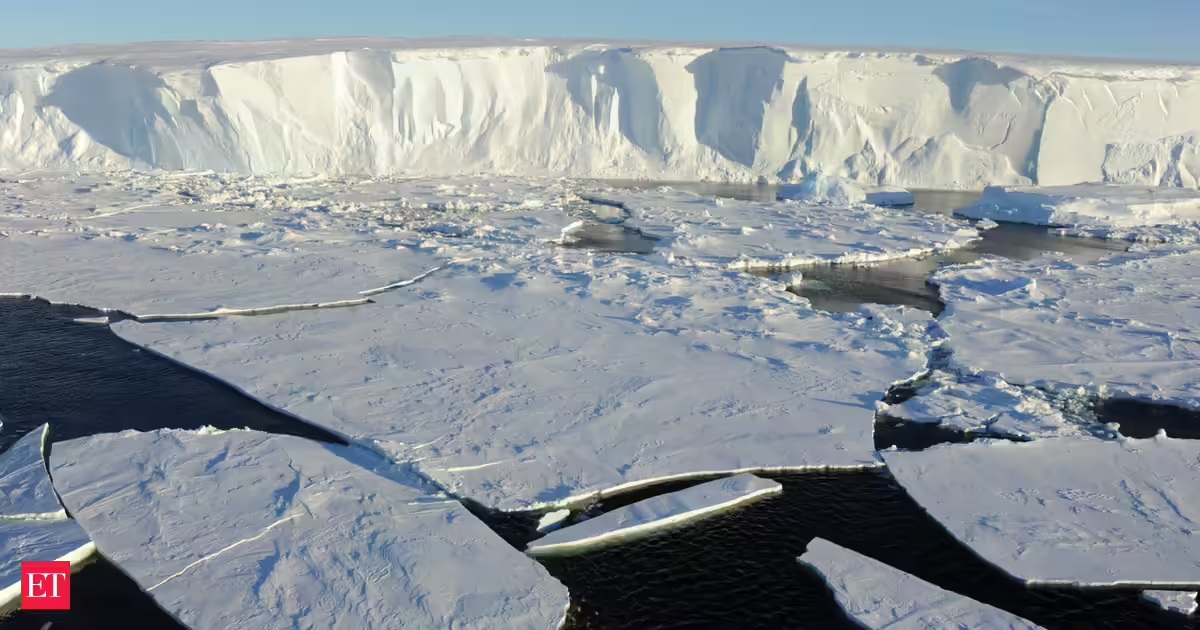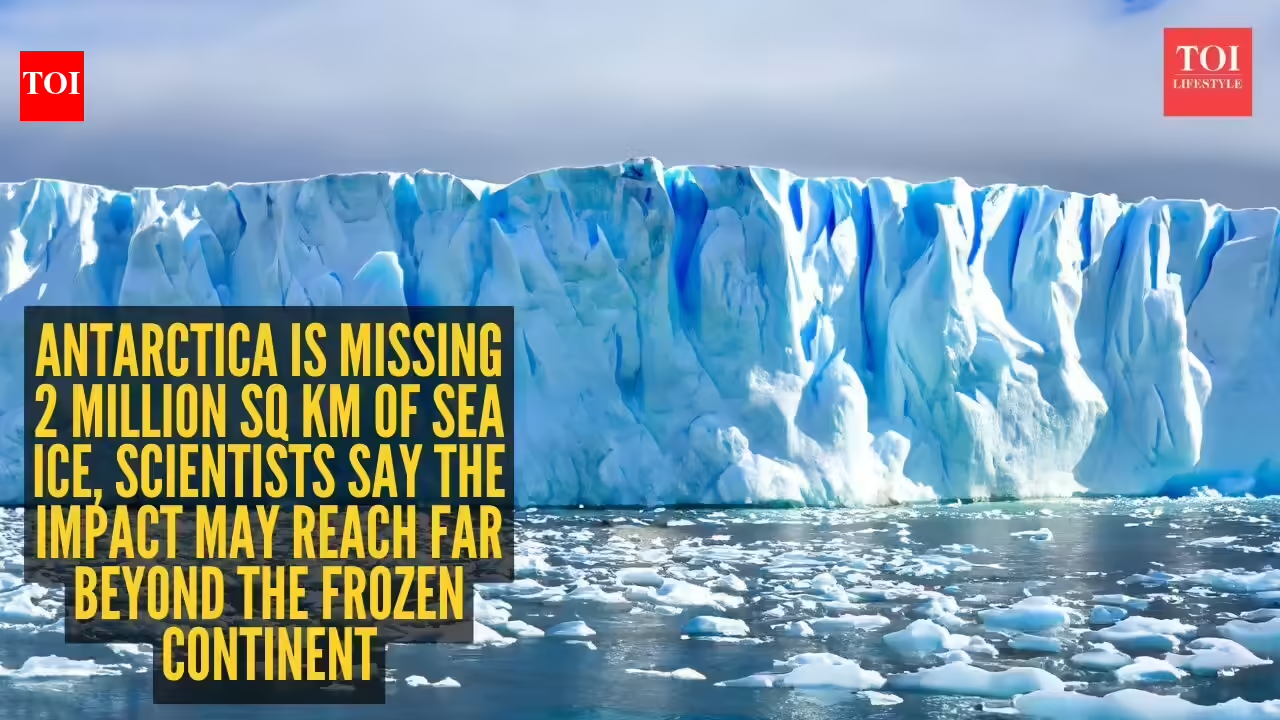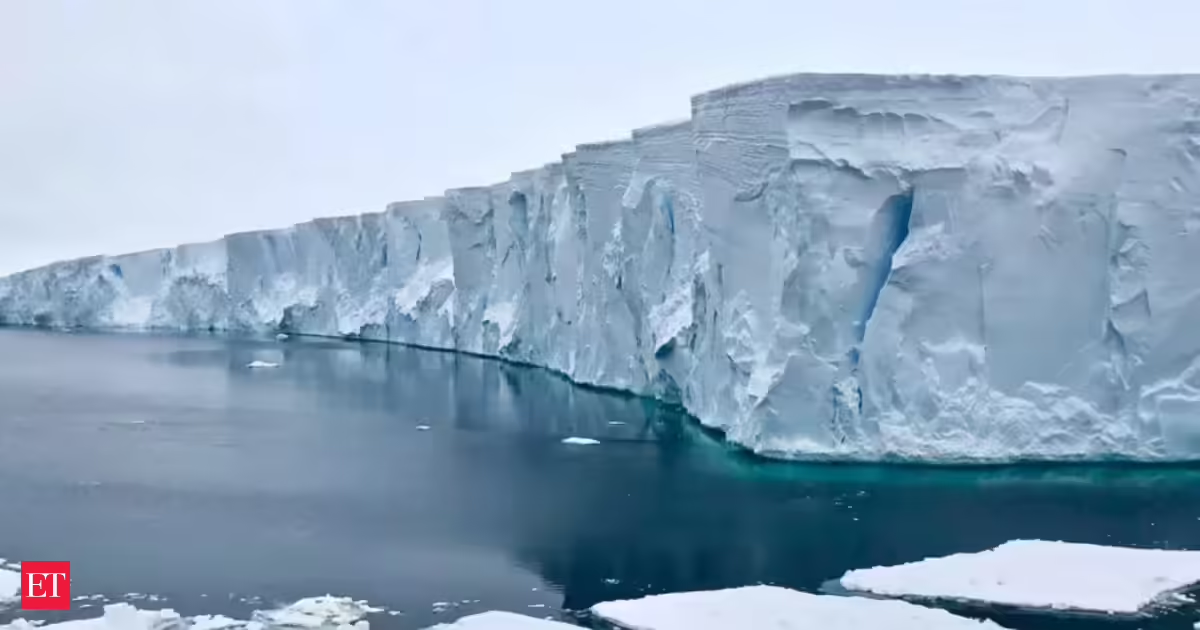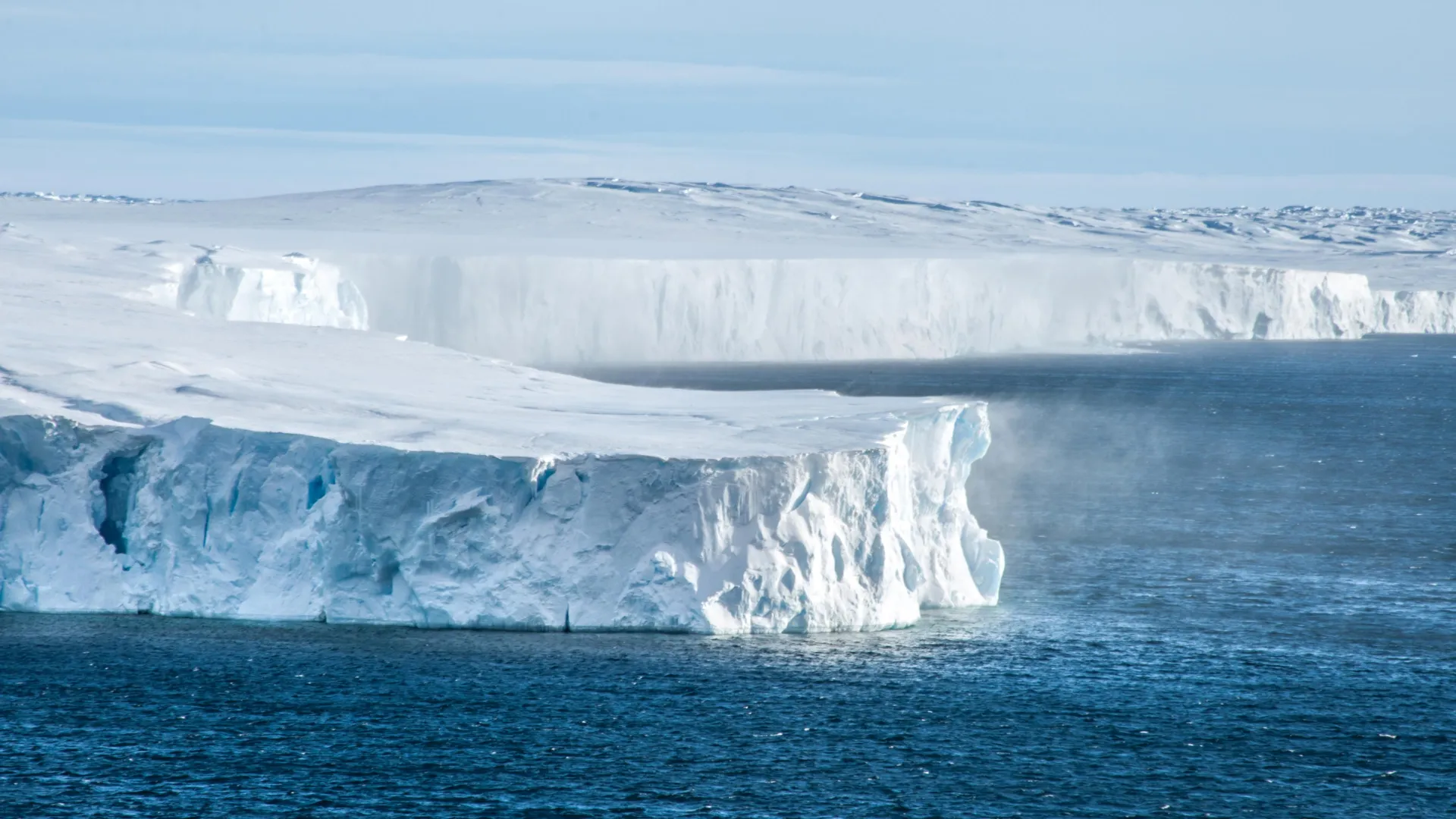
Scientists say the next 30 to 50 years could offer a crucial opportunity to forecast Antarctic ice loss and prepare for the sea level rise it may cause.
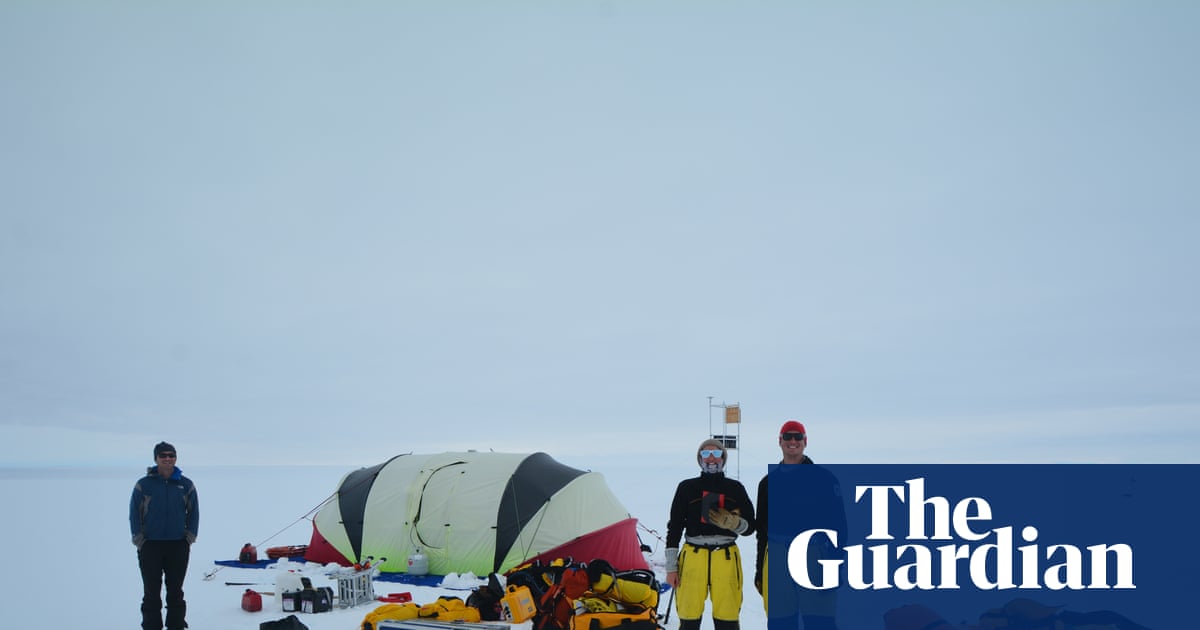
A new study published in Nature, led by Monash University researcher Dr. Felicity McCormack of Securing Antarctica's Environmental Future (SAEF), examines how reliably scientists can predict future ice loss from Antarctica and how those predictions could improve sea level planning.
Antarctica's Potential Impact on Global Sea Levels
Reports from the Intergovernmental Panel on Climate Change (IPCC) indicate that global sea levels could rise by more than two meters by 2100 under high emission scenarios if large parts of the Antarctic Ice Sheet collapse.
An increase of that scale would put one quarter of Australian residential properties at risk of flooding. It could also make large areas of sovereign territory across the Pacific uninhabitable and force hundreds of millions of people worldwide to leave their homes. Such an outcome would rank among the largest humanitarian and economic crises in history.