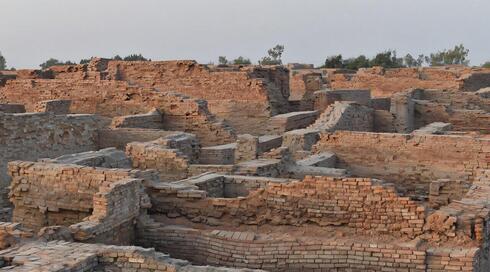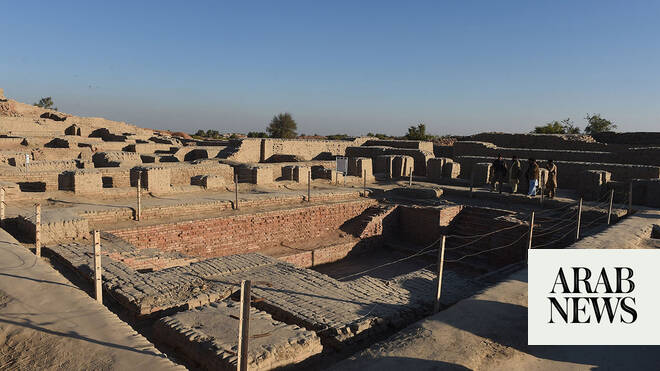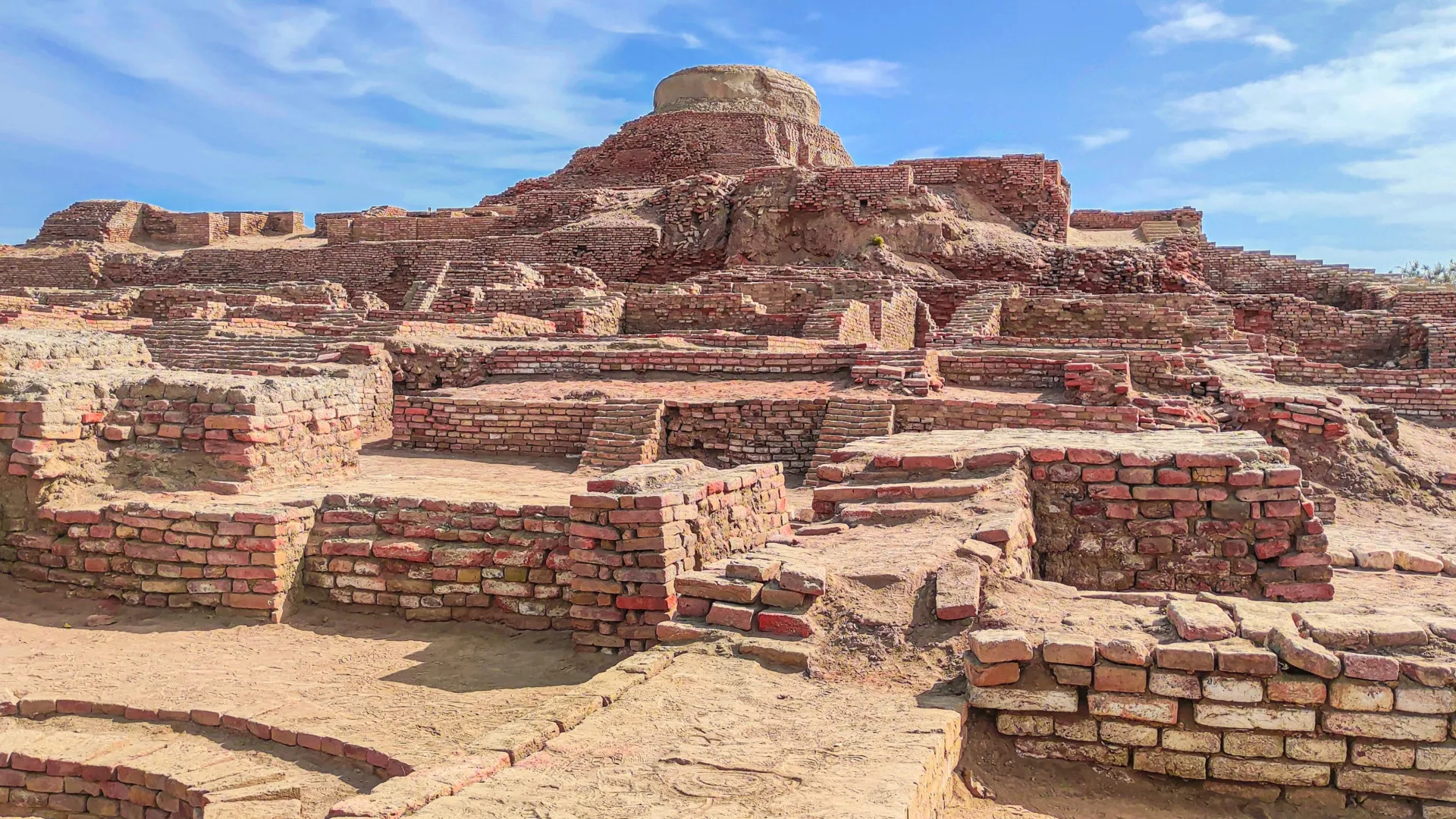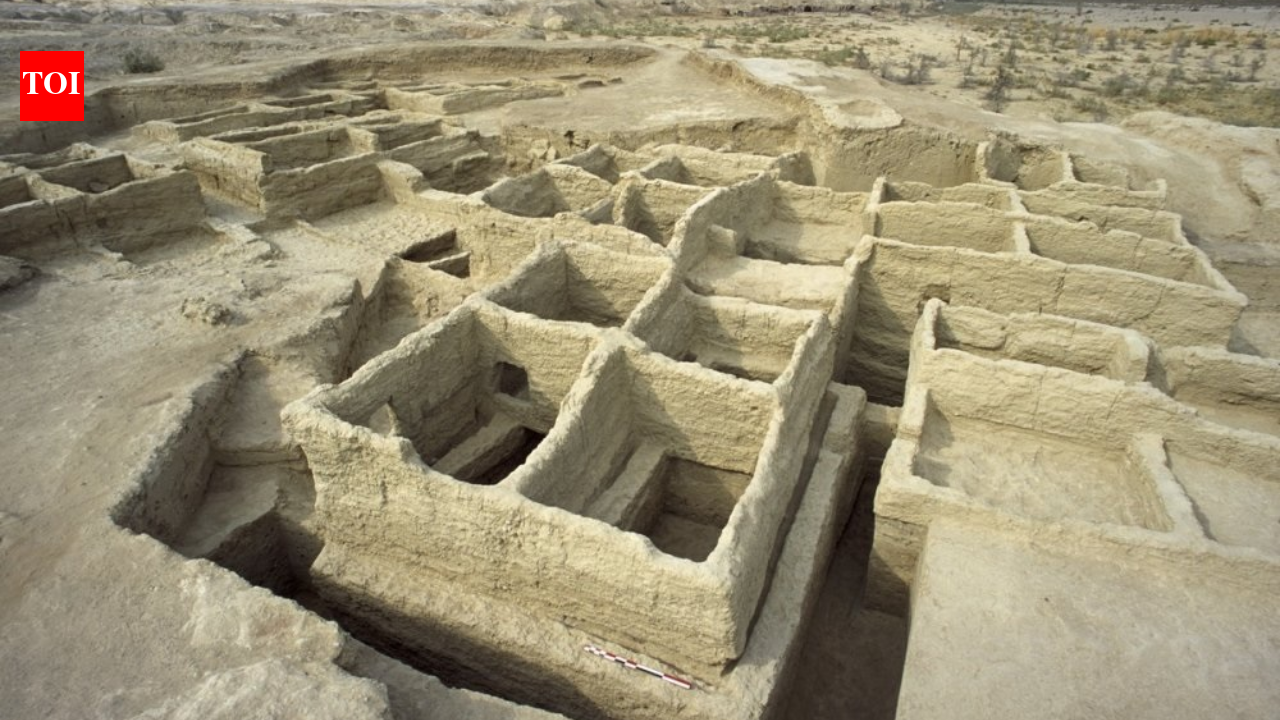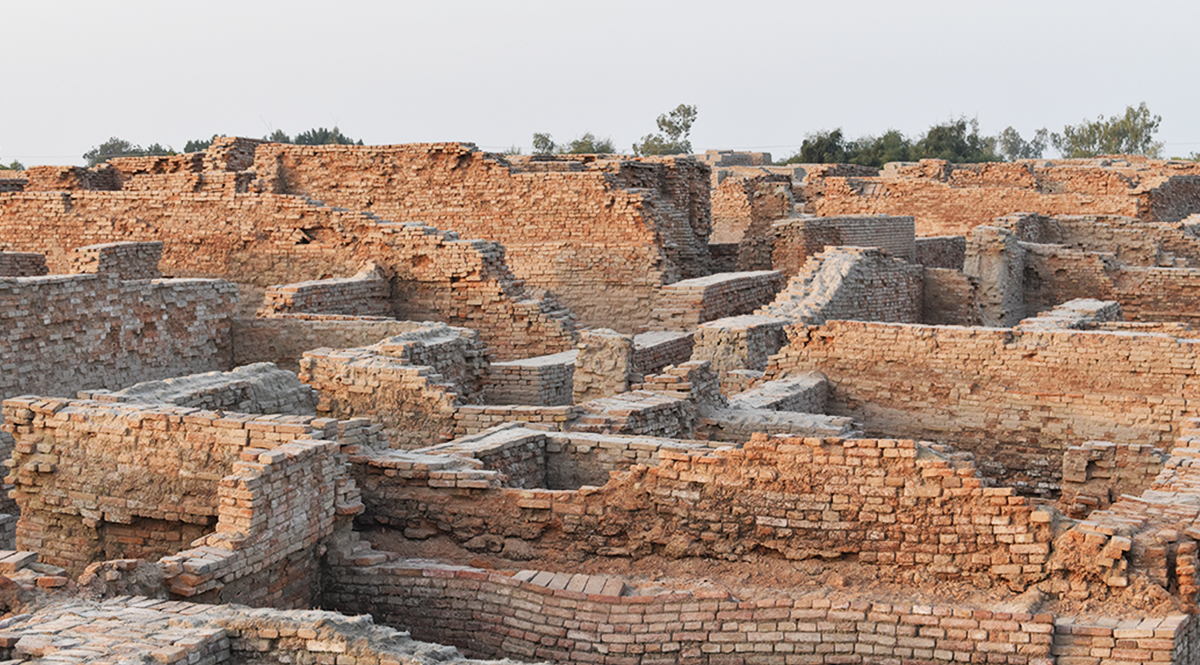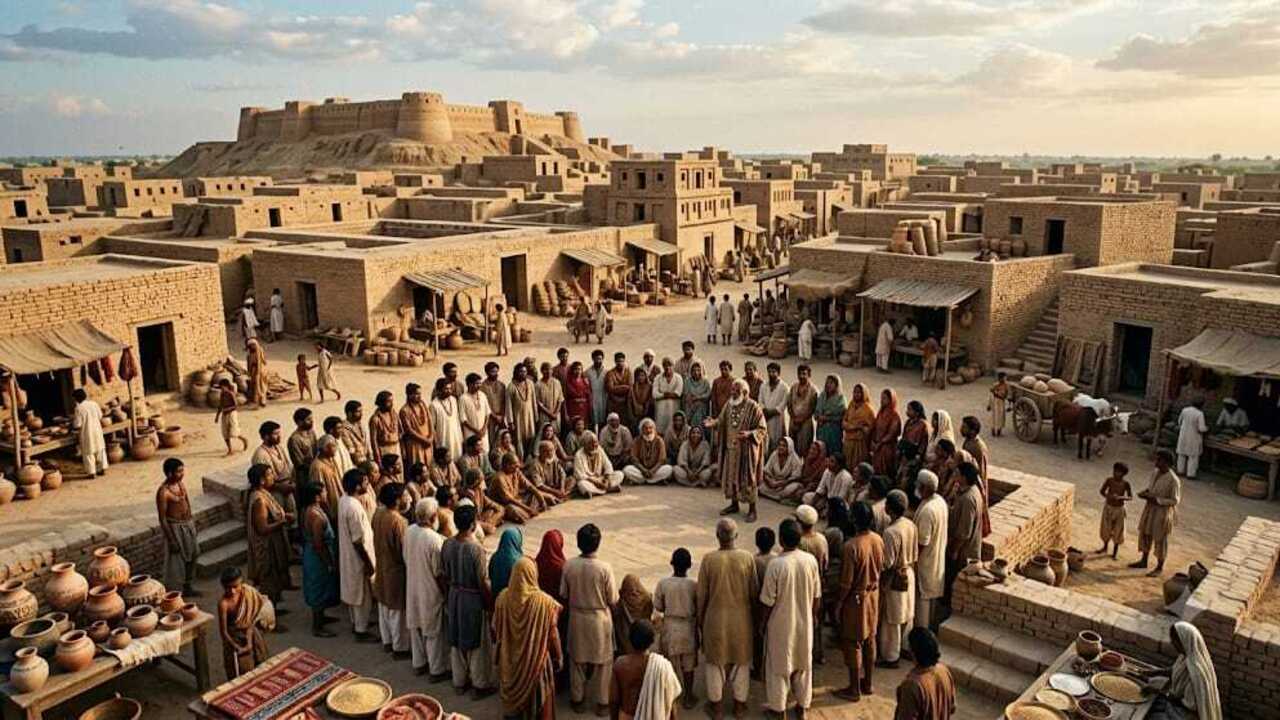
The Indus Valley Civilisation flourished across what is now Pakistan and north-western India, becoming one of the world's earliest urban societies alongside ancient Egypt and Mesopotamia, dating back 4,500 years.
Yet despite building sophisticated cities, extensive trade networks and advanced drainage systems, archaeologists have found scarce evidence that it was ruled by powerful kings or pharaohs.
There’s no evidence of grand royal palaces, monumental statues celebrating rulers or lavish royal tombs.
Archaeologists have found no clear evidence that the civilisation was governed by a single monarch.
Instead, decades of research suggest it may have relied on shared civic institutions, skilled administrators and community cooperation, making it one of history's most intriguing experiments in urban governance.Why archaeologists believe there were no kings that ruled the Indus Valley civilisationMost early civilisations left unmistakable signs of royal authority.