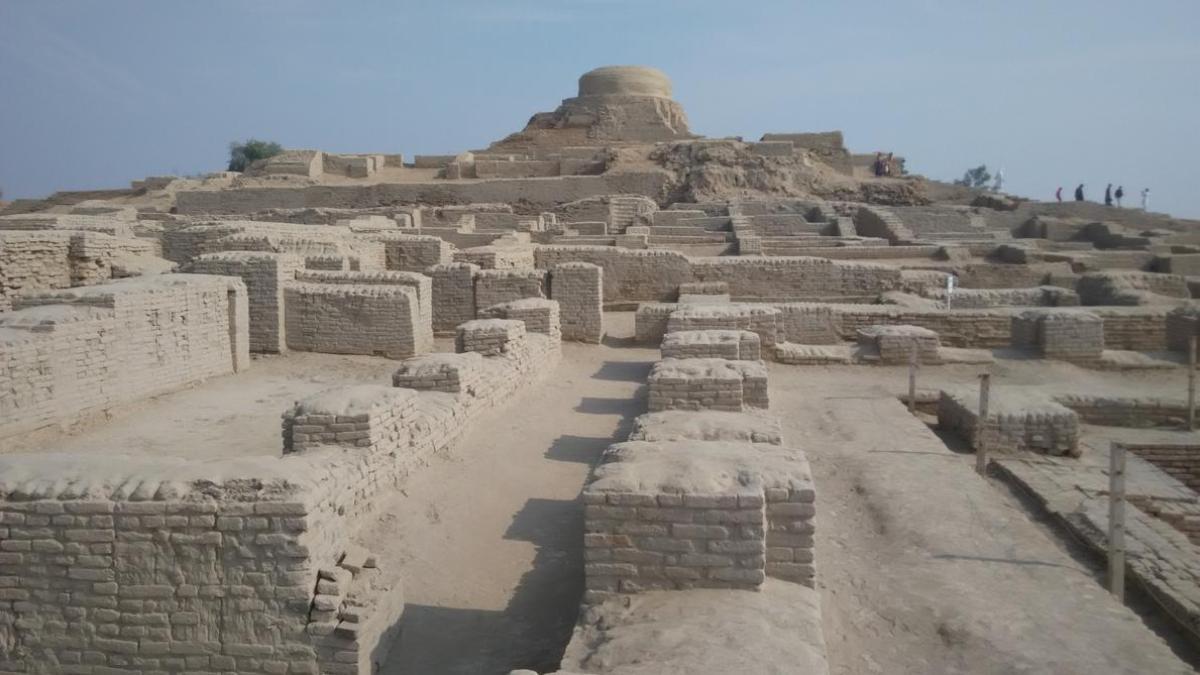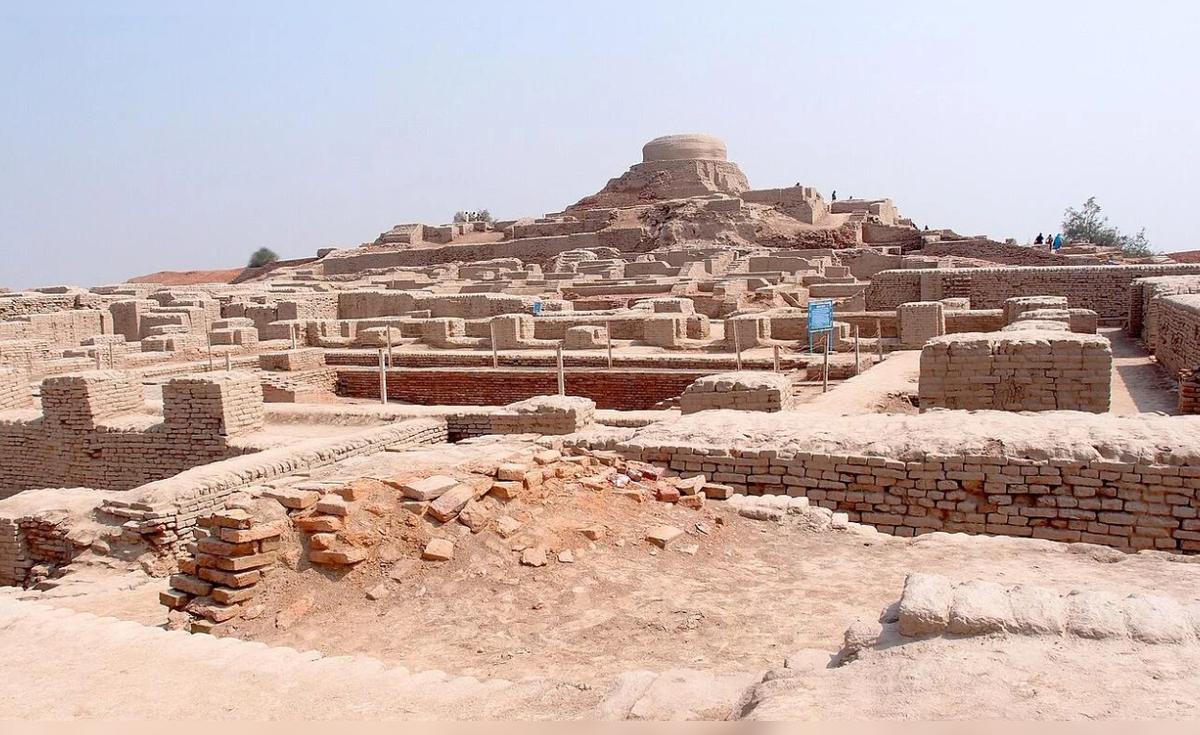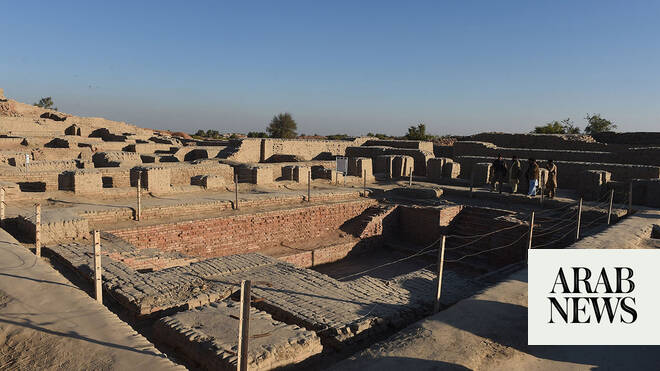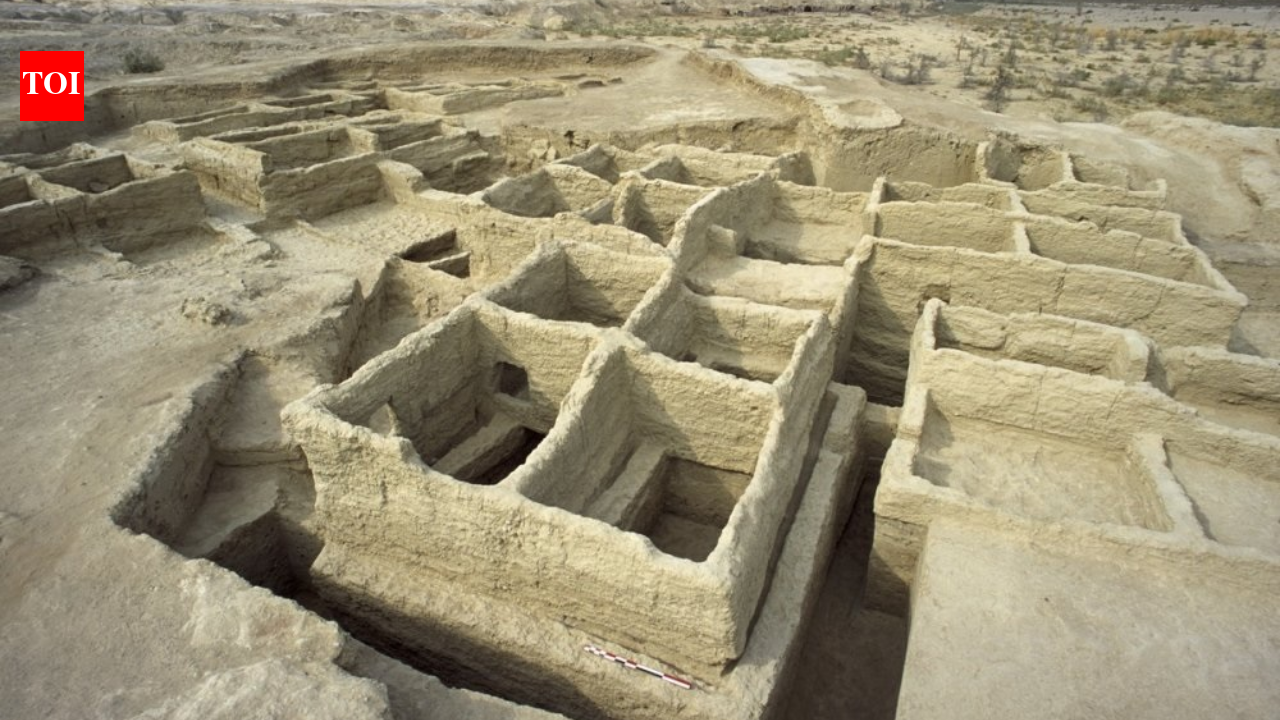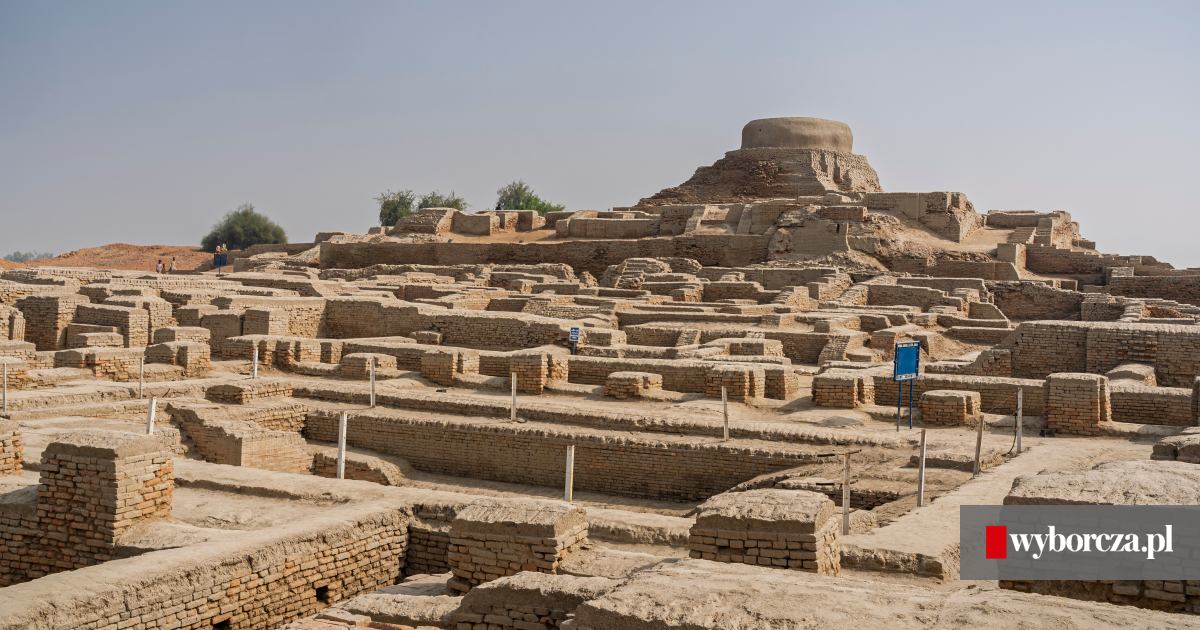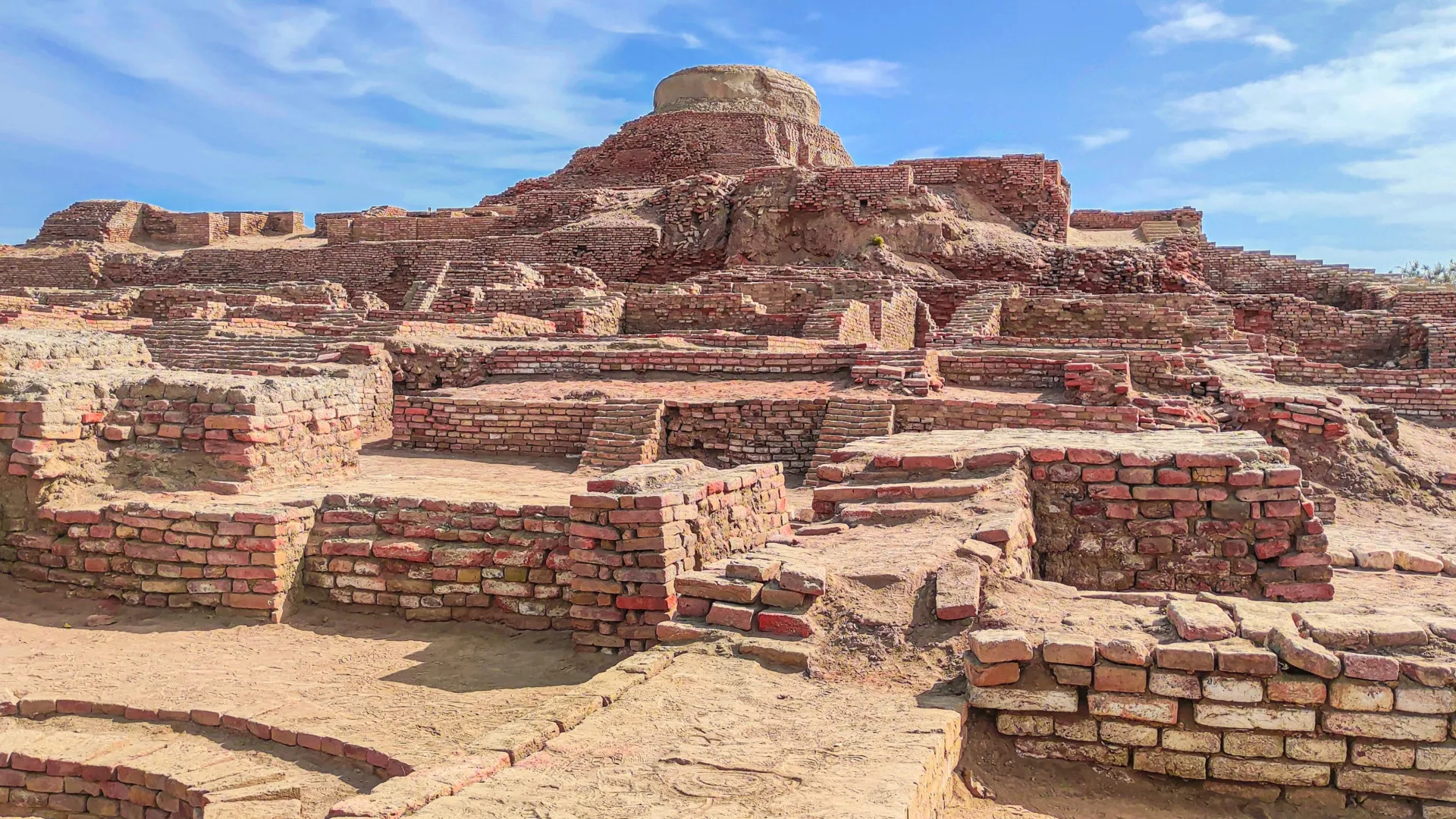
New research suggests that Mohenjo-daro followed a very different path from many other early cities. As the 4,000-year-old urban center became larger, more productive, and more successful, its society appears to have grown more equal rather than less.
Historians have often argued that inequality increased when small farming settlements developed into cities. Under this traditional model, kings, priests, and other powerful leaders gained control of wealth and resources, causing the divide between rich and poor to expand.
An Ancient City That Became More Equal
A University of York study of Mohenjo-daro, the largest city of the Indus civilization, points to the opposite pattern. Researchers examined differences in house sizes across the city and found that wealth became more evenly distributed as Mohenjo-daro matured.
The city also appears to have been more equal than comparable societies in Mesopotamia and Greece. Instead of producing increasingly dramatic differences between wealthy and ordinary households, Mohenjo-daro saw the size gap between its largest and smallest homes become narrower over time.