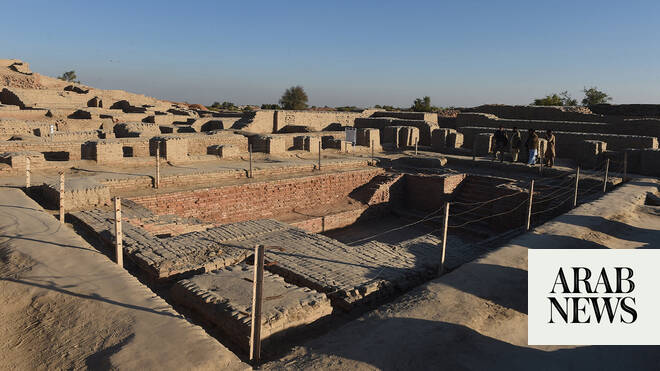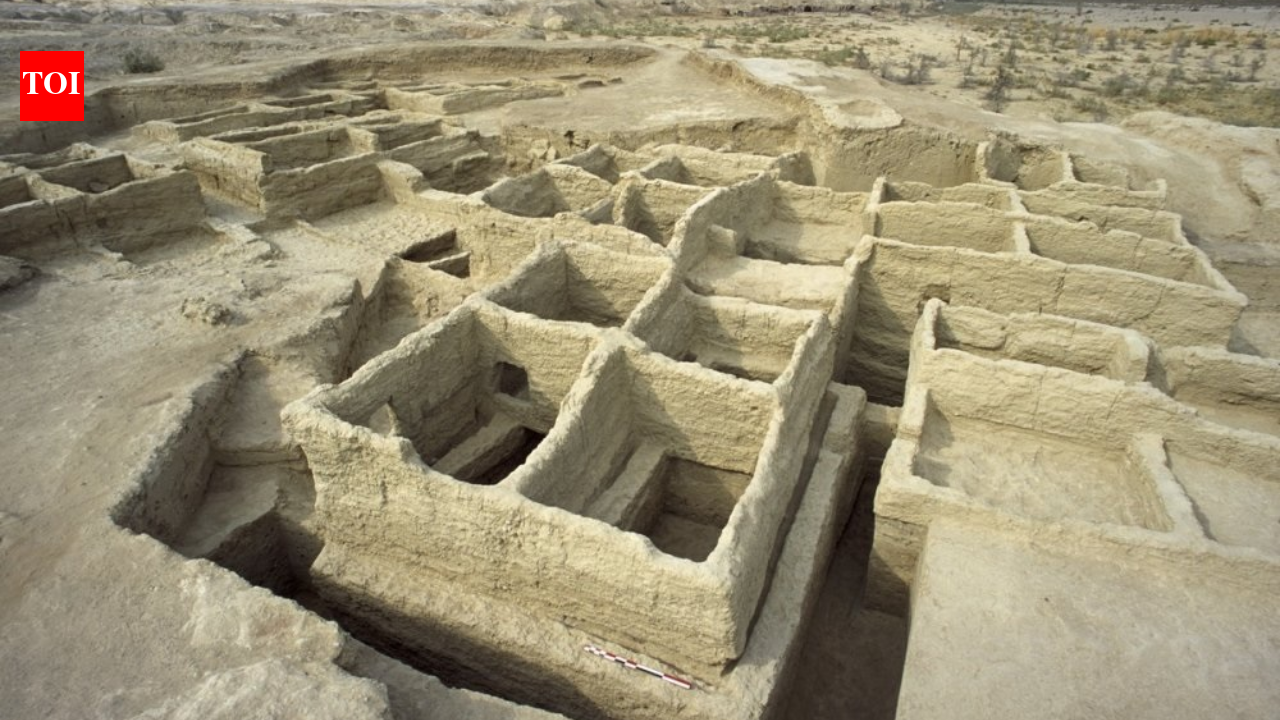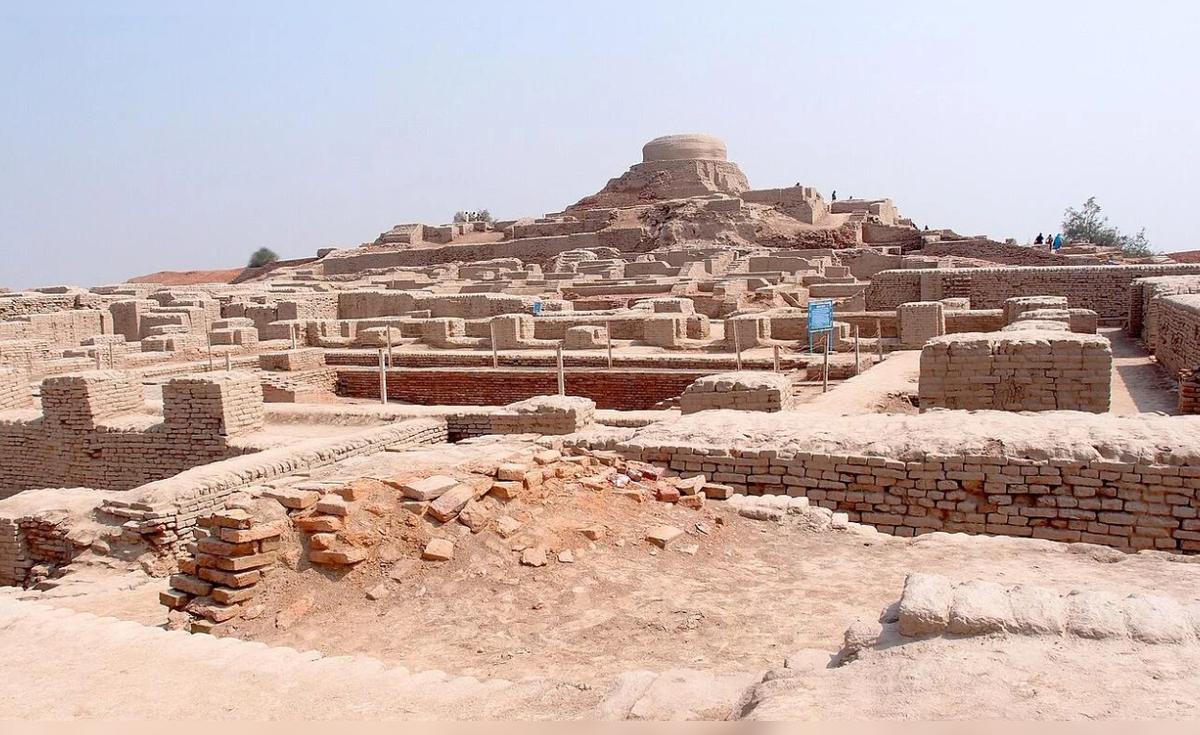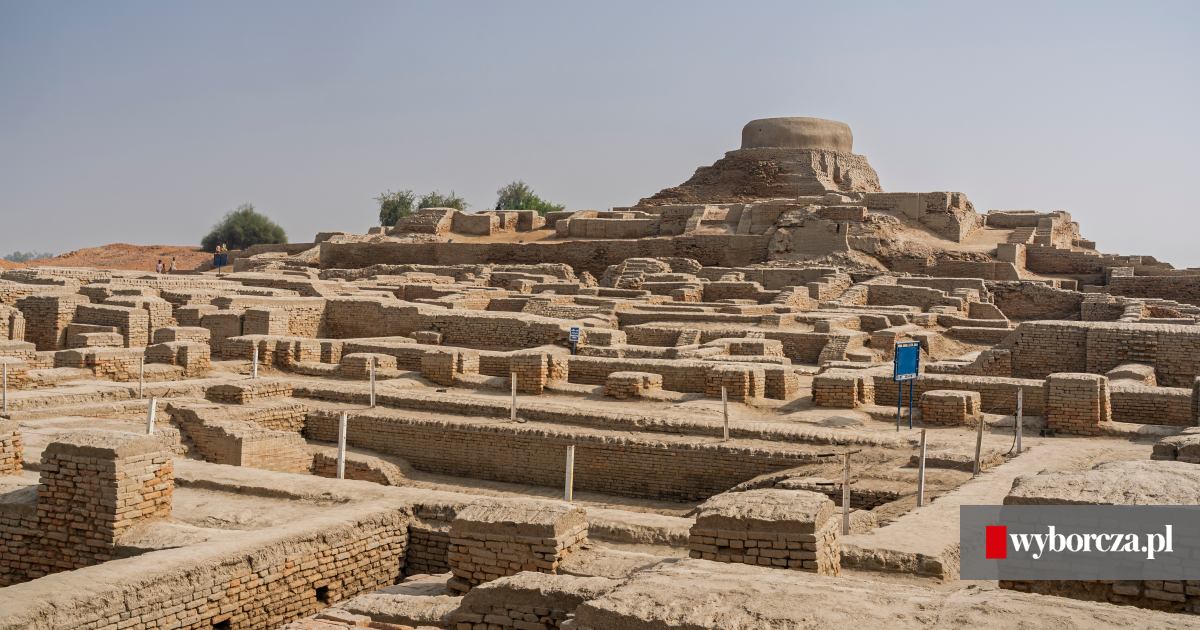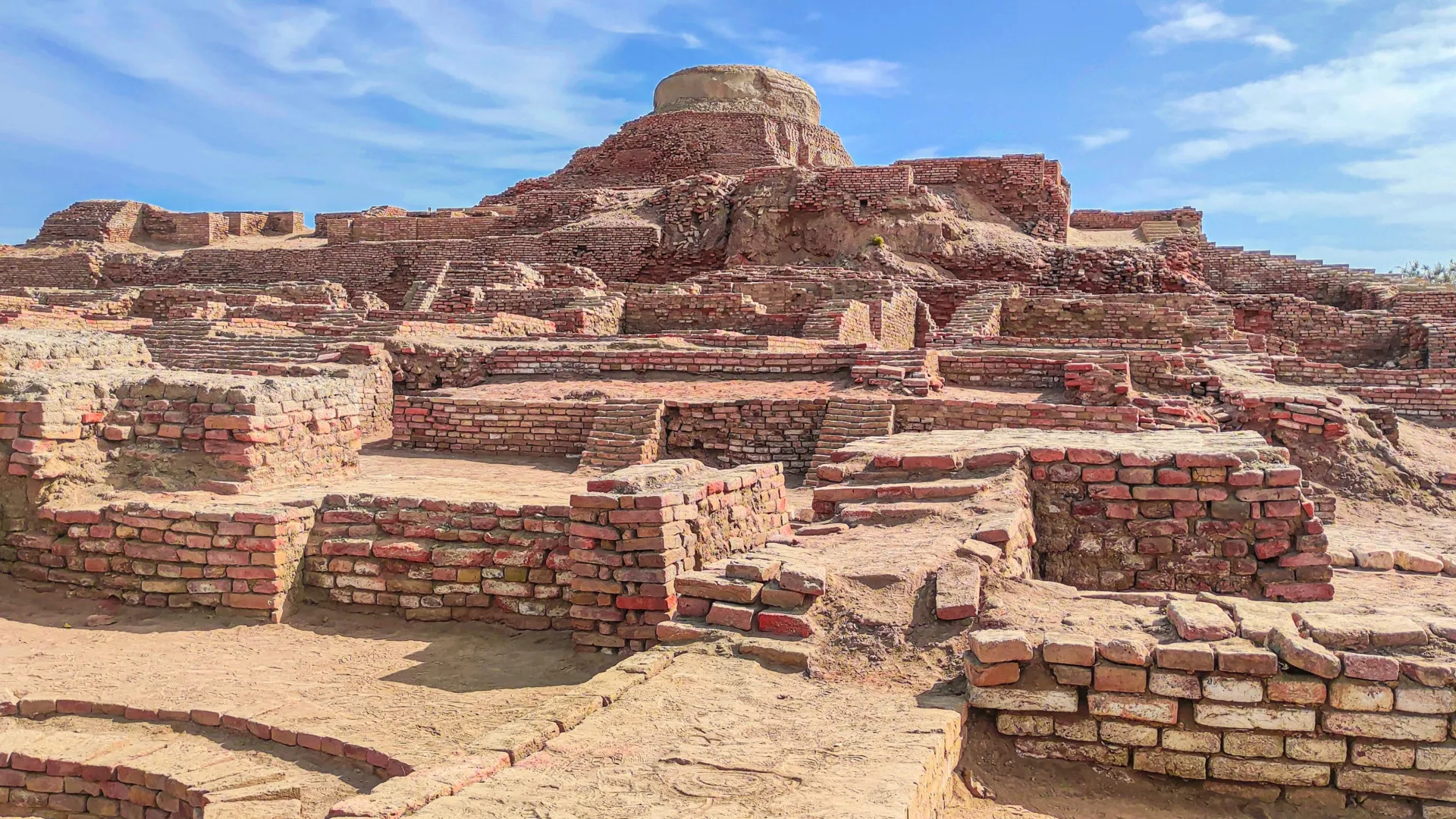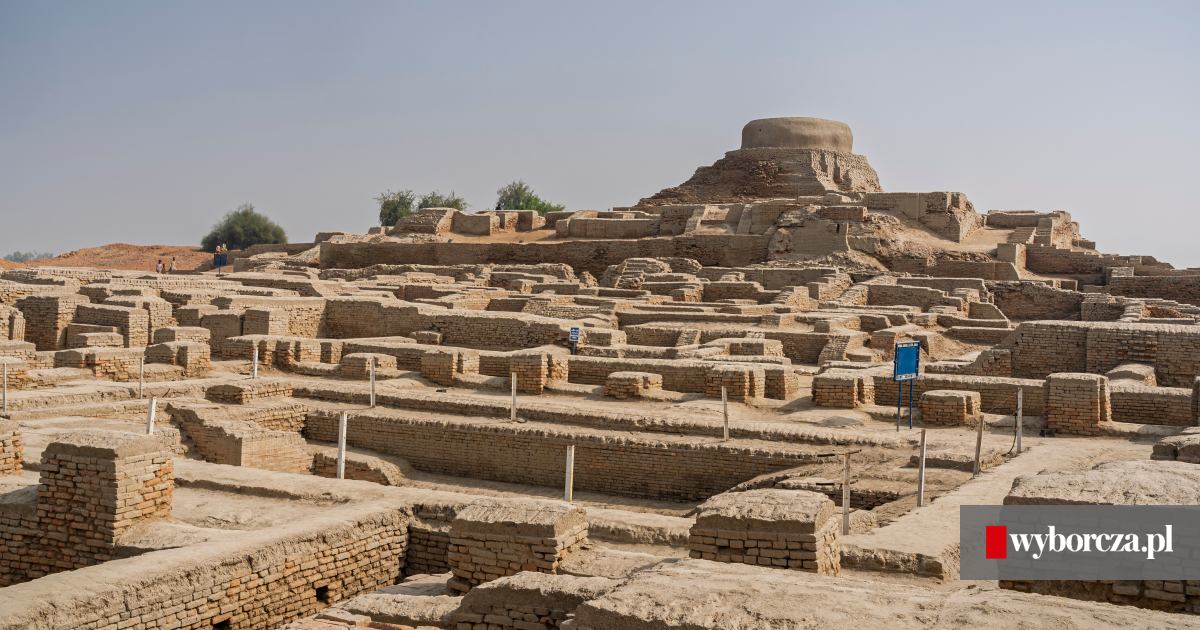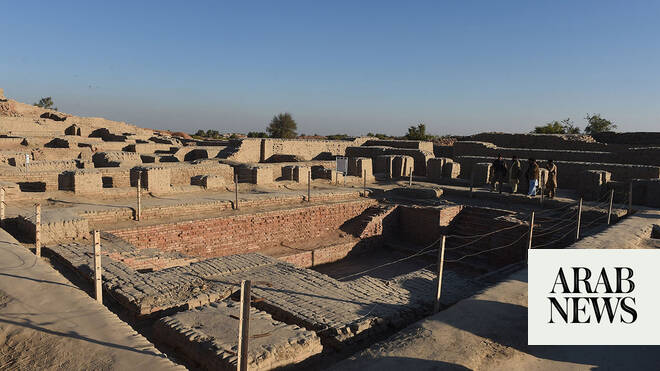
ISLAMABAD: Recent excavations and new radiocarbon dates have confirmed an earlier urban occupation at Mohenjo-daro during the Kot Diji Phase, circa 3300-2600 BC, the Sindh Directorate General Antiquities & Archaeology (DGAA) said on Sunday.
Mohenjo-Daro, a UNESCO World Heritage site in Pakistan’s Sindh province, was a major center of the Indus Valley Civilization. It rivalled contemporaneous cities in ancient Egypt and Mesopotamia, boasting a peak population of 40,000 before its abandonment around 1,900 BC.
A Joint Mission of the DGAA and the Sindh Exploration & Adventure Society, or SEAS Pakistan, carried out fresh excavations in 2025–26, led by Pakistani archaeologists Dr. Asma Ibrahim and Ali Lashari along with Dr. Jonathan Mark Kenoyer from University of Wisconsin and a team of scholars and students from various universities in Sindh and the US.
The DGAA said new excavations at the plain level to the west of the famous Stupa Mound have provided five new radiocarbon dates for a massive mudbrick perimeter wall of the city, which was first discovered by Sir Mortimer Wheeler in 1950 but “misidentified” as a revetment built to protect the city from flooding.
“The main focus of the excavations was to delineate the overall plan and chronology of the mudbrick city wall that surrounds the western Stupa Mound. Wheeler’s 1950 excavation and drawings show that this wall was built in many phases and the earliest structure was built on top of an even earlier occupation deposit,” the DGAA said in a statement.