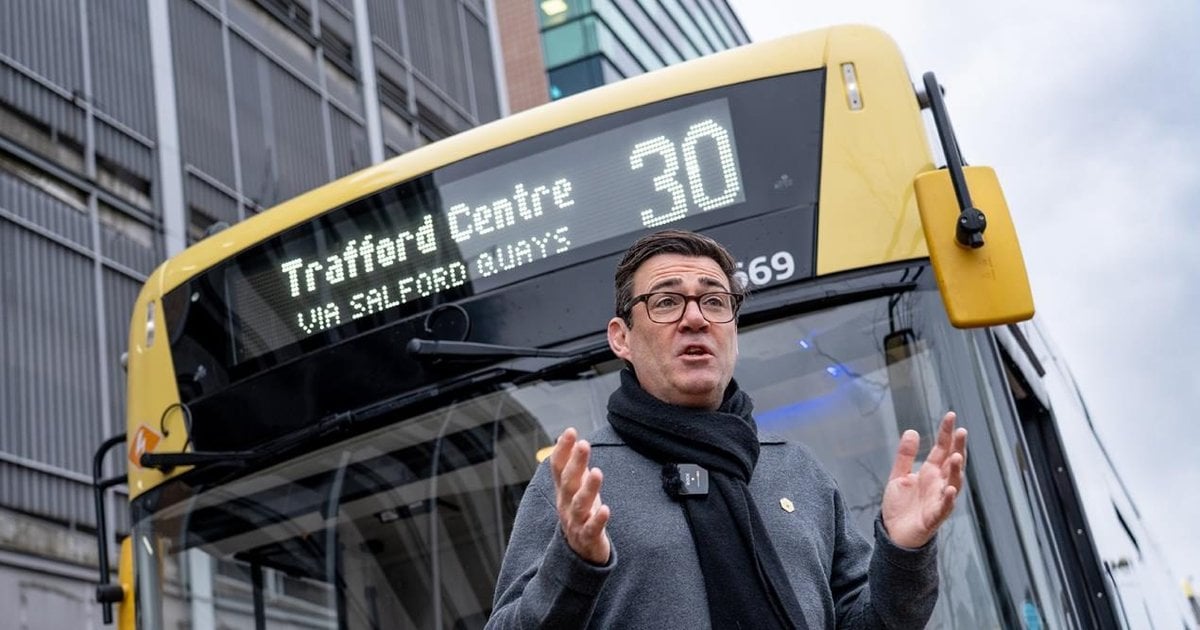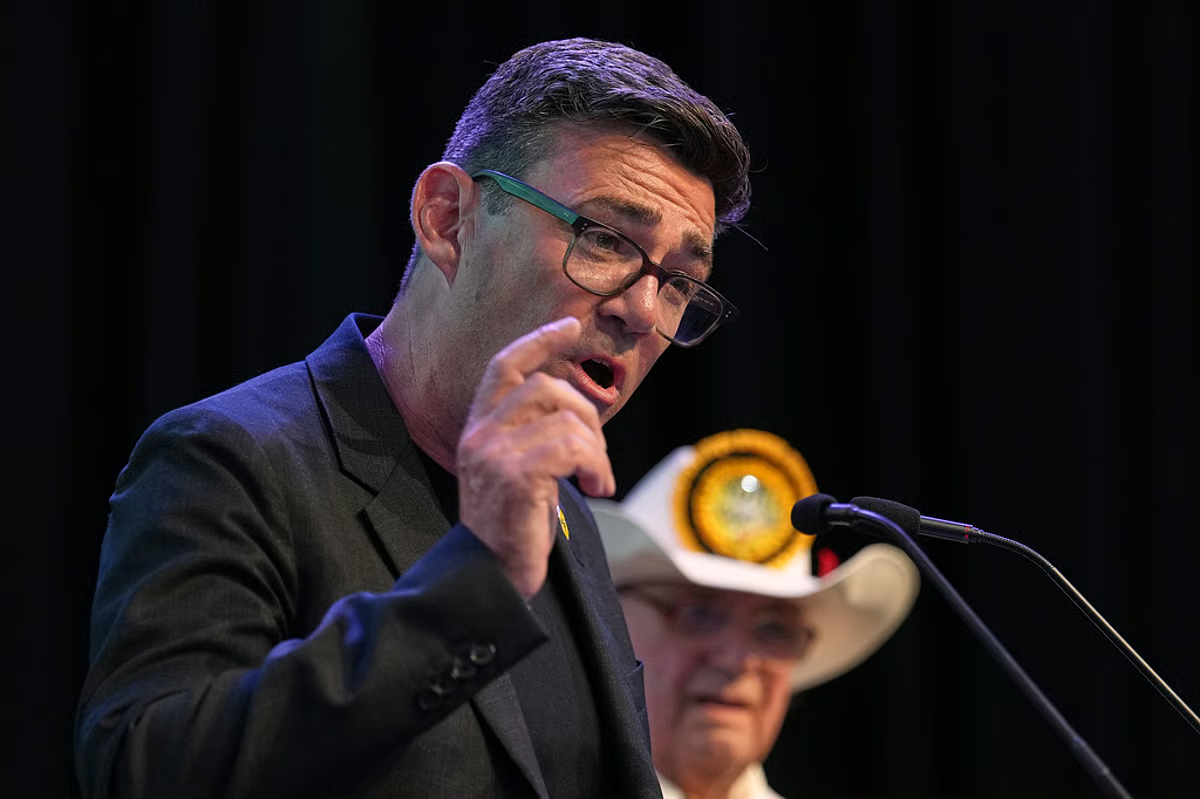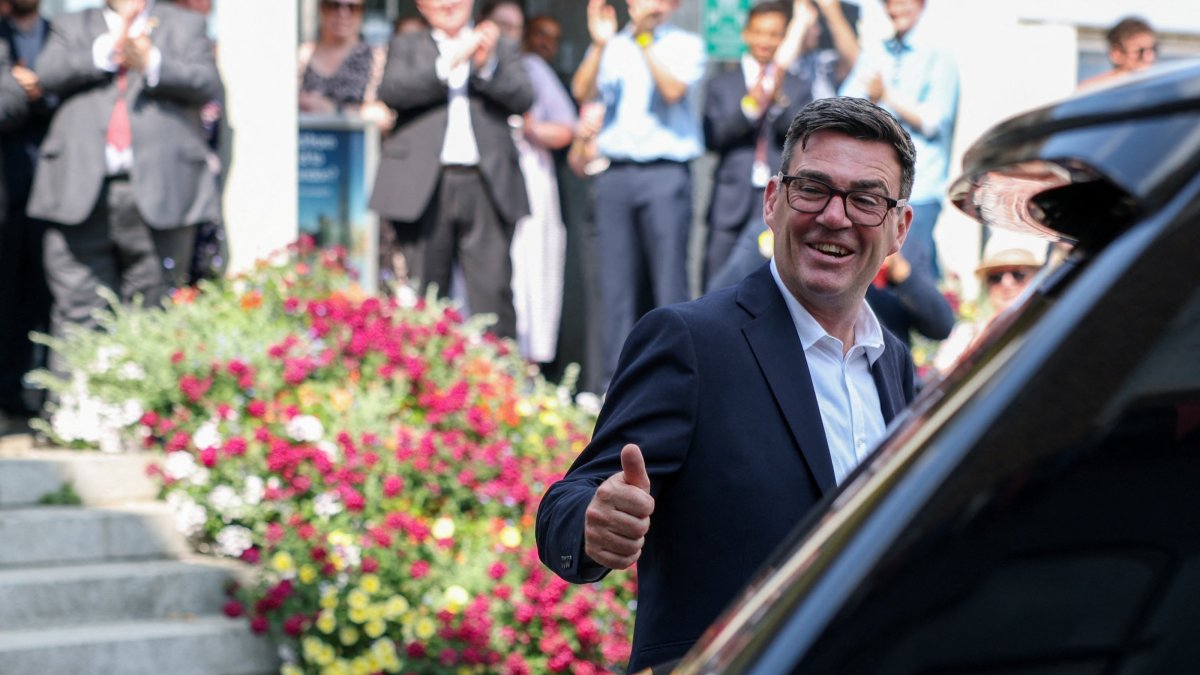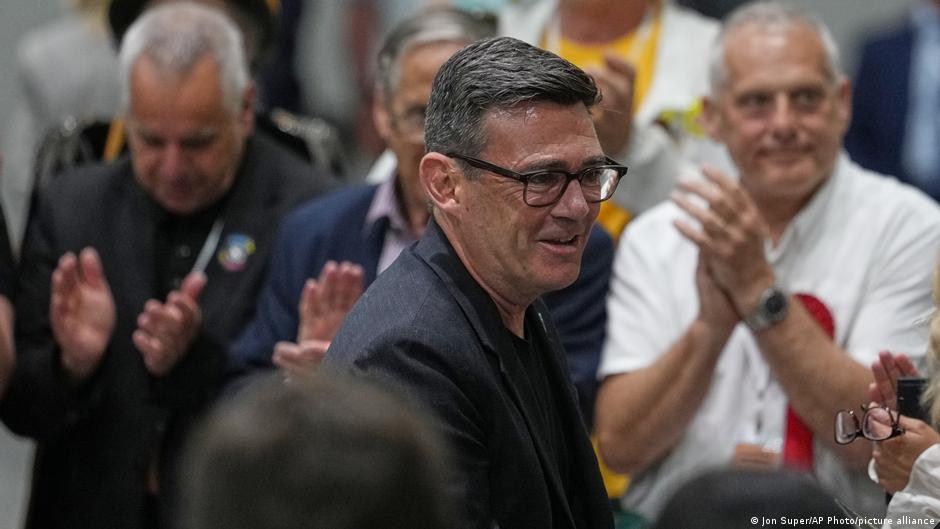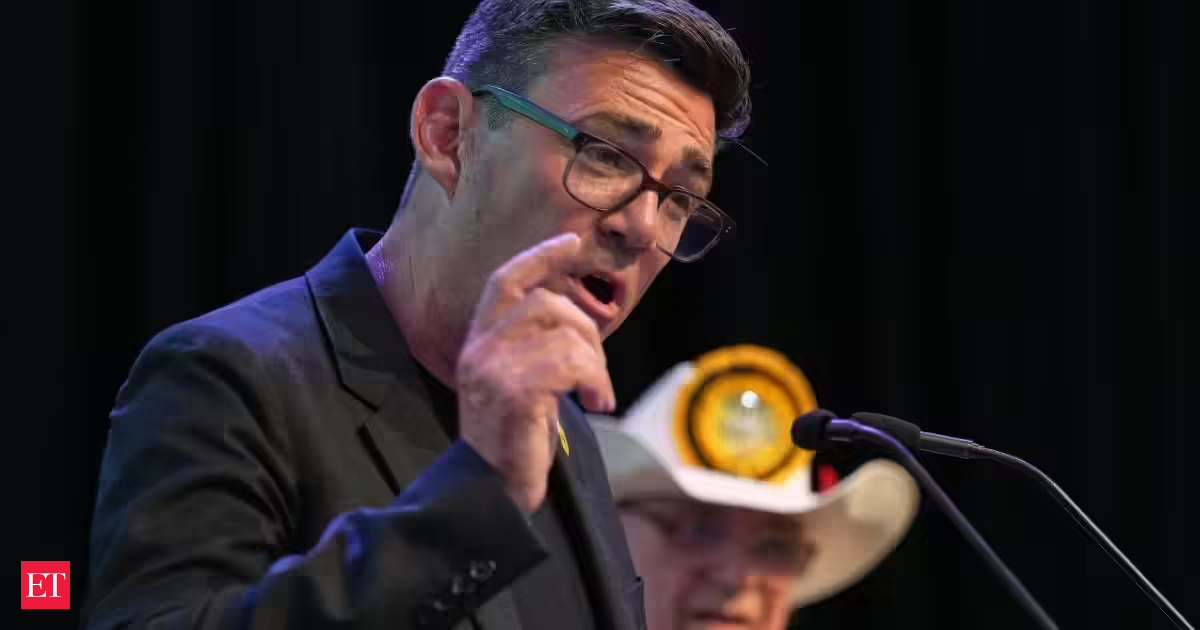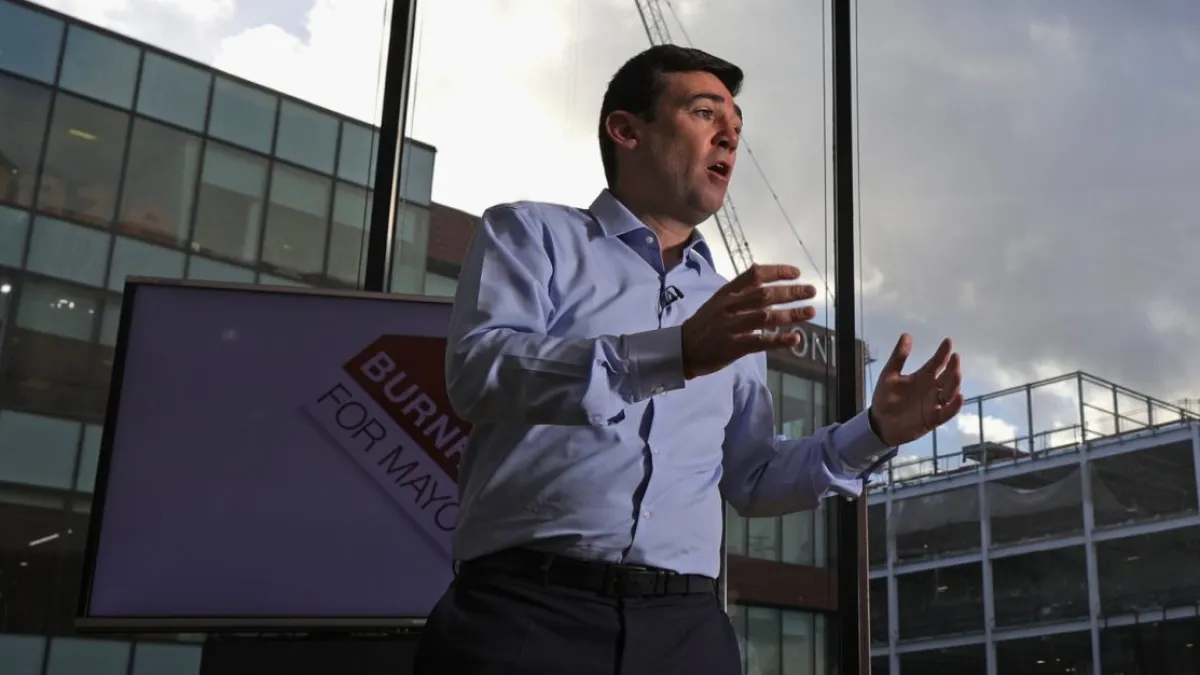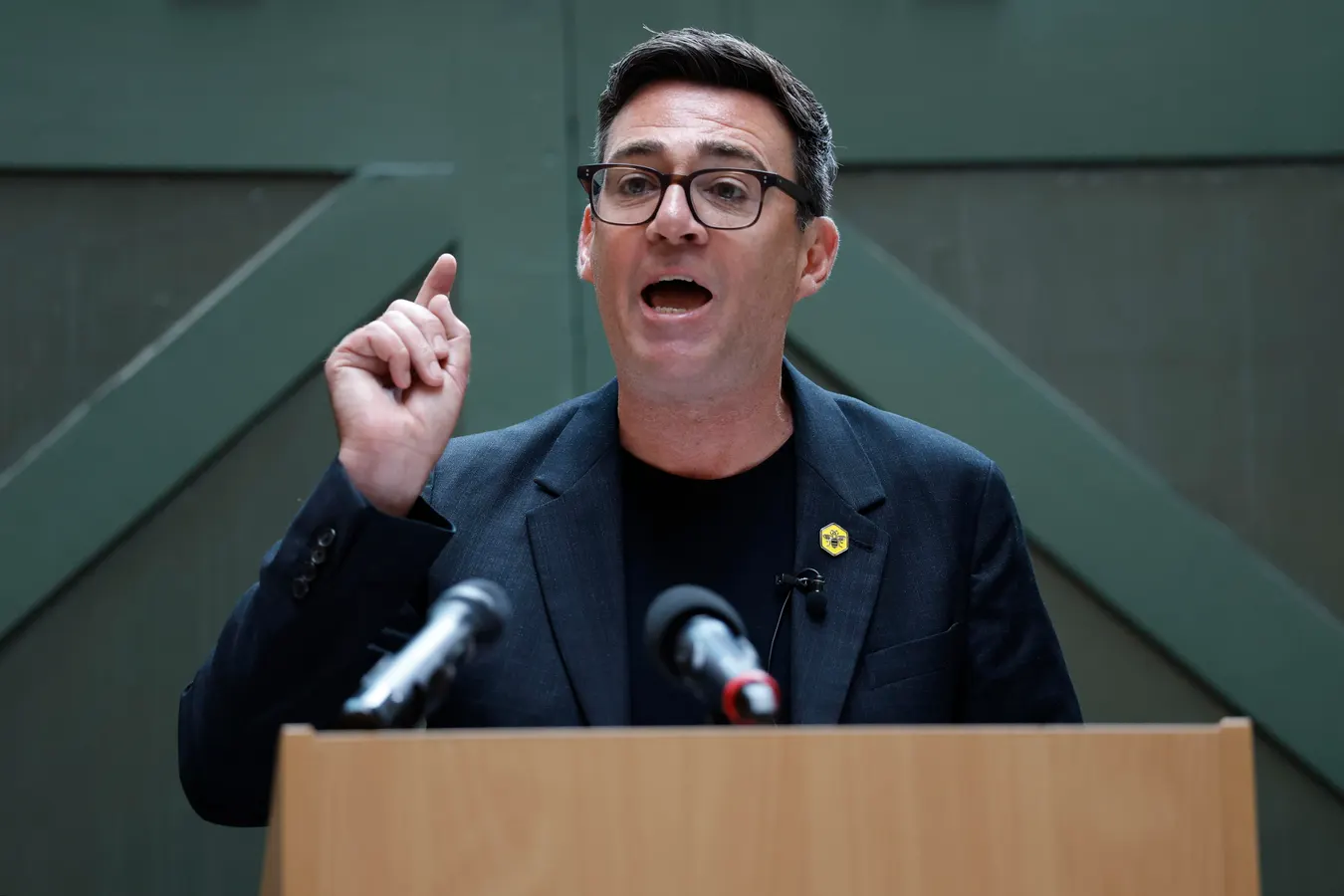
(Photo by Jeff J Mitchell/Getty Images)Getty ImagesBritain has a new Prime Minister. Andy Burnham, until last month the Mayor of Greater Manchester, now sits in Downing Street. As with any change of leadership, the immediate commentary has focused on personnel, on politics, on who's in and who's out. That's understandable. But for those of us who spend our time thinking about how capital gets mobilised toward climate and nature outcomes, the more interesting question is a different one: what does a decade of Burnham's governing record in Greater Manchester tell us about how he might approach the sustainable finance agenda now facing the Treasury? It's a question worth careful consideration, because the record is mixed. Burnham leaves Greater Manchester in a stronger position on economic and transport measures, with a clearer policy framework than existed when he took office. Bus re-nationalisation through the Bee Network is the standout example: a rare case of a UK city region successfully reclaiming public control over an essential service and using that control to redesign it. But whether growth genuinely reached the post-industrial towns he promised to help remains a harder, more open question. Real institutional achievement paired with an unresolved distributional problem maps quite nicely onto where UK sustainable finance now sits. We have taxonomies in development, disclosure regimes bedding in, and a Green Financing Framework issuing gilts. What we don't yet have is proof that any of it reaches the places and people who need it most. A Burnham premiership has a genuine opportunity to close that gap. Here are five places I'd watch. 1. Place-based climate investment Burnham's defining contribution as mayor was his approach to finding solutions, which work for places. The sustainable finance equivalent is city-regional transition funds: capital vehicles that let combined authorities direct green investment toward their own decarbonisation and adaptation priorities. Expect renewed pressure for devolved green investment powers, which might manifest as borrowing authority, retained business rates tied to green outcomes, or mayoral-level control over slices of national climate funding. There's also an underexplored angle here: adaptation and insurability. Flood risk, heat stress and water stress are increasingly local problems with local financial consequences (insurance retreat, falling property values, stranded infrastructure). A place-based conversation about adaptation finance, with insurers, asset owners and local government, is exactly the kind of institutional innovation Burnham has shown an appetite for. MORE FOR YOU2. Mobilising institutional capital Blended finance, using public capital to de-risk and crowd in private investment, was central to how Greater Manchester approached housing and regeneration after the original model proved unworkable. That same logic sits at the heart of the National Wealth Fund's mandate. Expect Burnham's Treasury to lean harder into NWF partnerships as the delivery mechanism of choice with a more local flavour, particularly where private capital is currently sitting on the sidelines waiting for demonstrated de-risking. 3. Financing the real-economy transition This is where "sustainable finance" stops being an abstract concept and becomes about retrofitting houses, electrifying transport and ensuring grid connections. Burnham's record here is operational rather than rhetorical: transport electrification, an active housebuilding programme, and direct experience of the practical, unglamorous financing bottlenecks that stall real-economy transition at scale. Four areas stand out as likely priorities: home retrofit finance (still under-scaled relative to the size of the task); clean transport, building on the Bee Network template as a proof of concept for other regions; energy infrastructure, particularly grid capacity, which increasingly determines whether transition finance can actually be deployed; and industrial decarbonisation, where Greater Manchester's own industrial heritage gives Burnham a more visceral sense of what's at stake for manufacturing regions than a purely financial-centre view of transition would supply.4. Maintaining UK sustainable finance leadership None of the above matters if the underlying market infrastructure stalls. The UK's sustainable finance regime (the forthcoming UK Sustainability Reporting Standards, transition plan disclosure frameworks, ESG ratings regulation) has been years in the making and is still not fully landed. Regulatory certainty coupled with collaboration with the City to unblock transition finance, nature and carbon markets is not a nice-to-have; it's the precondition for the institutional capital mobilisation described above. Any perception that a new government might deprioritise or dilute this work would be read by markets as a signal, and not a good one. There's also a genuine international opportunity, and it runs through Ed Miliband. His move to the Foreign Office gives climate diplomacy a seat at one of the three great offices of state, at the exact moment the UK is preparing to take over the G20 presidency in 2027, following the US presidency in 2026. A UK G20 agenda that credibly links sustainable finance, debt and climate-vulnerable economies to the domestic transition-finance agenda would be a rare moment of alignment between foreign policy and Treasury policy and one this government would be unwise to leave unclaimed. 5. Linking net zero to growth and the cost-of-living crisisThis is arguably the most politically important intersection of the five, and the one where Burnham's instincts may matter most. Sustainable finance has too often been framed, and defended, in its own technical terms disconnected from the question that actually decides its political survival: does it make people's lives better and cheaper?Burnham's political brand as mayor has rested on translating structural reform into visible, everyday benefit, such as cheaper, more reliable buses; homes people could actually get into. Applied to sustainable finance, that means energy security and reindustrialisation aren't separate from net zero, they're delivered through it; that regional productivity gains are the point of transition finance, not a side effect; and that cost-of-living relief (from insulated homes to cheaper, more secure power) is the frame in which this entire agenda needs to be sold, or it risks going the way of other technocratic reforms that lost their public mandate.The opportunity None of this is guaranteed. All of us are human, as Burnham's own record in Greater Manchester shows: strong on transport and institutional change, weaker on ensuring growth reached the towns that needed it most. But that same record is precisely why this moment is worth watching closely. A Prime Minister who has already demonstrated, at regional scale, how to use public power to redraw the rules of a market as well as seen up close where that approach fails to reach the periphery, is arguably better positioned than most to correct sustainable finance's own version of the same problem: a decade of progress concentrated in the City, in regulatory frameworks and market infrastructures, that has yet to convincingly reach the towns, households and industrial regions that need it most. Under Burnham, there is a real opportunity to build a sustainable finance ecosystem that delivers climate, nature and economic benefits for people.
What Andy Burnham’s Manchester Record Could Mean For UK Sustainable Finance
Andy Burnham’s Manchester record reveals what his leadership could mean for UK sustainable finance, climate investment and regional growth
1,117 words~5 min read