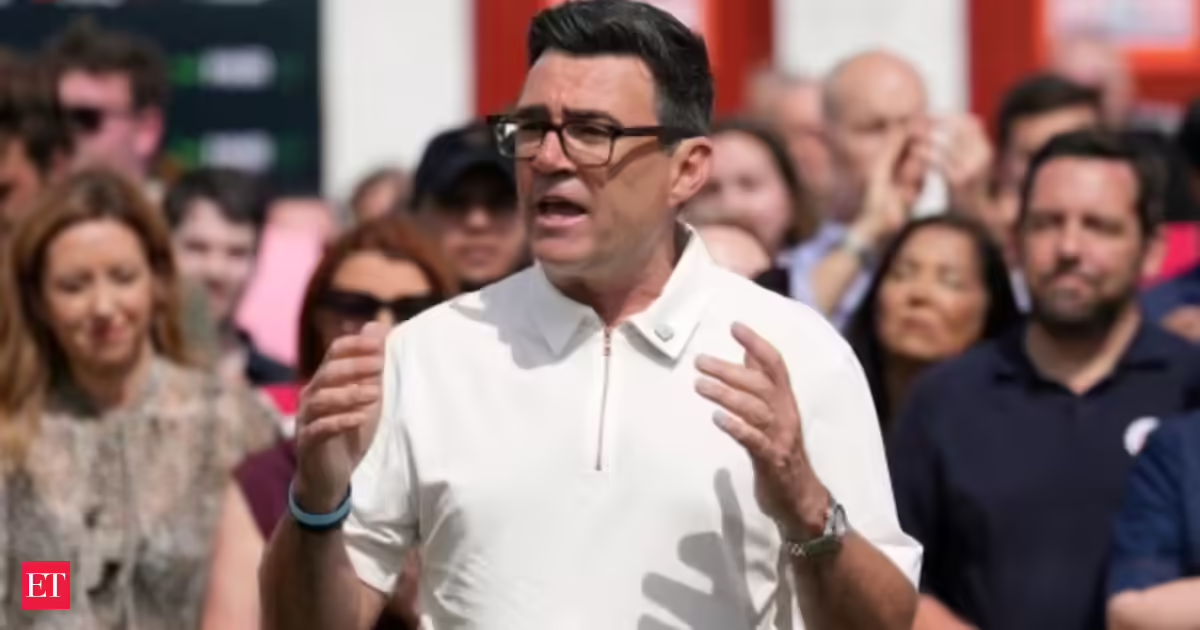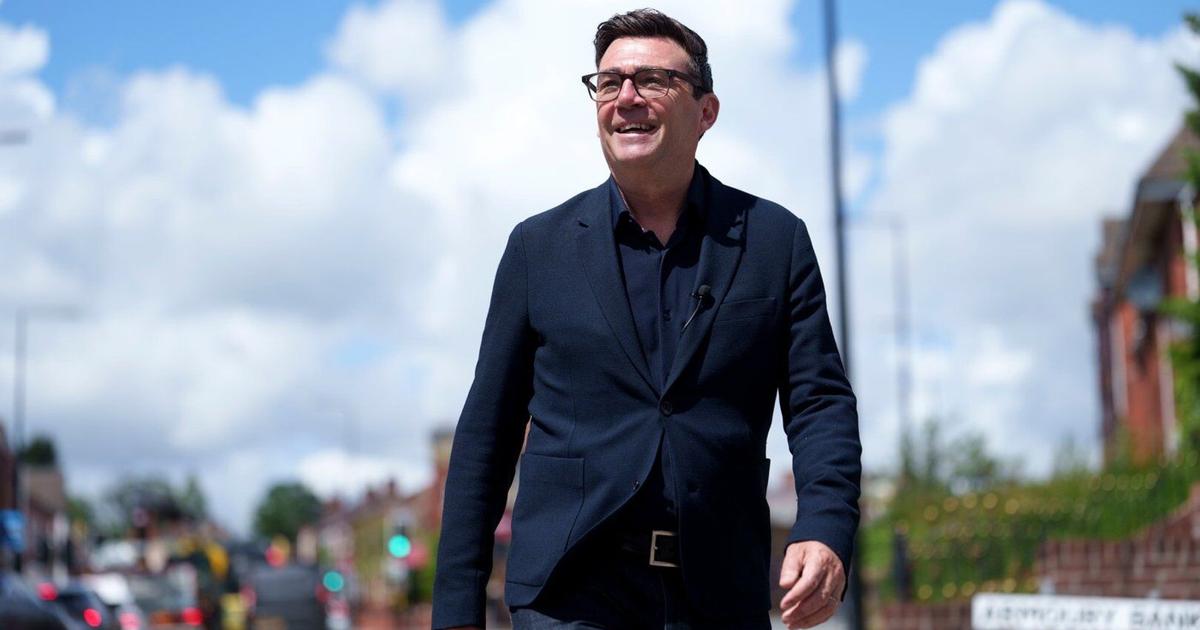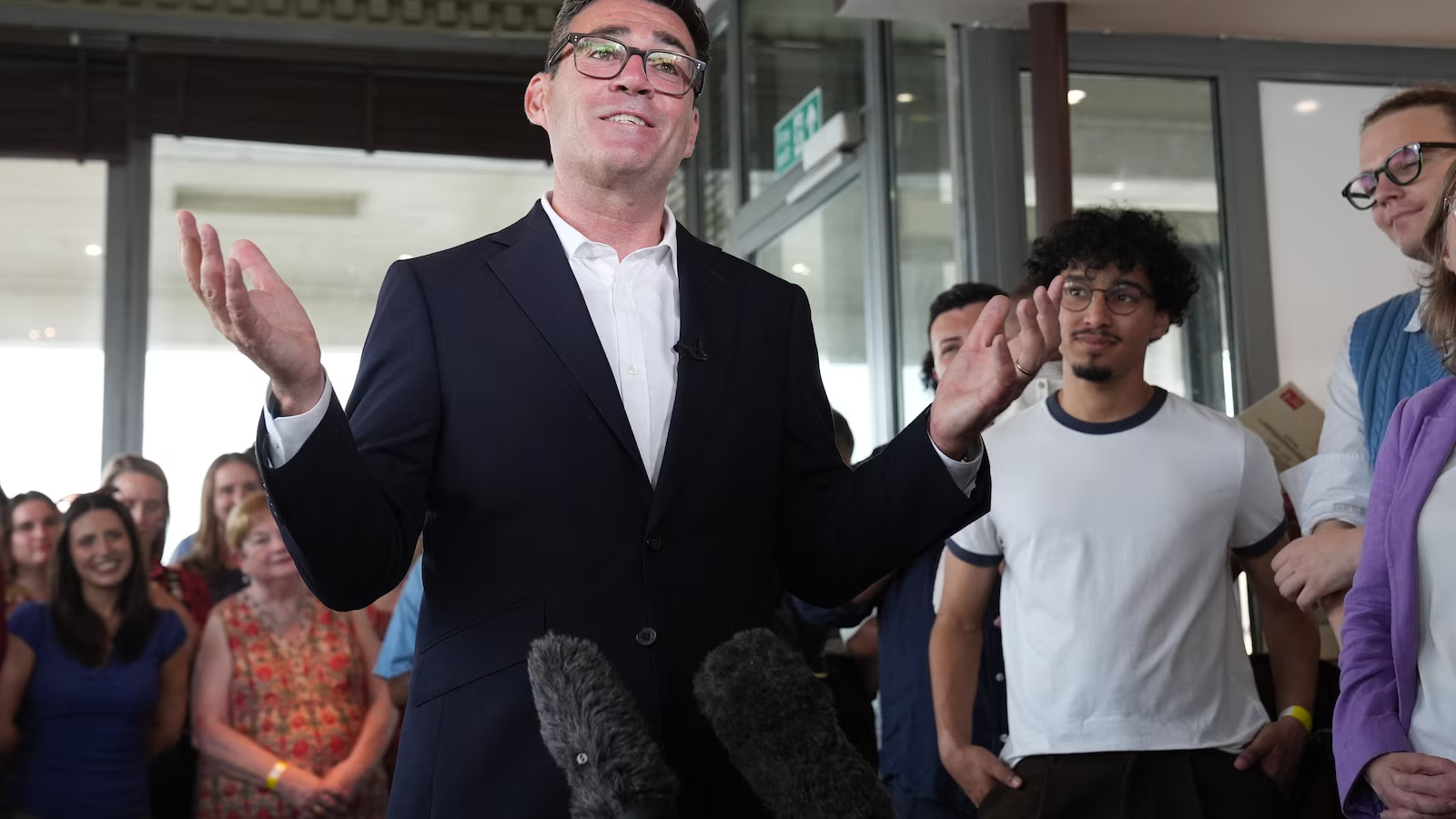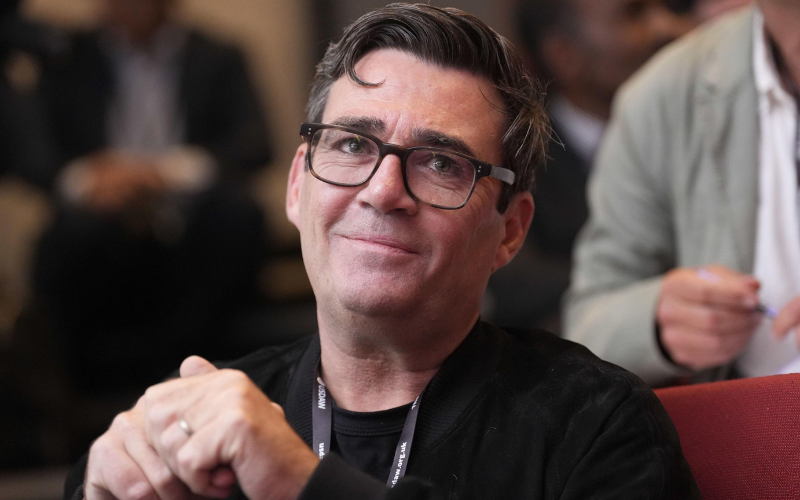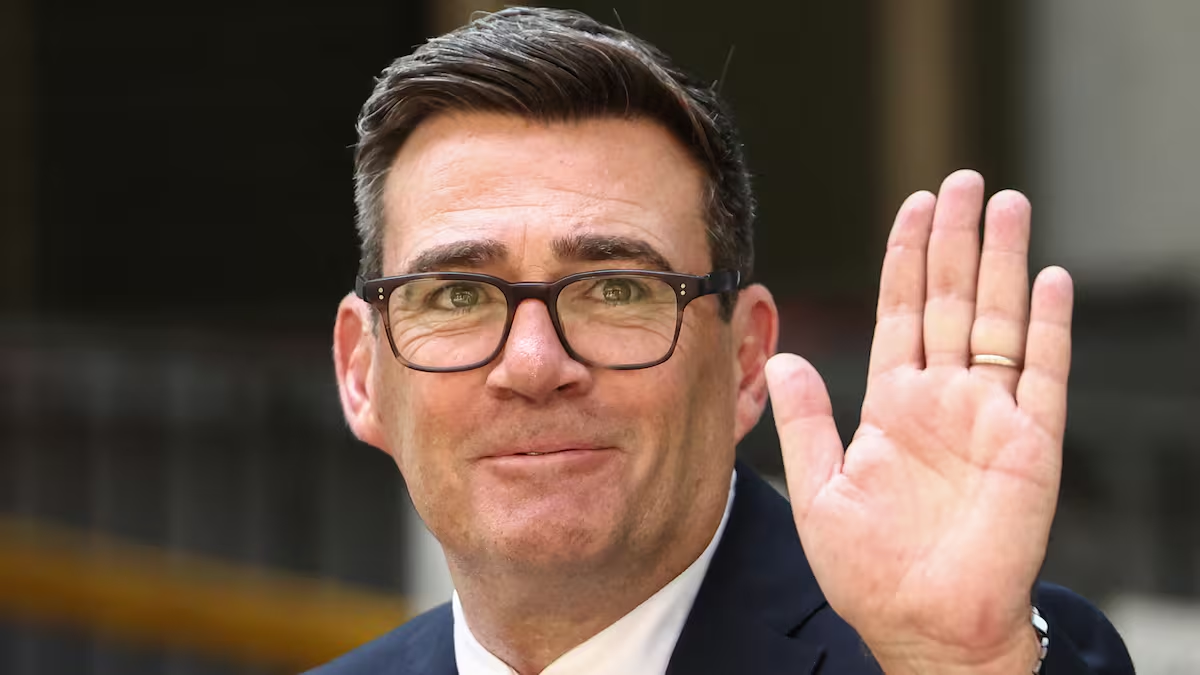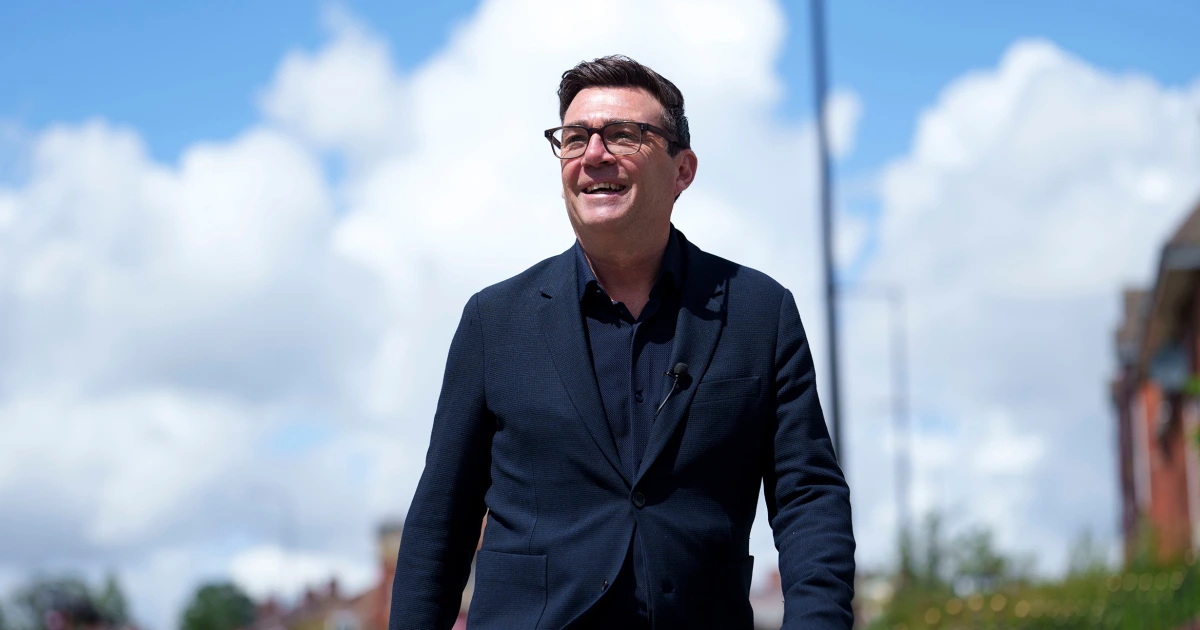
Andy Burnham's political stage has so far been limited to the Manchester region in northern England. There he spent nine years as the city's mayor, earning himself the nickname "King of the North." Under his leadership, the local economy grew faster than the national average while poverty declined in the city's inner districts.
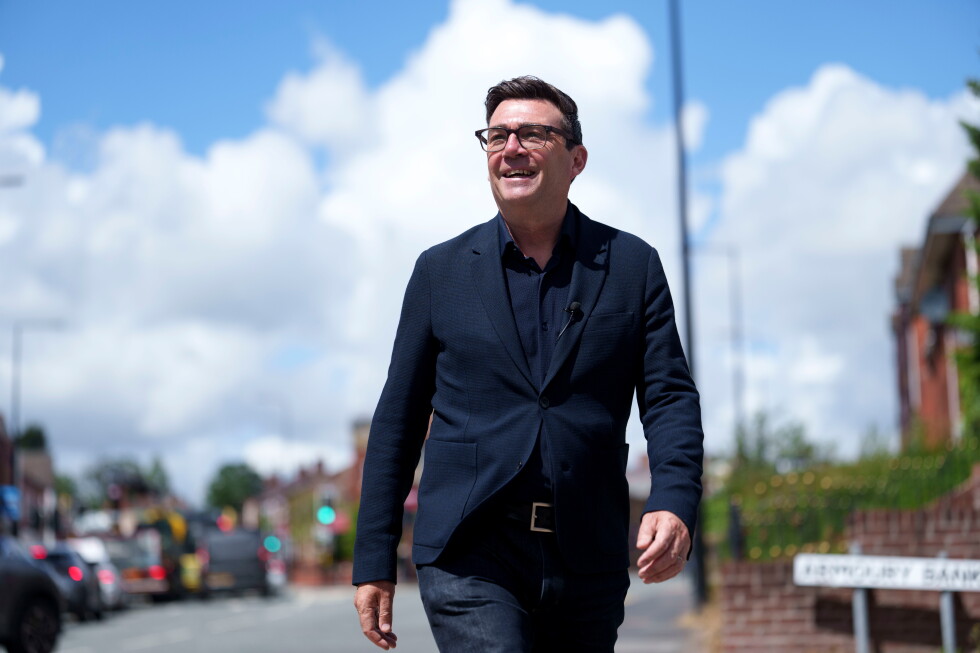
Burnham has cultivated an approachable image. He is often seen wearing dark T-shirts and jeans, with simple black-framed glasses that look more functional than fashionable. His relaxed manner and quick wit have made him popular across northern England, where he recently won a parliamentary by-election by a landslide, securing a seat in the House of Commons.
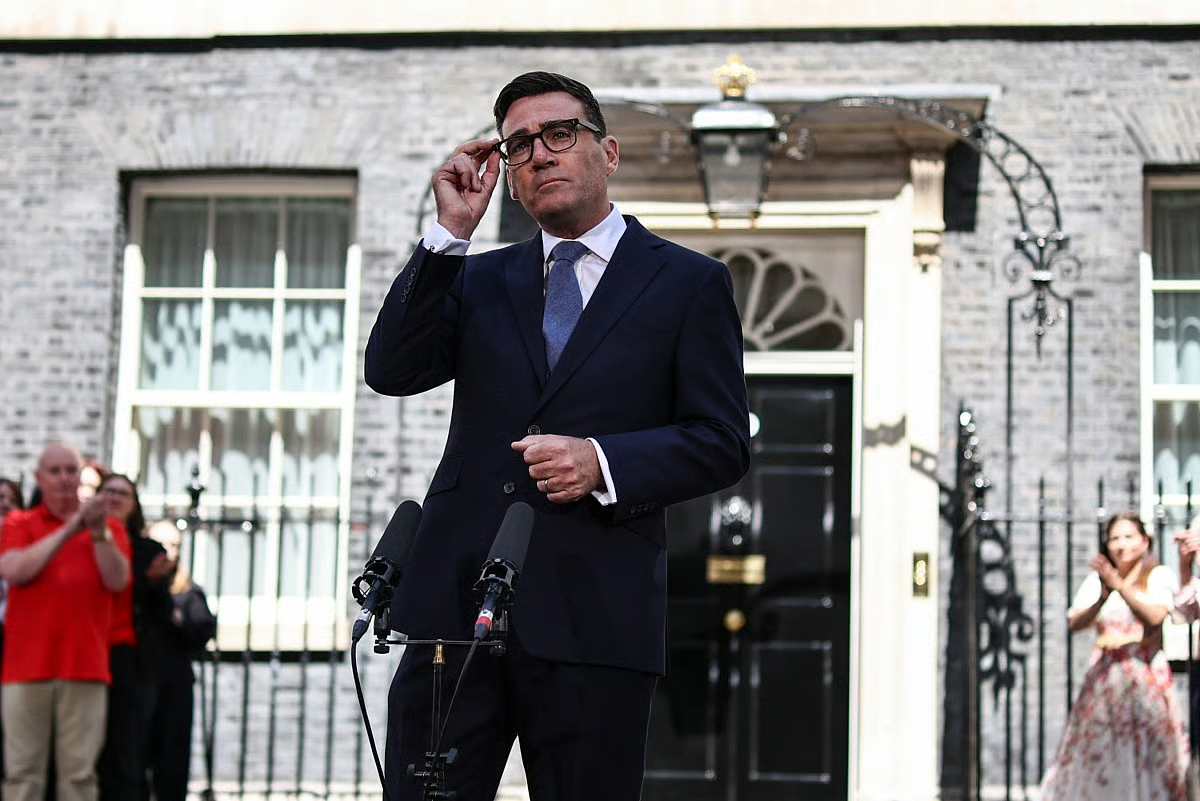
On Monday, July 20, following his appointment as Labour Party leader, he will move into Downing Street as prime minister, replacing Keir Starmer after just two years in office. Nearly all Labour MPs back him, hoping he can halt the rise of Nigel Farage and his anti-immigration, right-wing populist party, Reform UK.
Now a new chapter begins for the "King of the North." Foreign policy has played only a minor role in his career until now, but he must quickly establish himself as an international player.
"I don't know him," US President Donald Trump said recently when journalists asked about Burnham, adding that he believed he was "the mayor of a small city." Burnham, however, can hardly afford to dwell on the dismissive remark, given the long list of foreign policy challenges that awaits him.