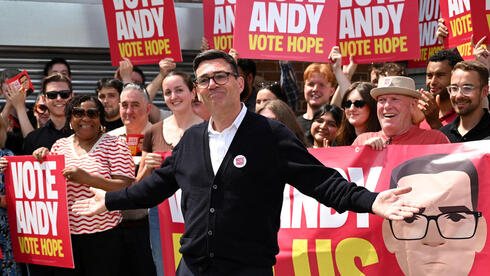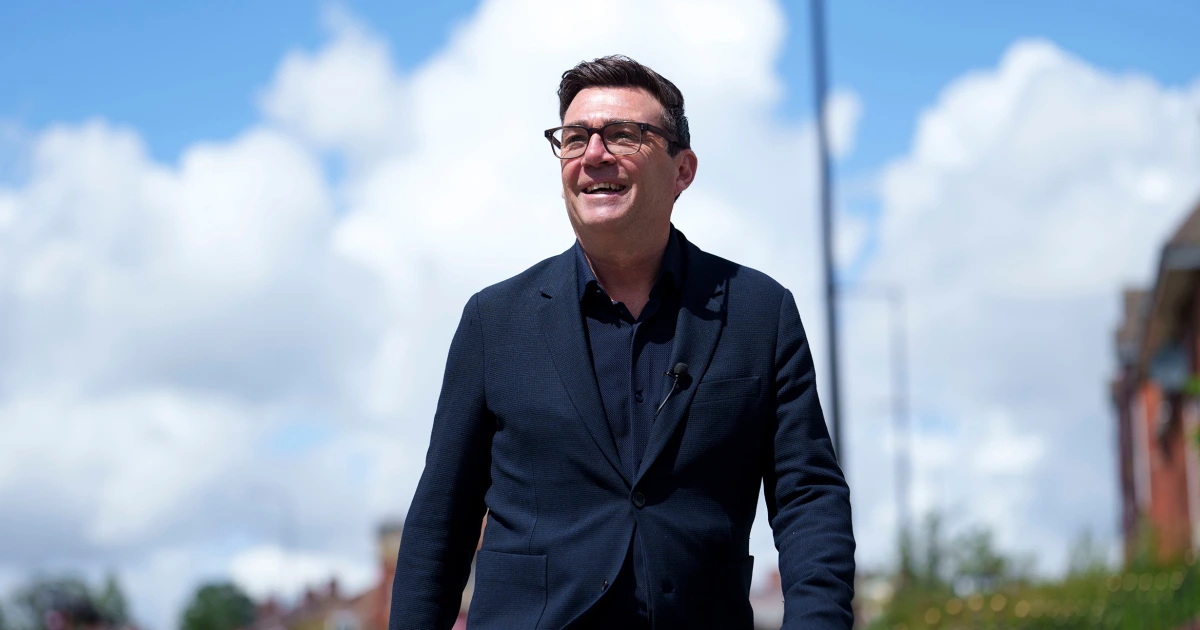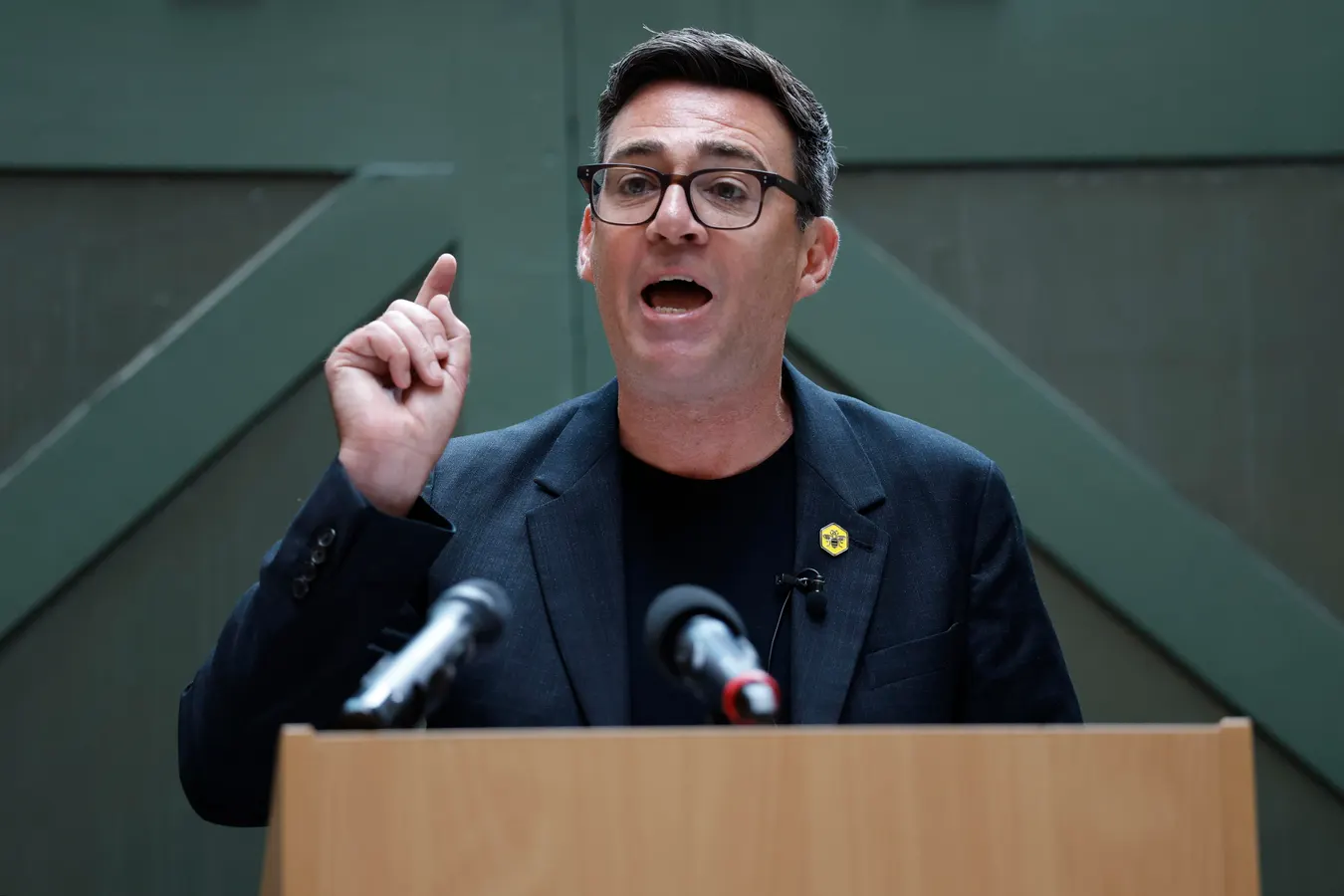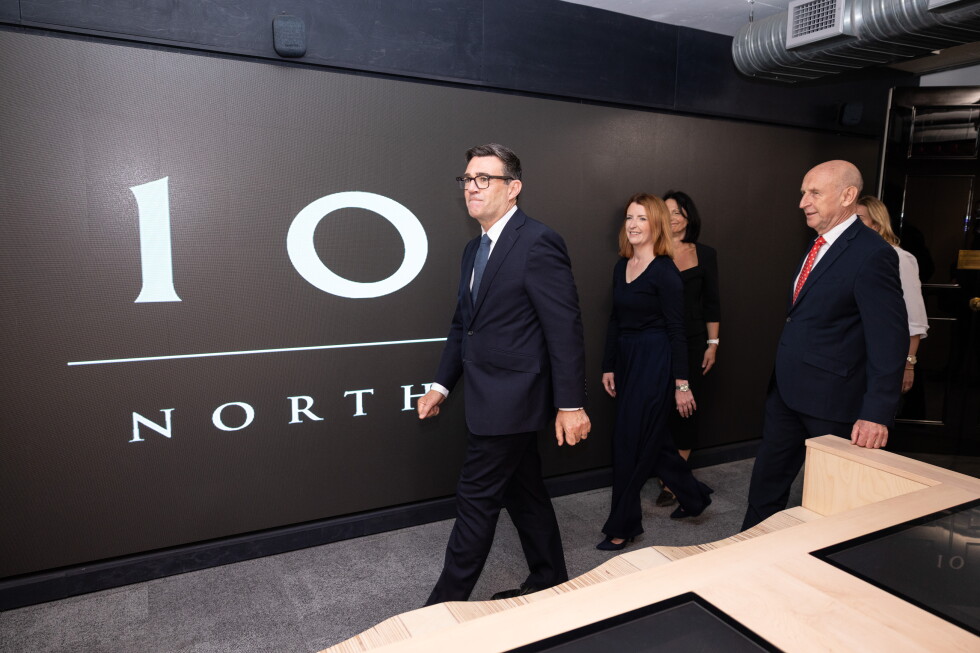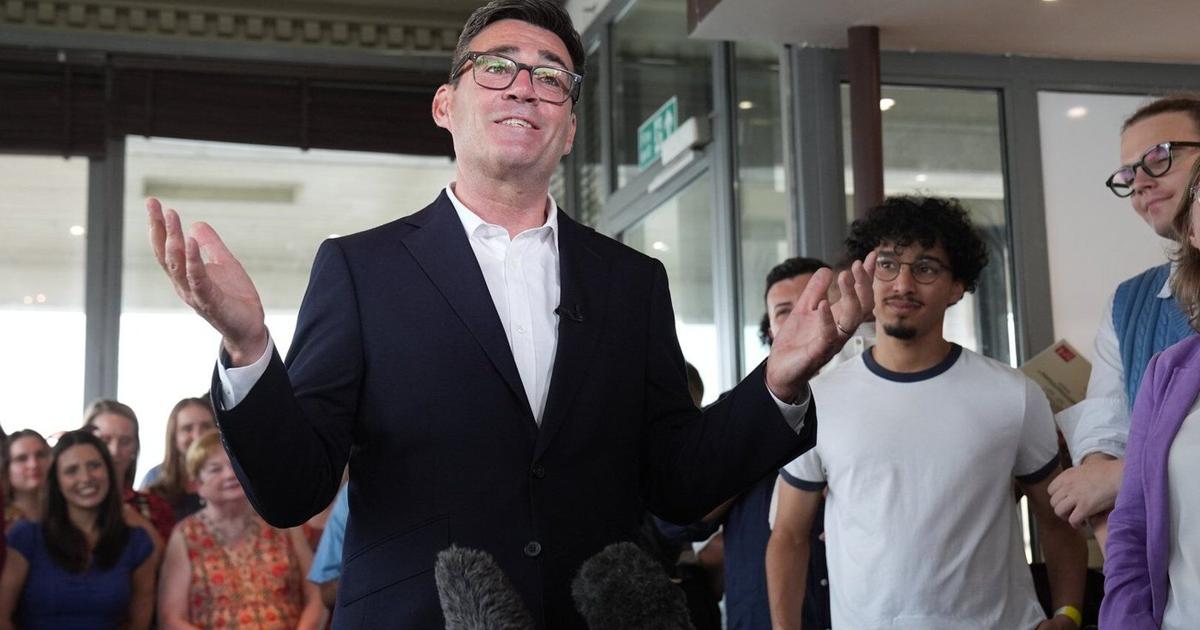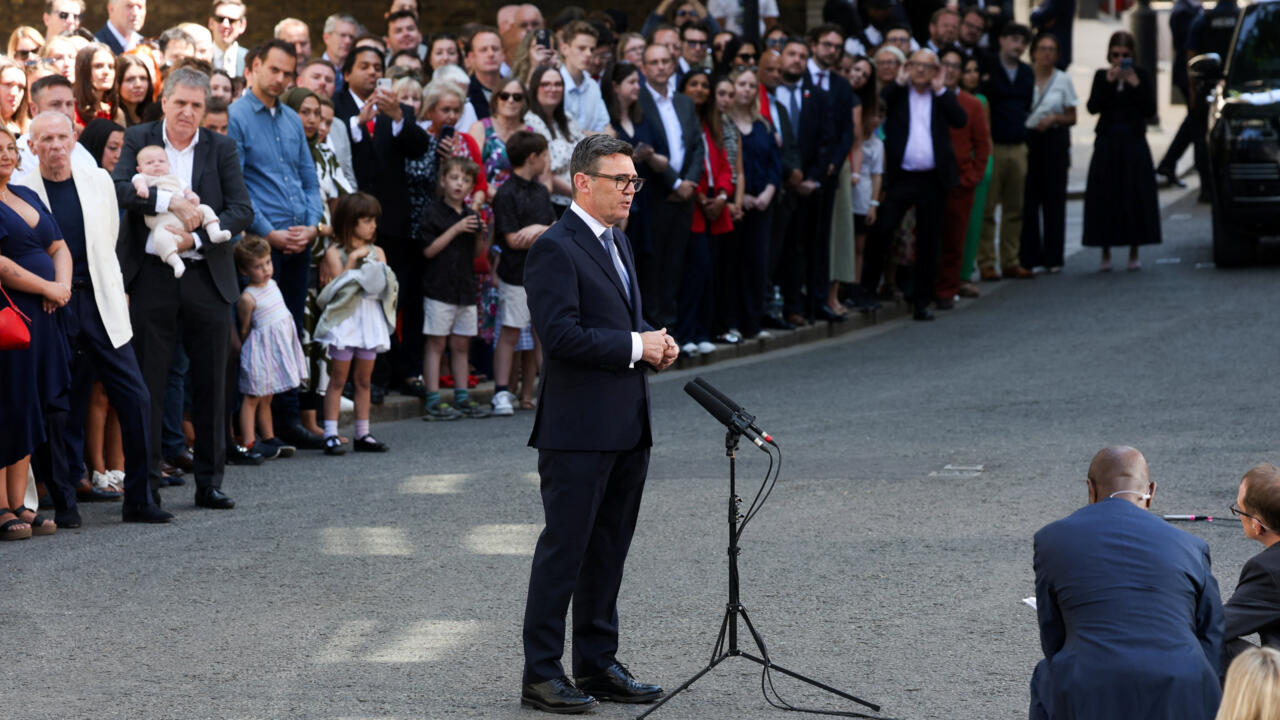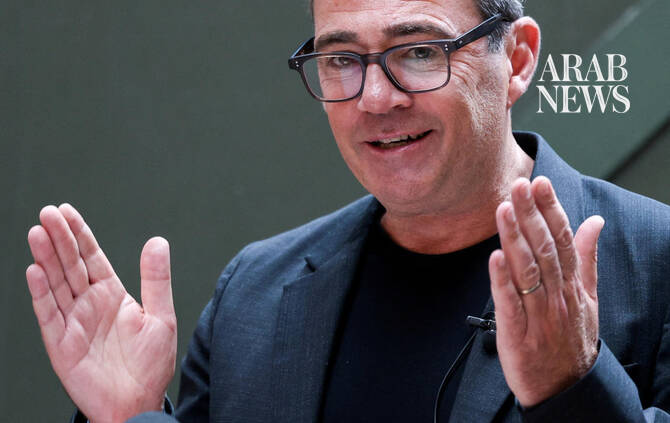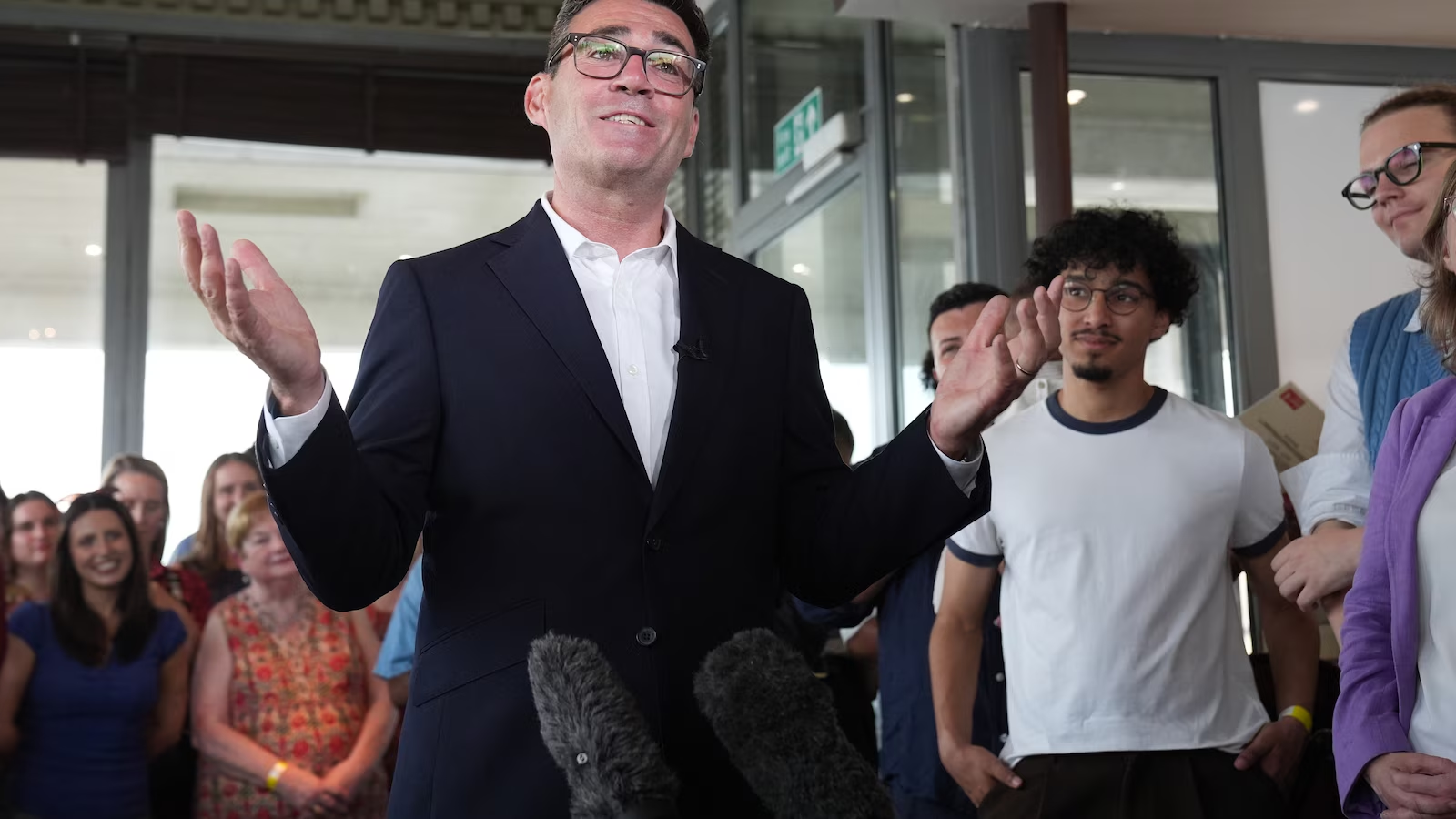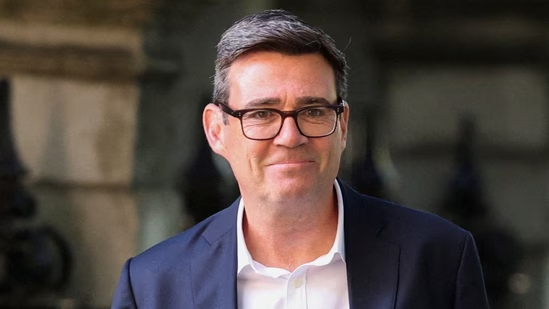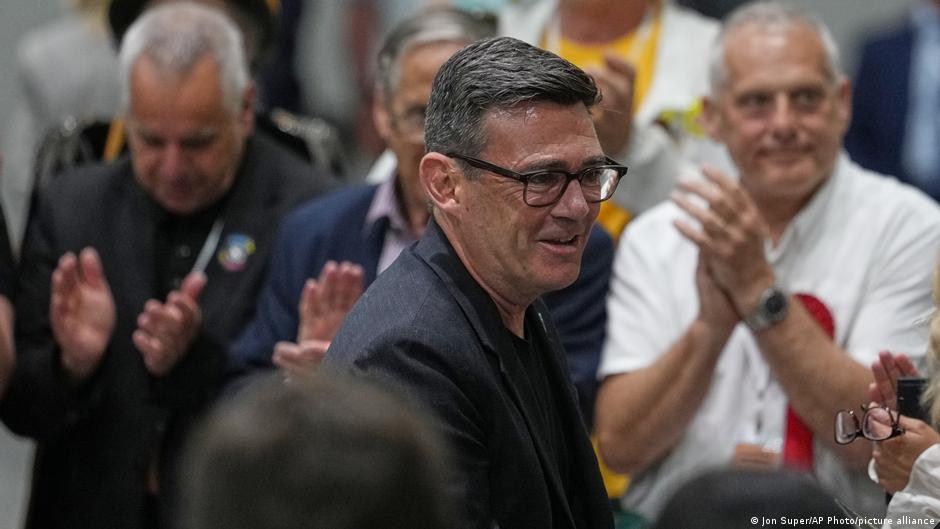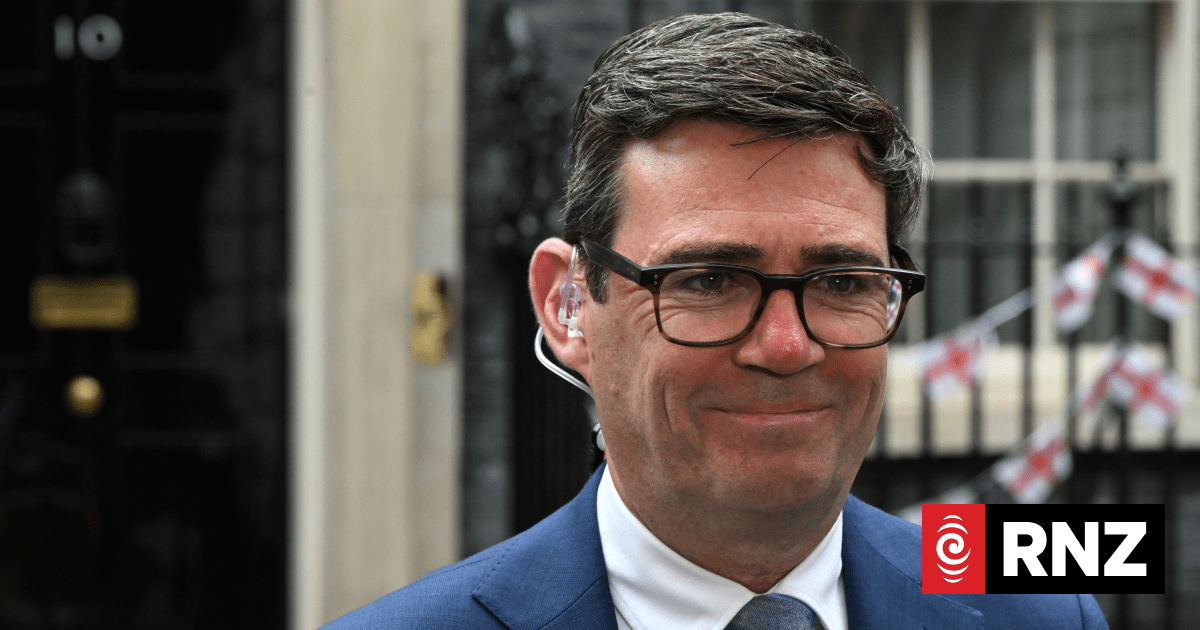
C-suite executives from around the world could have been forgiven for reaching for the atlas when the former Mayor of Manchester (a smallish city 200 miles north of London) became the U.K.’s seventh prime minister in ten years. Andy Burnham is so keen to make the city he once ran the heart of his political project he announced that there would be a “Downing Street North” established in Manchester, a little like putting a “White House Atlanta” in Georgia’s state capital.
It would be easy to mock “Manchesterism” as little more than a marketing slogan. Running a city region is radically dissimilar from running a country, however good the publicly owned bus service is. Burnham knew he had to signal a change of gear after the troubled premiership of Sir Keir Starmer and being “from the north of England” seemed as good an option as any (the British are oddly obsessed by the relative superiority of the part of the country they are from). The only northern element of Starmer’s CV is that he lives in north London, a part of the U.K. joked about by those who don’t reside there as being obsessed with house prices, Tuscan extra-virgin olive oil, and sourdough bread.
The new PM is, though, onto something. Unbalanced growth (major global cities doing well, towns and rural areas struggling) is an economic reality, whether you come from New York or Gary, Indiana, London or Rotherham, South Yorkshire, Paris or Roubaix, Hauts-de-France. If “left behind” means anything, it means the unequal sharing of the economic benefits of growth.