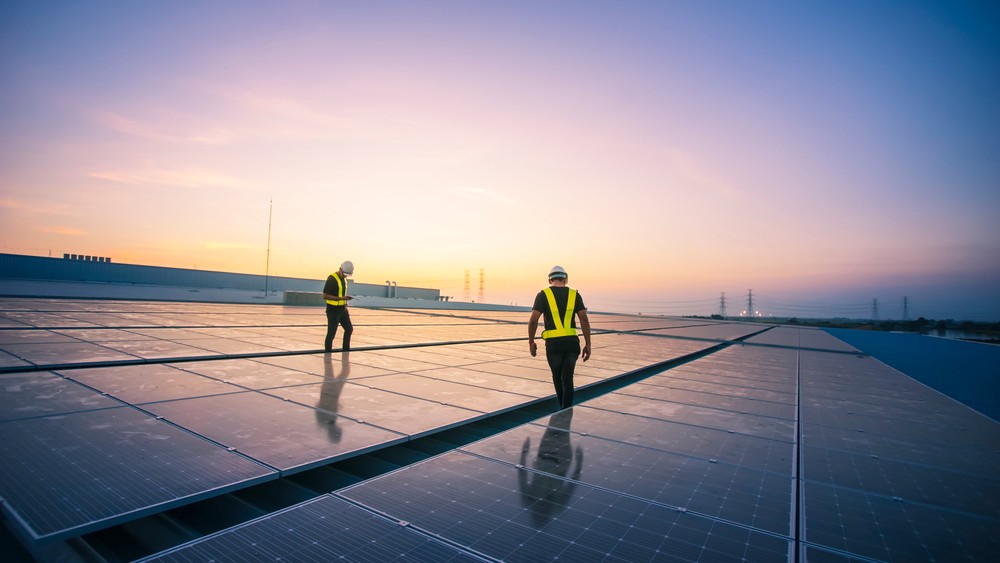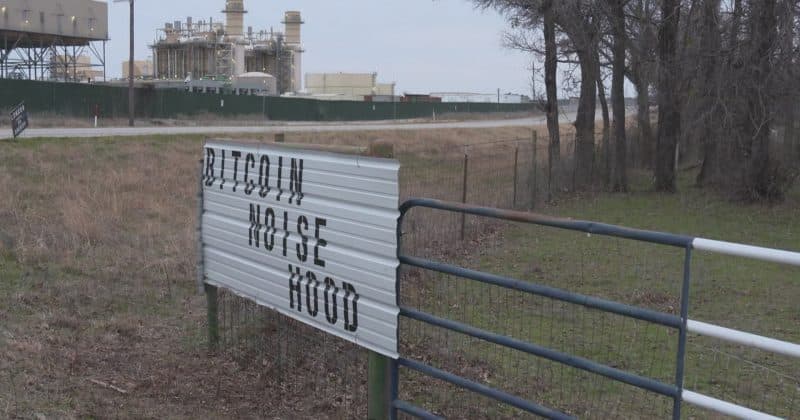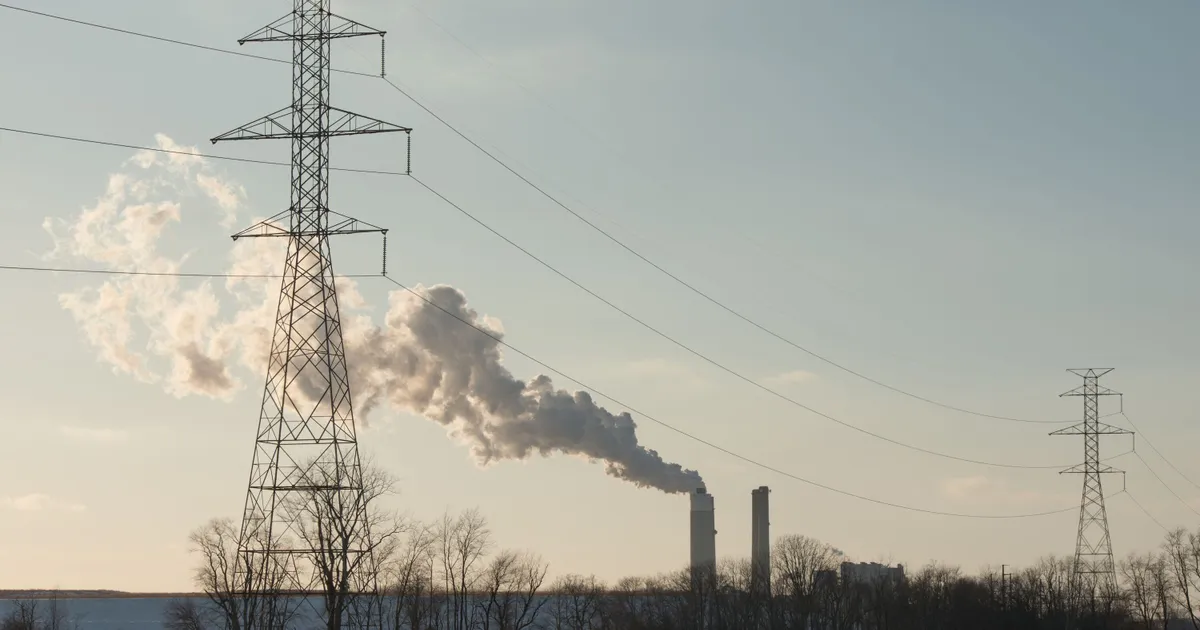
“If I’m going to open a factory, I’m going to be very cautious about where I open it,” said Hicks, who was previously on the faculty at the Air Force Institute of Technology. “I want to open it in a place where I can hook up to the grid close to a wind or solar plant.” He pointed out that data center developers and their customers often have ambitious net-zero goals, which may drive them to locate facilities where clean energy is abundant.
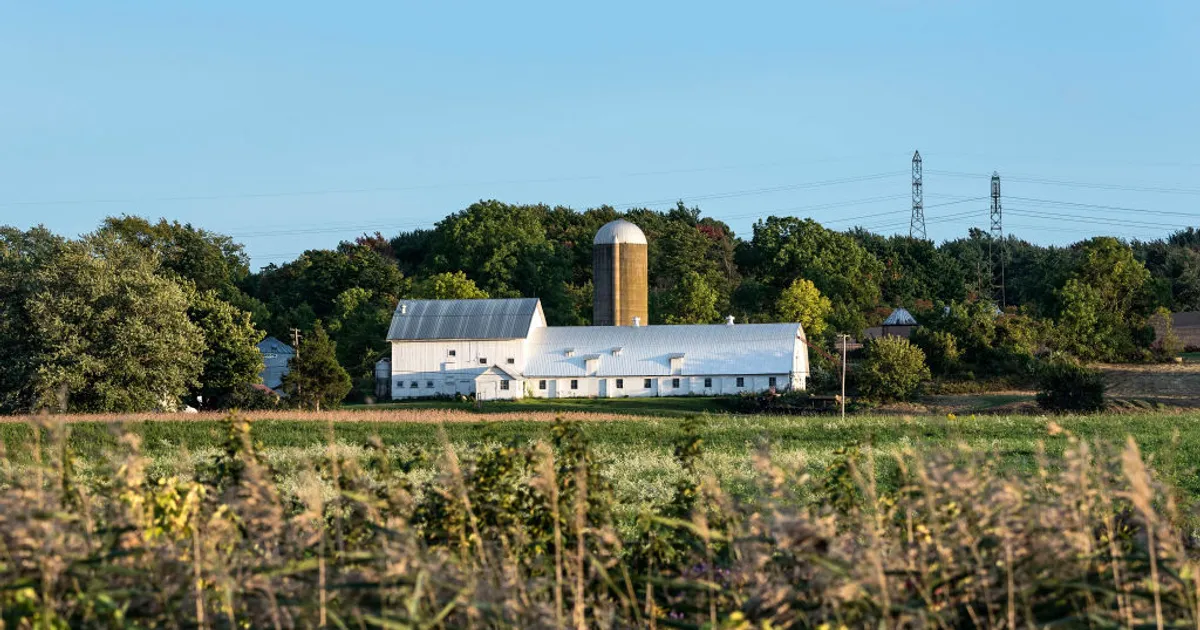
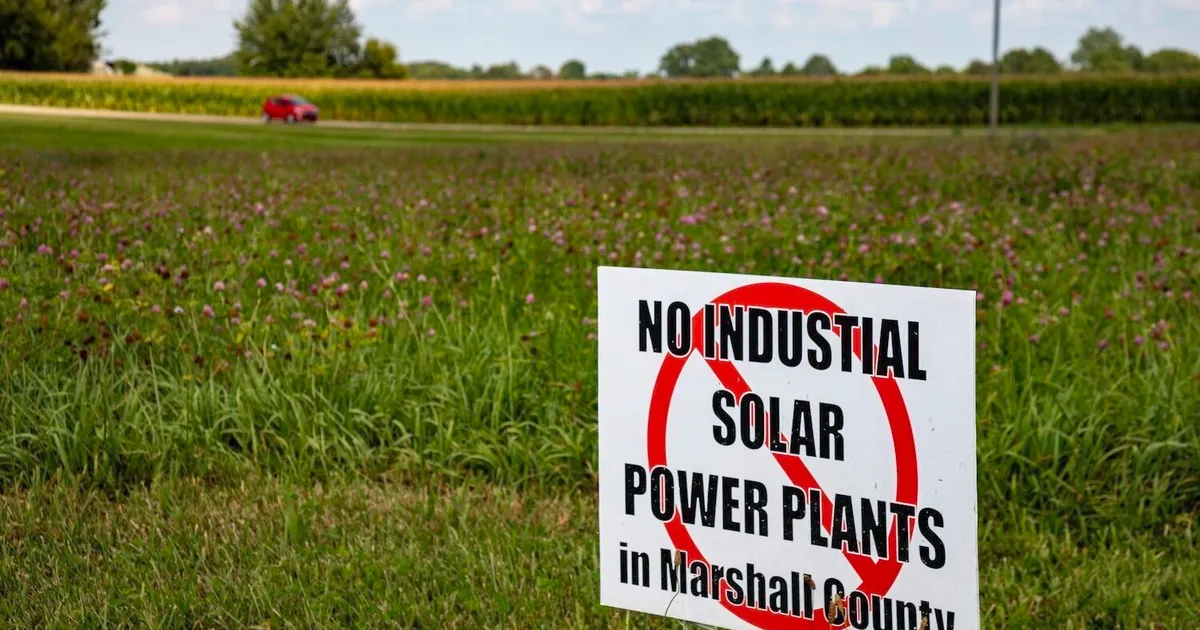
But increasingly, concerns about farmland and rural character — rather than jobs or tax revenue — are animating local opposition.
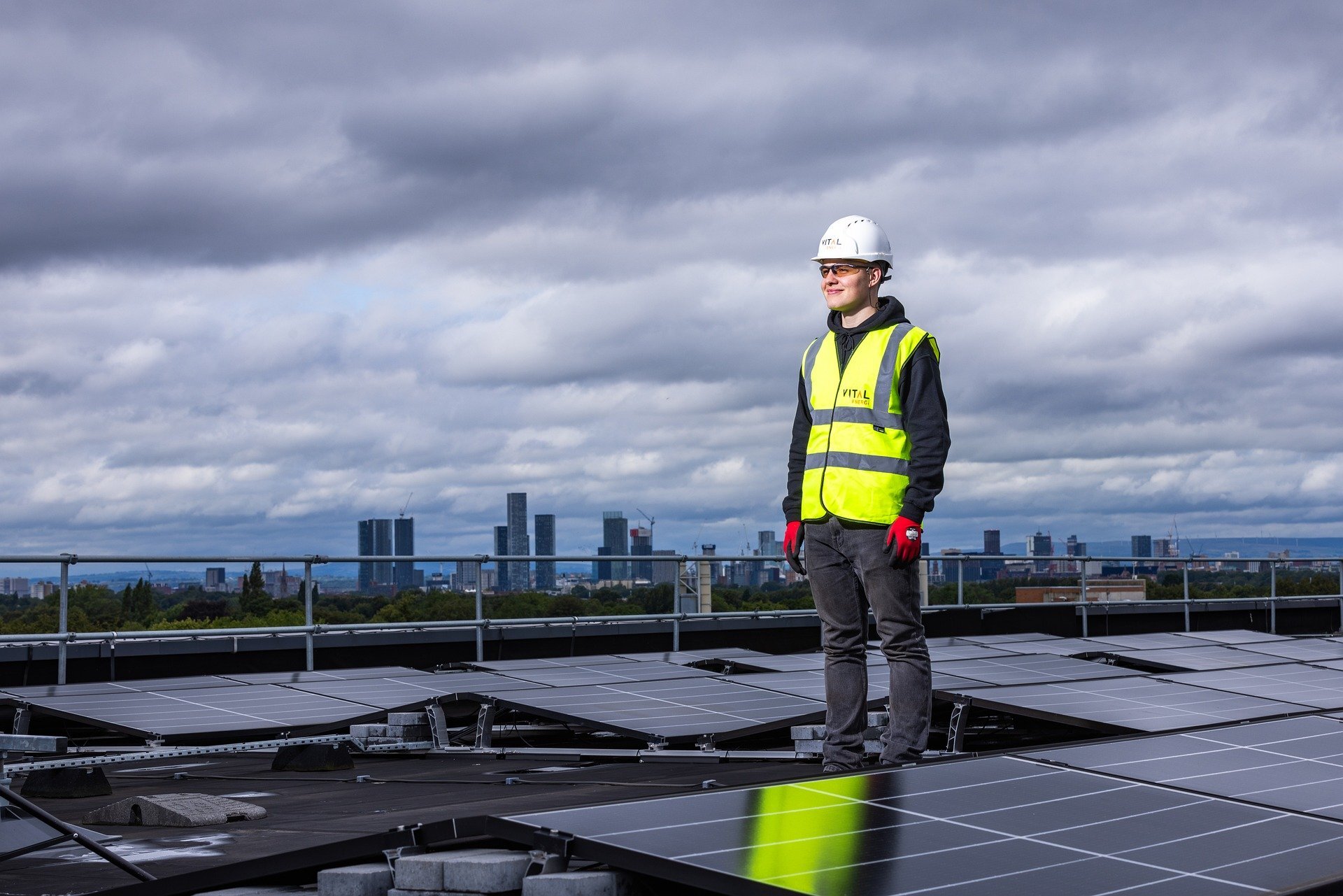
Last summer, for example, officials in Vanderburgh County voted 4-3 against a zoning change needed for the 600-acre Bluegrass Creek solar farm proposed by Orion Renewables. The company had pursued the project for at least five years, held multiple community meetings last year, and donated to local programs.
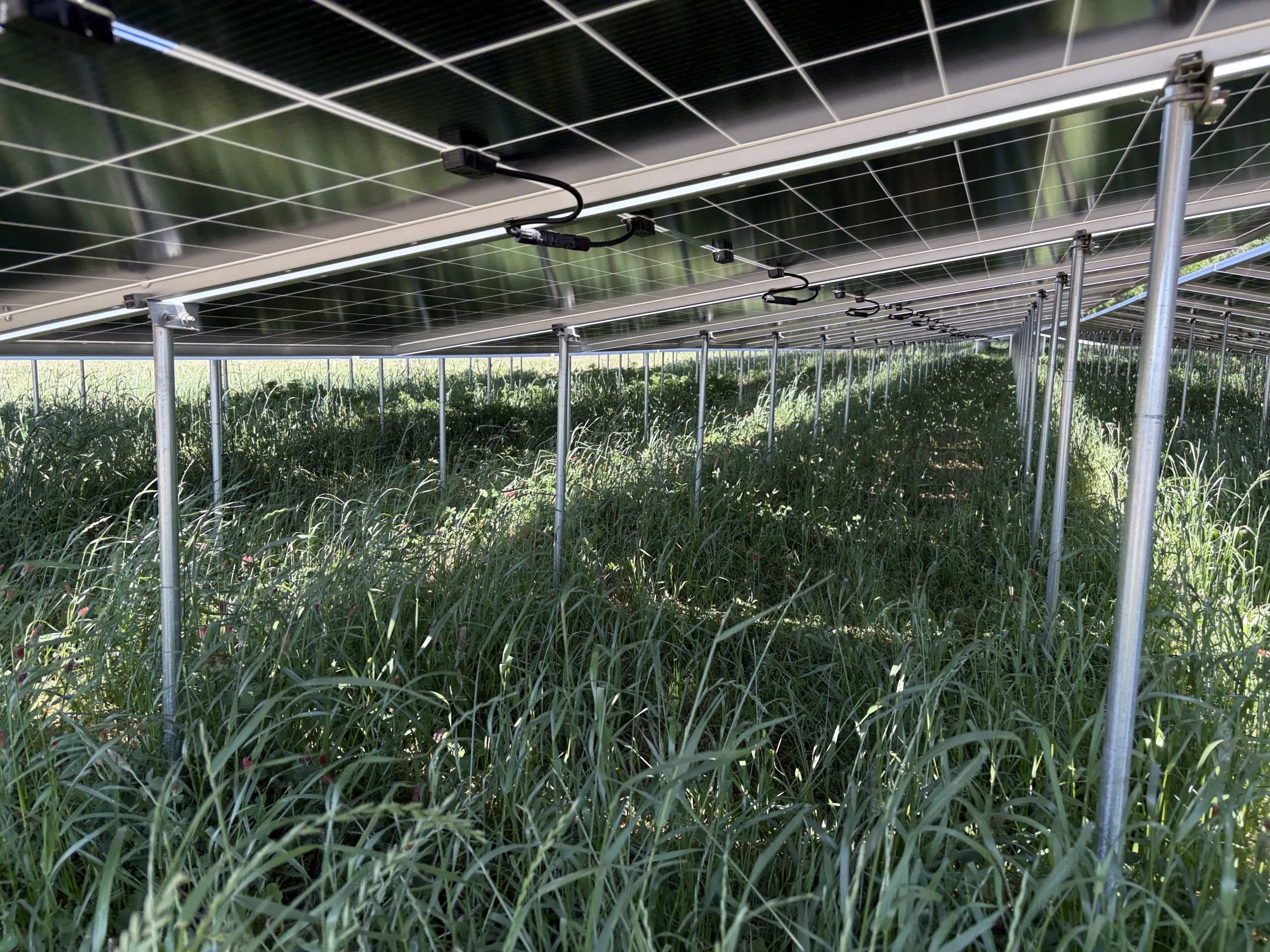
“Why does this project need to go here, on farm ground?” asked a resident during a community meeting held by the company. Others raised concerns about property values, water runoff, eventual decommissioning of the solar farm, and the possibility of tornadoes destroying panels and creating debris.
While solar farms may change rural landscapes, advocates and industry groups point out that solar occupies a tiny portion of the state’s agricultural land. In Indiana, farms take up two-thirds of all land — and solar only a 10th of a percent. Golf courses occupy nearly three times as much space in the state.