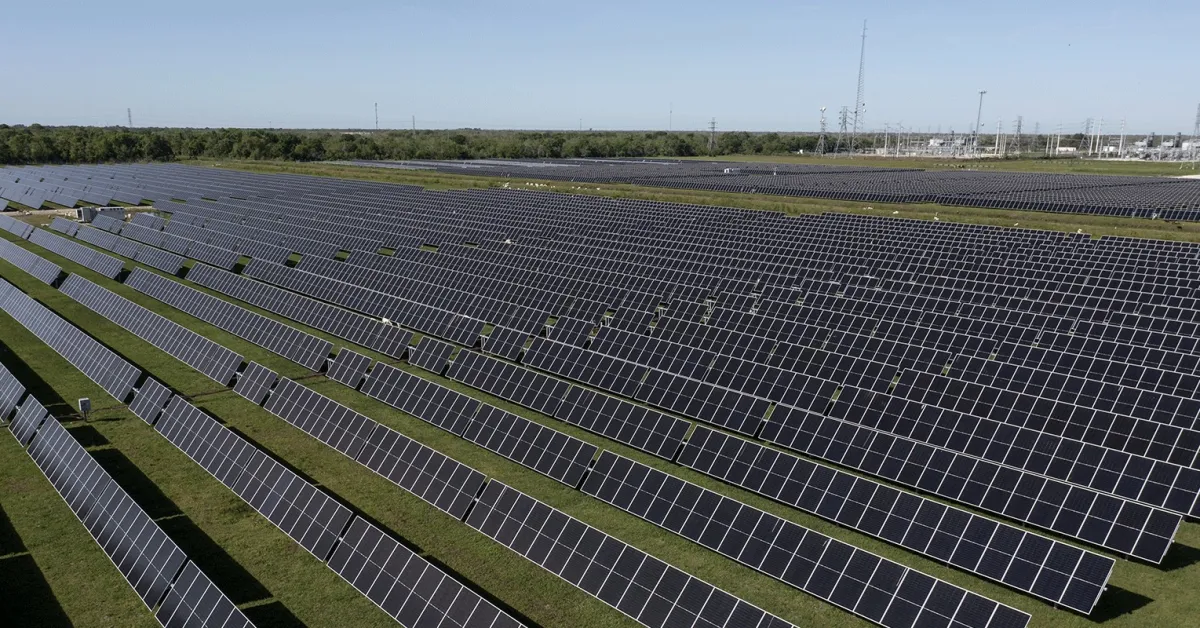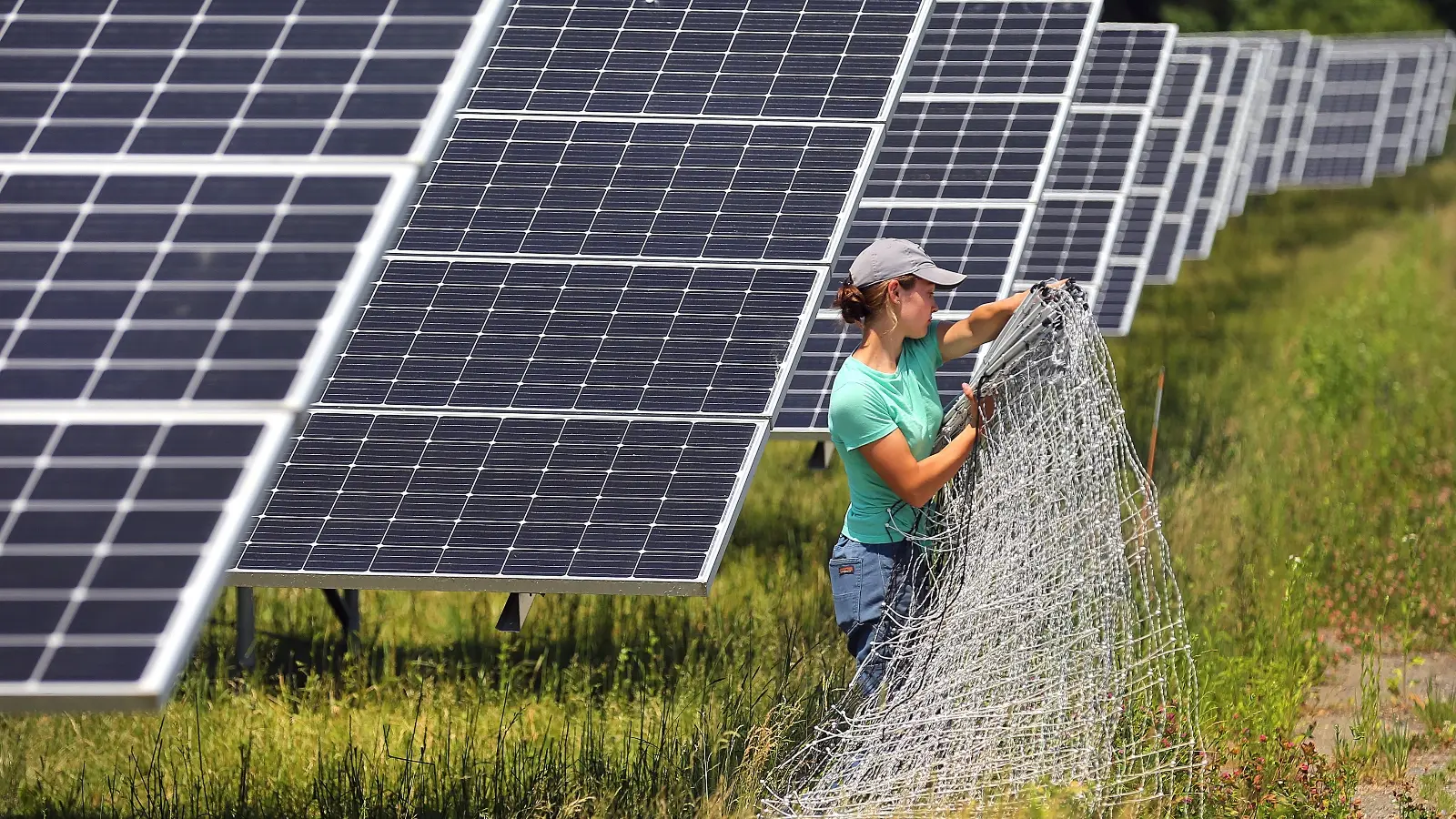
Most large-scale solar energy projects in the United States encounter relatively little public conflict, despite widespread perceptions that opposition to solar development is common, according to a new study led by University of Massachusetts Amherst researchers.
Published in Energy Research & Social Science, the study analyzed 686 large-scale solar facilities that went online between January 2022 and November 2023. Researchers found that 56% of projects fell into "no" or "low" conflict categories, while 19% saw high levels of conflict.
The study also found that projects approved under state-level permitting systems were associated with lower levels of observed conflict compared with projects reviewed under local or hybrid permitting structures. Larger projects were more likely to involve more conflict, while the share of Democratic voters in the area surrounding development sites showed no statistically significant relationship to opposition levels.
Lead author Juniper Katz, assistant professor of public policy at UMass Amherst, says the project grew out of a disconnect between public perception and the available evidence on solar siting disputes.
"All I saw in the news was conflict, conflict, conflict over solar," Katz explains. "But there was really very little research that operationalized what conflict means and looked at it from a national scale to understand if the appearance of conflict was as prevalent as it seemed."