The future looked dire for renewable energy in the United States last spring. Republicans in Congress started gutting the Inflation Reduction Act, forcing its generous tax credits for wind and solar into an early retirement. The Interior Department then rolled out a series of byzantine regulations aimed at restricting clean energy on federal land. Some feared those regulations would curb wind and solar development on private land, too.
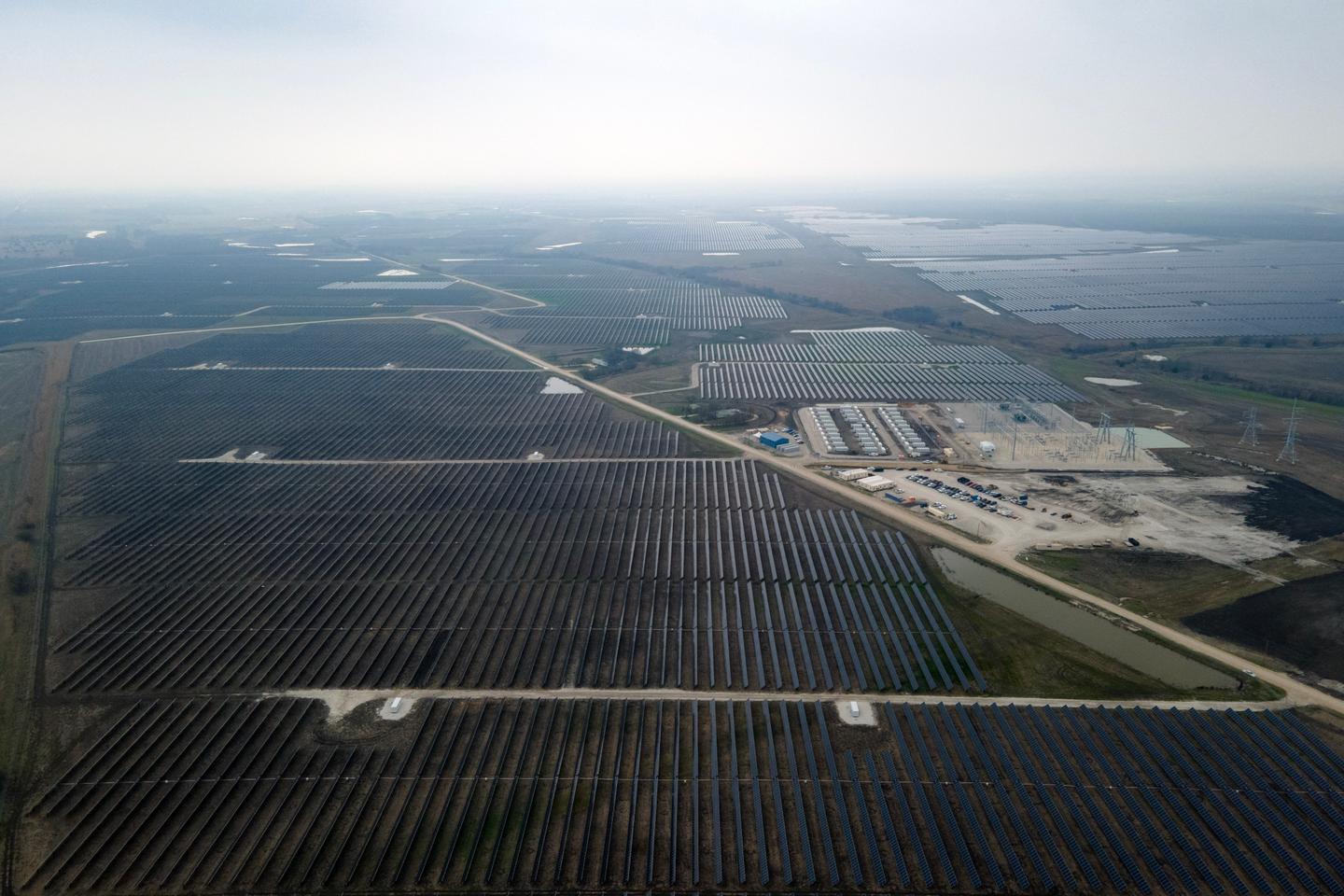
Although these restrictions do seem to have hindered the wind industry, there are some signs that its fortunes are changing. But a year later, solar continues to boom. MAGA influencers are promoting it, there’s hope for legislation that would speed up approvals for new projects, and the industry has continued to expand over the last year as energy requirements from data centers demand fast, cheap power. The Trump administration has even signed off on some big solar projects: In February, the administration announced that it would allow several solar projects that had been blocked by the new Interior regulations to move forward.
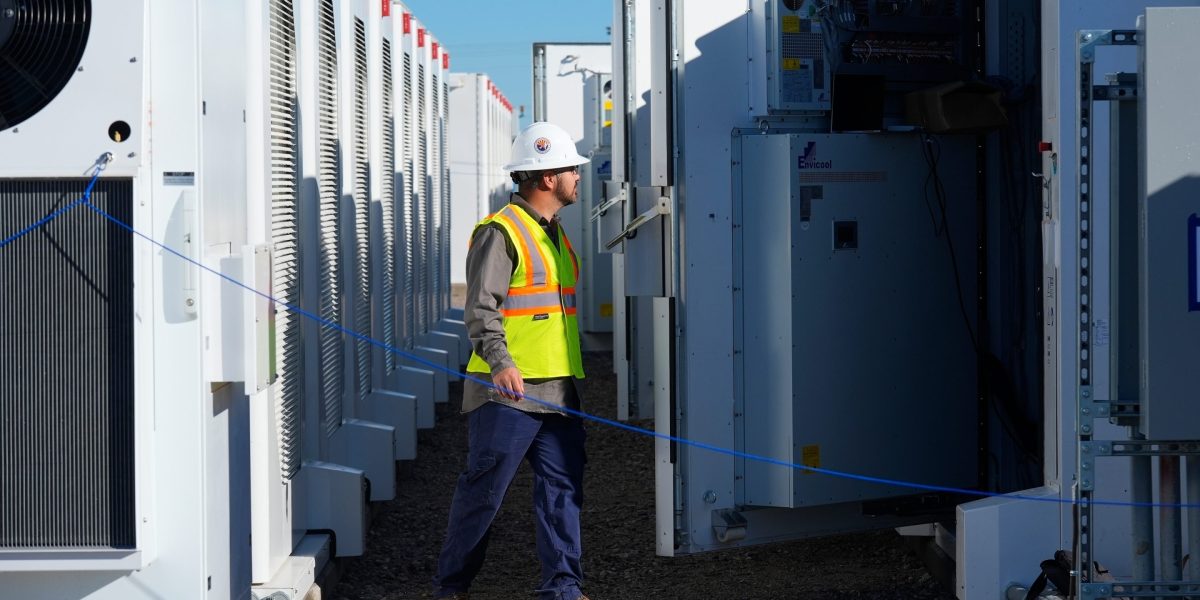
“I feel like there has been so much written that’s like, ‘The Trump administration is delaying this stuff. It’s holding it all up in red tape. Nothing’s getting built,’” said Hannah Hess, director of the Rhodium Group’s Clean Investment Monitor team. “When we look at the data, that’s not true.” Combined, solar and battery storage (which banks excess energy for use when the sun’s not shining) accounted for 79 percent of power generation brought online in 2025 and are expected to continue to grow by 49 percent before the Inflation Reduction Act tax credits expire at the end of 2027.