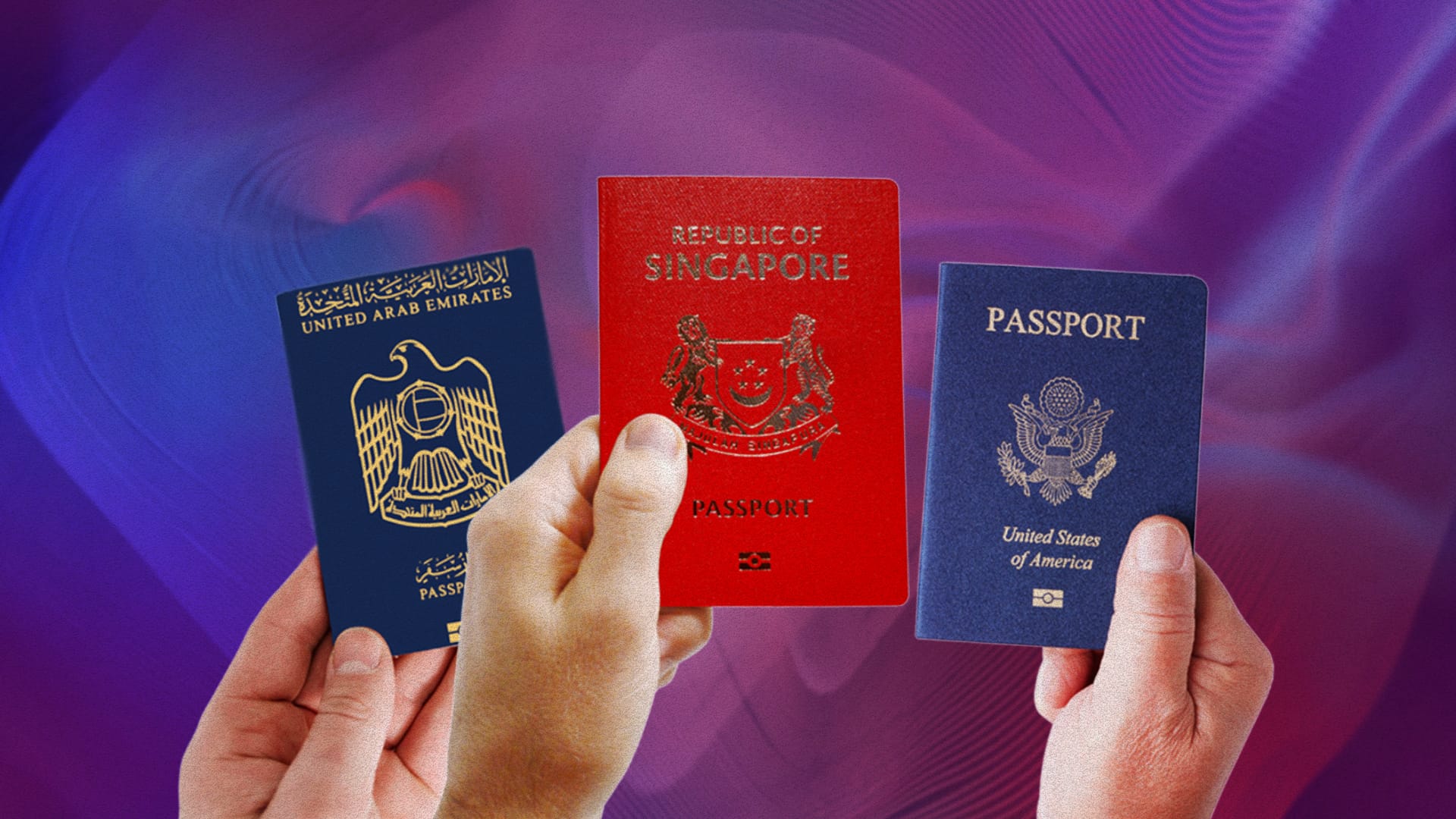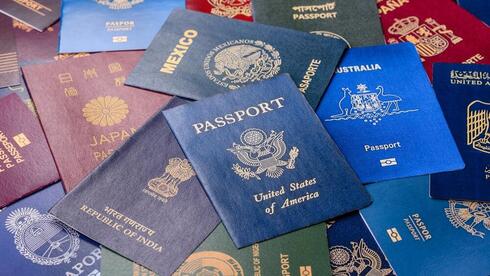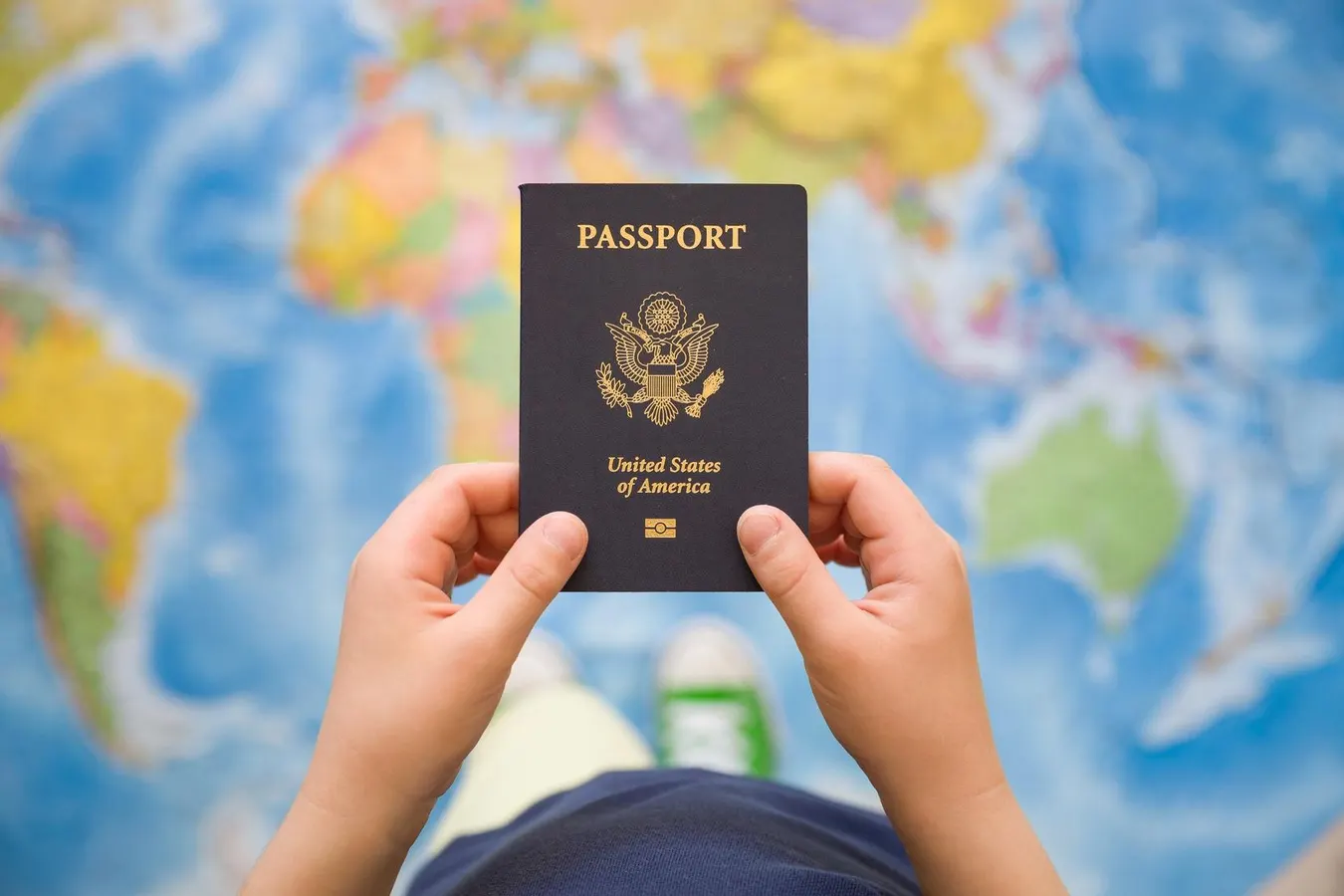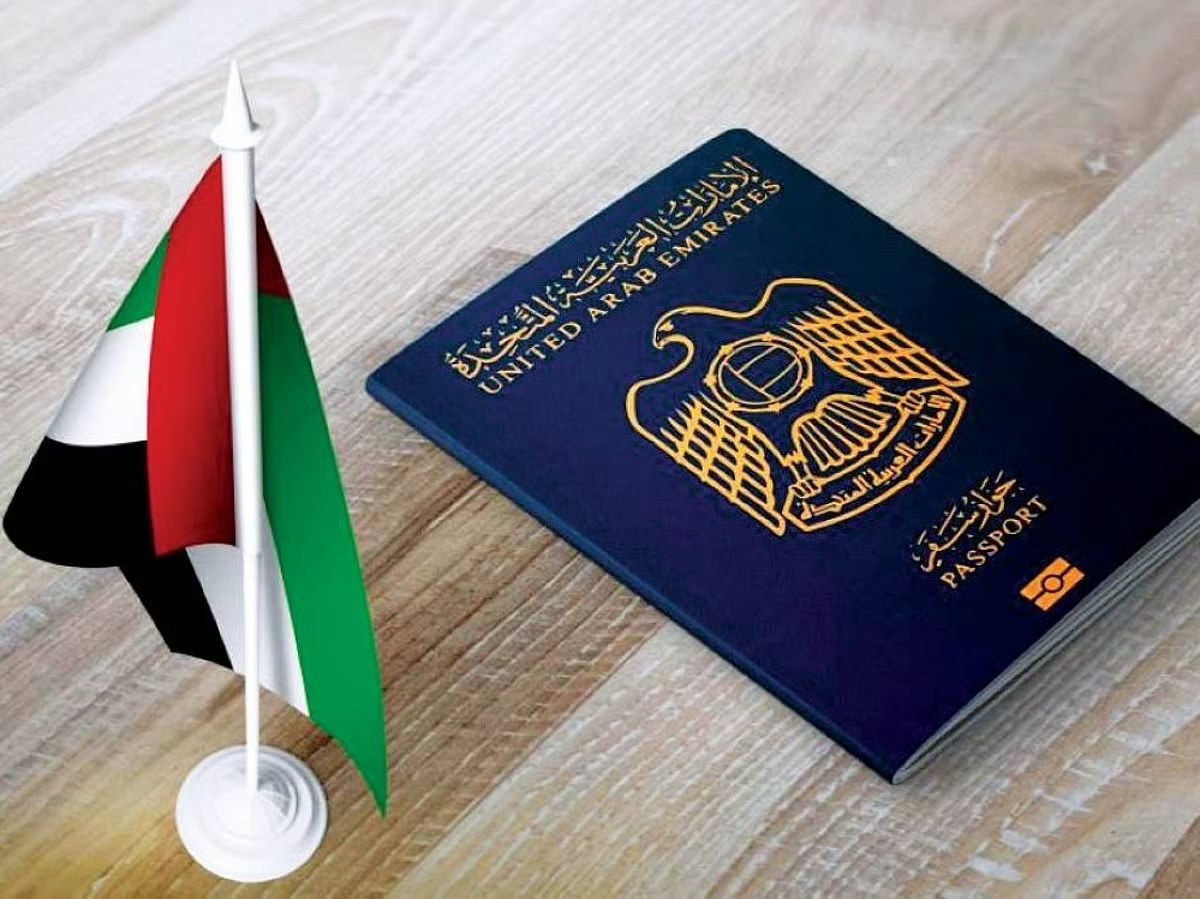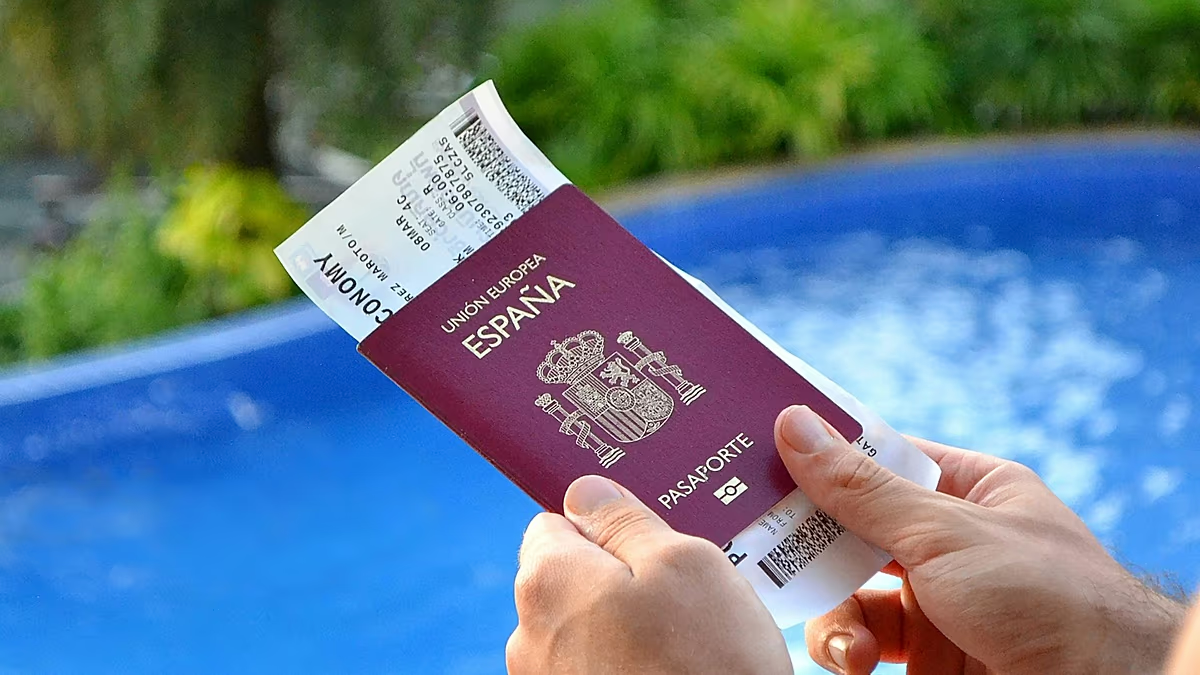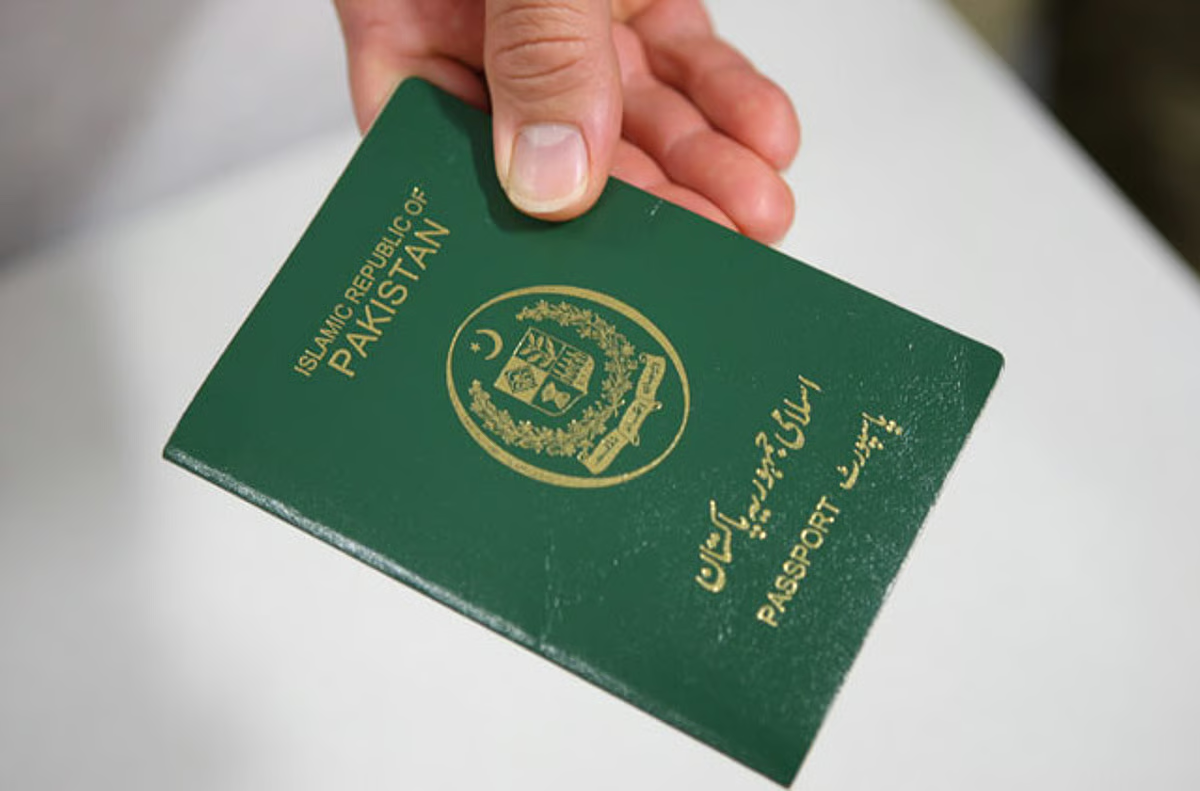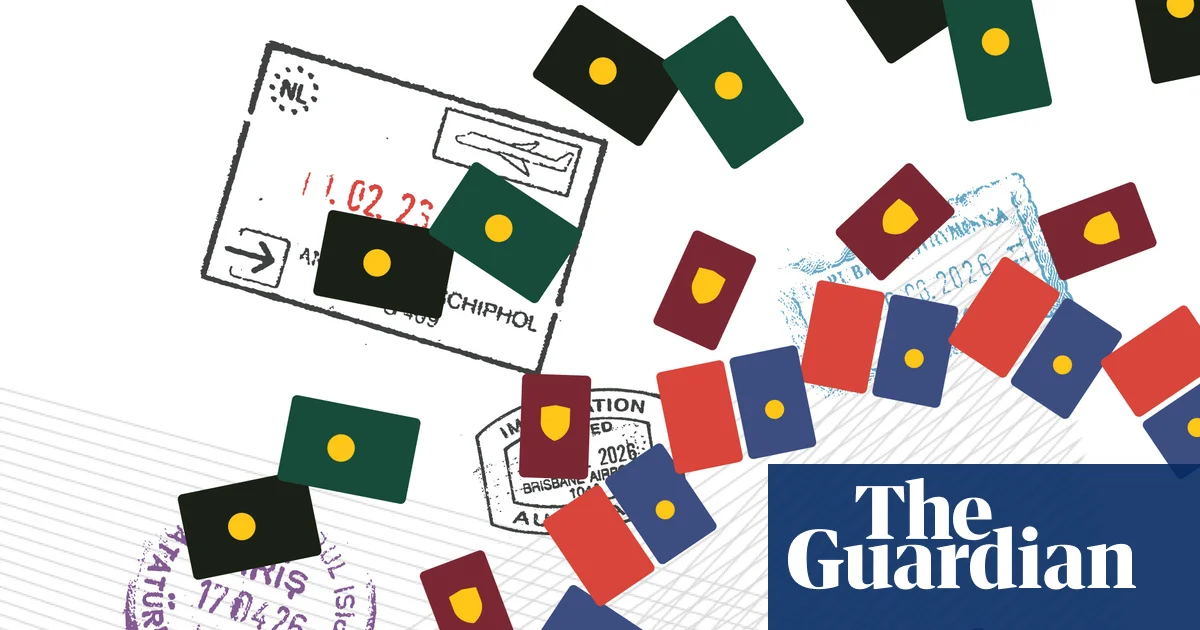
Passports can resemble abridged memoirs, their stamps telling romantic stories of wanderlust, freedom and belonging.But they are also a symbol of global inequalities and shifting geopolitical fortunes. Passports from some places allow their holders to travel abroad simply by booking a flight and packing a bag. Others, however, entail booking an appointment at the nearest consulate, presenting documents to prove identity and financial means, then waiting weeks for a decision.How does the status of your passport compare globally? How has its power changed over time?Search to find out …How has passport strength changed?In the last 10 years, more countries have gained access to more destinations and, at first glance, it would seem that the world is opening up.“People think that walls are increasing as the extreme right is coming [into government] in various places around the world,” says Armand Arton, who runs Passport Index, a website that tracks visa requirements. “But what the statistics are saying is that an increasing number of countries are signing visa-free agreements.”You can chart a passport’s strength by counting the number of countries, states and territories its holder can enter visa-free, or with a visa on arrival, an electronic travel authorisation (ETA), or a fast-track e-visa. This is known as a mobility score.Chart showing some of the passports that have gone up more than 60 places in the rankingSmall island nations’ passport strength rose as they earned visa-free status from developing countries. Arton attributes the rise to these countries’ often small populations, which are not seen as a national security threat, and to a sense among some governments of a moral obligation to offer visa-free travel to people on the frontlines of the climate crisis.China has moved up the rank by opening up and expanding bilateral agreements with regional neighbours. Since signing a bilateral visa-free agreement with Singapore in February 2024, there was a sharp increase in travel between the two countries.When countries sign a visa-free agreement with the Schengen area, which comprises 29 European countries, the standing of their passports can shoot up the ranking almost overnight. That is why Georgia, Ukraine and Kosovo are among the biggest climbers in the passport table.Vjosa Musliu is an associate professor at Vrije Universiteit Brussel who has written about the experience of travelling with a Kosovan passport, which has gained in mobility. She describes the joy of seeing her relatives and friends being able to travel.“These were upper-middle class people with decent jobs who never travelled because of the cost of getting a visa, which is sometimes close to £300,” she says. “[People] who wanted to see grandmas and grandpas and not celebrate birthdays on FaceTime.”
How powerful is your passport? Explore the global rankings
A symbol of global inequalities and shifting geopolitical fortunes, some passports offer their holders far more freedom to travel than others
1,143 words~5 min read