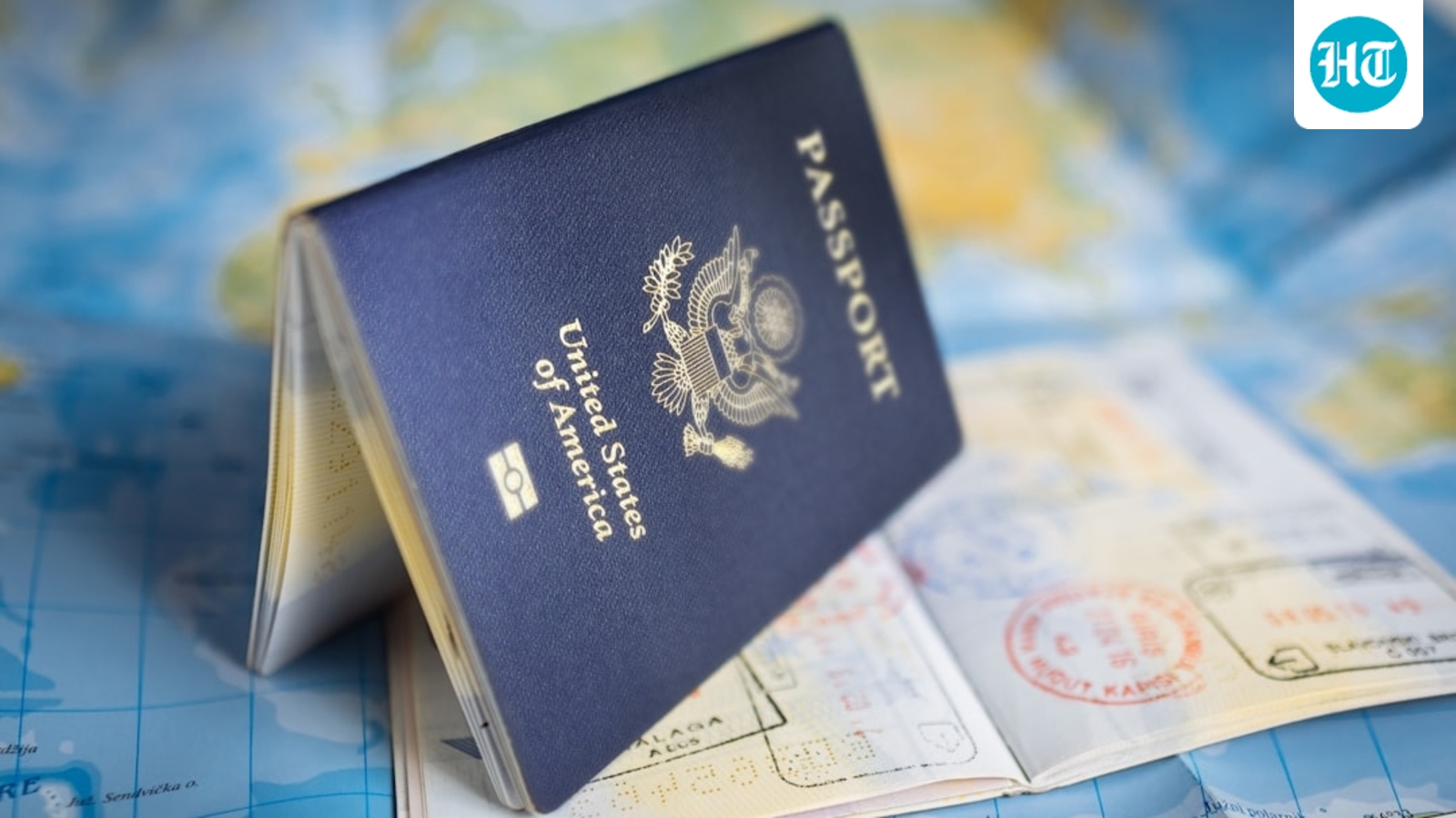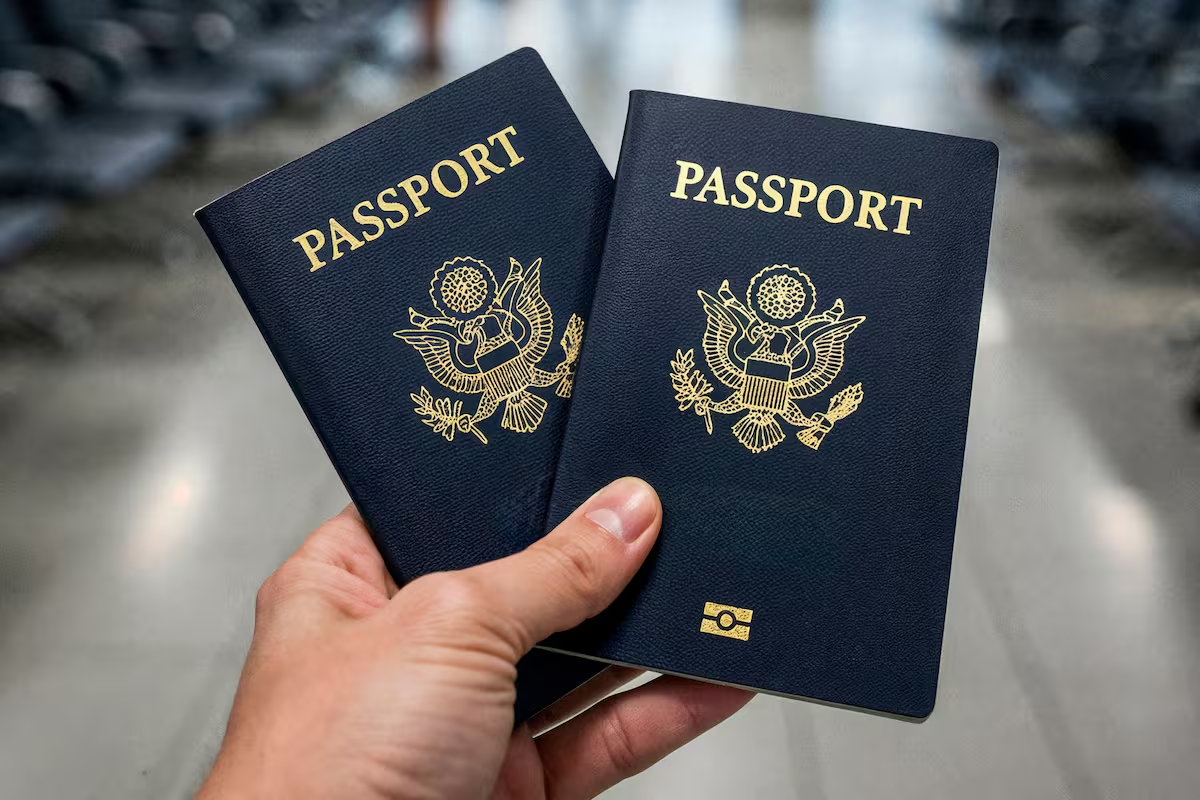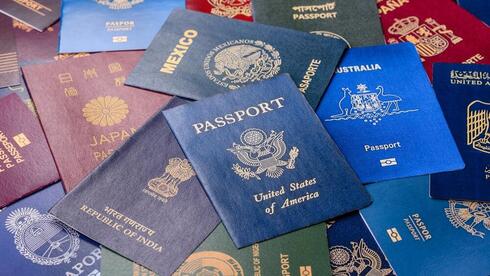
ToplineThe power of the U.S. passport has steadily slipped over the past two decades, according to a key ranking—going from tied for No. 1 in 2006 to tied for No. 10 today—as three dozen other nations now offer greater global mobility for its citizens.The U.S. has fallen behind 36 nations in the Henley Passport Index, which measures global mobility.gettyKey FactsAmericans can travel visa-free to 180 countries around the world—putting the U.S. at No. 10 in the Henley Passport Index, on par with Iceland.Since multiple countries can be tied in the rankings, the U.S. sits behind 36 other countries that offer greater visa-free mobility.Singapore, at No. 1, offers visa-free access to 12 more countries than America.In 2006, the U.S. jointly held the No. 1 position along with Finland and Denmark, with each country able to access 130 destinations without a visa.By 2016, the U.S. blue book had slid to No. 4; by 2021, it had fallen to No. 7. What Makes Some Passports More Powerful Than Others? The Henley Passport Index monitors the number of destinations that can be visited visa-free or visa-on-demand. Global freedom of movement is a key measure of soft power for citizens when they travel abroad. Citizens of Singapore—the No. 1 passport in the ranking—enjoy access to 192 travel destinations out of 227 around the world visa-free. In a three-way tie for the No. 2 spot, South Korea, Japan and the United Arab Emirates each provides access to 188 destinations without a visa. The U.S. passport comes in just behind Lithuania and Liechtenstein in the ranking. Why Has The U.S. Passport Lost Power Over The Past Two Decades?The United States’ ranking on the Henley index is also suppressed by the country’s lack of reciprocity. While American passport holders can access 180 out of 227 destinations visa-free, the U.S. itself allows only 46 other nationalities to enter visa-free, putting it in 73rd place on the Henley Openness Index, where it barely outpaces Uganda. The lack of openness cuts both ways, and the United States “is now one of the few top-ranked passports whose citizens still require a visa to visit China,” the report notes.Affluent Americans Want Second And Third PassportsFor many global investment migration and citizenship planning consulting firms, the largest source market is rich Americans who not only want to travel but to potentially live elsewhere. Henley & Partners’ client data suggests geopolitical trends are increasingly shaping the decision-making of wealthy families seeking “Plan B” contingencies. Henley reported inquiries from U.S. nationals seeking alternative residence or citizenship increased 183% year-over-year in the first quarter of 2025, after President Trump was elected to a second term. Other prominent investment migration advisory firms see the same trend. The U.S. has replaced China as the largest market for clients seeking secondary or tertiary citizenships, Eric Major, CEO and chairman of Latitude World, told Forbes in May. More than six in 10 Americans (61%) earning over $200,000 annually are considering moving to another country within five years, according to a study released last month from Apex Capital Partners, another advisory firm that helps people secure foreign residency and citizenship. Just as there has been a shift in how nations prioritize freedom of movement, “we are witnessing the same shift in how families think about their future,” Dr. Christian Kaelin, chairman of Henley & Partners and creator of the Henley Passport Index, said. “True wealth is no longer defined solely by financial capital, but by the freedom to choose where they and future generations can live, work, study, invest and belong.”The World’s Top 10 Most Powerful Passports—According To Visa-Free AccessSingapore (192)Japan, South Korea, United Arab Emirates (188)Sweden (187)Belgium, Denmark, Finland, France, Germany, Ireland, Italy, Luxembourg, Netherlands, Norway, Spain (186)Austria, Greece, Malta, Portugal, Switzerland (185)Hungary, Poland, United Kingdom (184)Australia, Canada, Czechia, Latvia, Malaysia, New Zealand, Slovakia, Slovenia (183)Croatia, Estonia (182)Liechtenstein, Lithuania (181)Iceland, United States (180)Further ReadingRich Americans Are Collecting Citizenships As ‘Plan B’ In Uncertain Times (Forbes)
U.S Passport Power Declines—From No. 1 To No. 10 In 20 Years
Three dozen countries now offer greater freedom of movement for their citizens than the United States.
654 words~3 min read