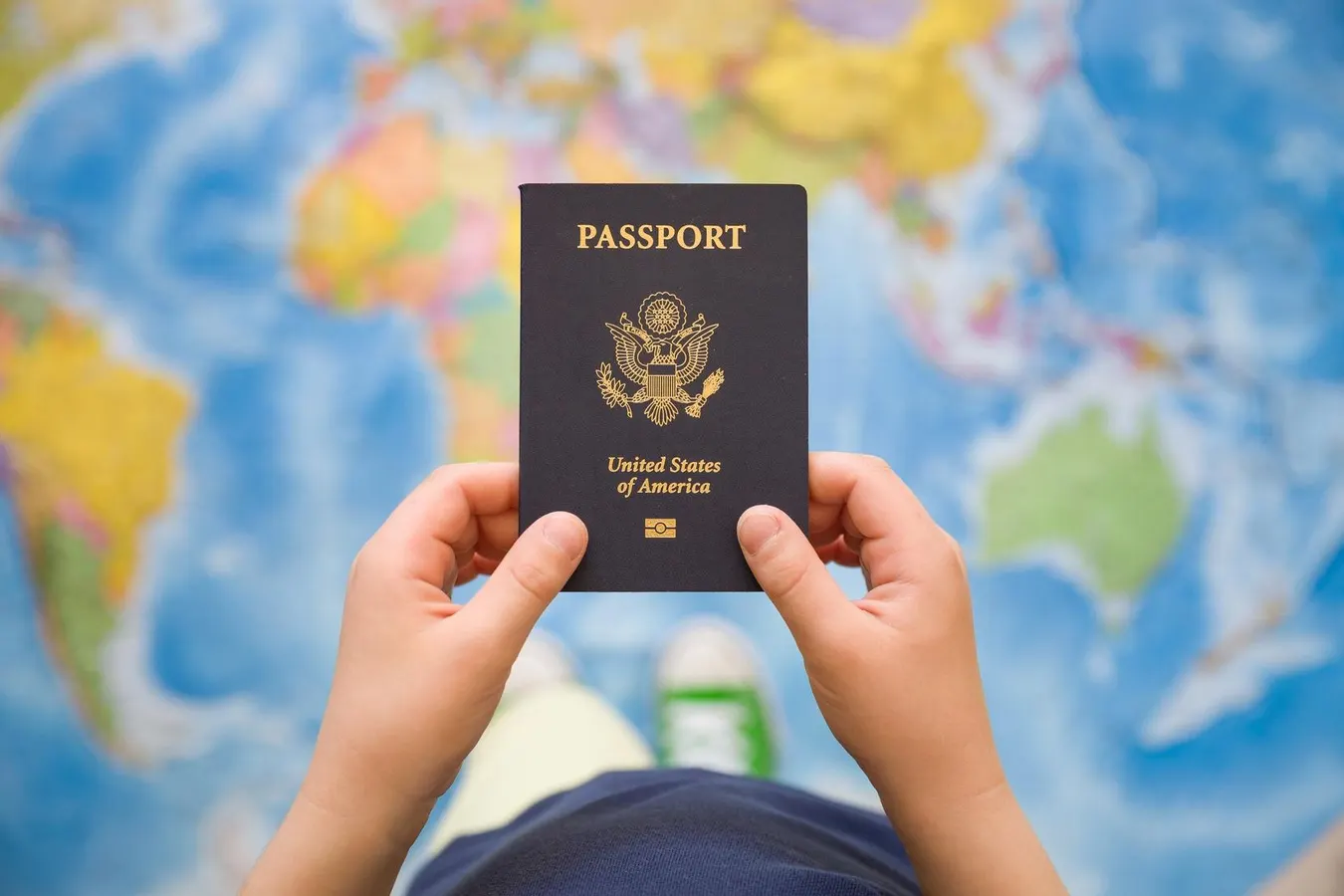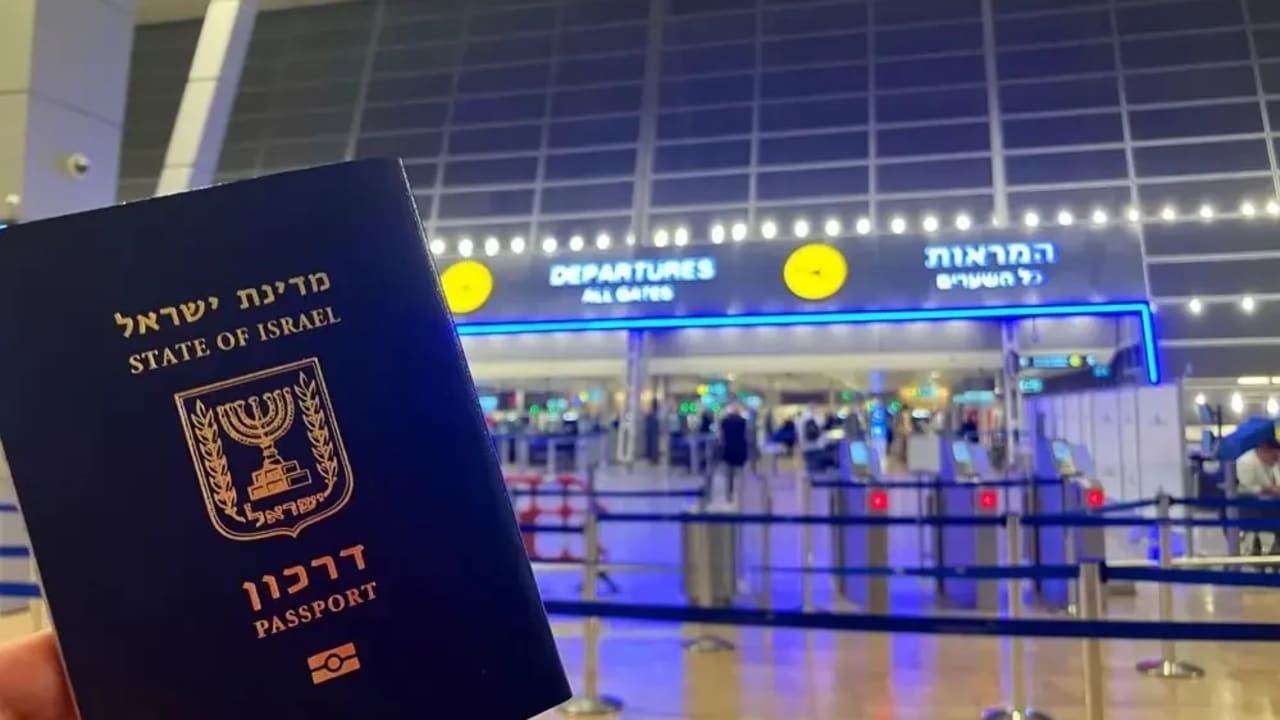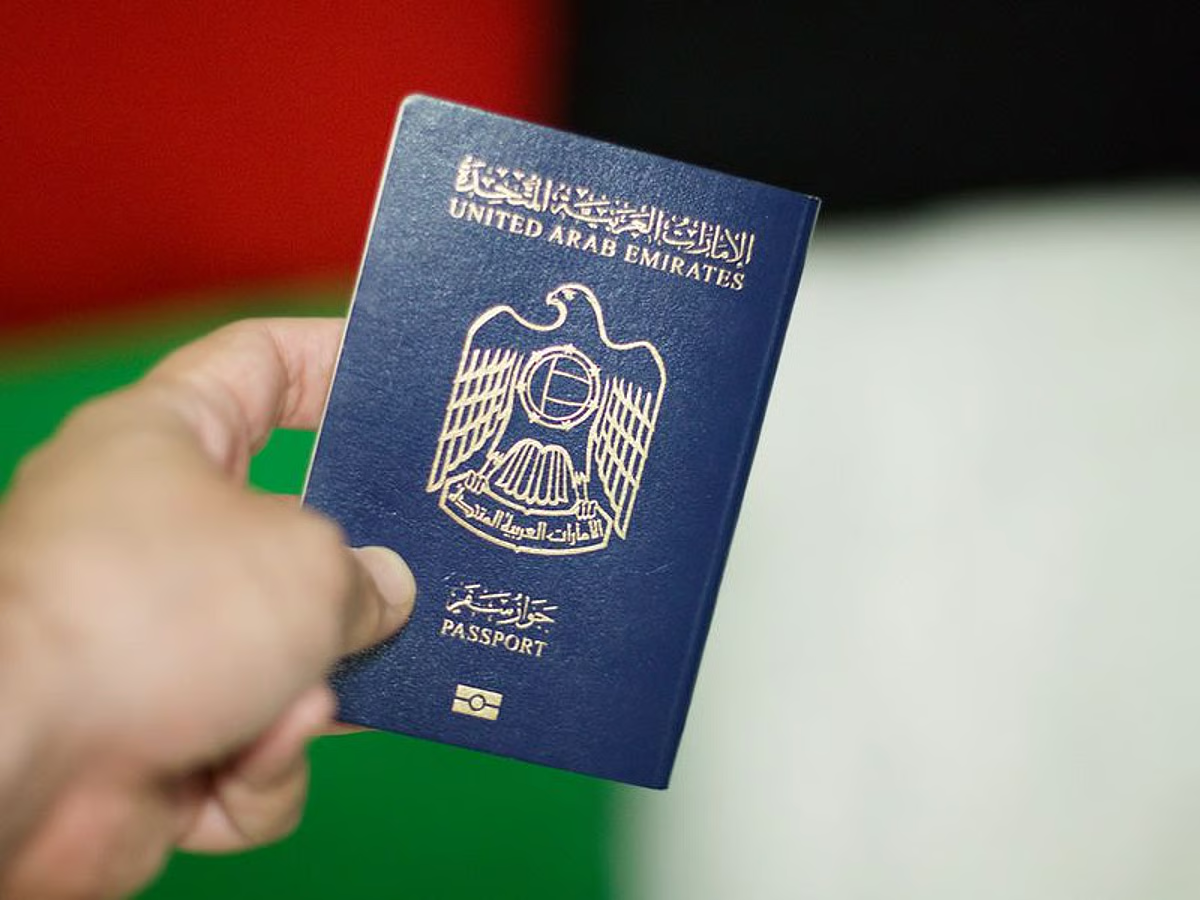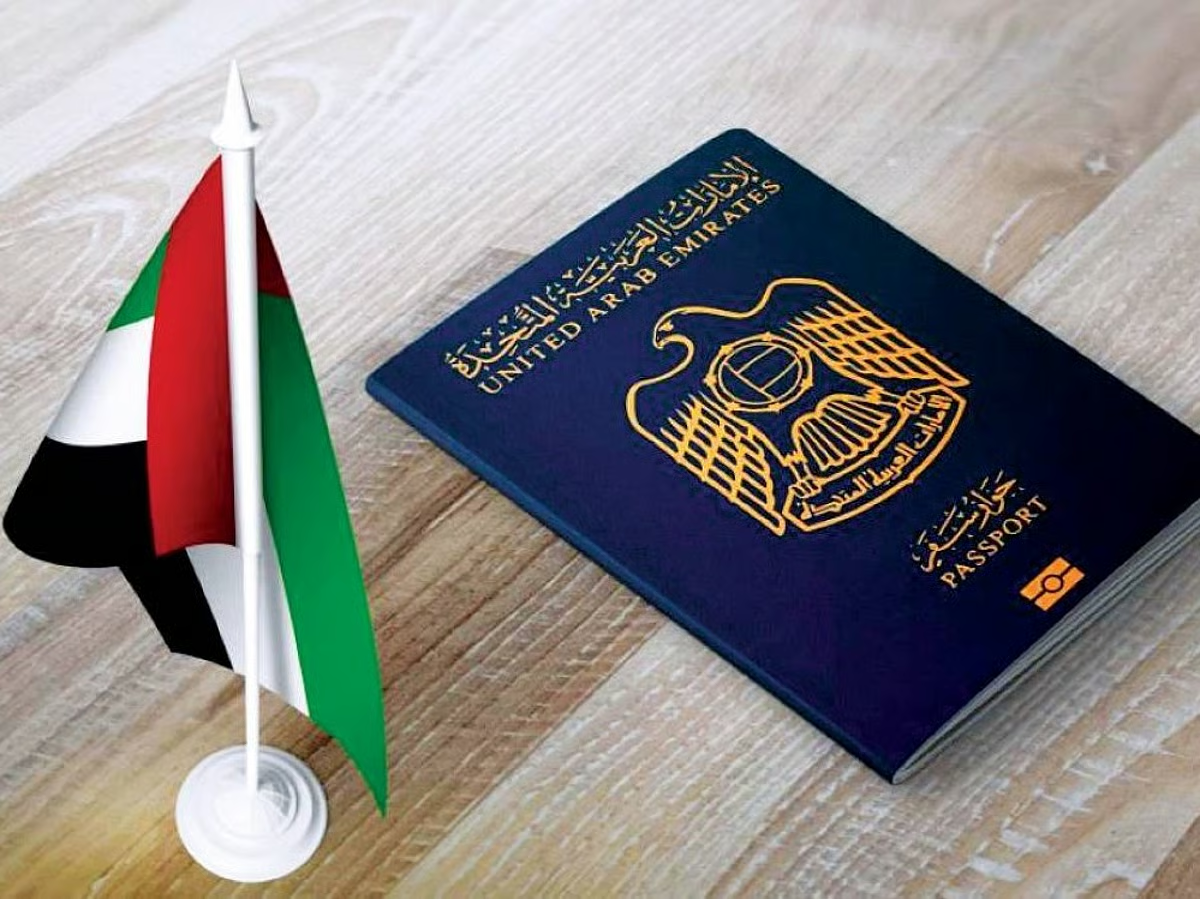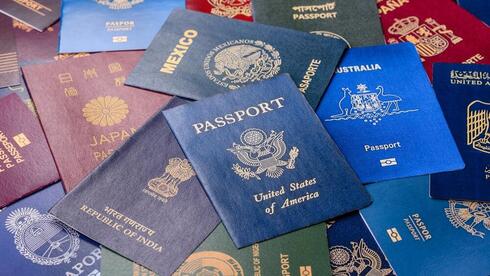
The average passport now provides access to 108 destinations without a prior visa, nearly twice the 2006 figure, even as conflict rises worldwide and the gap between the strongest and weakest passports reaches a record highThe average passport now grants access to 108 destinations without a prior visa, nearly double the figure recorded 20 years ago, even as international conflict and instability have intensified, according to the latest Henley Passport Index.The 2026 edition of the ranking shows that global travel freedom has expanded sharply since the index was launched in 2006, when the average passport provided access to 58 destinations.Gallery(Photo: Tetiana Chernykova / Shutterstock)That expansion has come during a period in which global peacefulness has moved in the opposite direction. Data from the Institute for Economics & Peace’s Global Peace Index shows that peacefulness has declined for 12 consecutive years and that the number of state-based conflicts is at its highest level since World War II.Of the 163 countries assessed by the peace index, 119 are now considered less peaceful than they were in 2008. A total of 103 countries have been involved in an external conflict during the past five years, nearly twice the number recorded when the ranking began.Despite that deterioration, travelers from many countries have gained access to a growing number of destinations through visa-waiver agreements, regional integration and diplomatic deals.Singapore remains at the top of the Henley Passport Index, with its citizens able to enter 192 destinations without obtaining a visa in advance. The United Arab Emirates climbed three places since January to share second place with Japan and South Korea. Each provides access to 188 destinations.The UAE has recorded the largest improvement of any passport since 2006, adding 153 destinations over two decades and moving from the middle of the ranking into its top tier.The United Kingdom rose one place to sixth after gaining visa-free access to China and Malawi, while Canada moved into seventh place following similar gains. The United States remained in 10th place and is among the few highly ranked passports whose holders still require a visa to visit China.The growth in overall travel access has not narrowed the divide between the world’s most and least mobile citizens.In 2006, the United States, Denmark and Finland shared the top position, with access to 130 destinations. Afghanistan ranked last with access to 12, creating a gap of 118 destinations. Two decades later, Singapore leads with 192 destinations, while Afghanistan remains last with 22. The resulting 170-destination difference is the widest recorded by the index.Bolivia was the only country to register a net decline in visa-free access over the 20-year period, losing six destinations. Every other passport included in the index improved its score.The makeup of the top ranks has also shifted away from the traditional dominance of the United States and Western Europe. The United States ranked first in 2006 and the United Kingdom third. They now rank 10th and sixth, respectively. Asian countries have moved higher. Singapore rose from eighth place in 2006 to first, while Japan and South Korea now share second place with the UAE.European countries continue to dominate the upper section of the index, but the field has become more crowded. The top 10 ranking positions now contain 38 passports, compared with 26 in 2006, because several countries share identical scores.Henley & Partners compared its passport ranking with the Global Peace Index and found a strong statistical relationship between peacefulness and mobility.Many countries that perform well on one index also rank highly on the other. Singapore ranks eighth for peacefulness and first for passport access, while Japan, Switzerland, Ireland, Austria, Portugal, Finland, Denmark, New Zealand, Canada, Czechia and Malaysia appear near the top of both lists.The reverse is also true. Afghanistan, Syria and Yemen rank among the least peaceful countries and also hold some of the weakest passports. The comparison, however, contains several major exceptions.Israel ranks 159th on the Global Peace Index but 18th on the passport index. The United States ranks 134th for peacefulness and 10th for travel access. France ranks 99th and fourth, respectively. Other countries whose passports outperform their peace rankings include Ukraine, the UAE, South Korea, Brazil, Mexico and Russia.The gap suggests that passport strength depends on more than domestic stability or the absence of war. Diplomatic relations, economic influence, regional agreements and confidence in a country’s institutions and travel documents can all affect whether other governments waive visa requirements.Israel and the United States are among the clearest outliers. Both rank low on the peace index, which takes military involvement, external conflict and militarization into account, but retain passports that provide broad international access.Daniel Shmeilin, head of Henley & Partners’ Israel office (Photo: Rami Zarnergar)Ukraine is another notable case. Despite ranking 160th on the peace index because of its war with Russia, it holds 31st place on the passport ranking. Its position reflects visa agreements established before the war and increasingly close ties with the European Union.France’s fourth-place passport ranking also contrasts sharply with its 99th-place peace ranking. Its mobility advantage is supported by membership in the European Union and Schengen Area, as well as extensive diplomatic and economic ties.For less wealthy countries, relative peace does not always translate into greater freedom of movement. Many continue to face stricter visa requirements because they have fewer reciprocal agreements, less diplomatic leverage and higher perceived migration risks.The result is a global system in which travel access has expanded substantially but remains highly unequal.Over the past 20 years, the typical passport has become far more useful. But nationality still determines whether a traveler can cross most borders with little preparation or must apply in advance for permission to enter.
Passport power has doubled in 20 years, even as global peace collapses
The average passport now provides access to 108 destinations without a prior visa, nearly twice the 2006 figure, even as conflict rises worldwide and the gap between the strongest and weakest passports reaches a record high
940 words~4 min read