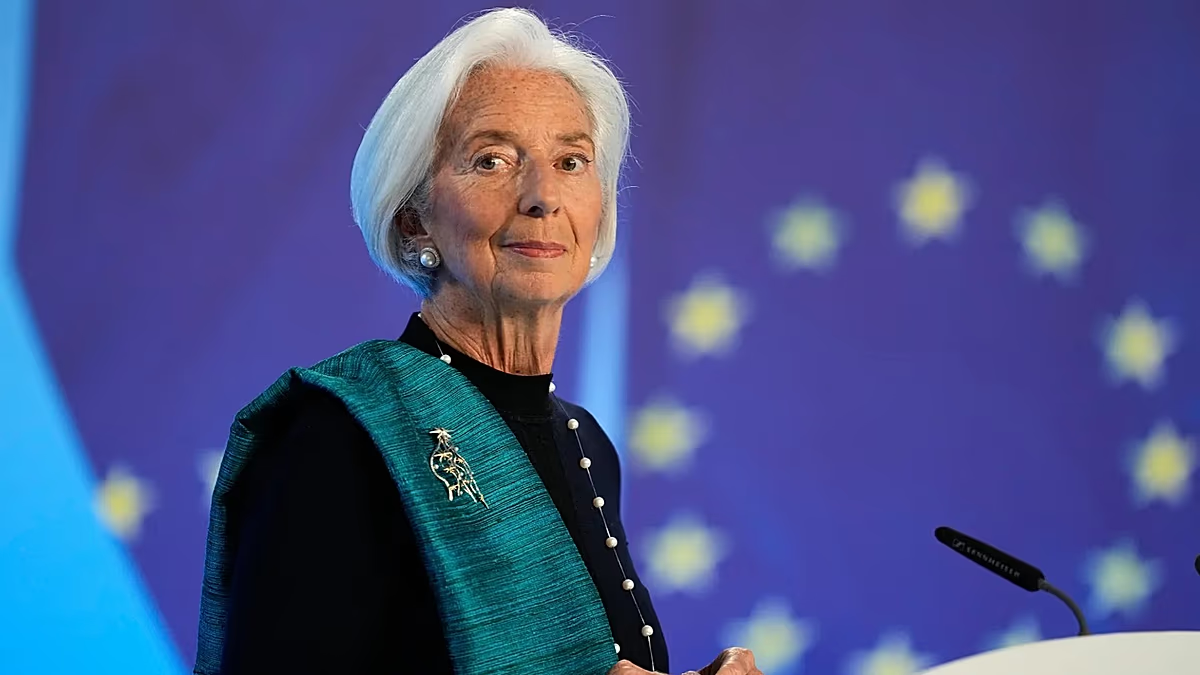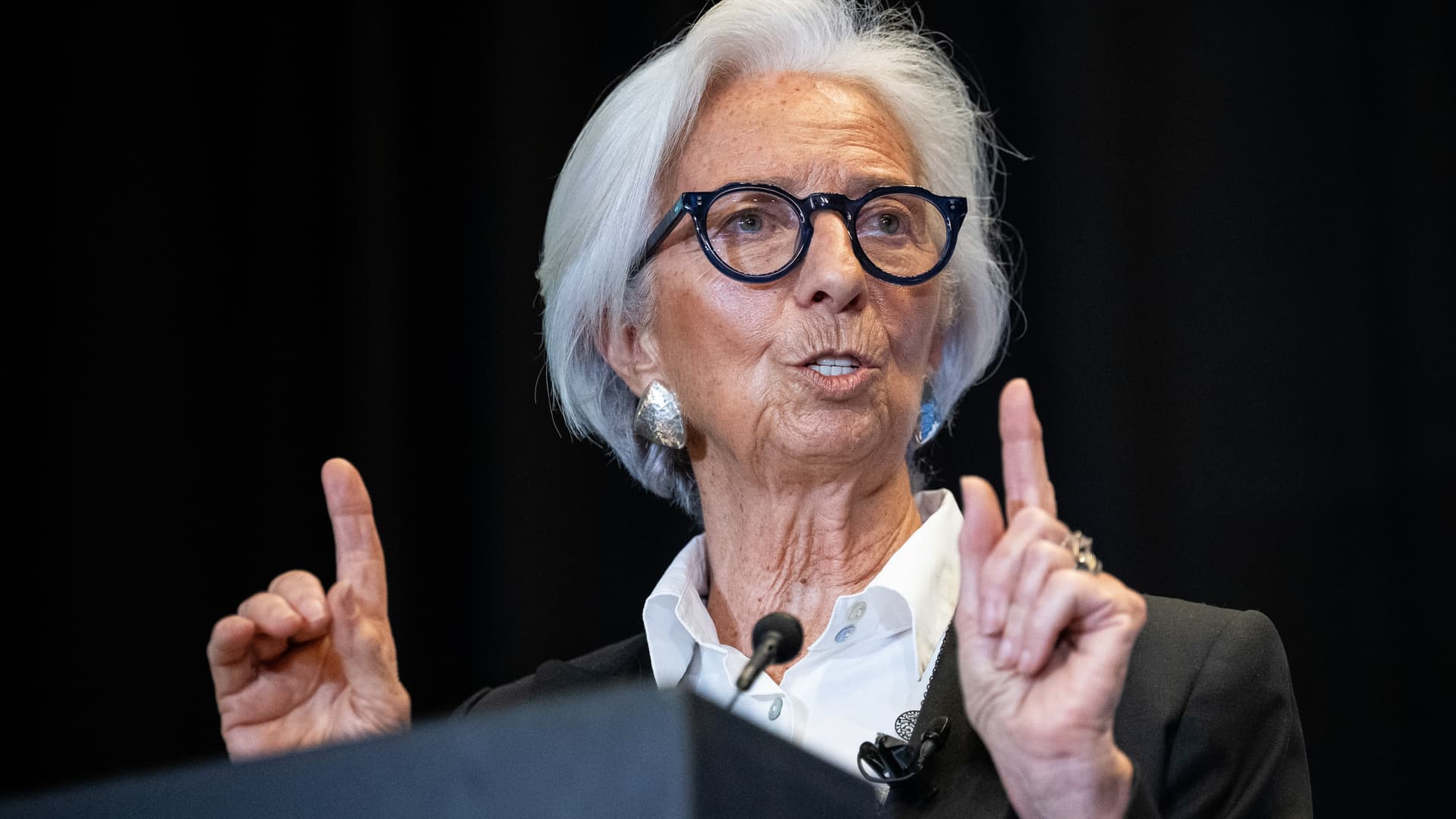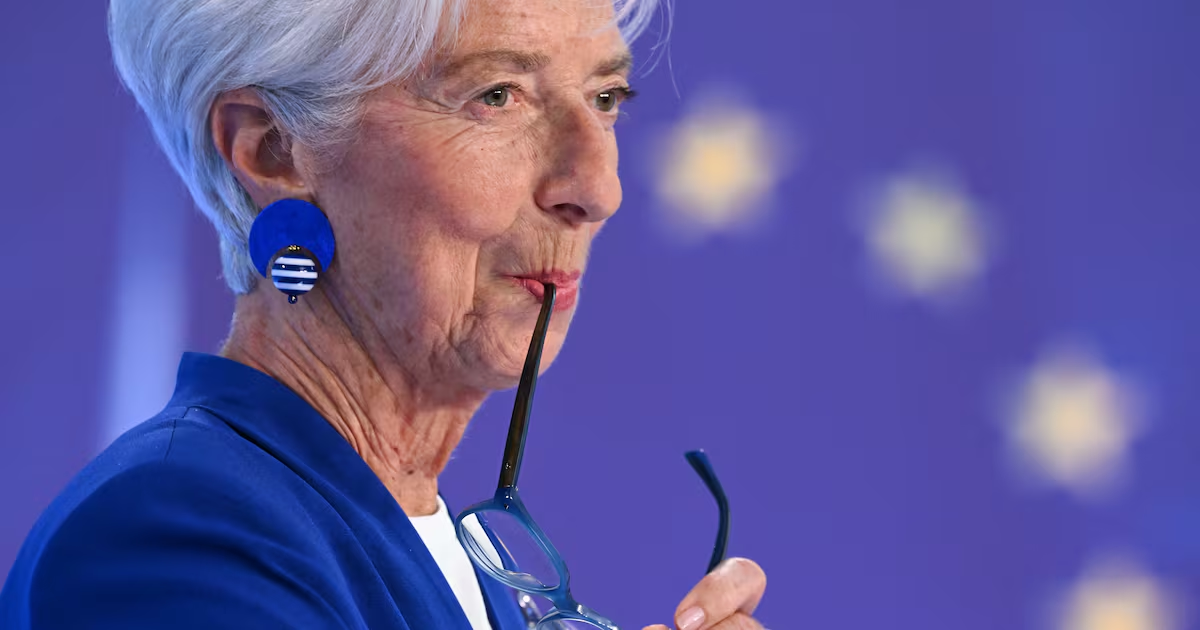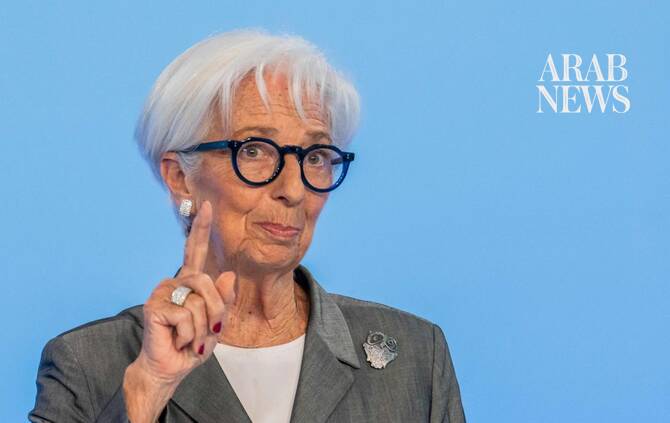
TOKYO, July 23 : The euro rose towards a one-week high on Thursday ahead of a European Central Bank policy decision, with officials expected to keep interest rates unchanged but signal the possibility of a hike in September as rising energy prices threaten to stoke inflation. The ECB raised rates in June and hinted at more tightening to come, but a run of benign data on prices, wages, economic activity and inflation expectations in recent weeks has made a quick follow-up hike less likely.Still, higher oil prices from escalating tensions in the Middle East could prod the bank to adjust rates to prevent the energy shock from sparking a broader price spiral."We have flagged a small risk that the ECB decides to deliver an early hike," said Samara Hammoud, international economist and currency strategist at Commonwealth Bank of Australia, in a note. "A ‘hawkish hold’ is another upside risk to EUR/USD today."
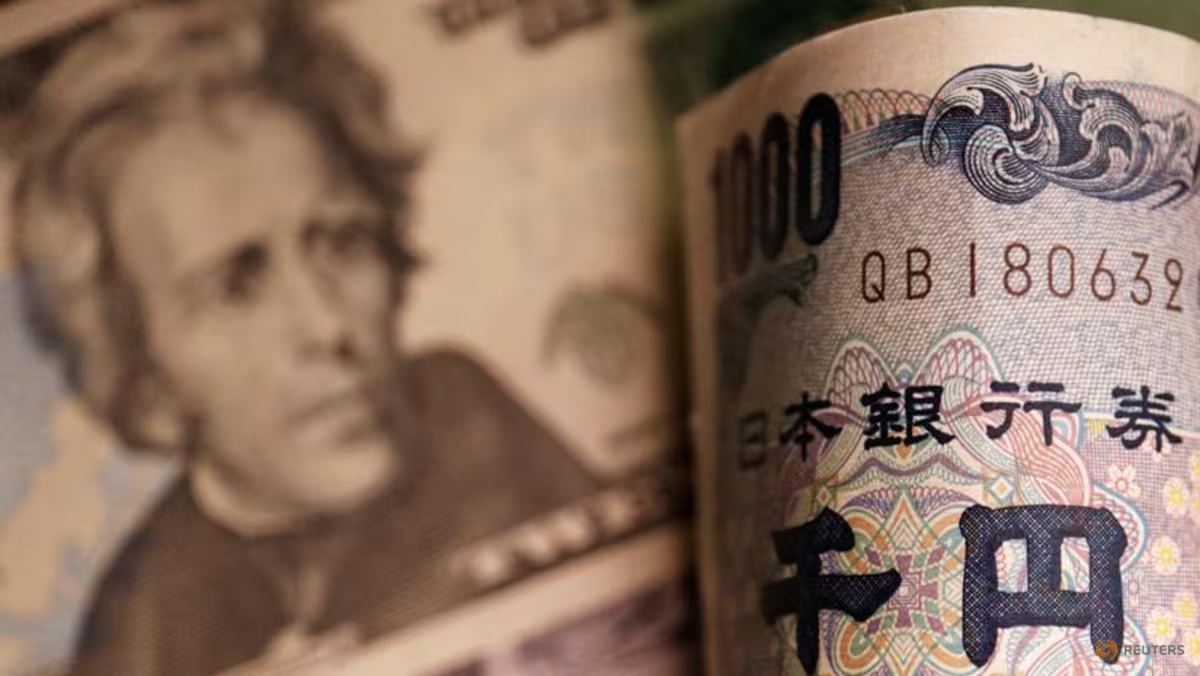
The euro was last up 0.17 per cent at $1.1429.The dollar index, which measures the greenback against a basket of currencies including the euro and Japanese yen, eased 0.13 per cent to 100.98.The U.S. currency has recently been supported by a flare-up in tensions between Washington and Tehran.Oil prices rose more than 1.5 per cent in Asian trade on Thursday to stand at their highest in more than six weeks, after the U.S. launched a new round of strikes on Iran and the Iranian-aligned Houthis claimed military strikes on oil tankers in the Red Sea. The Australian dollar gained 0.23 per cent versus the greenback to $0.7012 while New Zealand's kiwi traded at $0.5818. Sterling rose almost 0.1 per cent to $1.3384.In cryptocurrencies, bitcoin fell 0.5 per cent to $65,557.35. Ether declined 0.44 per cent to $1,917.65.YEN SHOWS LITTLE SIGN OF RECOVERYThe yen edged 0.04 per cent higher against the greenback to 163.05 per dollar.The Japanese currency weakened to 163.23 on Tuesday, its lowest level since December 1986, against a backdrop of broad dollar strength and expectations of a measured approach to rate hikes at the Bank of Japan.The latest Reuters survey published on Thursday showed 86 per cent of economists believed the BOJ will raise rates again this year, possibly as soon as October, though 95 per cent expected the bank to leave rates unchanged this quarter.Japan's finance minister has repeatedly issued verbal warnings about possible intervention in the currency market, including on Thursday saying the government was ready to take decisive action on foreign exchange as needed. Tokyo carried out yen-buying operations in April and May, when the yen weakened beyond the 160-per-dollar level. The Reuters poll showed nearly 80 per cent of economists said dollar/yen at around 160 was too weak relative to Japan's economic fundamentals.The dollar's break above 163 yen, a level that had previously capped the pair, has sharpened intervention concerns, though the lack of forceful warnings from Japanese officials has led some investors to think authorities may be tolerating further yen weakness, said Kumiko Ishikawa, senior FX market analyst at Sony Financial Group. "At the same time, there is also a view that authorities will not necessarily follow the same playbook every time. So the market is left uncertain over when intervention might come," she said.