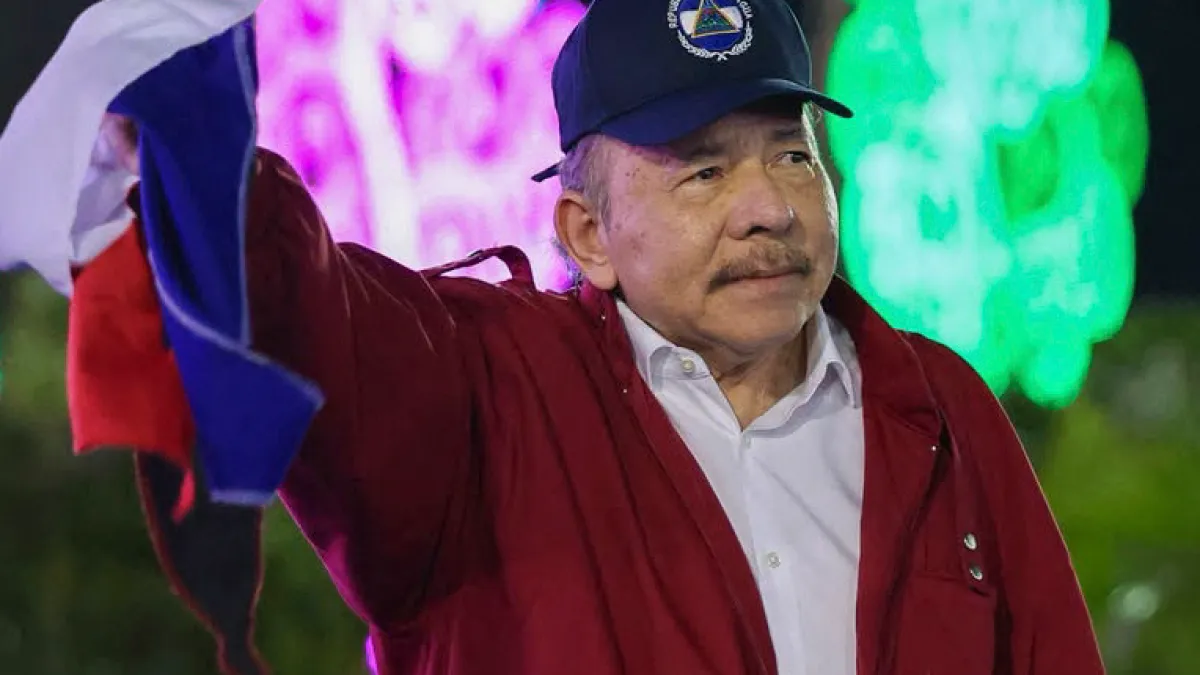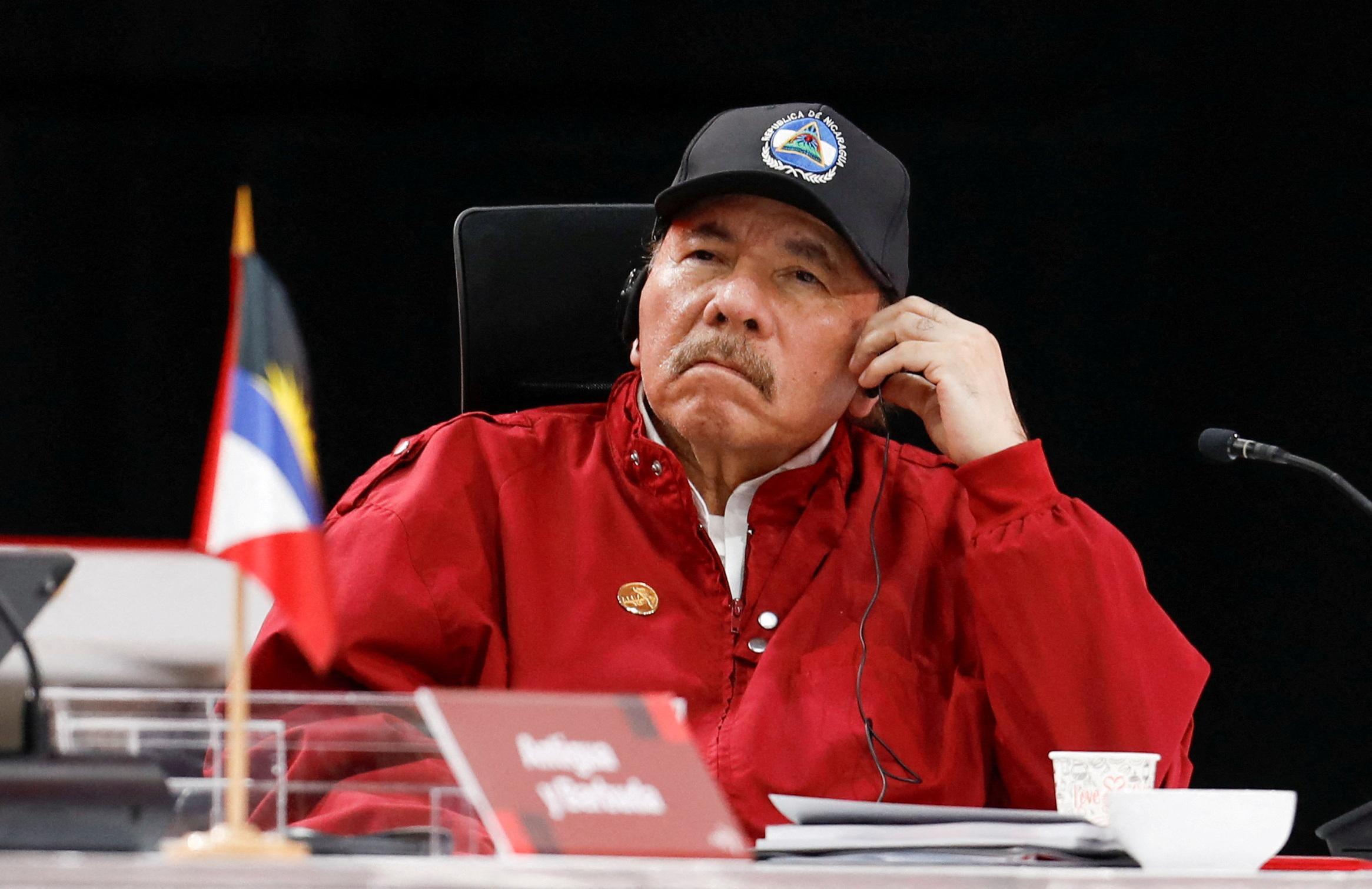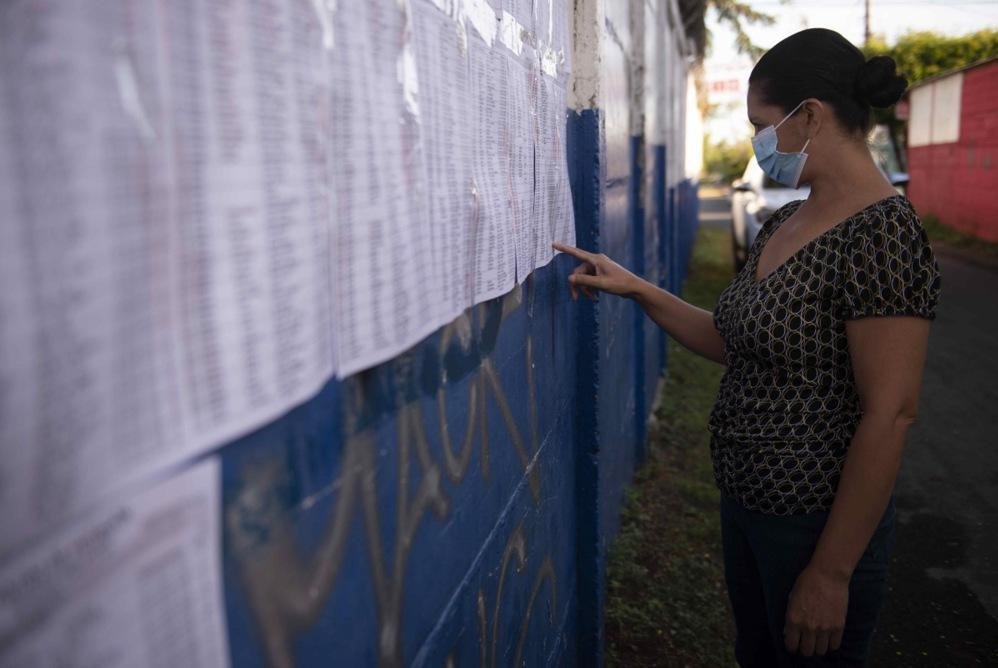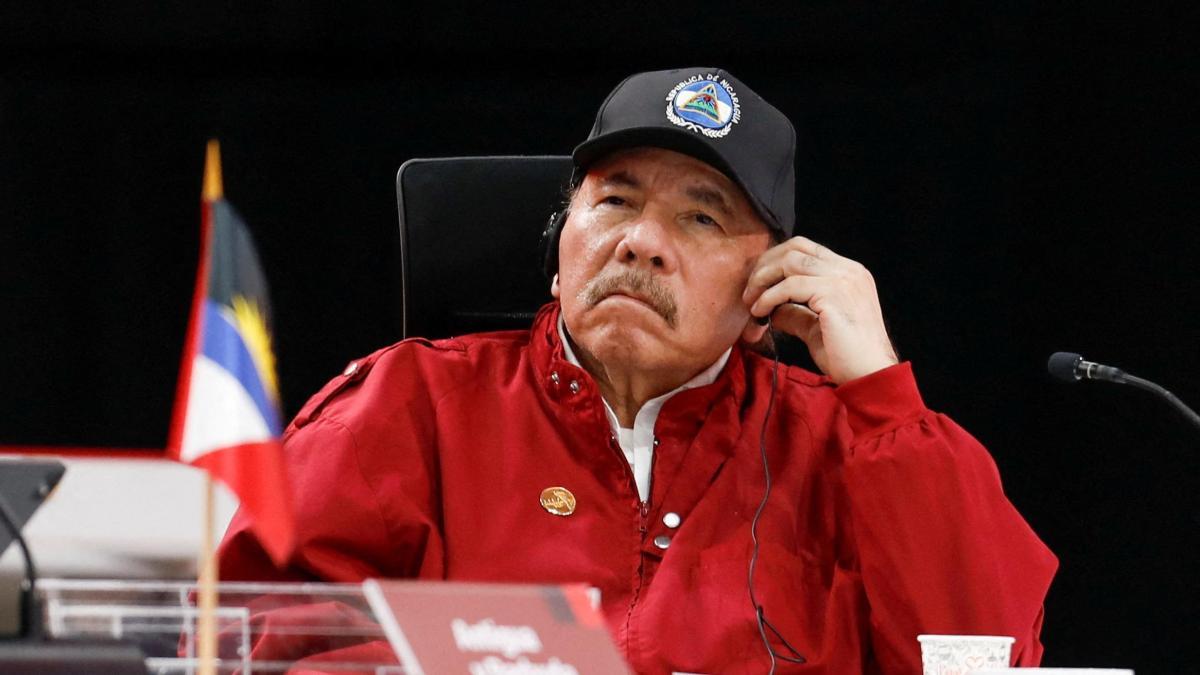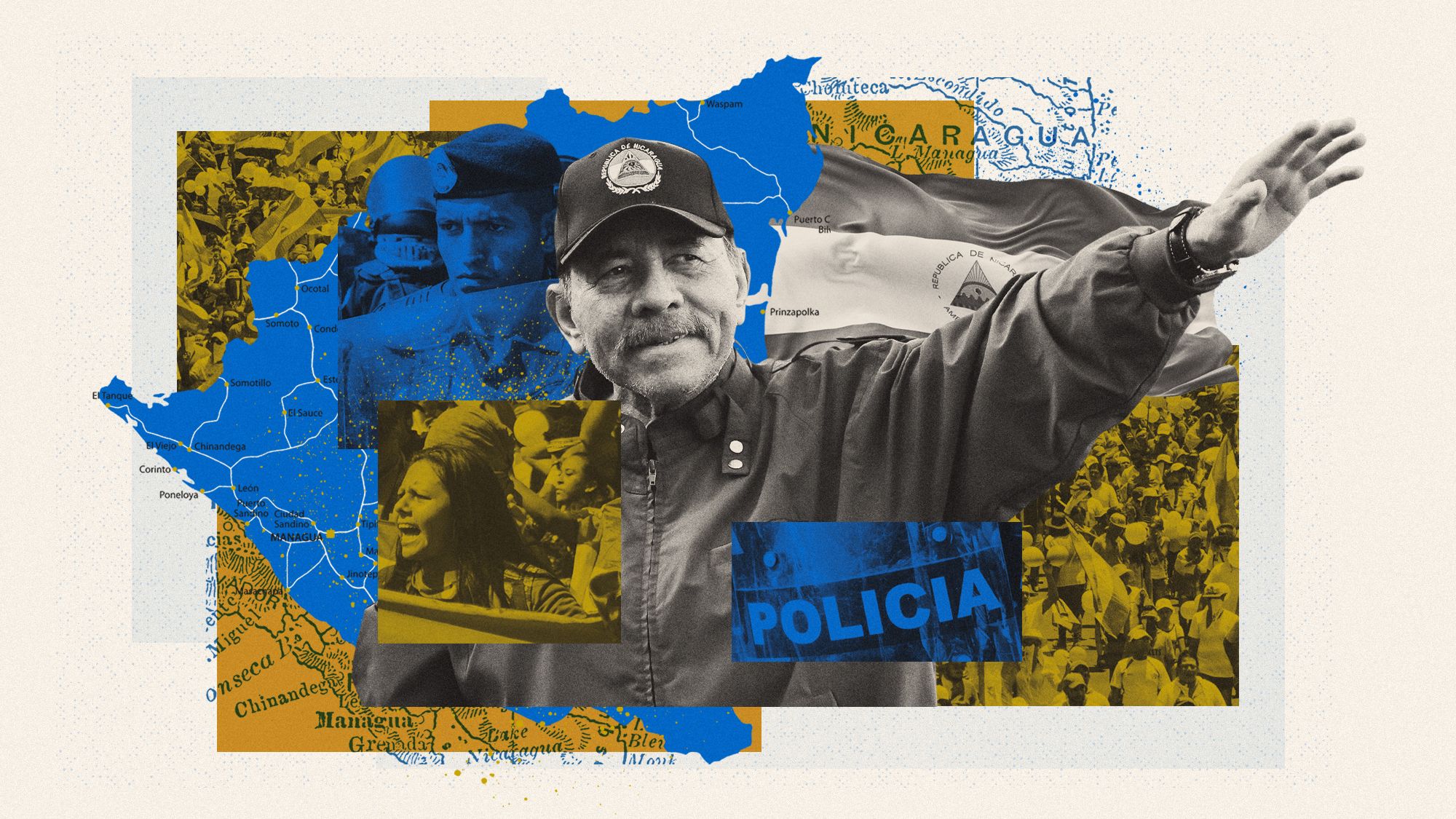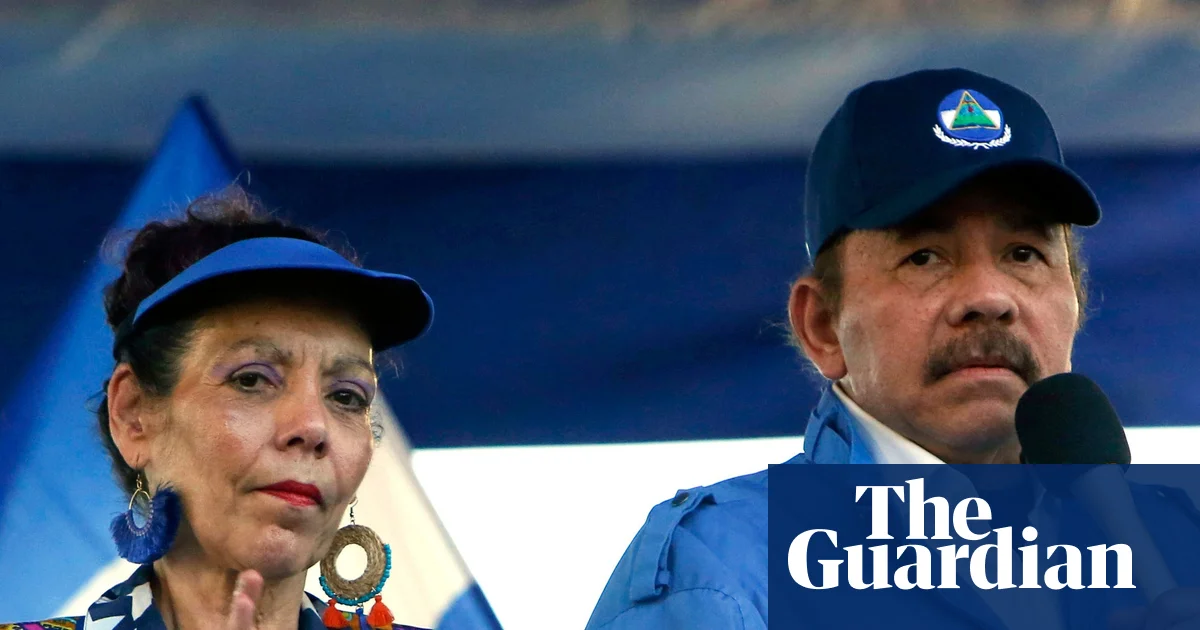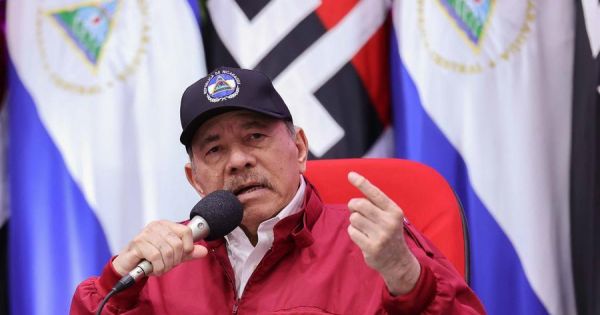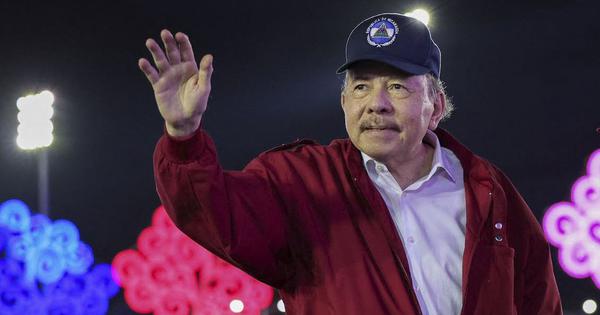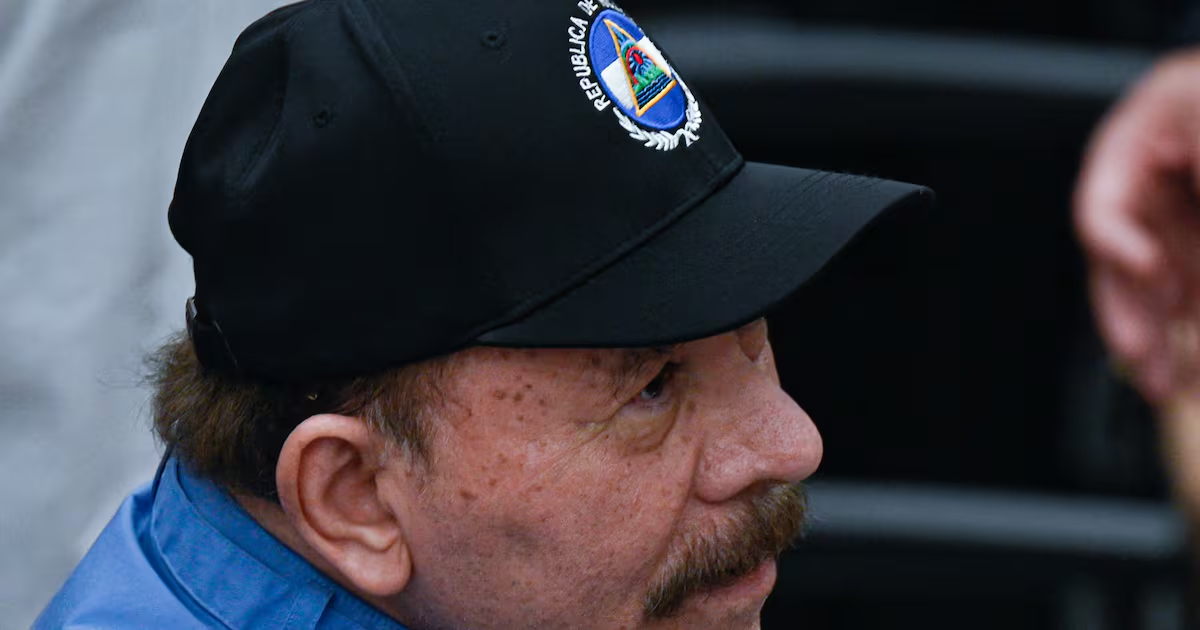
Daniel Ortega announced this week there will be no more elections in Nicaragua, where he has consolidated his family’s power by making his wife Rosario Murillo co-president and promoting his children to senior positions. Why has Washington so little to say about it?No more electionsOrtega’s declaration last Sunday that he would “build a wall” against the opposition by abolishing elections was the latest step on his path of transformation from revolutionary hero to blood-soaked tyrant. So it was fitting that it came on the anniversary of the Sandinista revolution in 1979 that overthrew the dictator Anastasio Somoza, whom he has come increasingly to resemble.“There will be no more elections here so that they can try to seize the government, seize power,” he said.Nicaragua’s national assembly said on Tuesday that it will initiate constitutional and legal changes to put Ortega’s instruction into effect, “to ensure peace, security, stability and continued progress against poverty”.Ortega led the left-wing government that took power after the revolution and was elected president in 1984, an office he held until he lost an election in 1990. The Sandinistas’ loss of power was a shock and disappointment for the movement and its international supporters but the peaceful transfer of power appeared to reinforce its democratic credentials.By the time Ortega returned to power in 2007, he had purged many of his former comrades and was now ready to form alliances with Nicaragua’s powerful business groups. But he benefited from the Pink Tide that saw left-leaning governments take power in Venezuela, Brazil, Argentina, Bolivia and Ecuador at the start of this century.Internationally, Ortega took Nicaragua into the Bolivarian Alliance for Our Americas, a regional bloc led by Venezuela under Hugo Chávez. Venezuela not only offered an important export market but a generous flow of foreign aid that allowed Ortega to fund transfers to poor households that cut poverty in half and dramatically reduced child malnutrition.Chavez’s death in 2013 was followed a year later by an oil-price crash that hit Venezuela hard, prompting a gradual tightening of its aid to like-minded countries in the region. By April 2018, Nicaragua’s public finances were under strain and Ortega announced an increase in social security contributions and a cut in benefits.Student demonstrations against the move met with violent resistance from Sandinista supporters but the protests spread, picking up support from farmers as well as young people in the cities. Ortega withdrew the planned reforms at the end of April but the protesters had by now built physical barricades and were demanding that he should go.As the opposition grew, even Ortega’s allies in the business organisations abandoned him but he sent groups of armed Sandinistas out with police to break up the protests and raze the barricades. When hundreds of thousands of people took to the streets on Mothers Day, May 30th, police fired live ammunition into the crowd, killing at least 16 people and injuring almost 200.Police and other armed groups crushed the uprising through sheer brutality by mid-July and by the time Ortega banned all political demonstrations in late September, they had killed more than 300 people and injured more than 2000. Ortega won a fourth consecutive term as president in 2021 after he jailed all viable potential rivals, with his wife as his running mate for the second time.As vice-president, Murillo became increasingly powerful until Ortega changed the constitution last year to appoint her co-president, and one of the ruling couple’s sons, Laureano Ortega Murillo, has taken control of much of Nicaragua’s foreign policy. He was instrumental in the country’s shift in 2021 from recognition of Taiwan to Beijing, a step that has been followed by major Chinese investment in the country.Nicaragua also enjoys a close relationship with Russia and the two countries last year signed an agreement that expands military co-operation through joint training and intelligence exchanges. Russia has a permanent military presence of about 250 in Nicaragua and maintains a signals intelligence base there.Donald Trump’s former (and now estranged) national security adviser John Bolton once described Cuba, Venezuela and Nicaragua as a “troika of tyranny” in Latin America. But while Trump this year kidnapped the Venezuelan president and threatened to change the regime in Cuba, the administration has threatened no such action against Nicaragua.This reflects the fact that Nicaragua is less strategically important, without Venezuela’s oil or Cuba’s proximity to the US and it has less salience in American politics. Ortega has avoided confrontation with Washington, even making occasional gestures of appeasement in recent months including the release of some prisoners and the tightening of visa restrictions for Cubans.After Ortega said on Sunday that there would be no more elections, secretary of state Marco Rubio issued a two-paragraph statement saying the Nicaraguan people had the right to elect their own leaders and calling on the international community to join forces in opposing the move.Meanwhile, the European Union has said nothing.Please let me know what you think and send your comments, thoughts or suggestions for topics you would like to see covered to denis.globalbriefing@irishtimes.com
The revolutionary hero who is now a blood-soaked tyrant
Global Briefing: Ortega announced this week there will be no more elections in Nicaragua, but the United States has little to say on it
833 words~4 min read