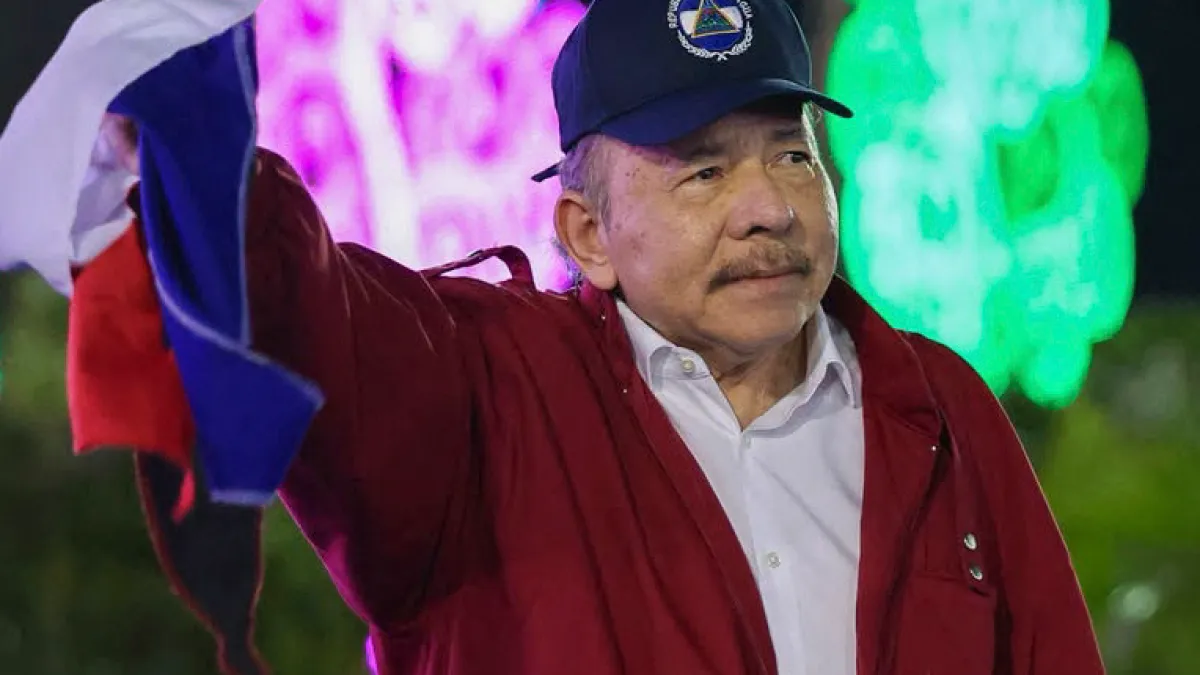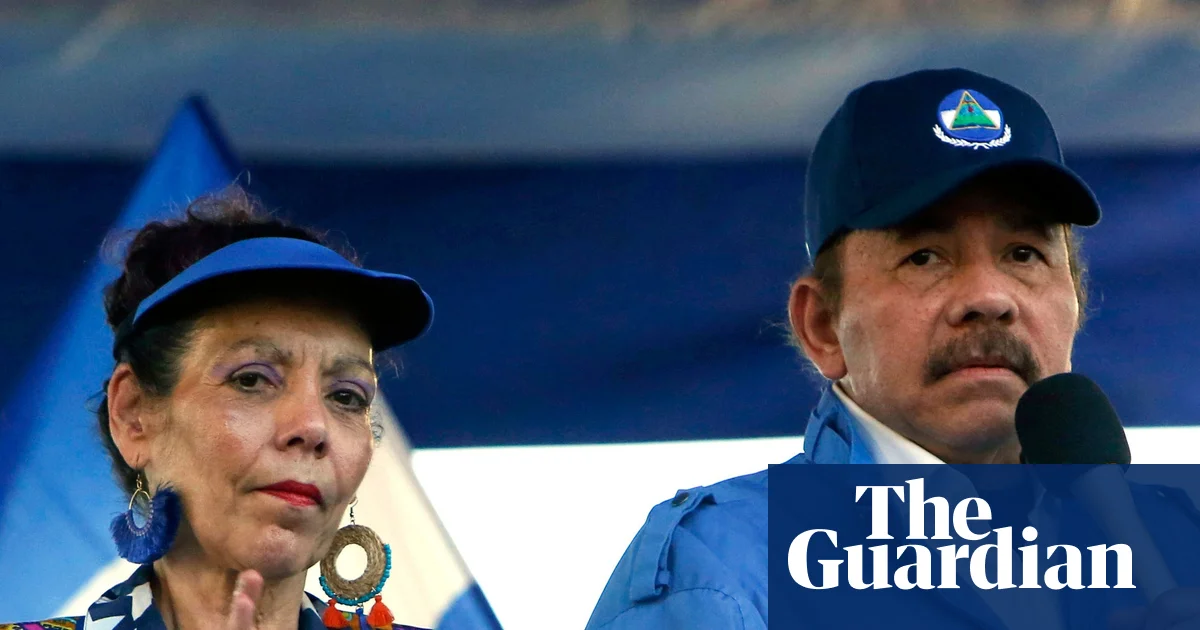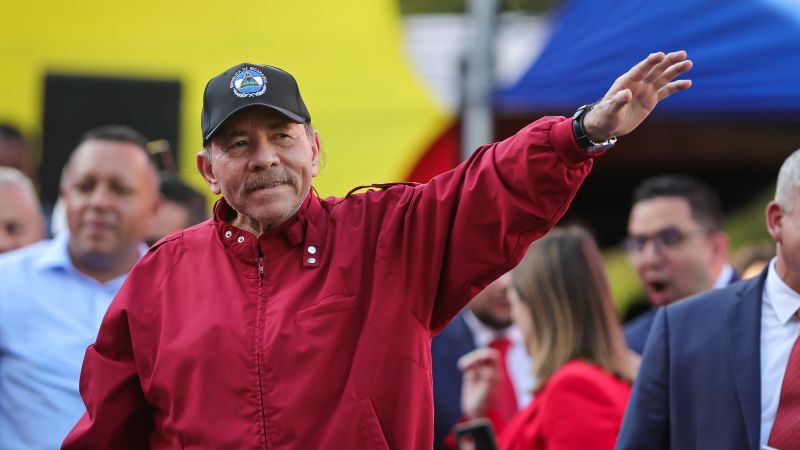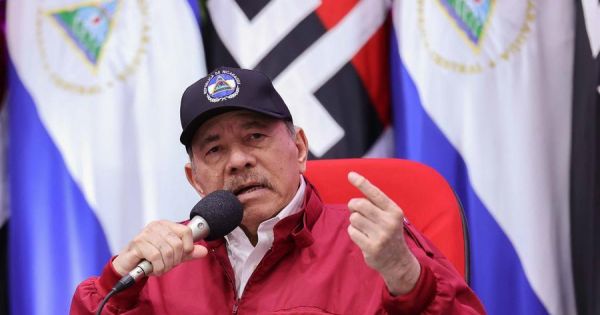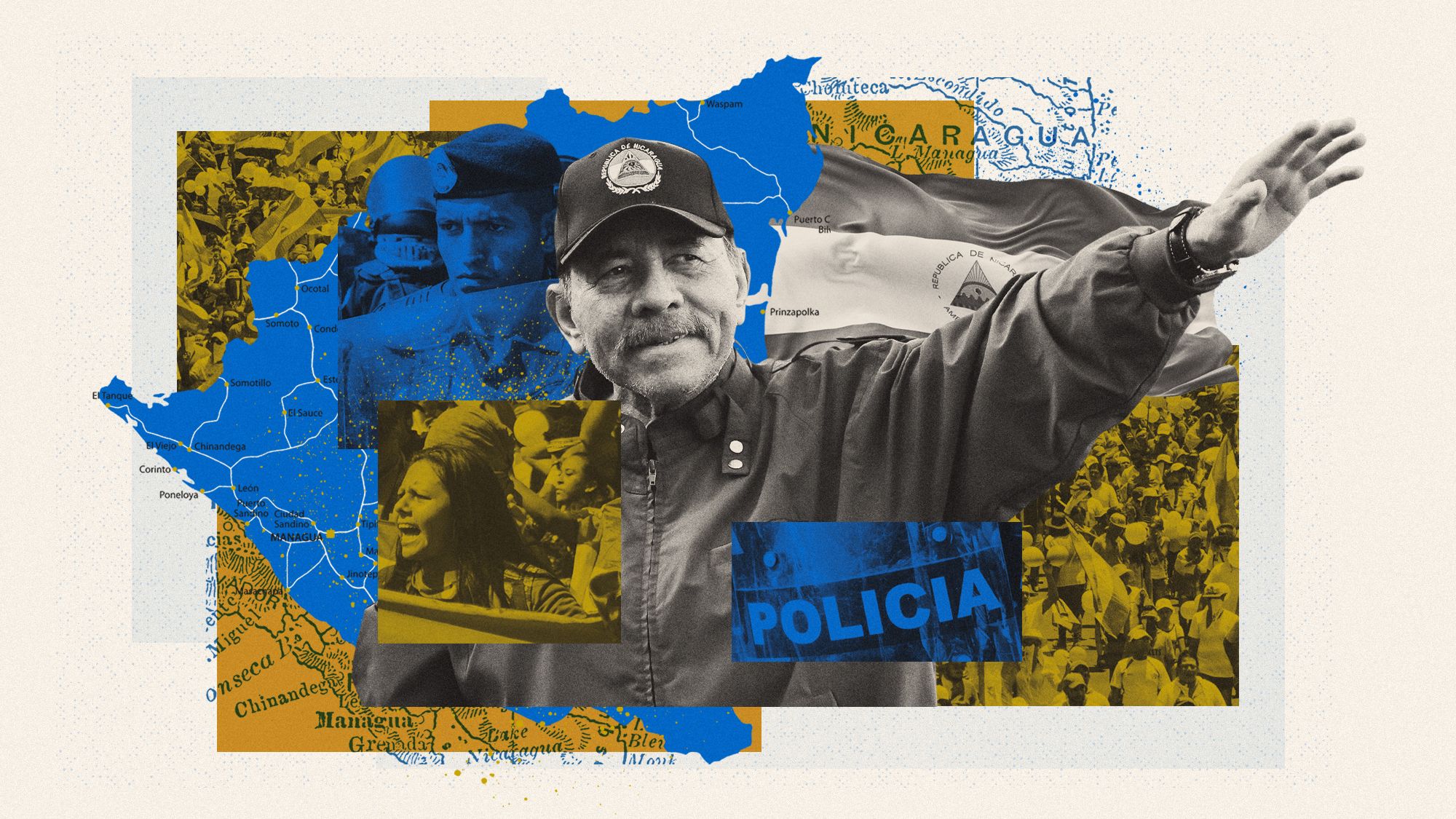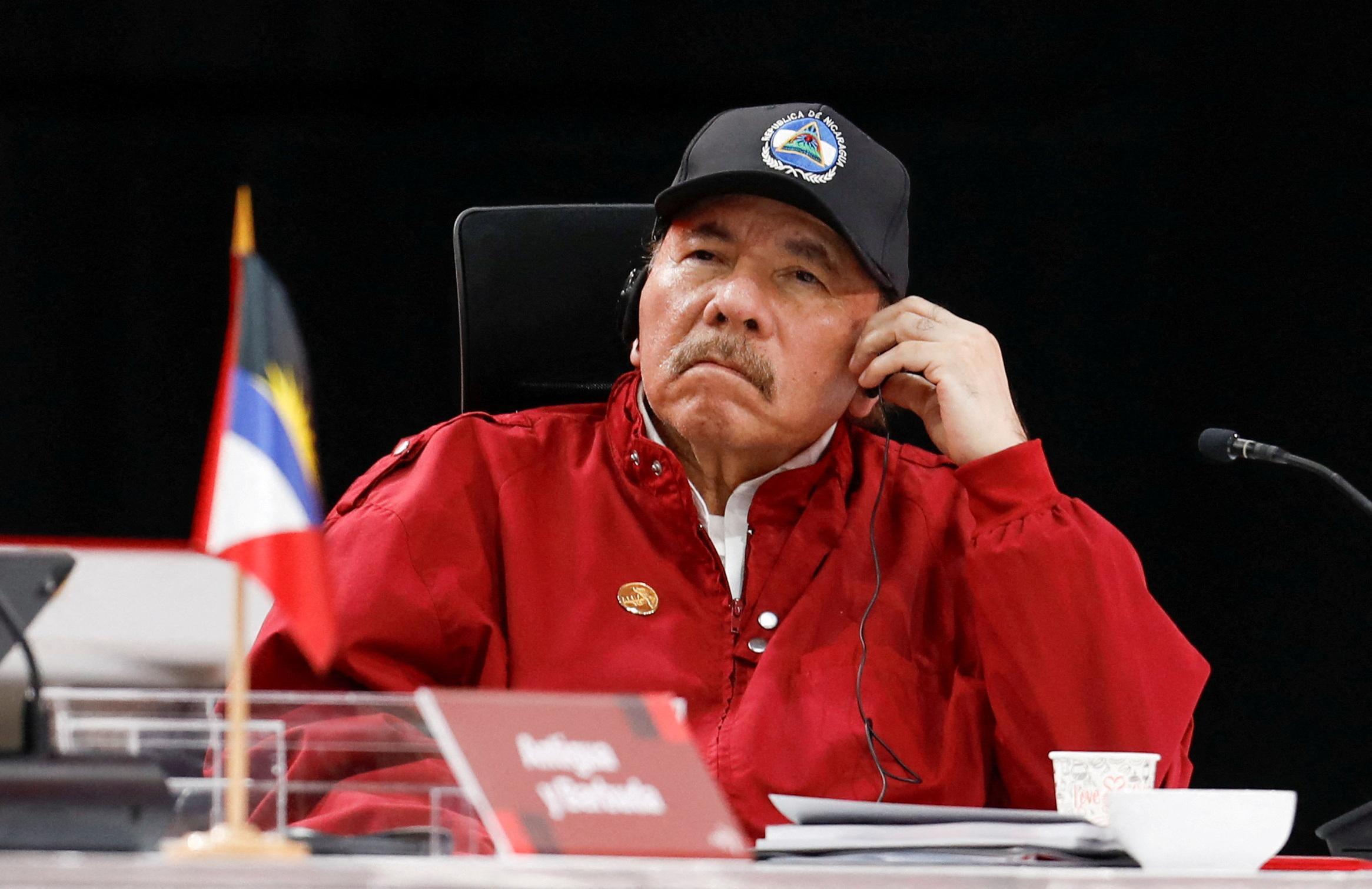
WASHINGTON—Daniel Ortega’s declaration on July 19 that Nicaragua will hold no more elections is a message to three audiences: to the Nicaraguan opposition, that resistance is futile; to his own political and security apparatus, that the ruling family intends to remain in control; and to Washington, that he believes the United States will condemn but ultimately tolerate the permanent closure of Nicaragua’s political system.
The statement is meant to project confidence, but it betrays anxiety. Ortega’s attempt to show strength and discourage defections instead exposes the family’s fear of succession, fracture, and an organized democratic alternative. Autocrats do not outlaw what they do not fear.
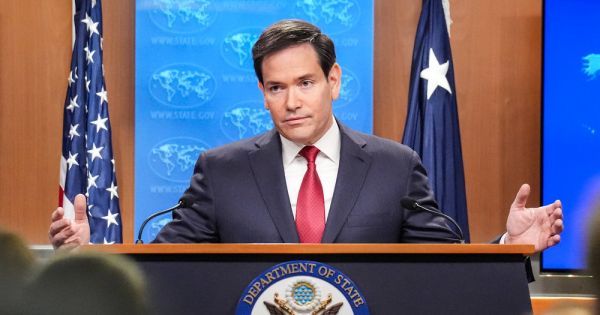
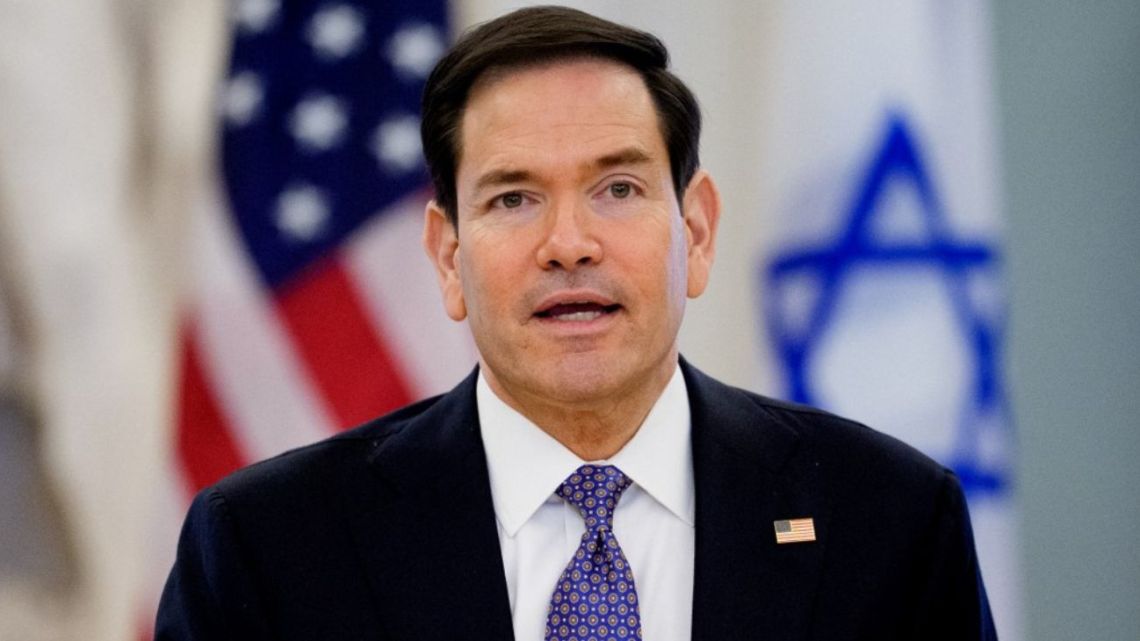
Now, as Nicaragua’s National Assembly moves to formalize Ortega’s declaration law, the United States should act. Specifically, Washington should move beyond statements and turn US Secretary of State Marco Rubio’s recent call for international action into a regional strategy that protects Nicaragua’s democratic forces, counters transnational repression, raises the costs of authoritarian consolidation, and prepares for a political opening in the country.
In context: Ortega’s statement is an escalation