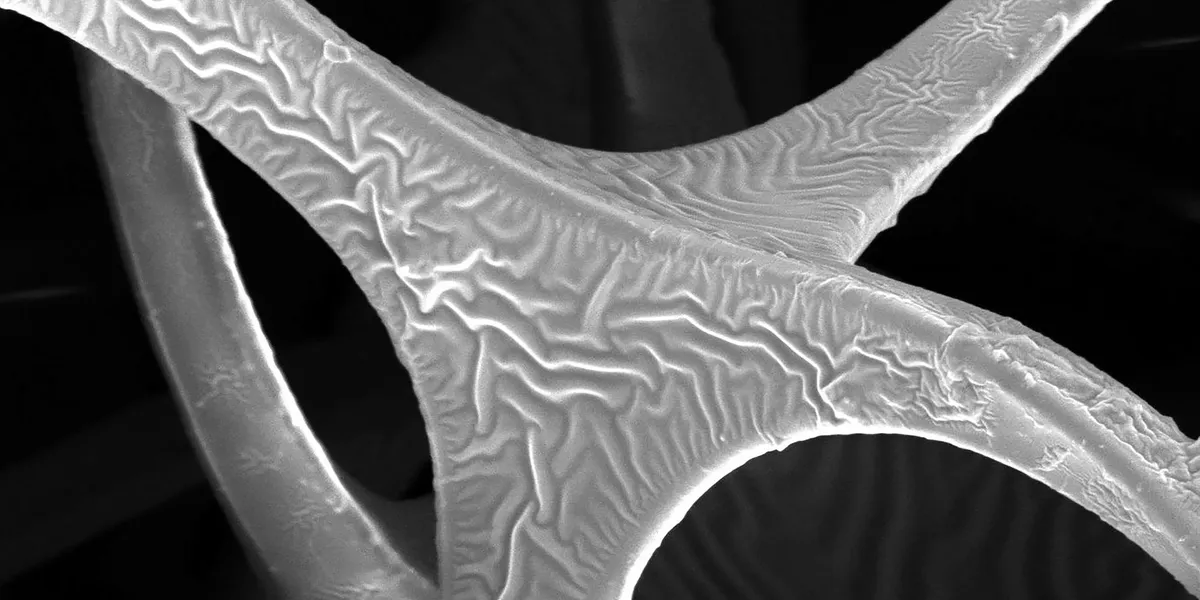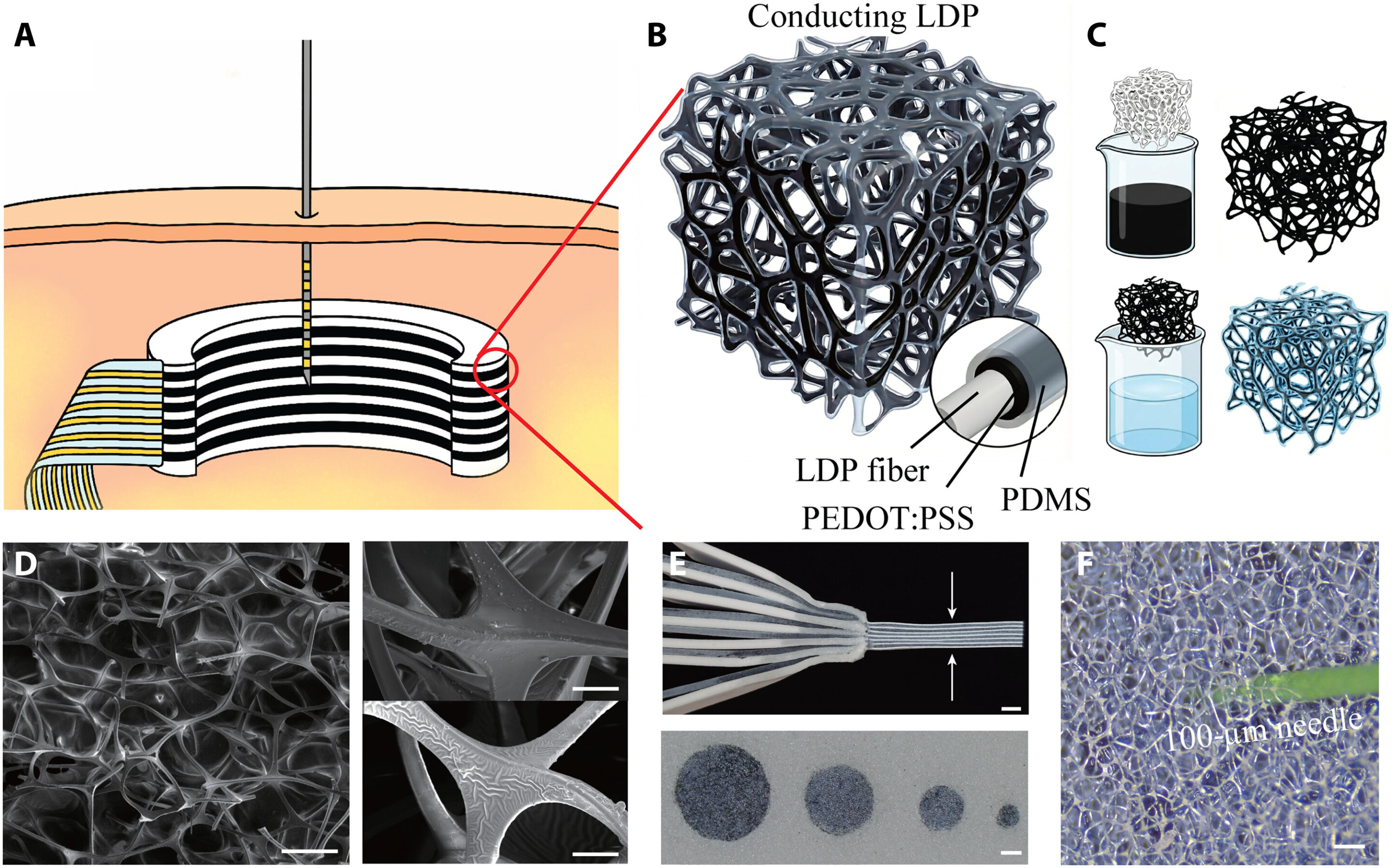
Structure and material composition of the IBO. Credit: Science Advances (2026). DOI: 10.1126/sciadv.aee9688
Implanted medical devices are instruments placed surgically in the body. Many are battery-powered or can be wirelessly recharged. While they can be lifesavers, they are not without problems. They can run out of battery power, and wireless methods for transferring power and data have technical limitations.
One possible solution would be a physical plug that connects an implanted device to external equipment. But that would introduce more issues. The wound would have to remain open, increasing the risk of infection, while rigid materials could also damage surrounding tissue.
To address the challenge, scientists at the University of California, Irvine, have developed a soft, tissue-like port called the Implantable Bioelectronic Outlet, or IBO. It is essentially a hidden electrical socket beneath the skin. If doctors need to download high-speed data, recharge an implanted battery or deliver electrical stimulation, they can insert a tiny needle directly through the skin into the soft port.
Details of the technology are published in the journal Science Advances.