Deep brain stimulation has come a long way, but neuroscientists still must choose between stimulating the brain safely or stimulating it precisely. Non-invasive methods are safe, but electrical signals get weaker before reaching deep brain areas. Implanted deep brain devices are precise, but they require more complex surgery and hardware. Carnegie Mellon researchers have narrowed the difference and developed a minimally invasive floating wire interface for precise transcranial deep brain stimulation in work that was recently published in Brain Stimulation.
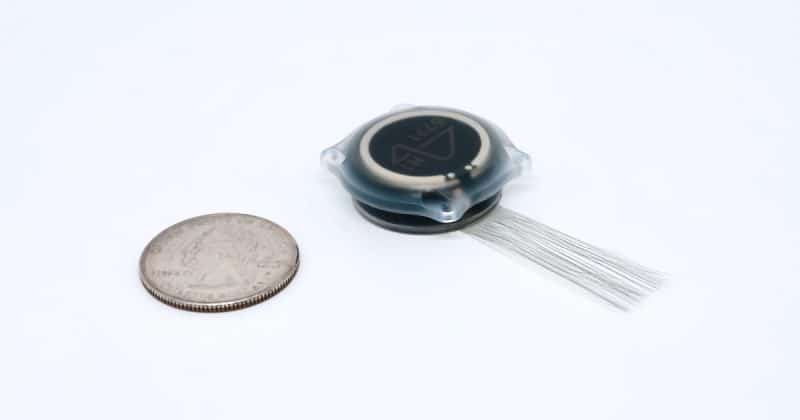
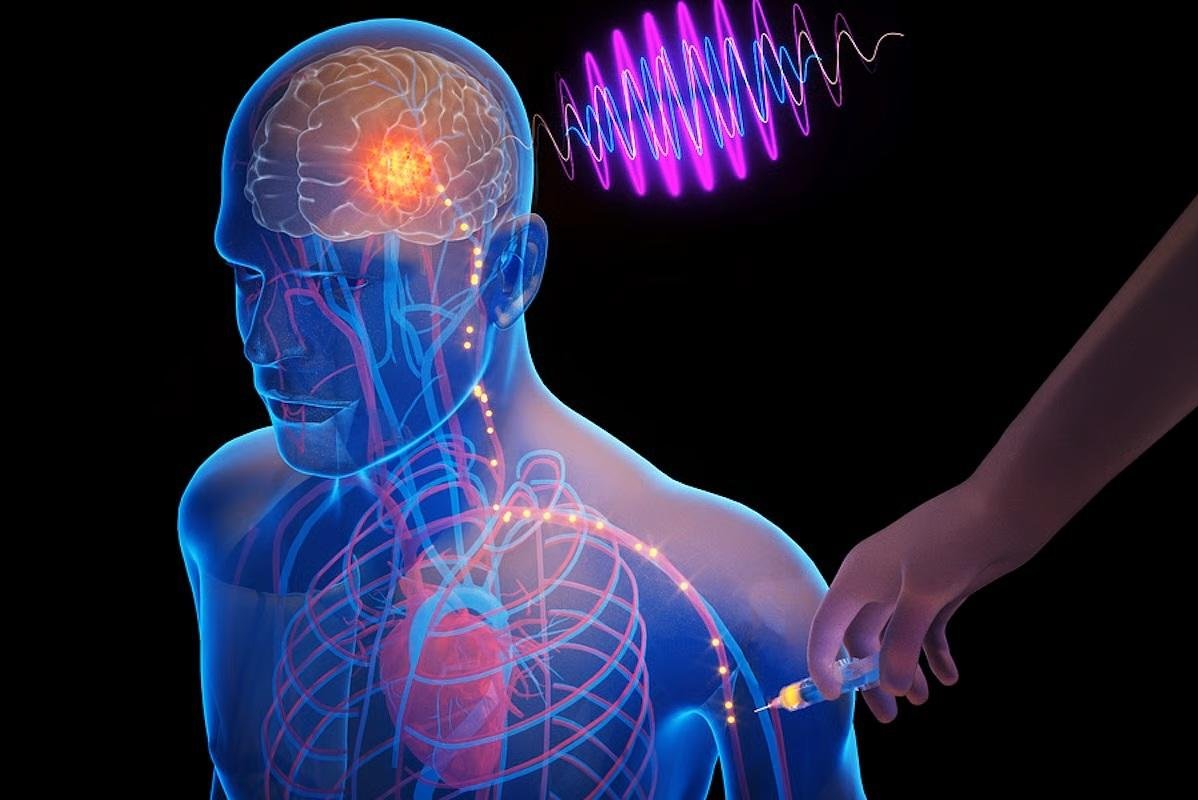
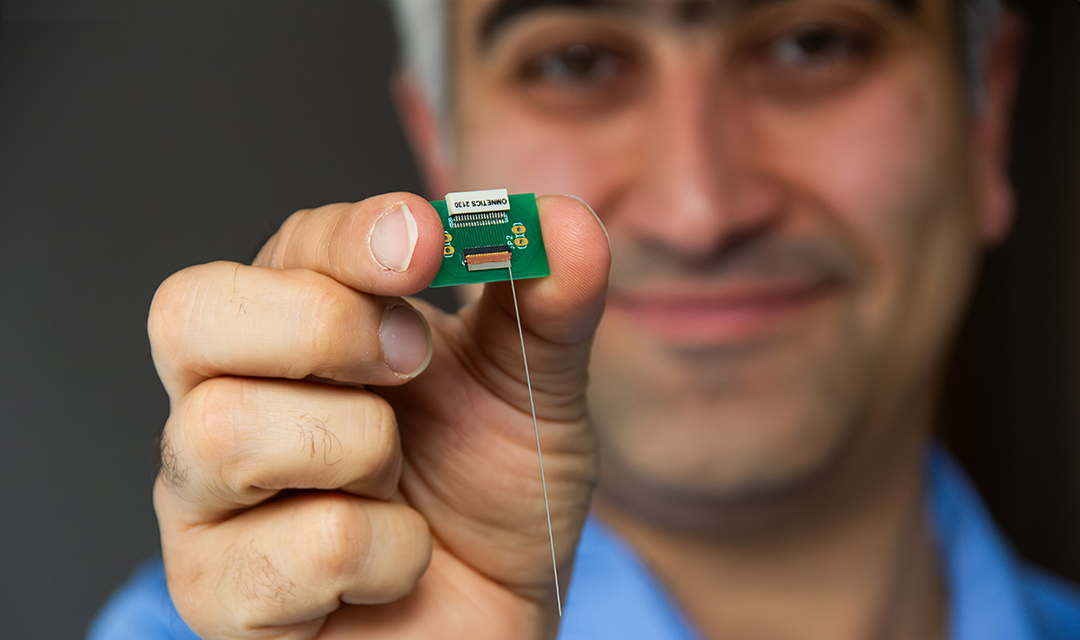
Instead of implanting a full device, the team showed that a simple conductive hair-like wire inserted into a deep brain region could deliver a stronger, more focused signal exactly where it’s needed. The refined floating transcranial electrical stimulation (FLOATES) is a passive wire structure that reshapes how electric energy moves through the brain. The passive wire bundle is untethered, containing no battery or electronics. When current is applied across the scalp from outside, the wire acts as an electrical shortcut, concentrating and relaying the electric field down to its tip in the deep brain.
“The wires act like a pathway, guiding the electricity straight to the deep target,” explains Maysam Chamanzar, professor of electrical and computer engineering and the Neuroscience Institute, who led the project. “My vision was to design the electric counterpart of an optical lens that relays images, but for electric fields. Our wire bundle relays transcranial stimulation fields into deep brain regions such as basal ganglia nuclei, critical for mitigating conditions such as Parkinson’s disease and mental illnesses.”