Patient recovery from many debilitating conditions and diseases could be sped up significantly and be more effective if drugs and therapeutic molecules were delivered right to where they are needed in the body, over the entire regenerative process, and in doses finely tuned to therapeutic needs. An intriguing way to achieve this is the use of implantable, synthetically engineered, living cells that can sense injury or disease-associated conditions in their environment and flexibly respond by producing the right amount of a therapeutic molecule. Bacteria, in particular, are promising in this regard as they can thrive in harsh physiological environments within the body, such as within infected or inflamed tissues, tissues undergoing mechanical movements, and tumors. Some of these microbial therapies have even advanced into clinical trials to treat certain cancers, metabolic disorders, and the progression of kidney stones. However, thus far, such trials have failed, and microbes are feared to also pose significant safety risks because they cannot be contained at specific sites in the body.
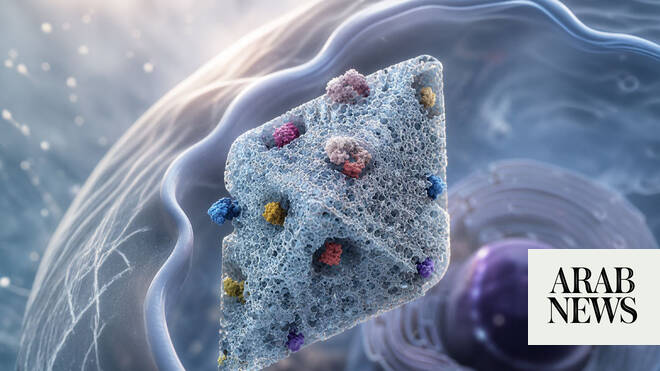
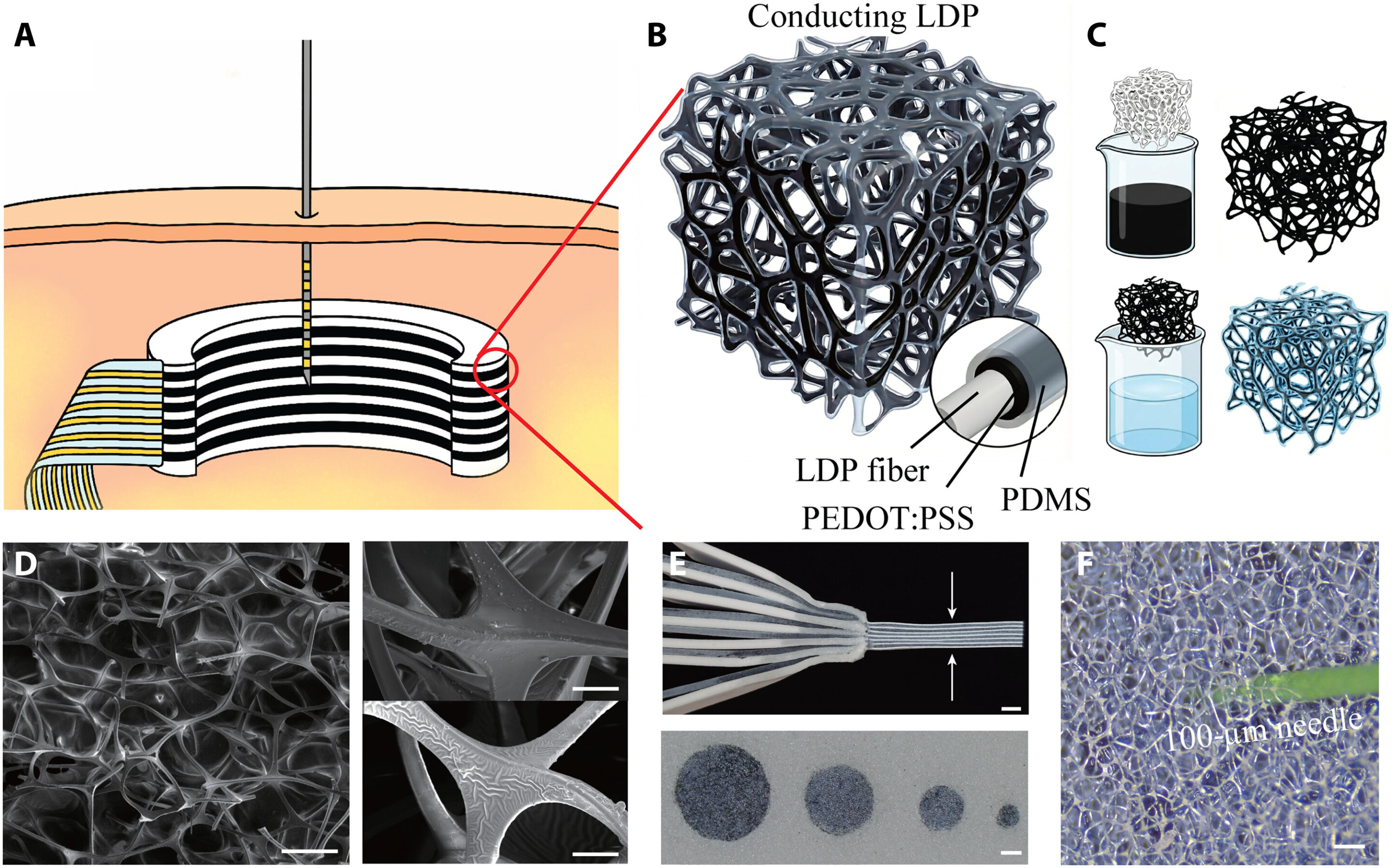
This illustration explains how the team designed Implantable Living Materials. Combined with the synthetically engineered bacteria, the new approach becomes a safe and autonomous functioning drug delivery device. Credit: Wyss Institute at Harvard University