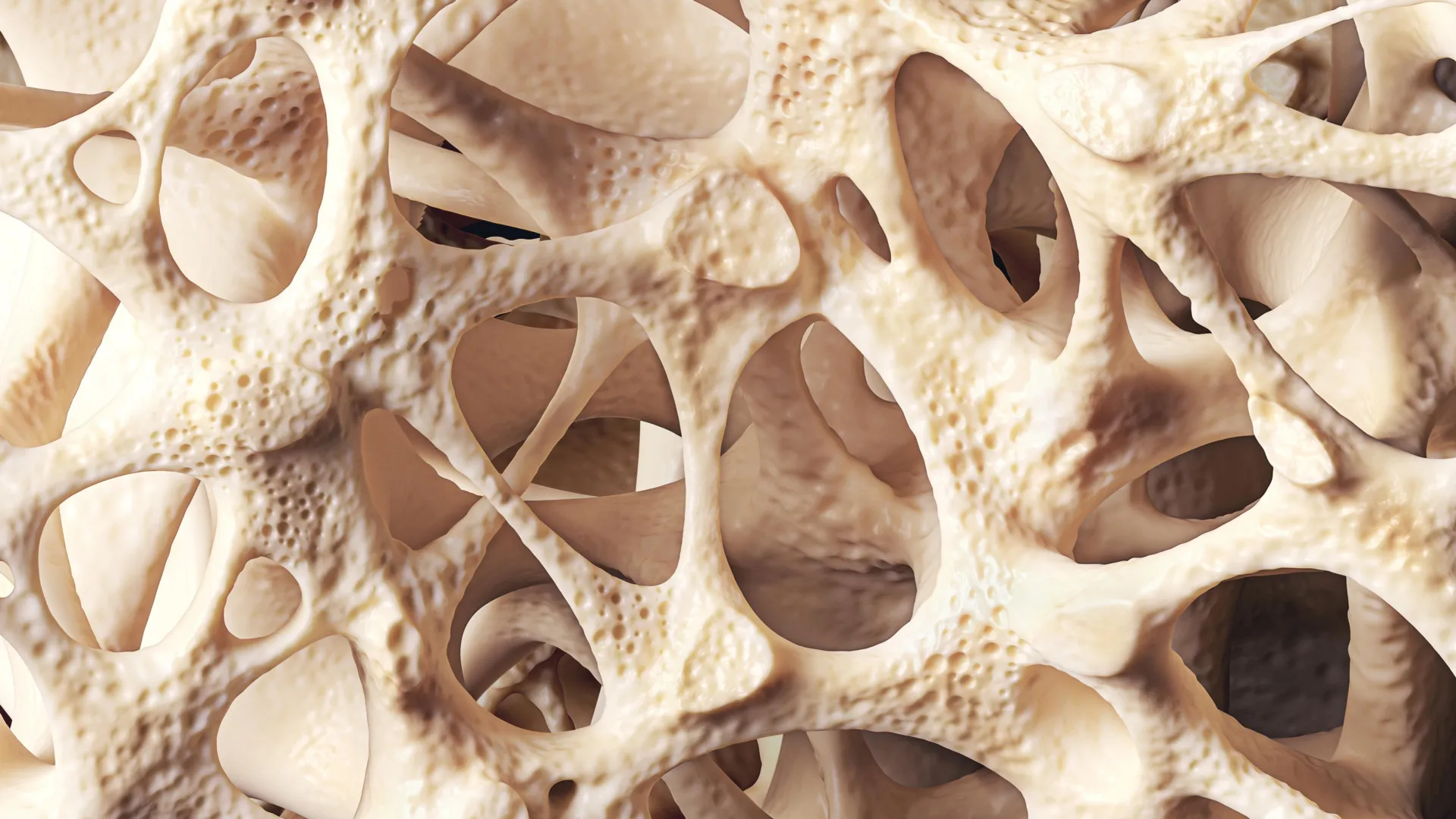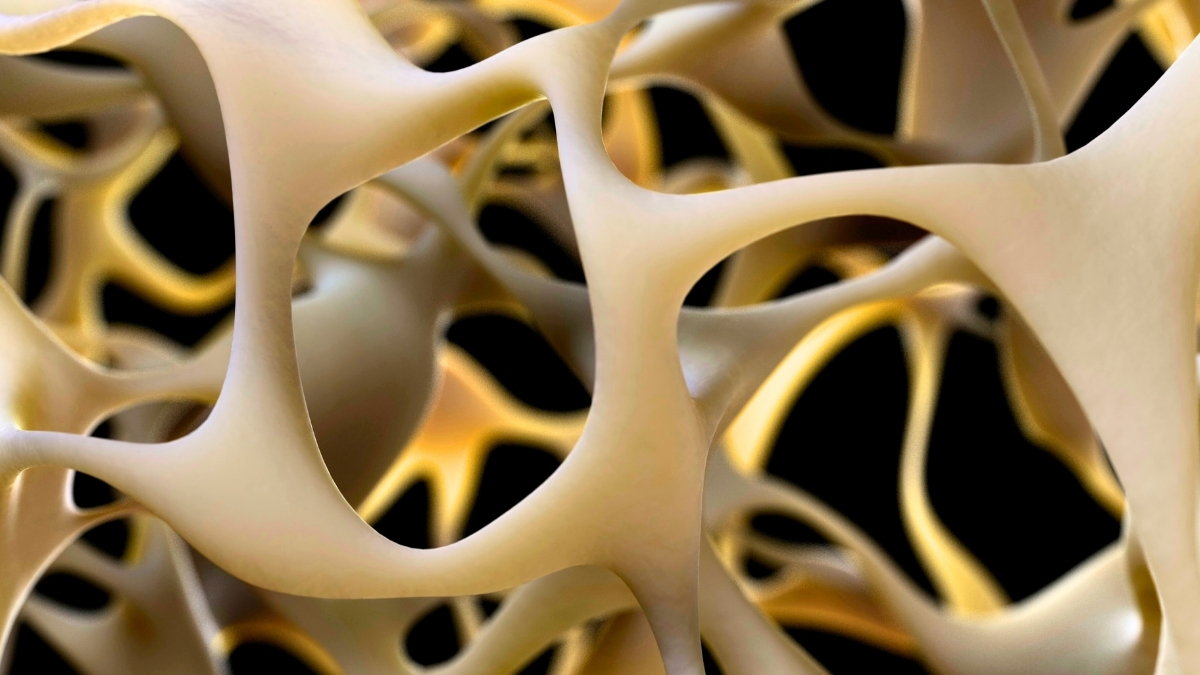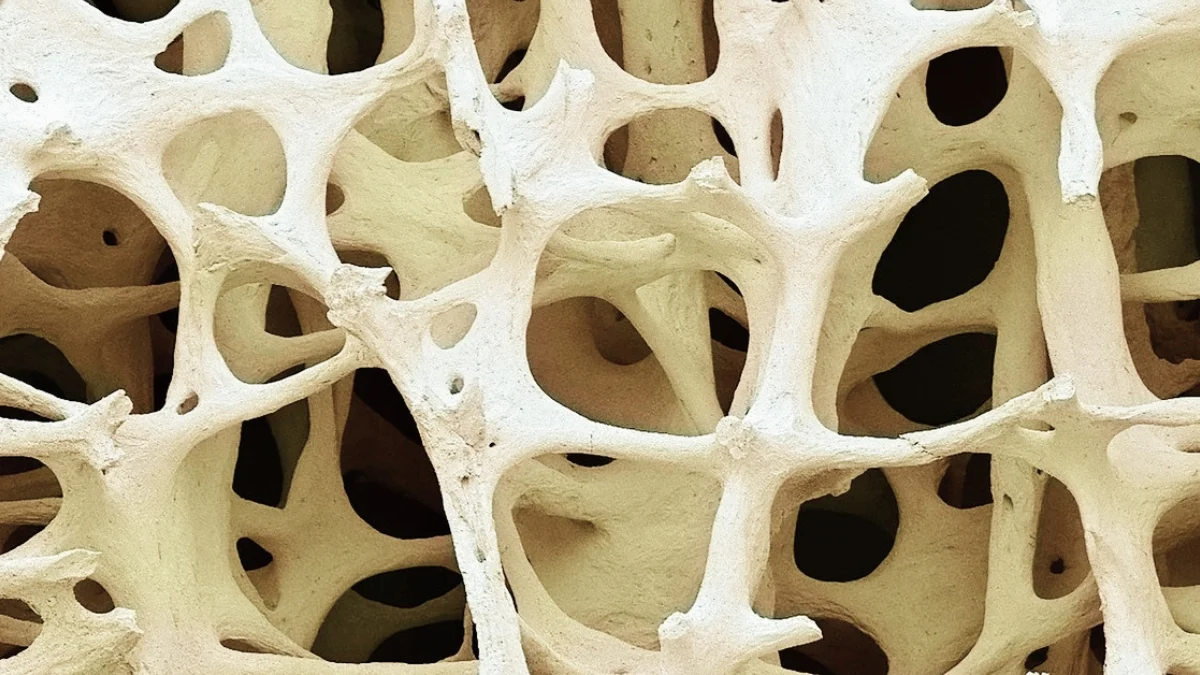
Osteogenesis imperfecta (OI), or "brittle bone disorder," is a connective tissue disorder that affects collagen, a protein that makes up much of the body's structure. There are more than 10 different types of OI, and while severity varies from type to type, they all cause some form of increased skeletal fragility, deformity and muscle weakness.
According to researchers at the University of Missouri School of Medicine, reducing the activity of myostatin, a protein that normally prevents muscles from growing too large, improved bone density in a preclinical mouse model of OI during pregnancy.
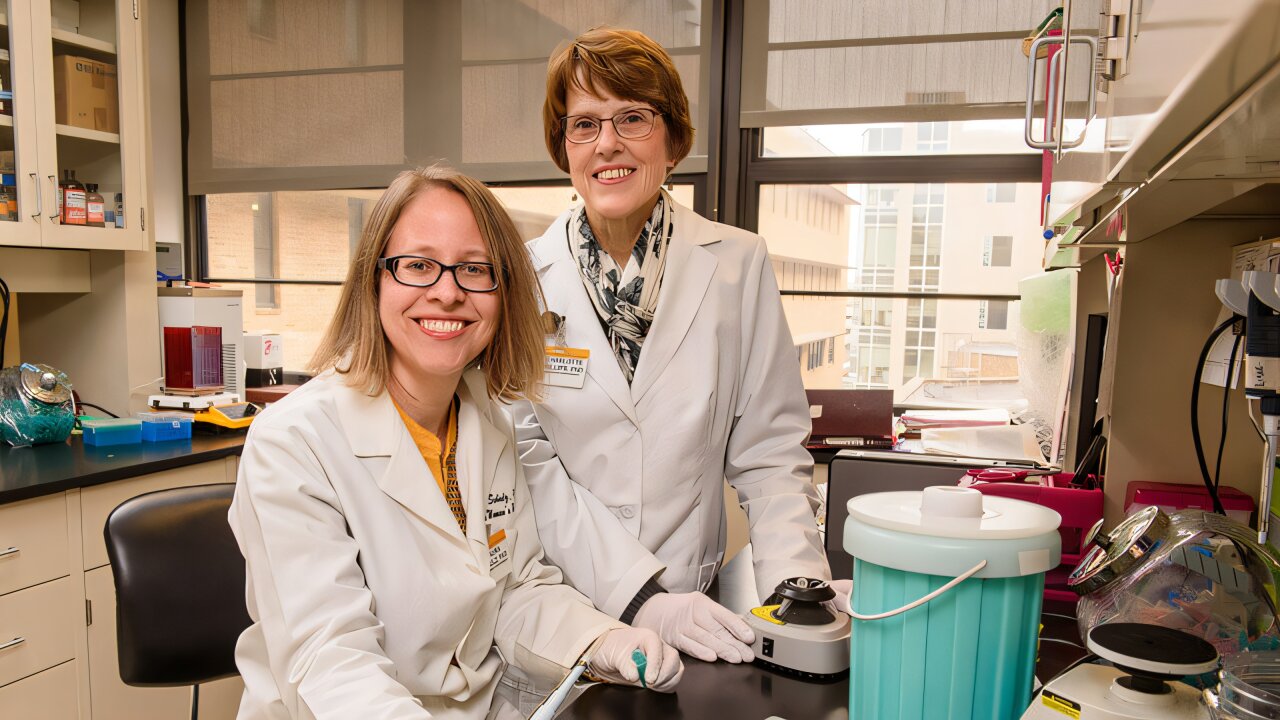
"Pregnancy and breastfeeding are already natural periods of bone density loss for women, as a baby's growth has a large calcium demand both inside and outside the womb," study co-author Laura Schulz said. "This can make women with OI much more prone to fractures or bone deformities, especially if they breastfeed."
Additionally, traditional medications used to treat OI are not recommended during pregnancy, making alternative treatment necessary. The team found that lowering myostatin activity helped improve muscle mass and restructure bone tissue—helping bones withstand stress and strain without fracturing or changing shape.