July 21st, 2026
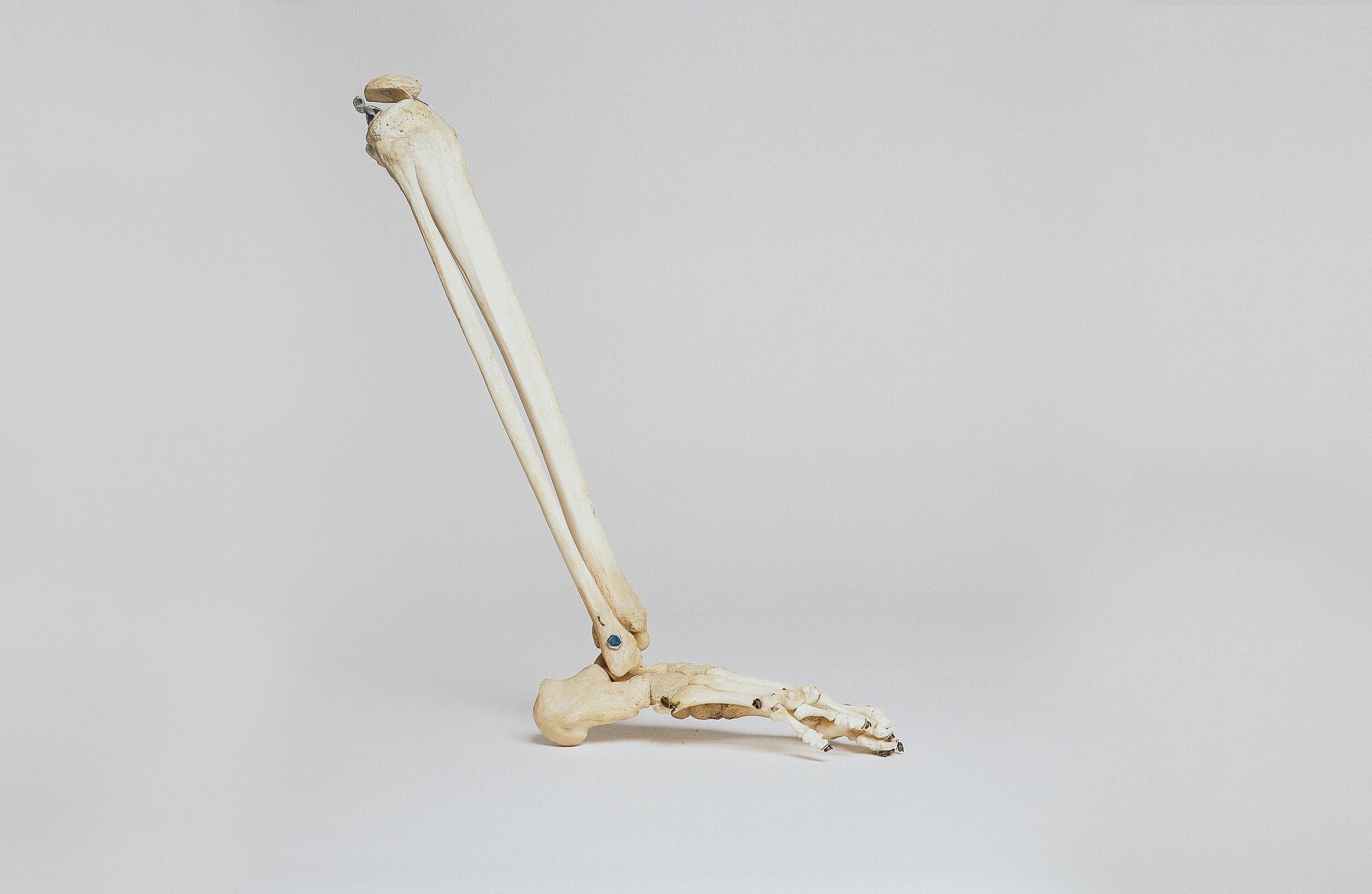
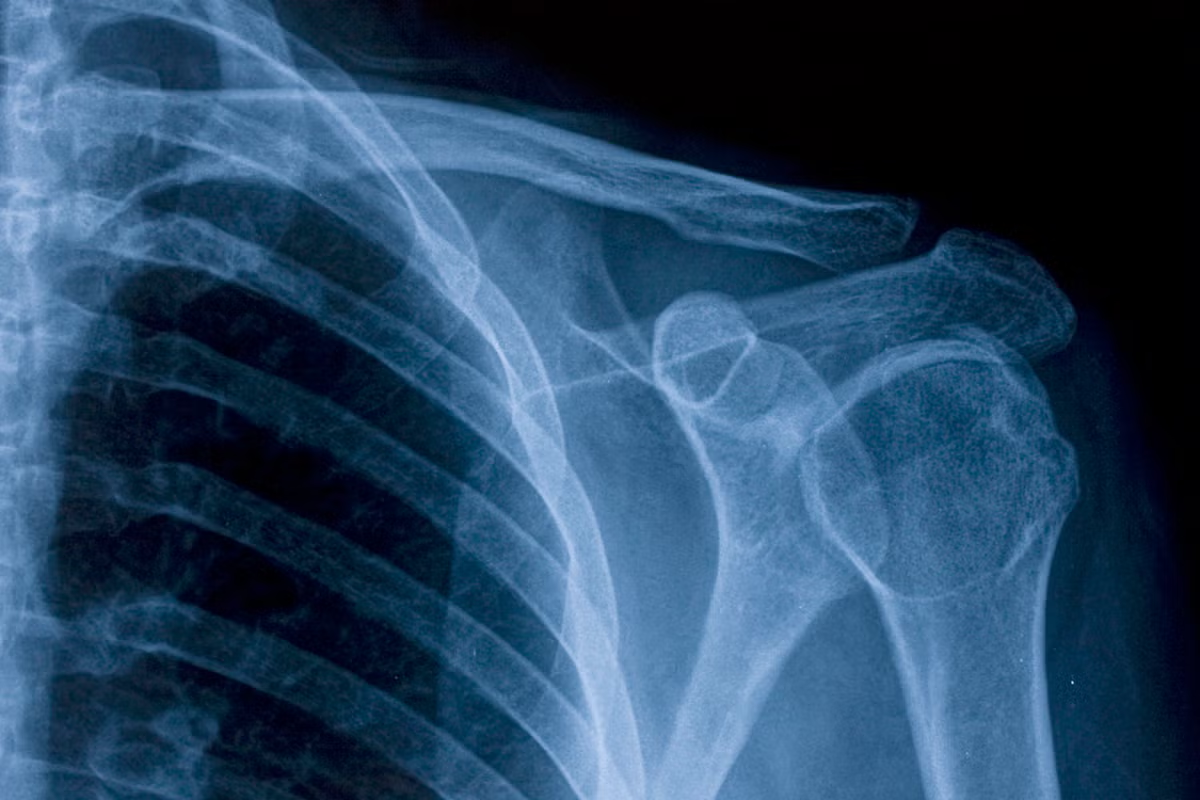
As for all tissues, bone derives its structural properties from the composition and structure of its extracellular matrix. This matrix constantly undergoes dynamic modification: osteoclast cells break down the matrix, while osteoblast cells build it up. Throughout much of adult life, a sufficient balance exists between these processes of creation and destruction to ensure that bones remain structurally sound. With old age, however, the balance shifts slowly to favor osteoclasts. The result is a loss of bone mineral density over time, leading eventually to osteoporosis, brittle bones, and fracture or breakage in an already frail elderly individual.
The aging of the immune system is one of the contributing factors to this erosion of bone tissue maintenance. Chronic inflammation on the part of the immune system is a feature of aging, driven by maladaptive reactions to damage and dysfunction, and this is disruptive to the balance between osteoblasts and osteoclasts. There are other issues besides this. For example, innate immune cells are deeply involved in tissue maintenance, but too many of these cells relinquish these necessary tasks to adopt other, less helpful behaviors in aged tissues. Today's open access paper reviews the aging of the immune system through the lens of bone tissue, the links between what is known of immune aging and what is known of the declining maintenance of bones.