August 28th, 2026
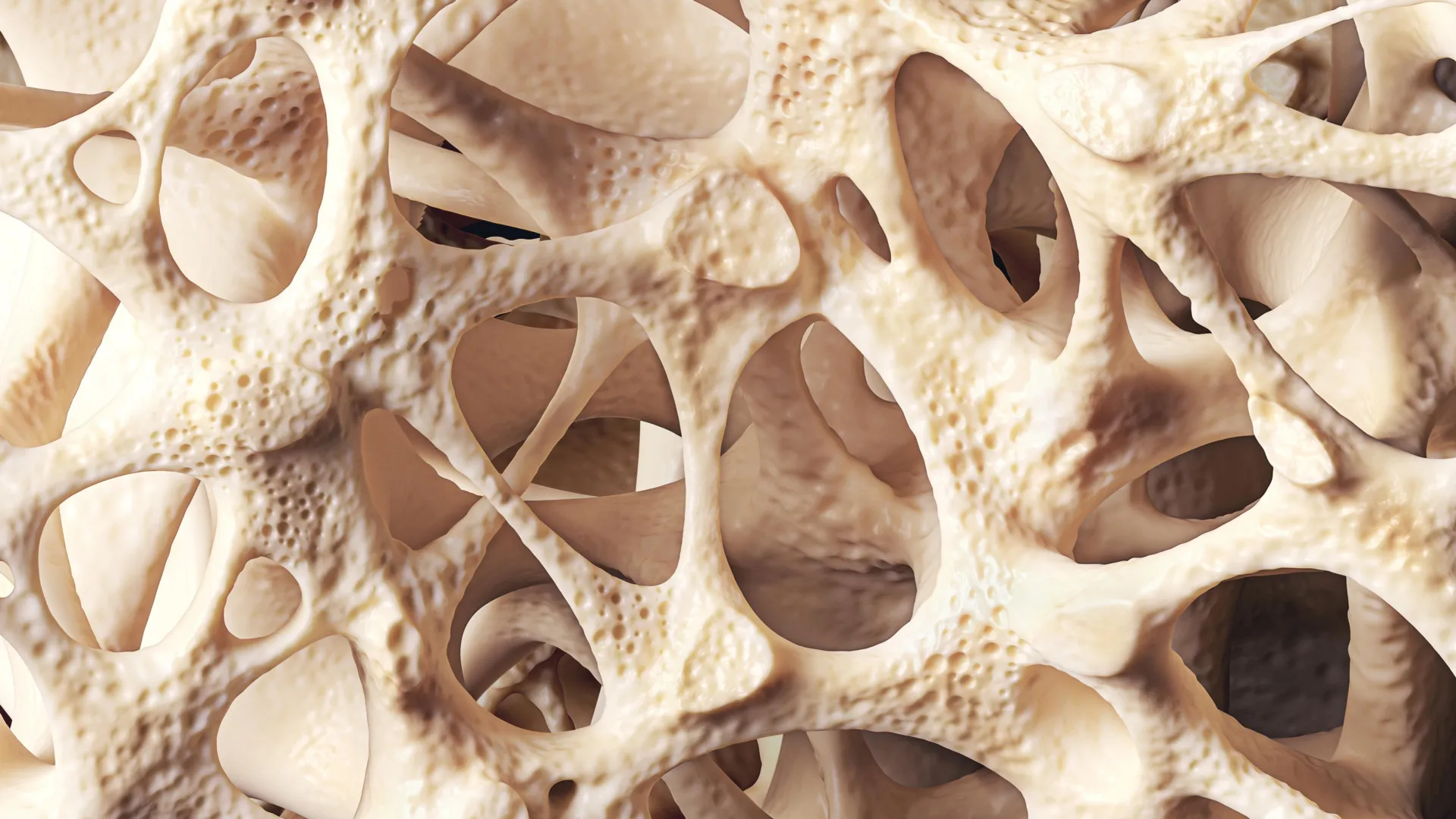
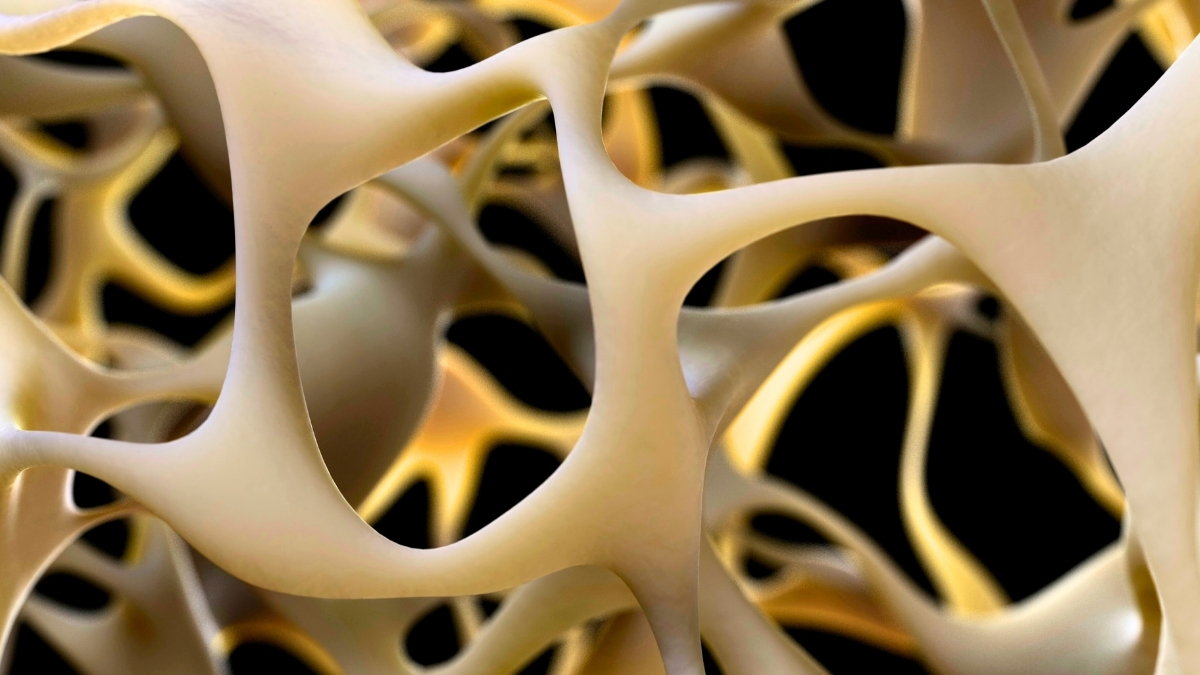
Osteoporosis results from the slow loss of bone mineral density that occurs with advancing age, eventually leaving bones dangerously weak and prone to fracture. Bone extracellular matrix is constantly remodeled throughout life: osteoblast cells build up the matrix while osteoclast cells break it down. With age, a variety of mechanisms tip the balance to favor osteoclasts and a slow loss of bone mineral density over time. A wide variety of drugs have been developed to reduce this imbalance, but the problem is far from solved, and none of the available therapies address underlying causes. Thus a sizable research community continues to work on the mechanisms driving osteoblast and osteoclast activity, in search of a better approach to the problem.
In today's open access paper, researchers investigate one of the mechanisms by which exercise improves bone mineral density. It is well established in human epidemiological studies that physical activity correlates with a slower pace of declining bone mineral density. That physical activity tends to reduce inflammation is one of the first places to look if seeking a deeper understanding, as chronic inflammation is strongly linked to osteoporosis, both in the epidemiology and in the present understanding of the underlying biochemistry. Beyond specifics relating to inflammation, this study implicates the gut microbiome and levels of TMAO in circulation in the body resulting from its activities as a contributing cause of metabolic changes leading to reduced bone mineral density.