2 min readGoddard Digital TeamJul 22, 2026 Article
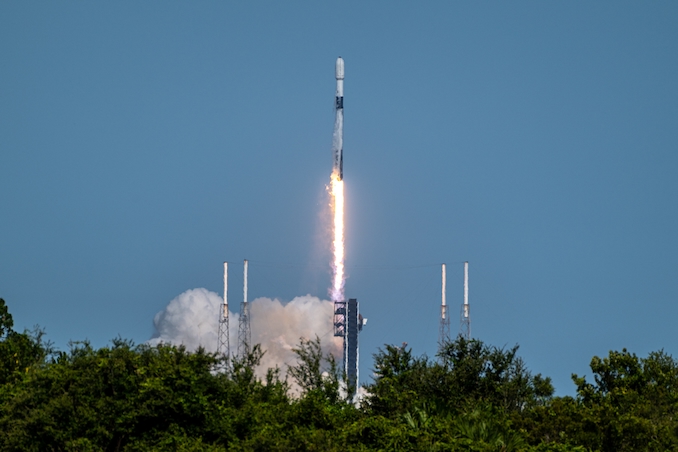
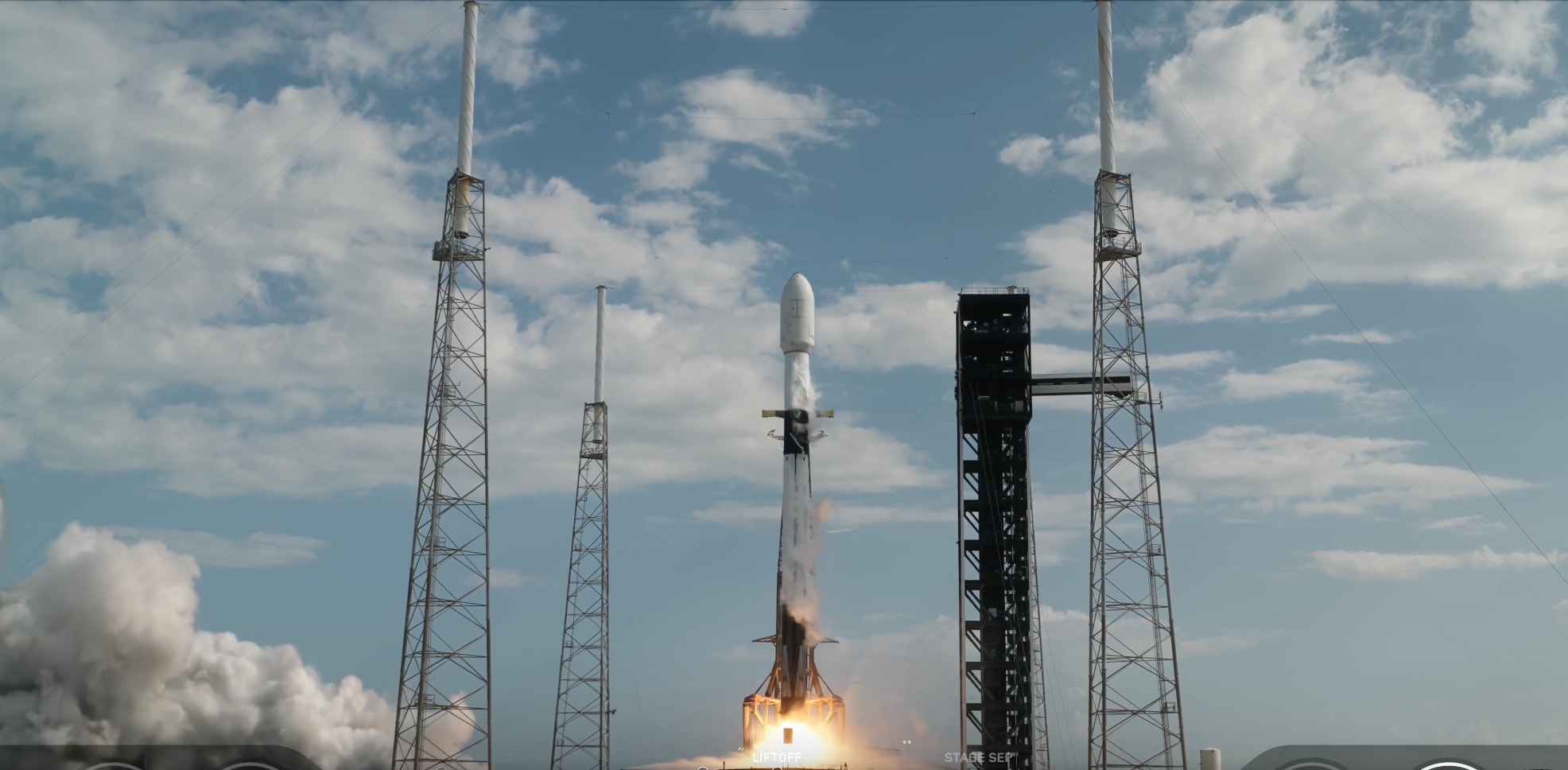
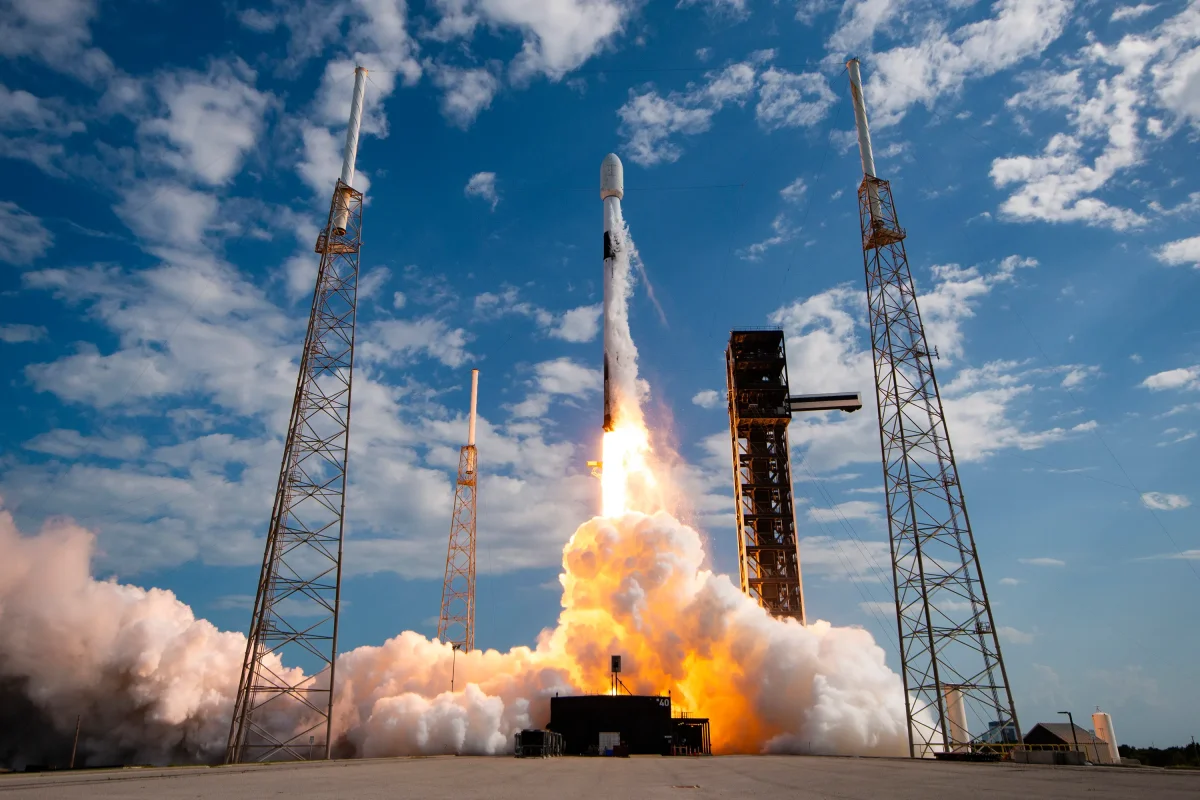
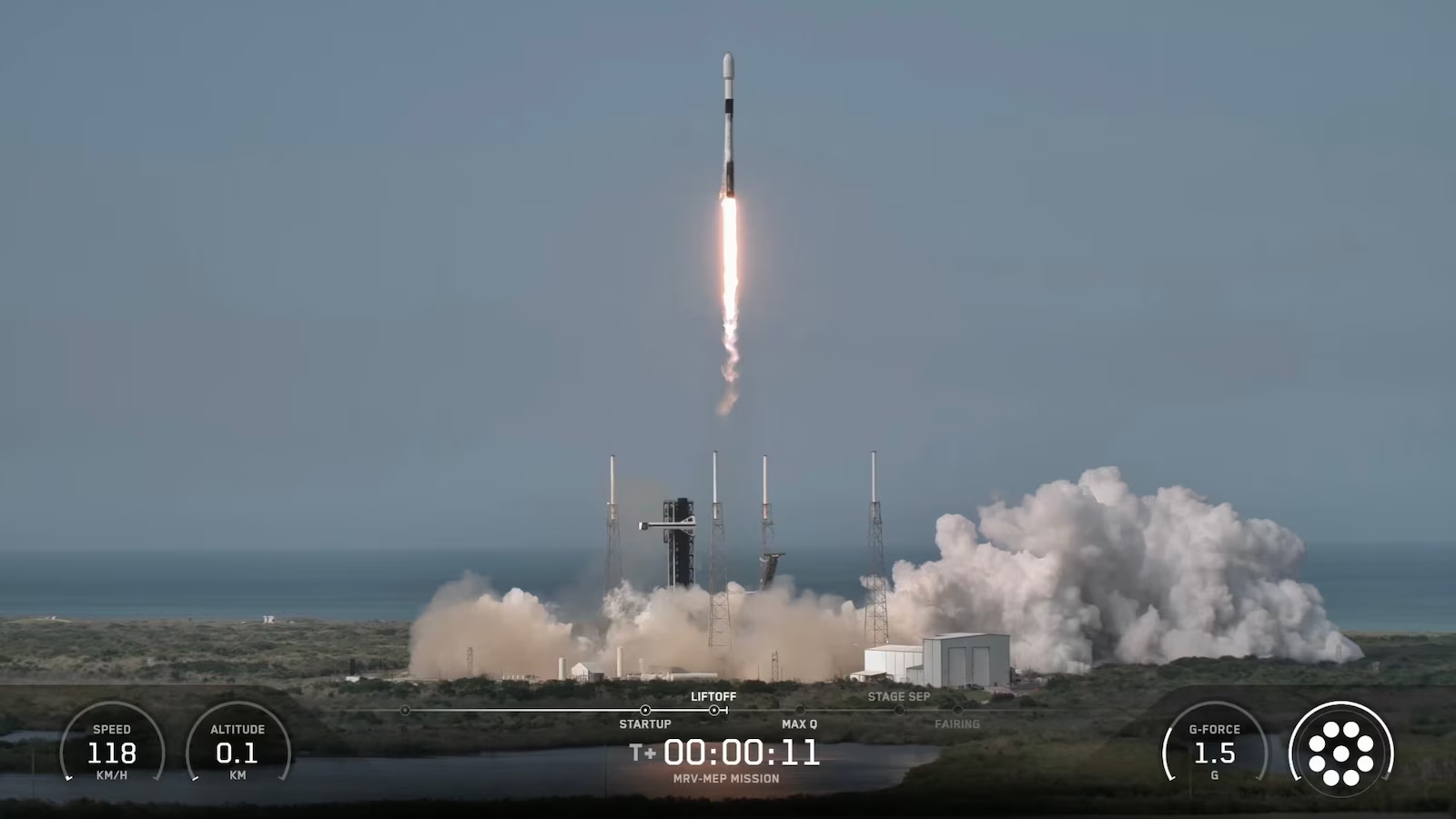
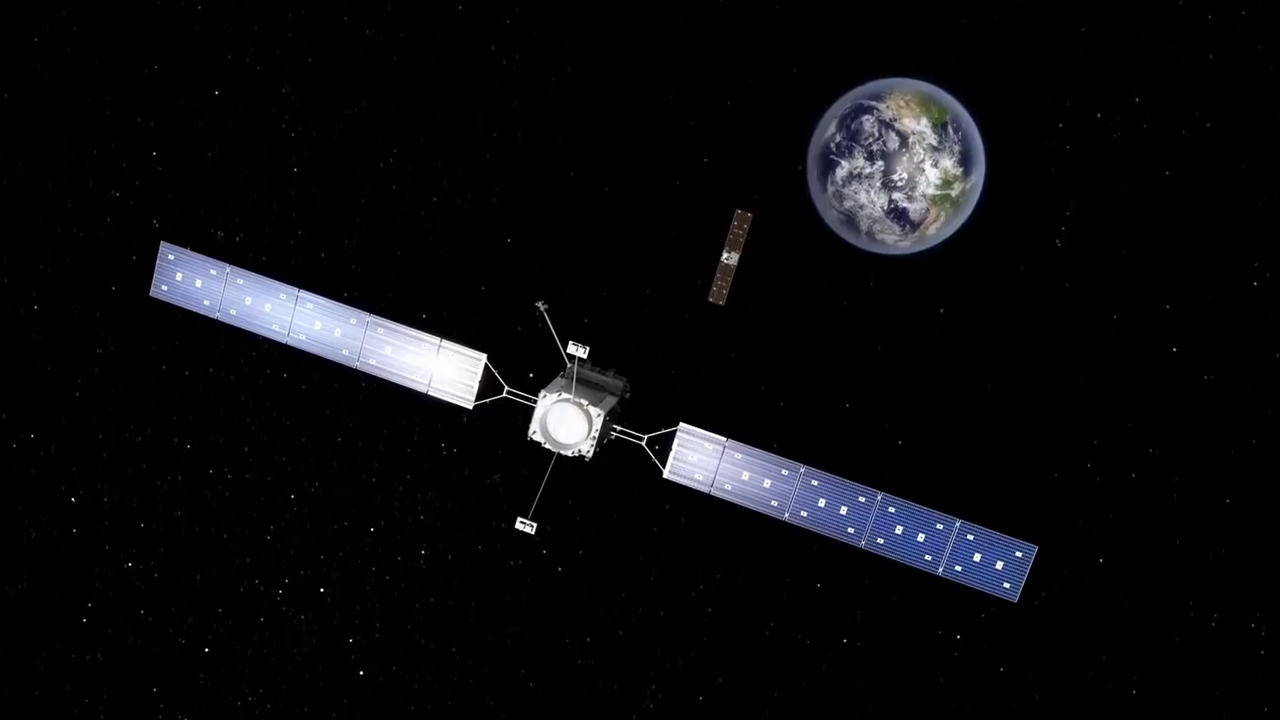
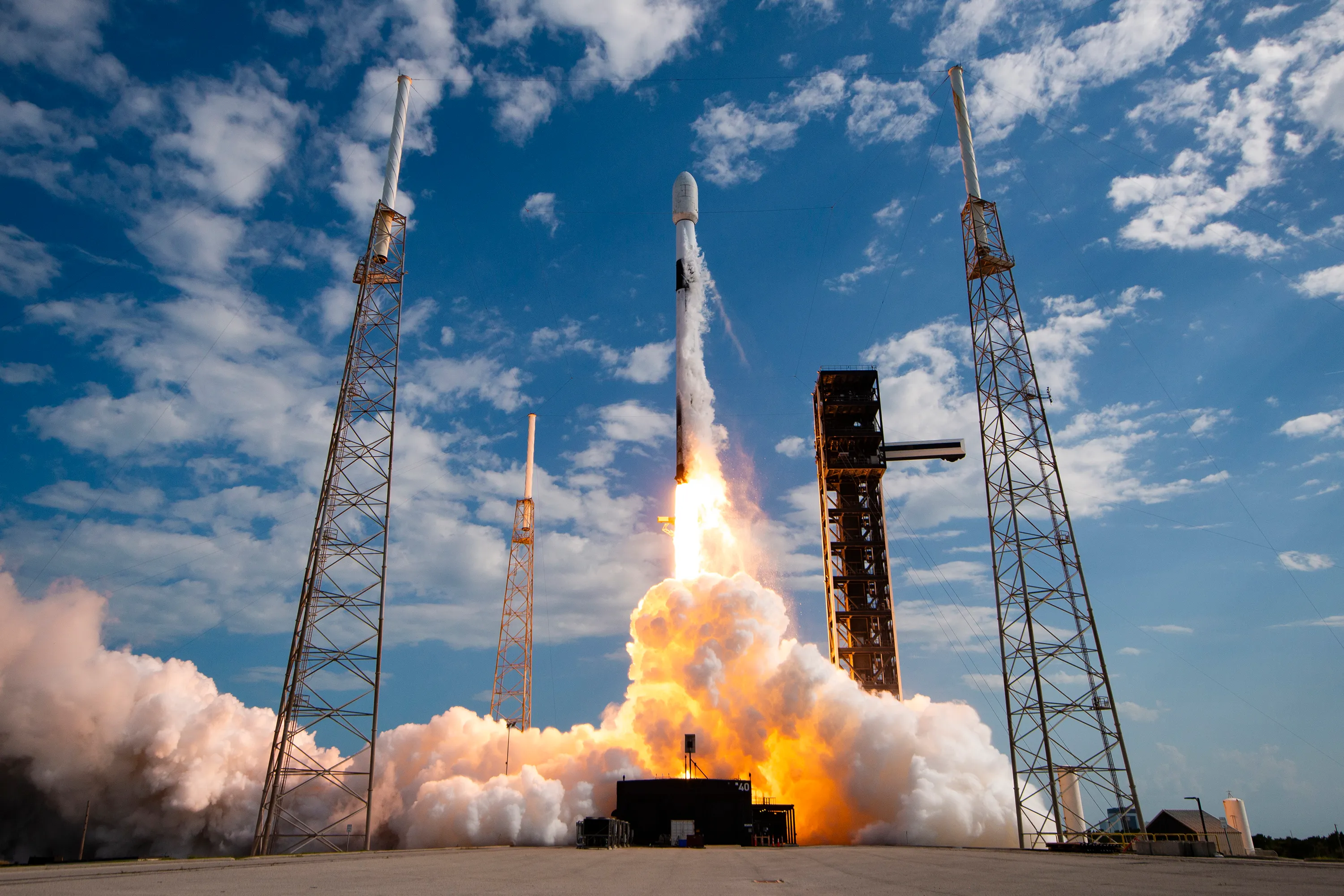
Following its liftoff from Cape Canaveral on July 21 aboard a SpaceX Falcon 9 rocket, the Mission Robotic Vehicle (MRV) hosting the NASA-supported Robotic Servicing of Geosynchronous Satellites (RSGS) payload is now en route to geosynchronous Earth orbit, where it will use its advanced robotics to service spacecraft.
RSGS leverages in-space robotics expertise from NASA, aligned with the agency’s broader goals to advance U.S. capabilities for in-space servicing, assembly, and manufacturing that can be applied to space commerce and exploration.
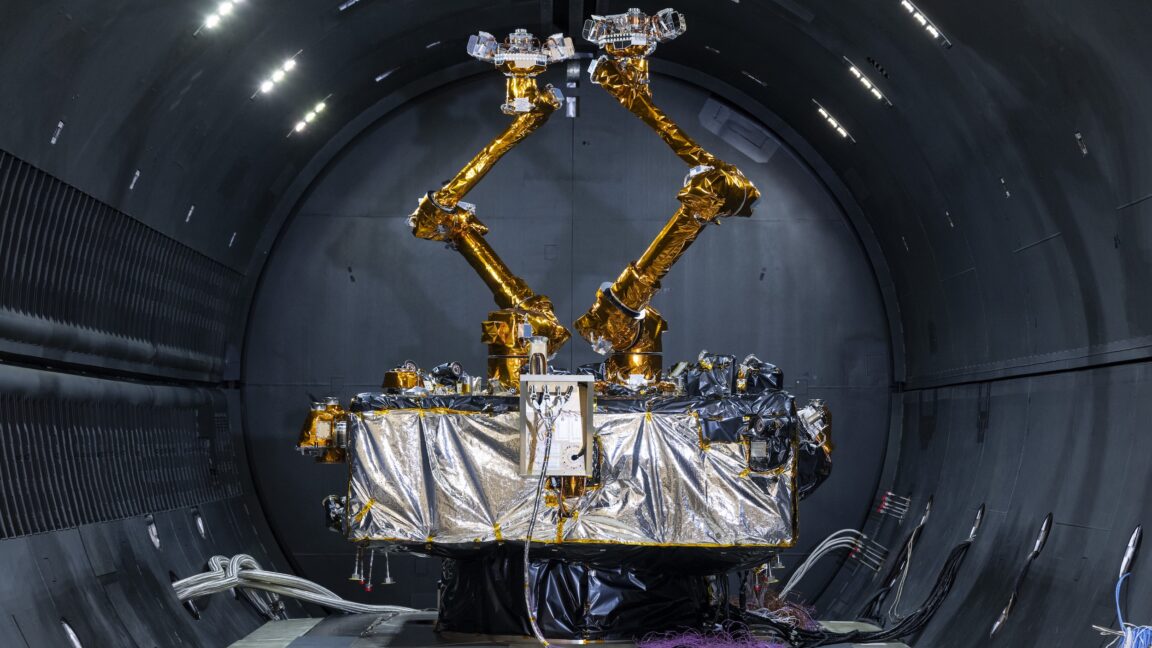
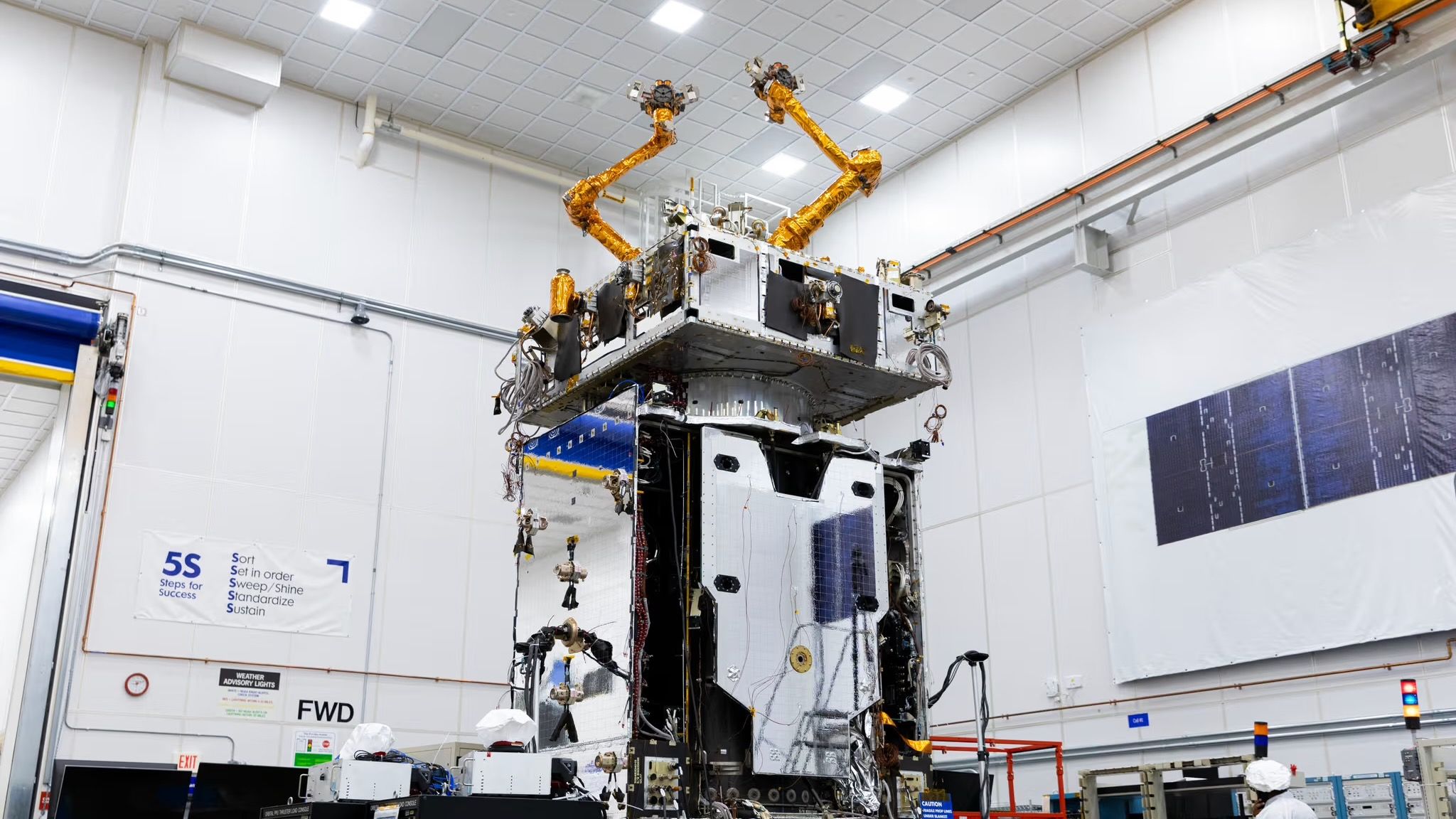
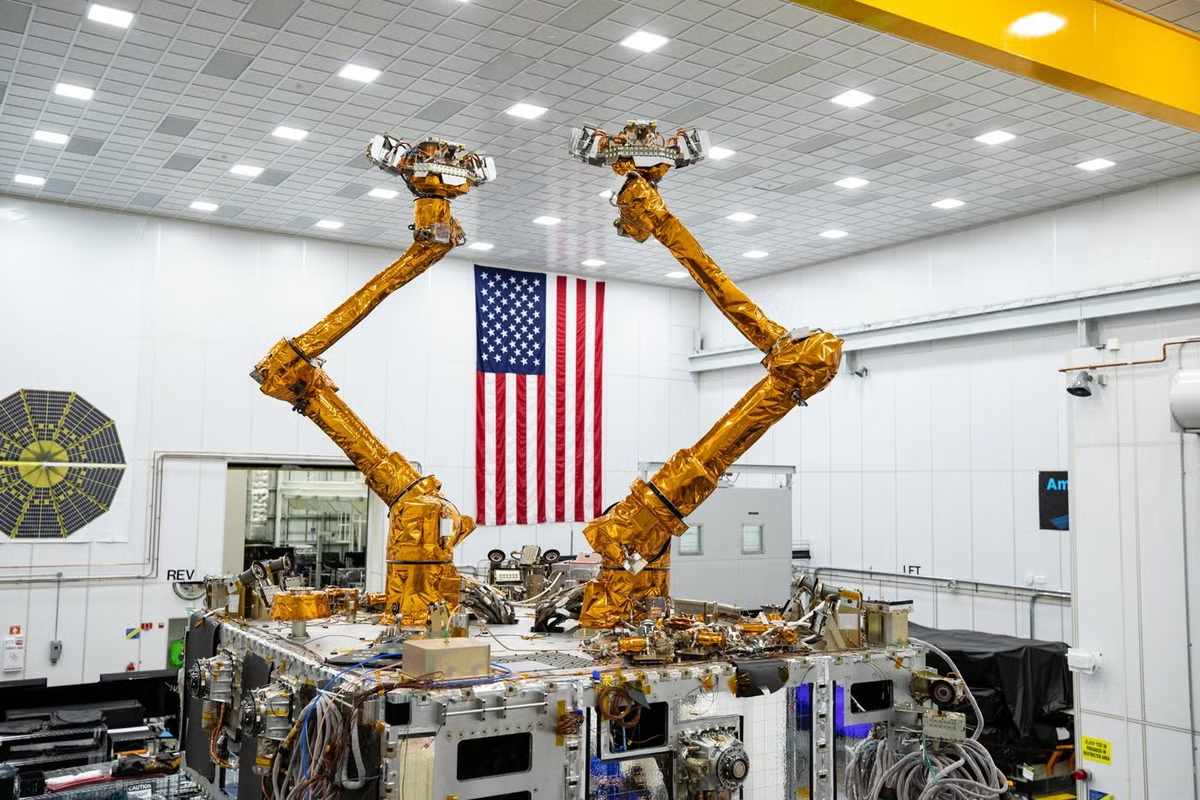
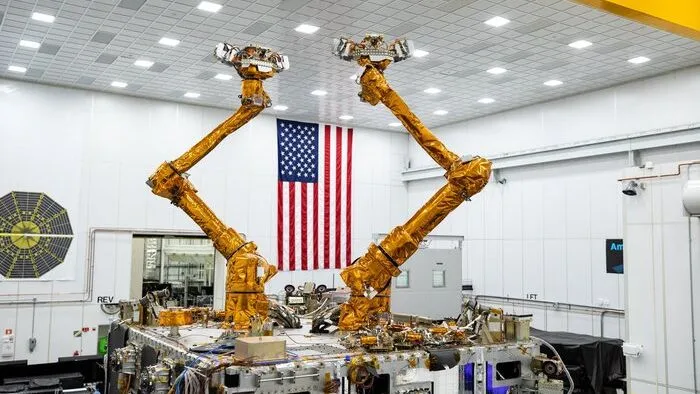
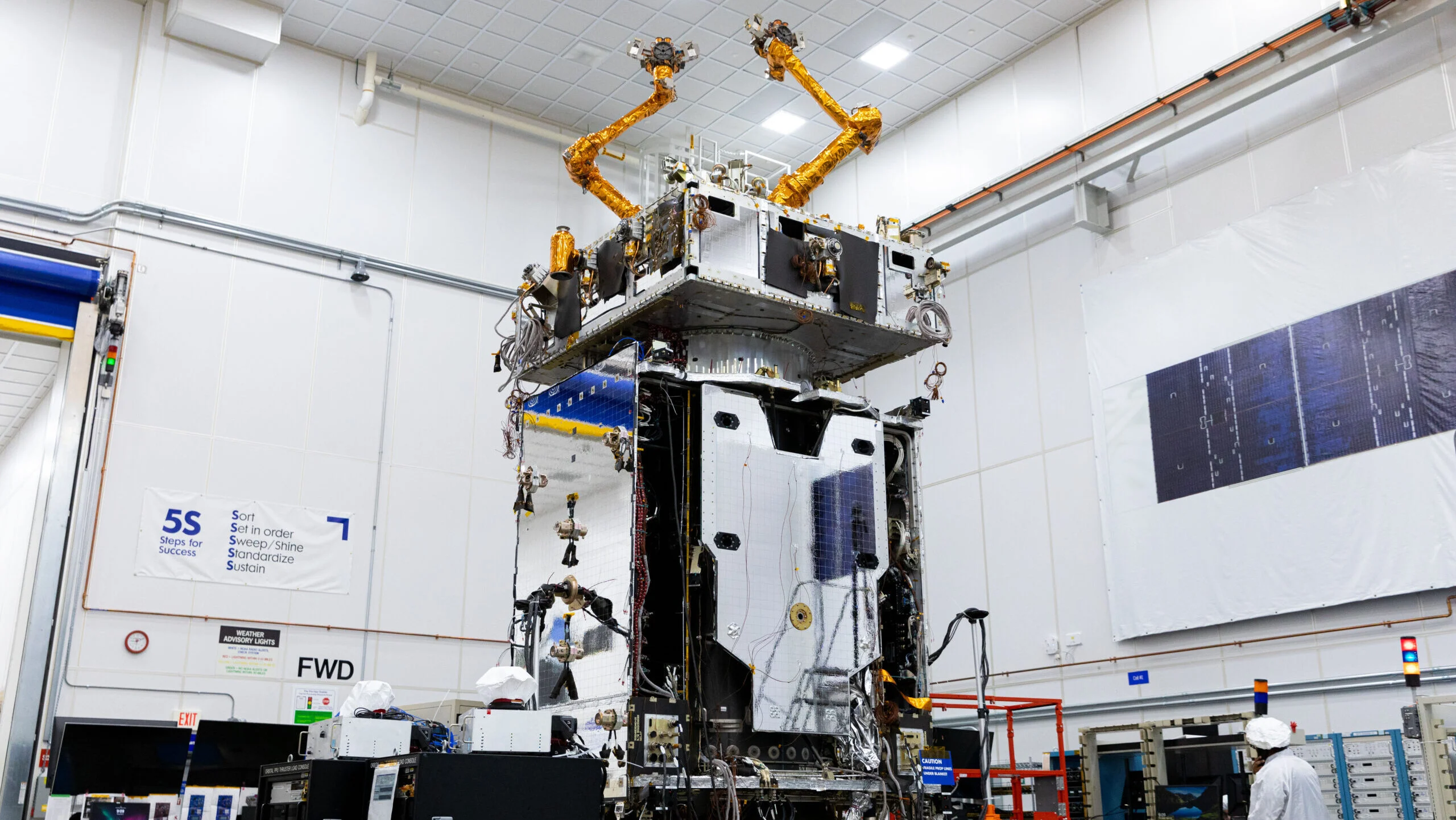
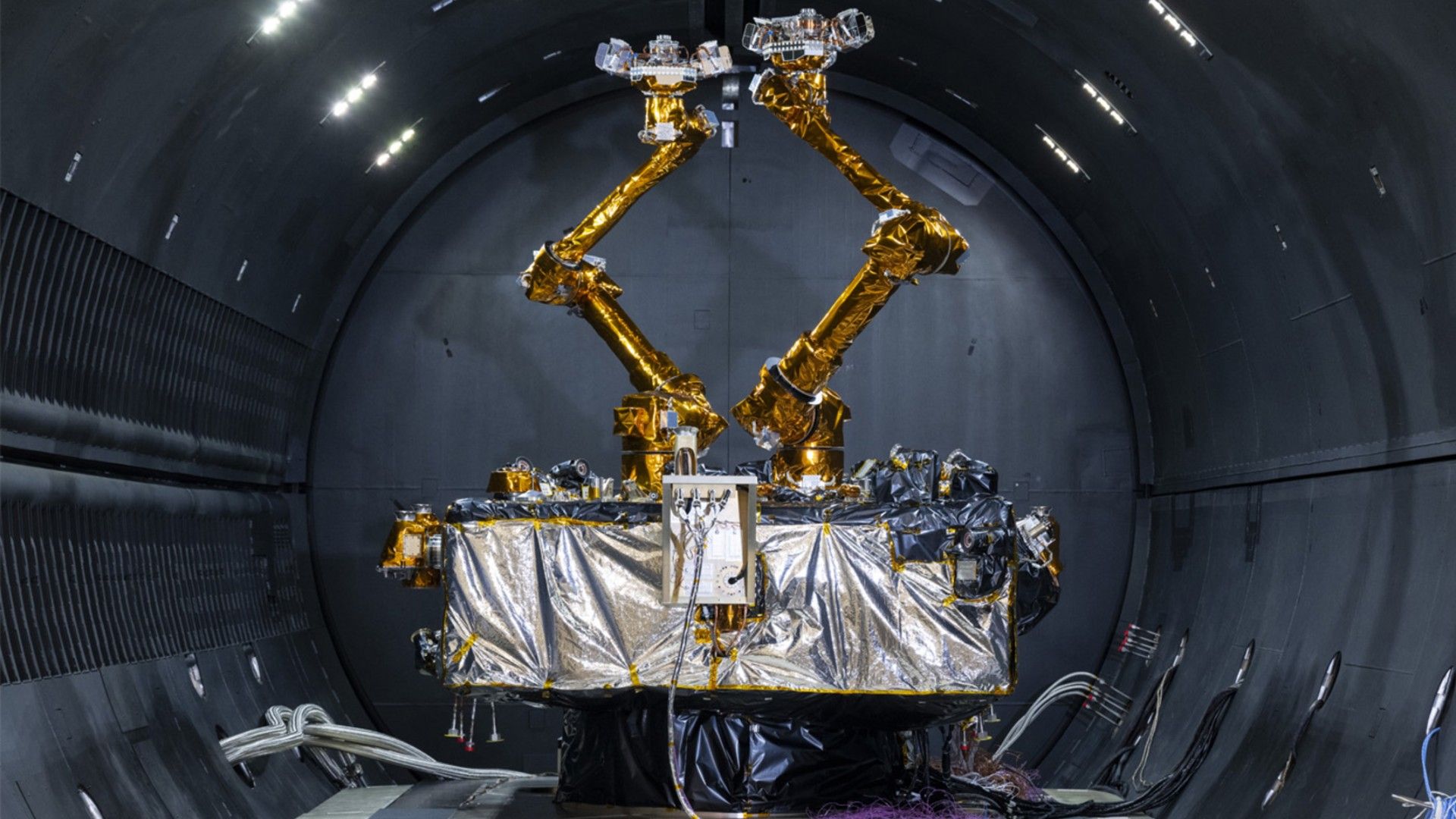
Funded by the Defense Advanced Research Projects Agency (DARPA), the RSGS program uses twin dexterous robotic arms designed and developed by the U.S. Naval Research Laboratory. DARPA provided the robotic arm assembly for integration onto Northrop Grumman’s MRV, the nation’s first multi-mission robotic in-space servicer. The spacecraft will inspect and upgrade satellites in orbit by installing small propulsion modules – called mission extension pods – extending the operational life of existing spacecraft for years.
RSGS brings together government agencies and industry to test advanced robotic systems in space. NASA’s Goddard Space Flight Center in Greenbelt, Maryland, began supporting the RSGS mission in 2024 under an interagency agreement with DARPA.