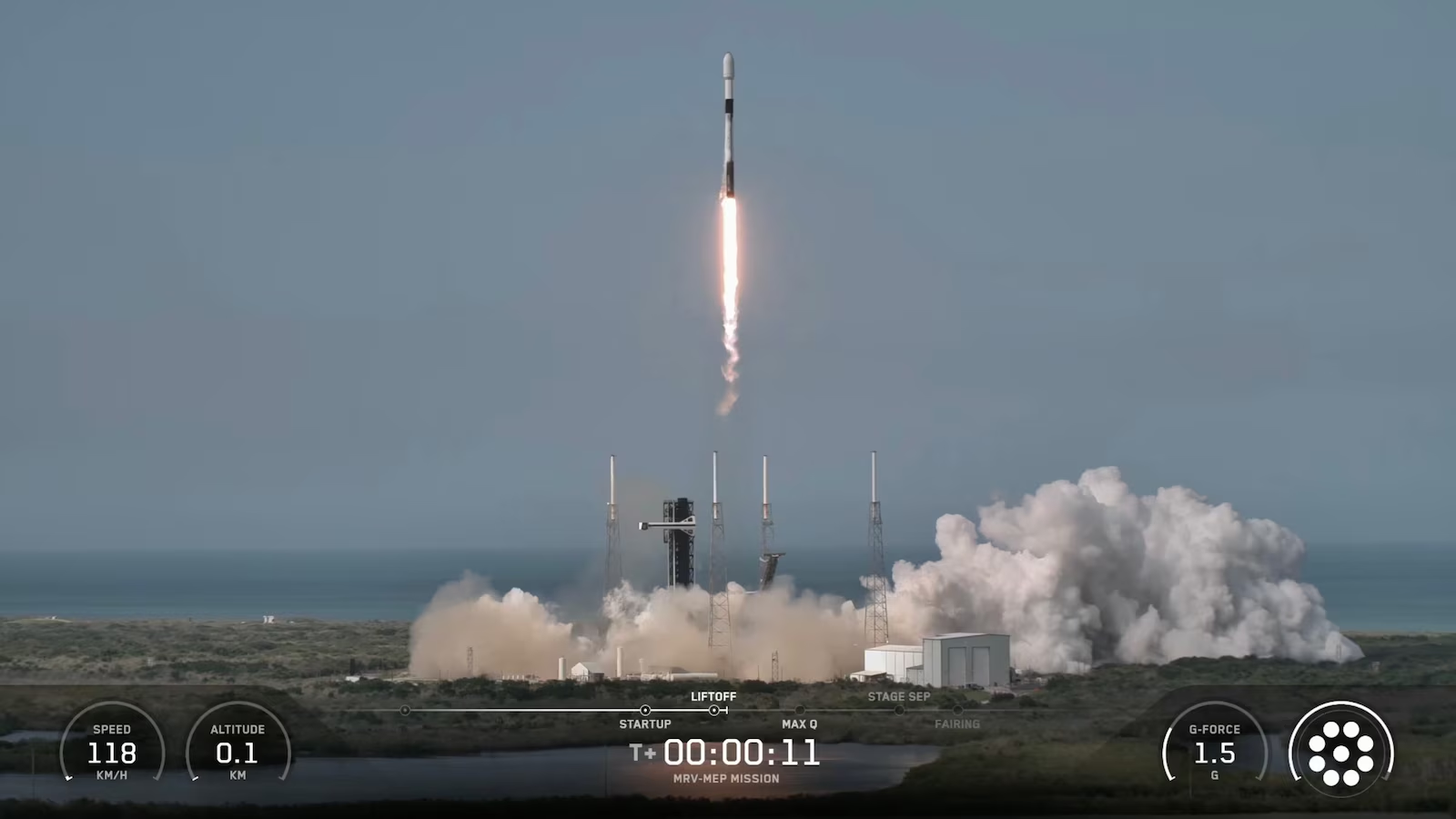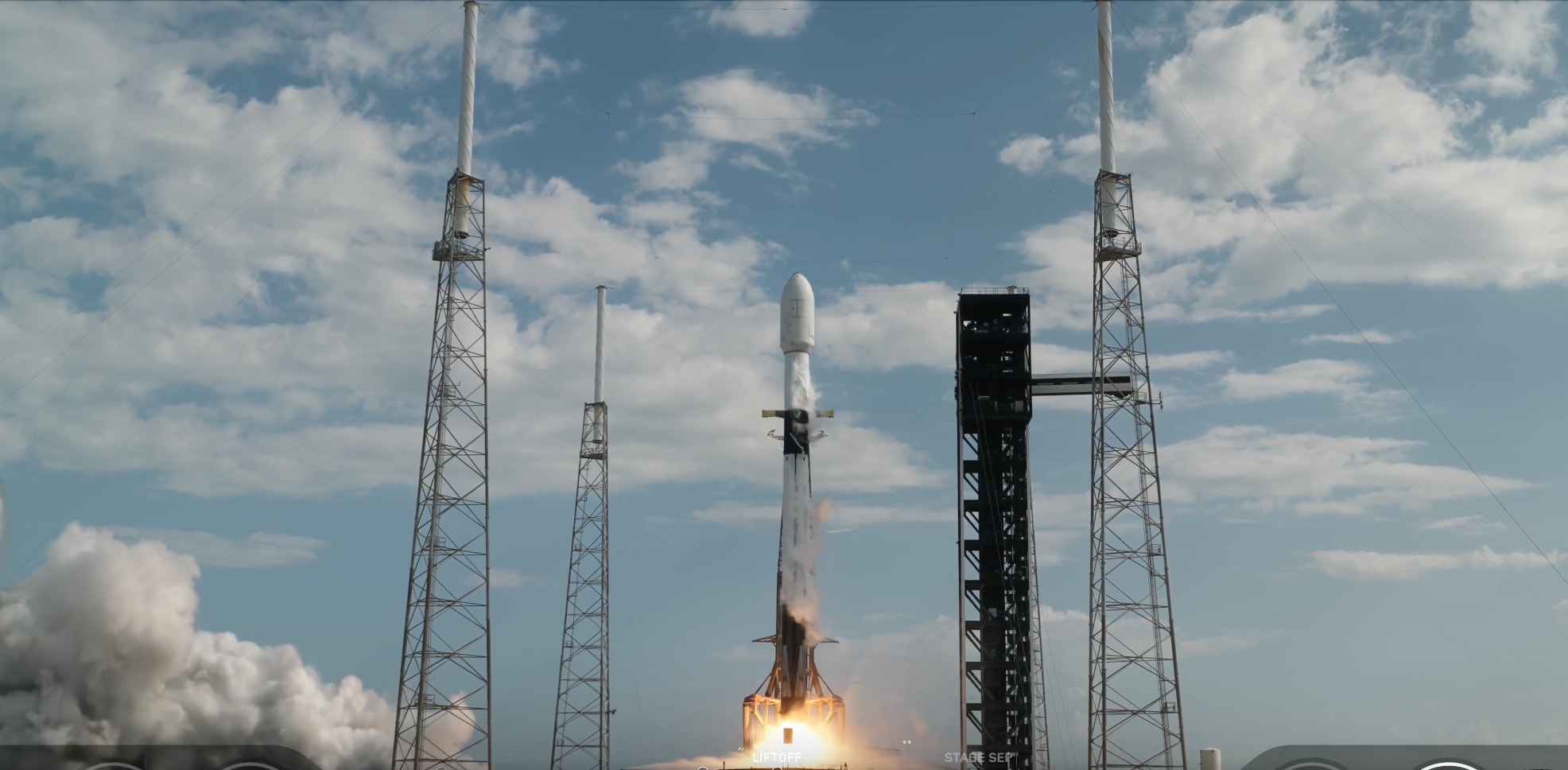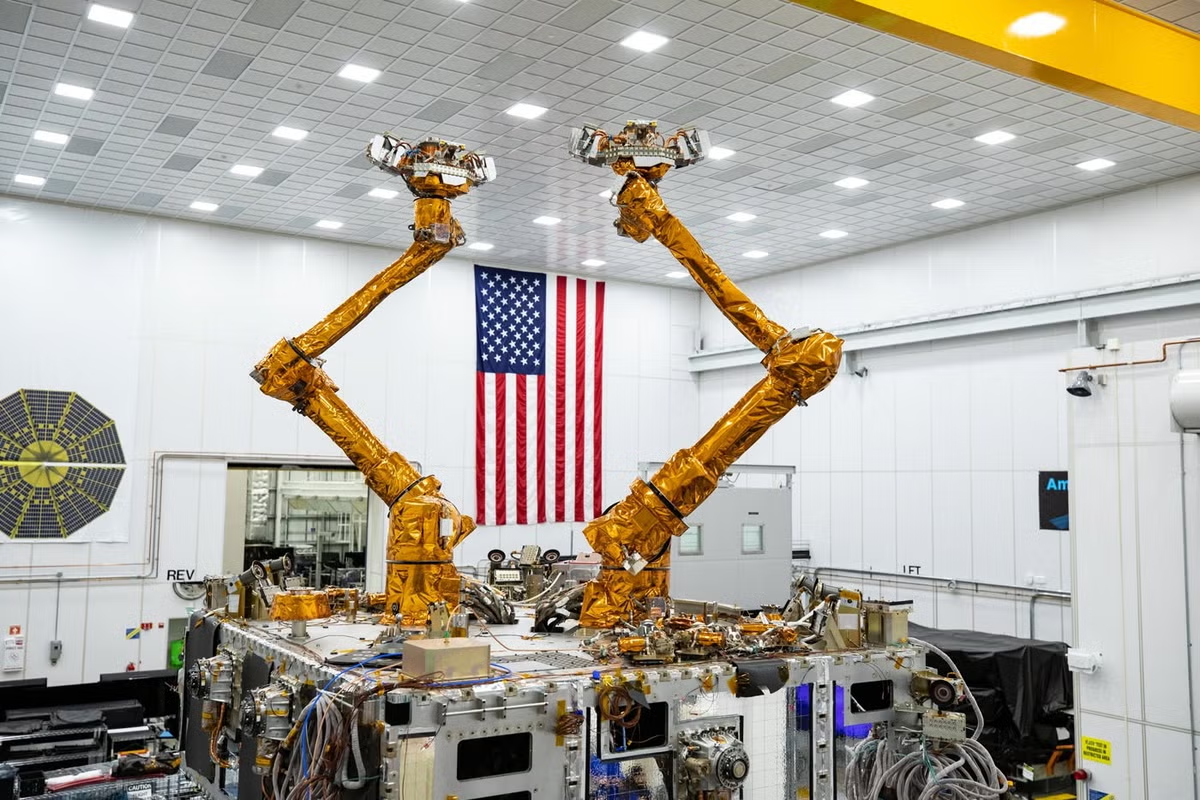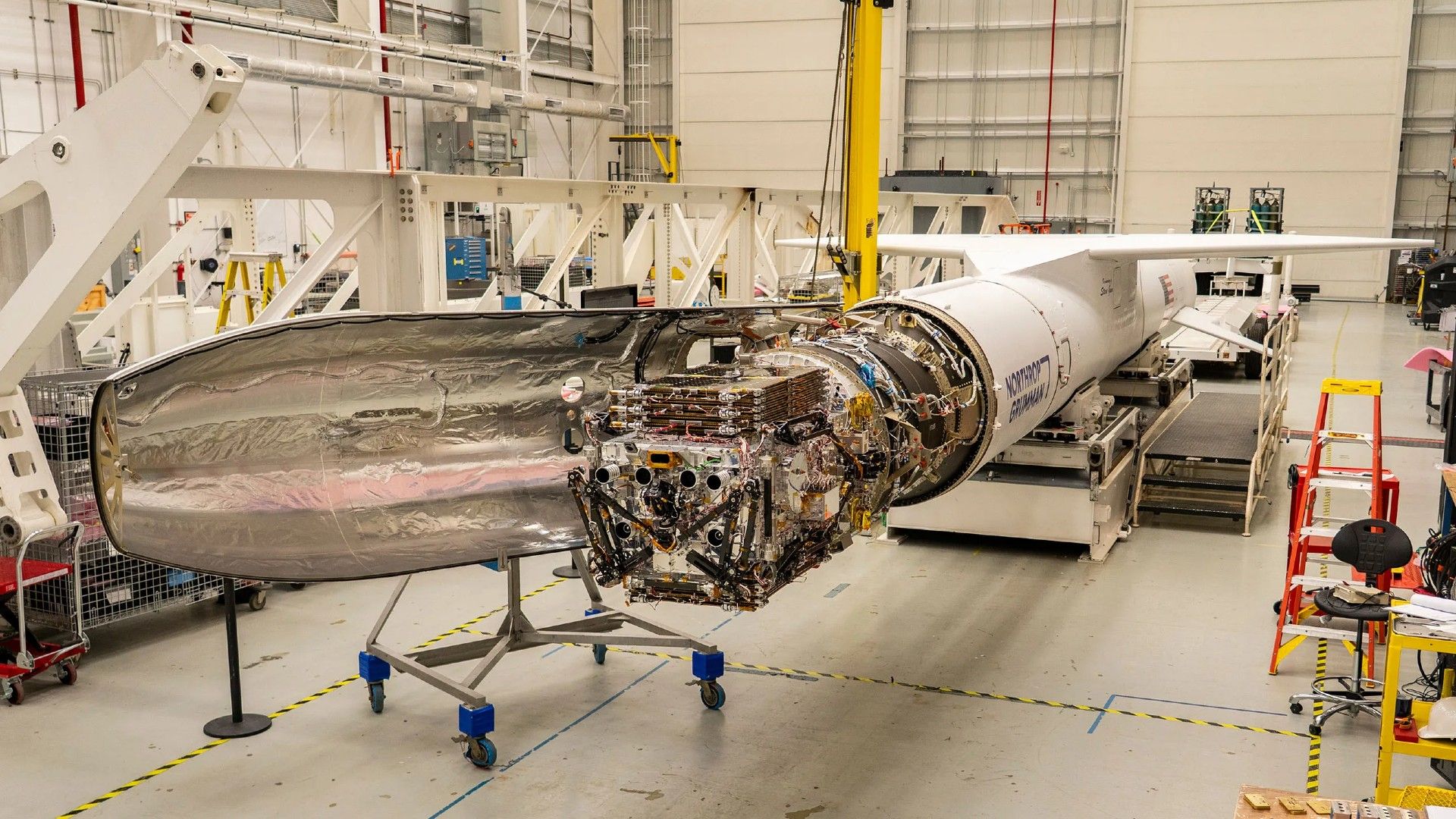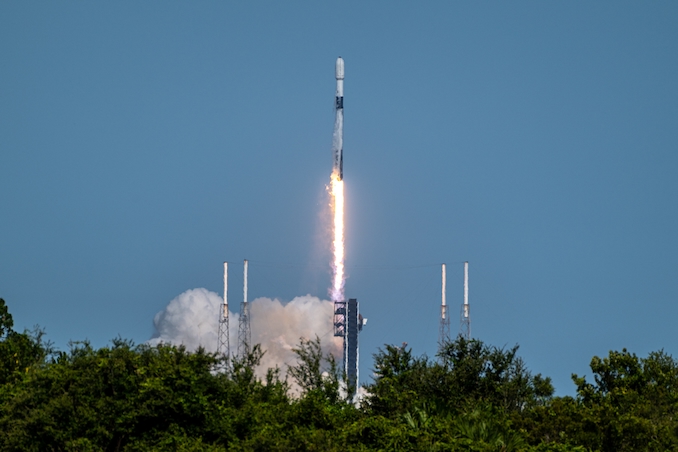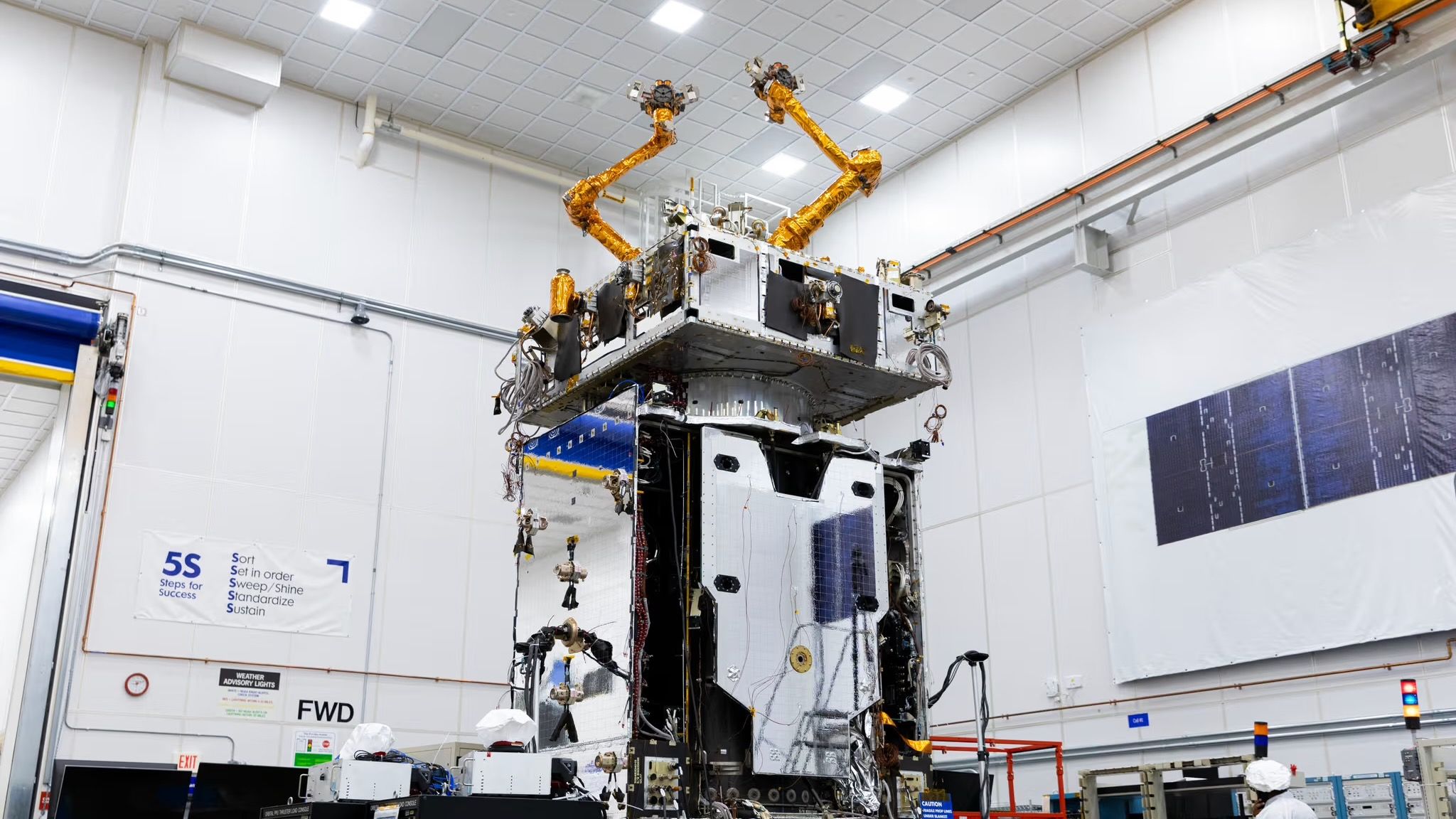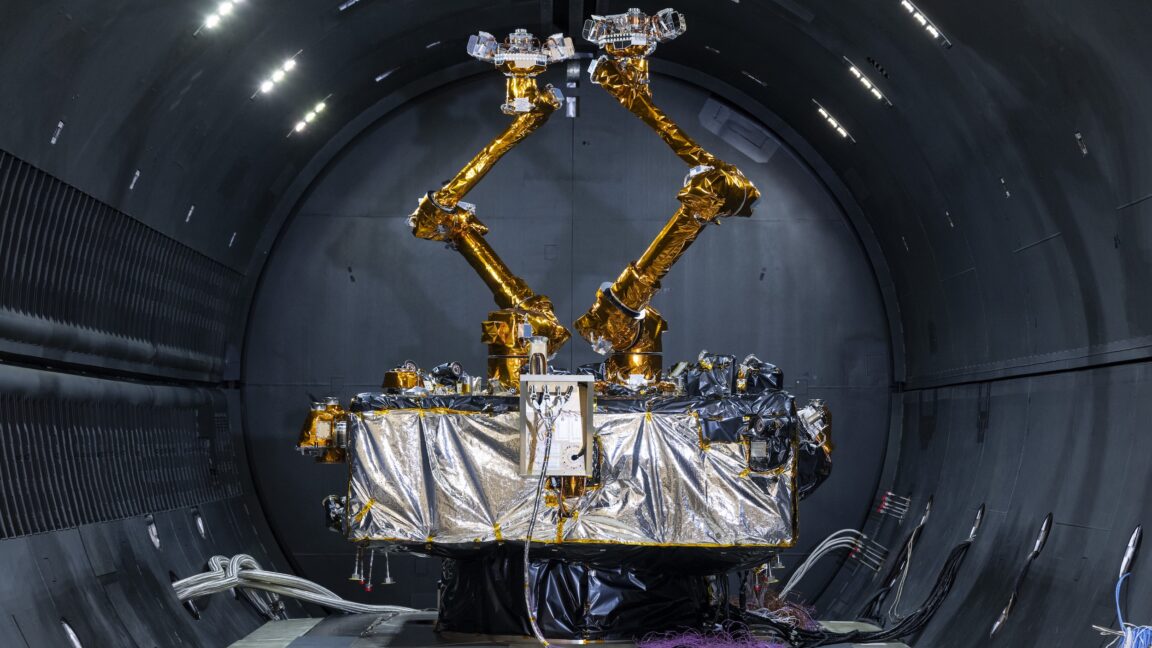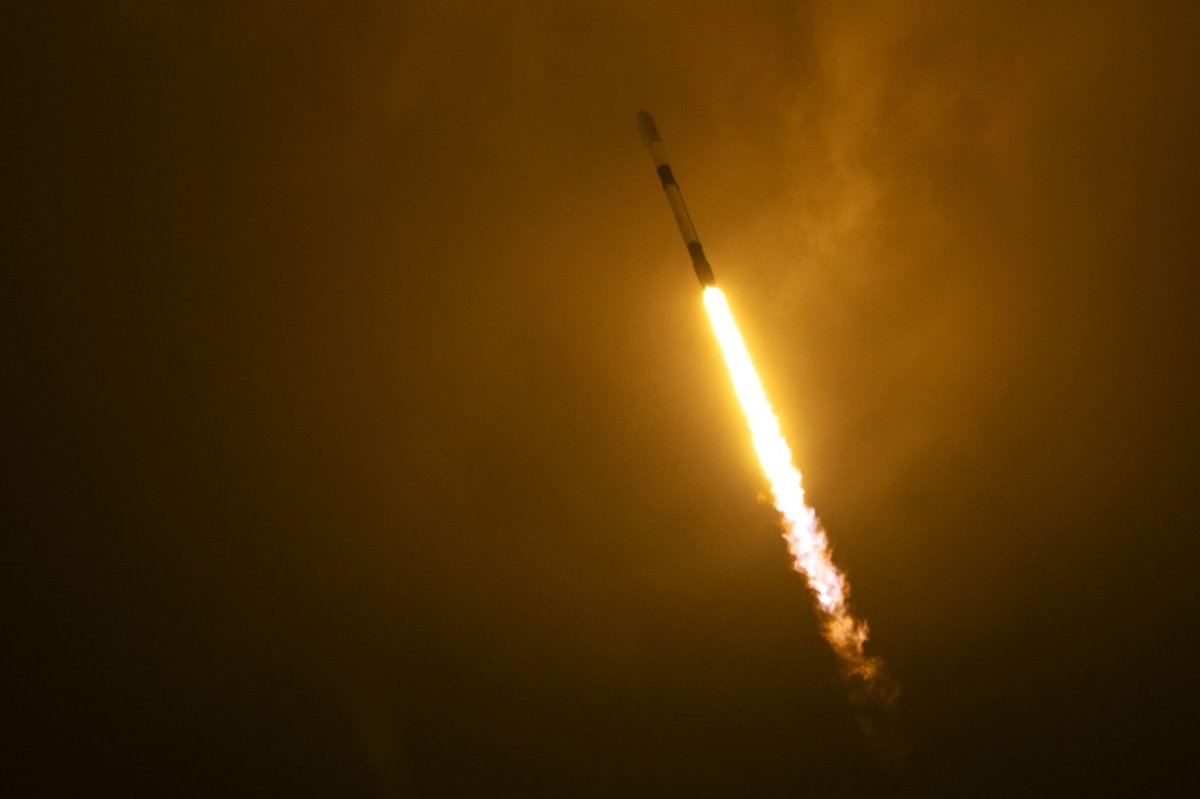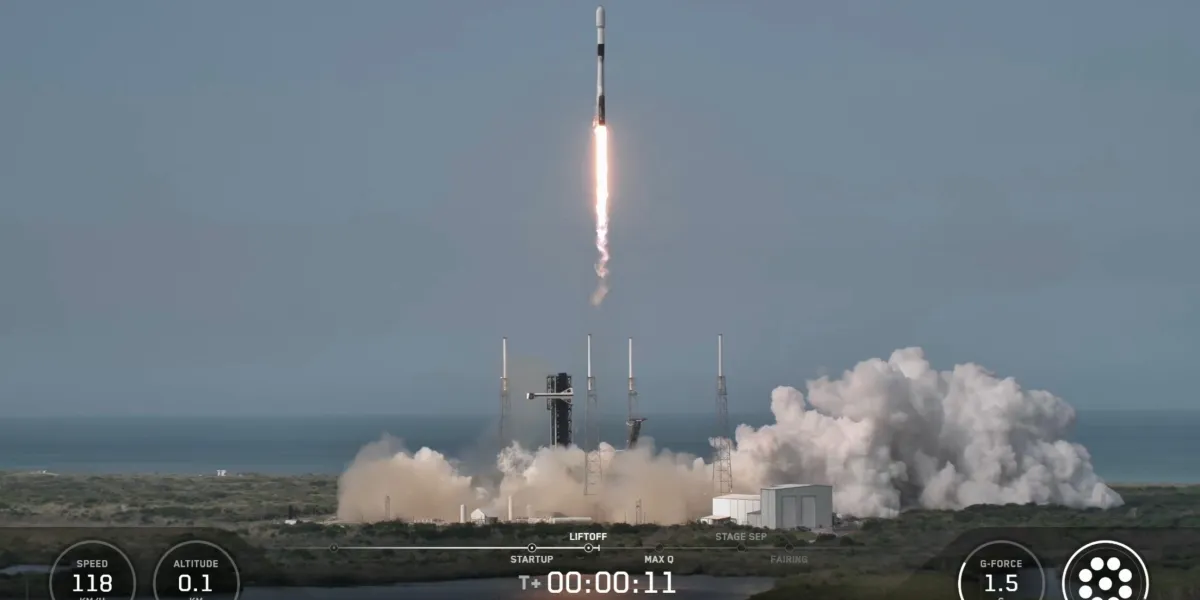
A two-armed space robot blasted off on a private salvage operation Tuesday to slap life-extending jetpacks on old satellites running low on fuel thousands of miles up.
It’s the second satellite-saving mission to launch this month, all part of a growing, money-saving effort to keep spacecraft running as long as possible. Another company’s three-armed spacecraft rocketed into orbit on July 3 to boost NASA’s Swift Observatory so it doesn’t crash to Earth this fall.
Launched by SpaceX, Northrop Grumman’s mission robotic vehicle — dubbed MRV — and its jetpacks will spend the next year angling into the proper orbit 22,300 miles (36,000 kilometers) above Earth. Hundreds of satellites orbit at this so-called geosynchronous orbit, where they match the speed of Earth’s rotation and keep to the same part of the sky for continuous coverage.
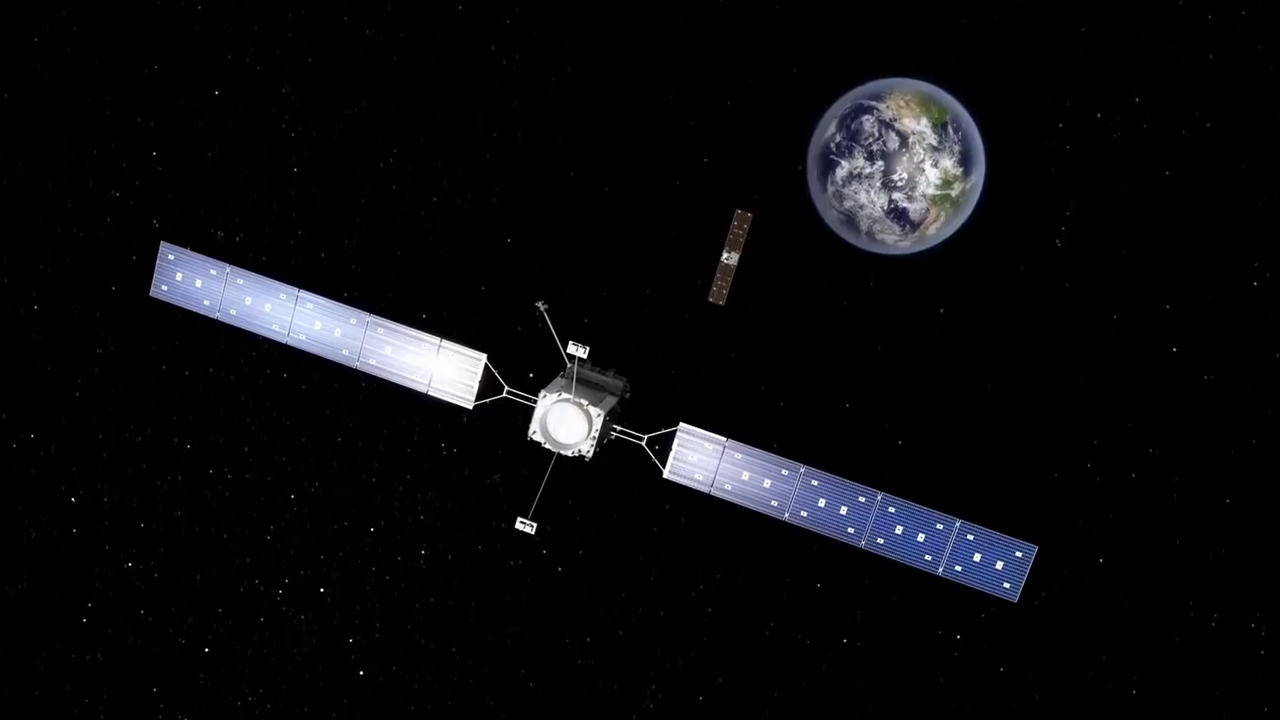
Once in place by mid-2027, the minivan-sized spacecraft will use its 10-foot (9-meter) arms to attach a jetpack to an aging communication satellite. Then it will zip off to two more satellites in need.
For its debut flight, the spacecraft was accompanied by three electric-propelled jetpacks that peeled away separately following liftoff. Like the MRV, the jetpacks will use their own xenon gas thrusters to get to the desired orbit. Once in place, the jetpacks will wait for the robot to grab them, one at a time, and plug them into their designated satellites.