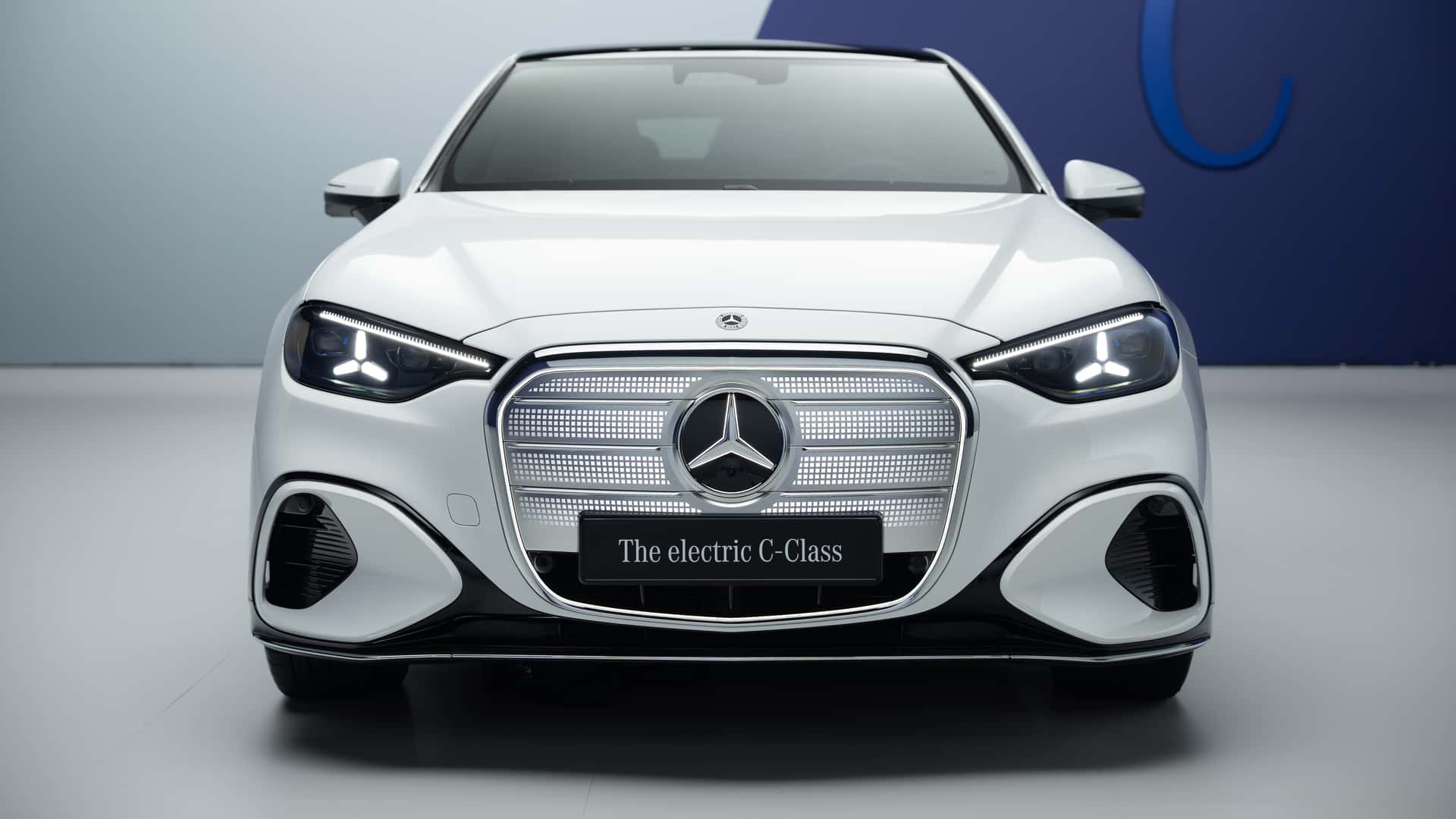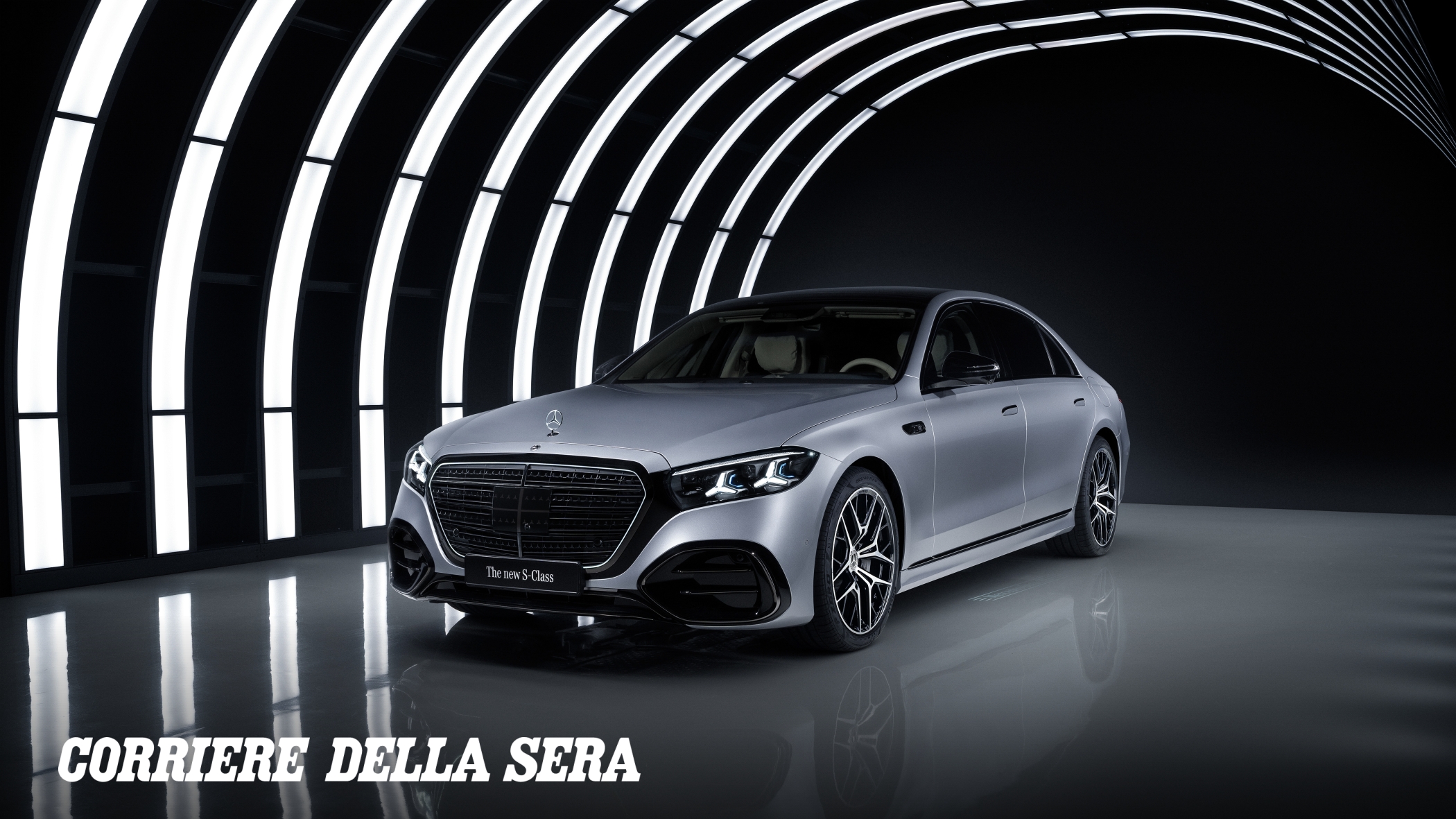
Mercedes-Benz, the company synonymous with German engineering and leather-scented luxury, might get kicked out of the American market. Not because of tariffs, not because of emissions scandals, but because of who owns its stock.
A bipartisan Senate bill introduced in April 2026 by Senators Elissa Slotkin (D-Mich.) and Bernie Moreno (R-Ohio) would prohibit the sale of connected vehicles in the US by any automaker where more than 15% of ownership is held by Chinese entities. Mercedes-Benz Group AG has roughly 20% of its ownership linked to Chinese stakeholders. In English: Mercedes is over the line, and the consequences could be enormous.
The ownership problem Mercedes can’t easily fix
Two major Chinese stakeholders put Mercedes on the wrong side of the proposed 15% threshold. BAIC, a Chinese state-owned automaker, holds approximately 10% of Mercedes-Benz Group. Li Shufu, the founder of Geely (the Chinese company that also owns Volvo Cars), holds another roughly 10%. Combined, that’s about 20% Chinese ownership.
Mercedes is now actively lobbying Congress to raise the ownership ceiling from 15% to 25%. The argument is straightforward: these are passive investments, not operational control. BAIC and Li Shufu aren’t designing Mercedes vehicles or accessing customer data. They’re shareholders collecting dividends.