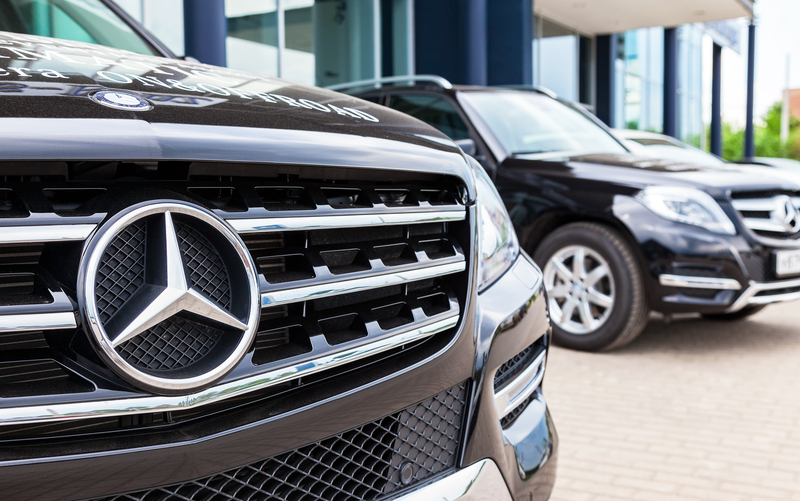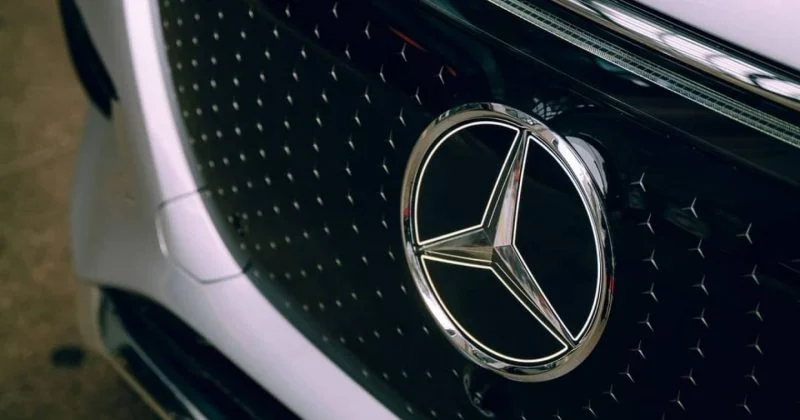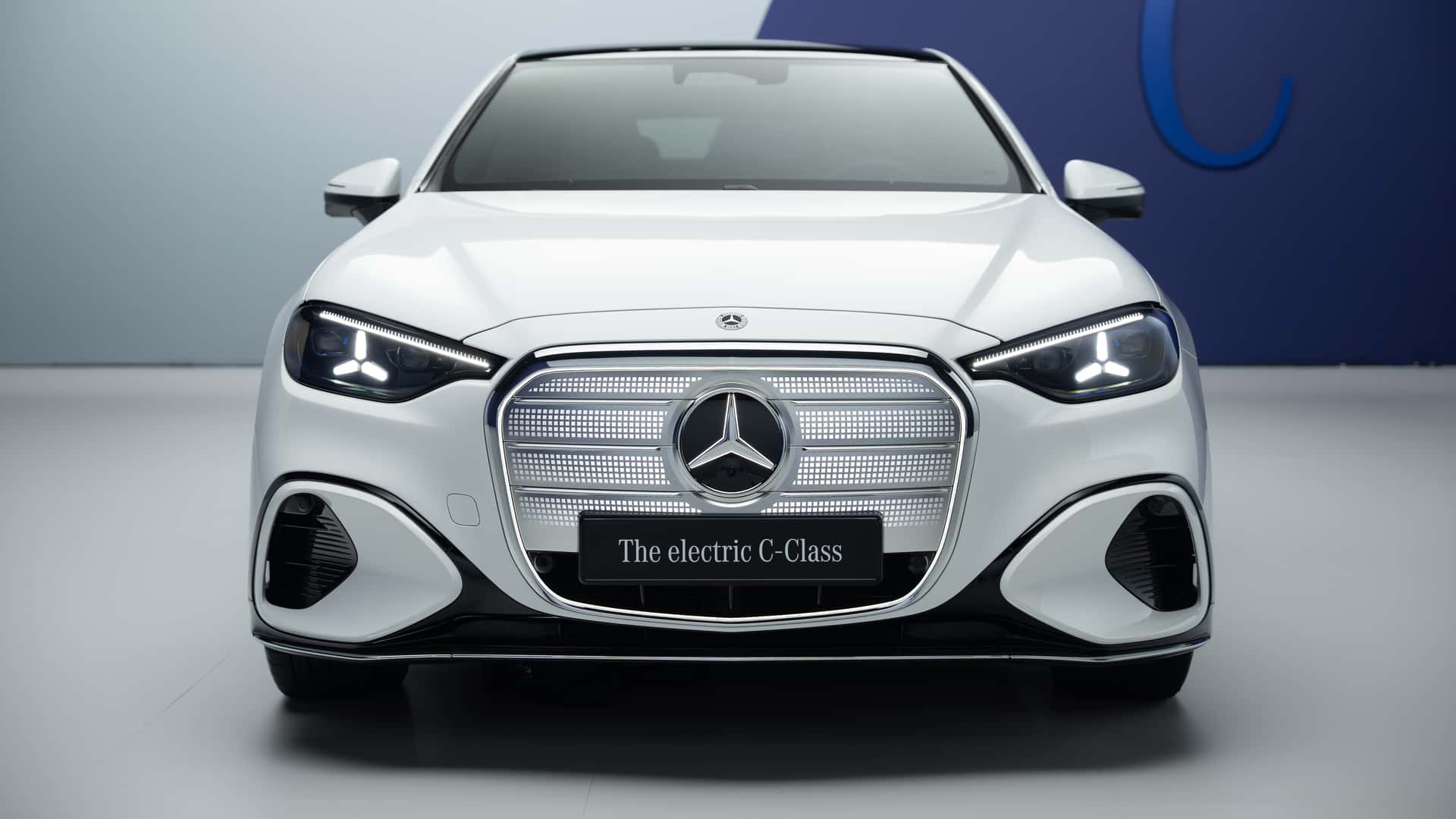
Mercedes-Benz could potentially be barred from selling or manufacturing vehicles in the United States under a new bipartisan bill in Congress aimed at restricting automakers with ties to Chinese government-linked ownership, according to a CNBC report.The Mercedes-Benz logo is pictured on the hood of a car. (Unsplash)The proposed legislation, titled the Motor Vehicle Modernization Act of 2026, seeks to block companies with any direct or indirect equity interest from “foreign-adversary governments” from importing, selling, or producing vehicles in the US.China is listed in the bill as a foreign adversary, alongside Russia and North Korea.Why Mercedes-Benz is being flaggedConcerns arise from Mercedes-Benz’s shareholder structure. Its largest individual shareholder is BAIC, a Chinese state-owned automaker, which holds a 9.98% stake in the company.BAIC was formerly known as Beijing Automotive Industrial Corp.In addition, Chinese billionaire Li Shufu, founder of Geely, holds a 9.69% stake through his investment firm Tenaciou3 Prospect Investment. Combined, the two holdings account for roughly 19.67% of Mercedes-Benz Group AG.Sources familiar with the legislation told CNBC that depending on interpretation, this ownership structure could bring Mercedes-Benz under the bill’s restrictions.What the bill proposesIf enacted in its current form, the bill would prohibit affected automakers from importing, selling, or manufacturing vehicles in the US for five years.It also includes exemptions for companies that have produced passenger vehicles in the US for at least five years prior to January 1, 2026. However, such exemptions may not apply if a company has direct or indirect ownership ties to a foreign-adversary government.The legislation is sponsored by House Energy and Commerce Committee Chairman Brett Guthrie and is currently limited to the House, with no Senate companion bill introduced yet.Potential wider impact on auto industryThe ownership threshold could also affect other automakers with Chinese-linked investment exposure, including Volvo, Lotus, Karma Automotive, and Faraday Future.Stephen Ezell of the Information Technology and Innovation Foundation told CNBC that including Mercedes-Benz in the scope of the bill could create unintended consequences.“If Mercedes were to be included in the bill, I think it would be an unintended consequence that could result in the loss of jobs and profits,” Ezell said.Mercedes-Benz US operationsMercedes-Benz has a significant manufacturing presence in the United States, including major facilities in Alabama and South Carolina.The company said its Tuscaloosa, Alabama plant has produced more than five million vehicles since 1997, while its South Carolina facility has produced more than 450,000 passenger vans since 2006.The bill is part of a wider push in Washington to limit Chinese influence in critical US industries, particularly automotive manufacturing and connected vehicle technology.Industry groups have said they support efforts to strengthen national security but warn that unclear ownership definitions could have unintended consequences for global automakers operating in the US market.
Why Mercedes-Benz is at risk of US market ban under new Congress bill | Explained
A new bipartisan bill could prevent Mercedes-Benz from selling vehicles in the US.
449 words~2 min read