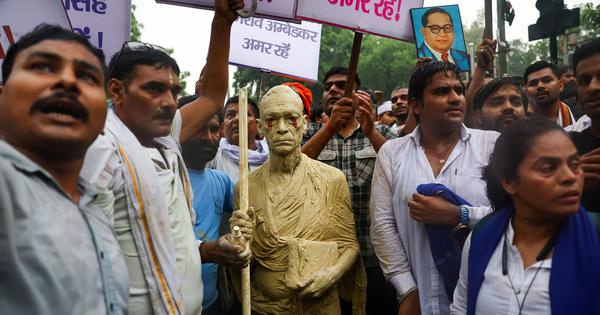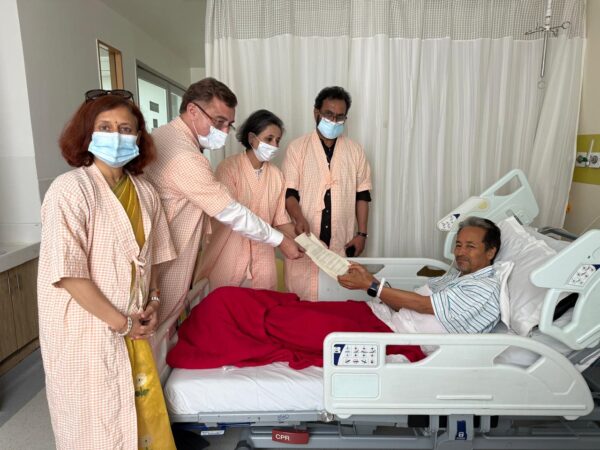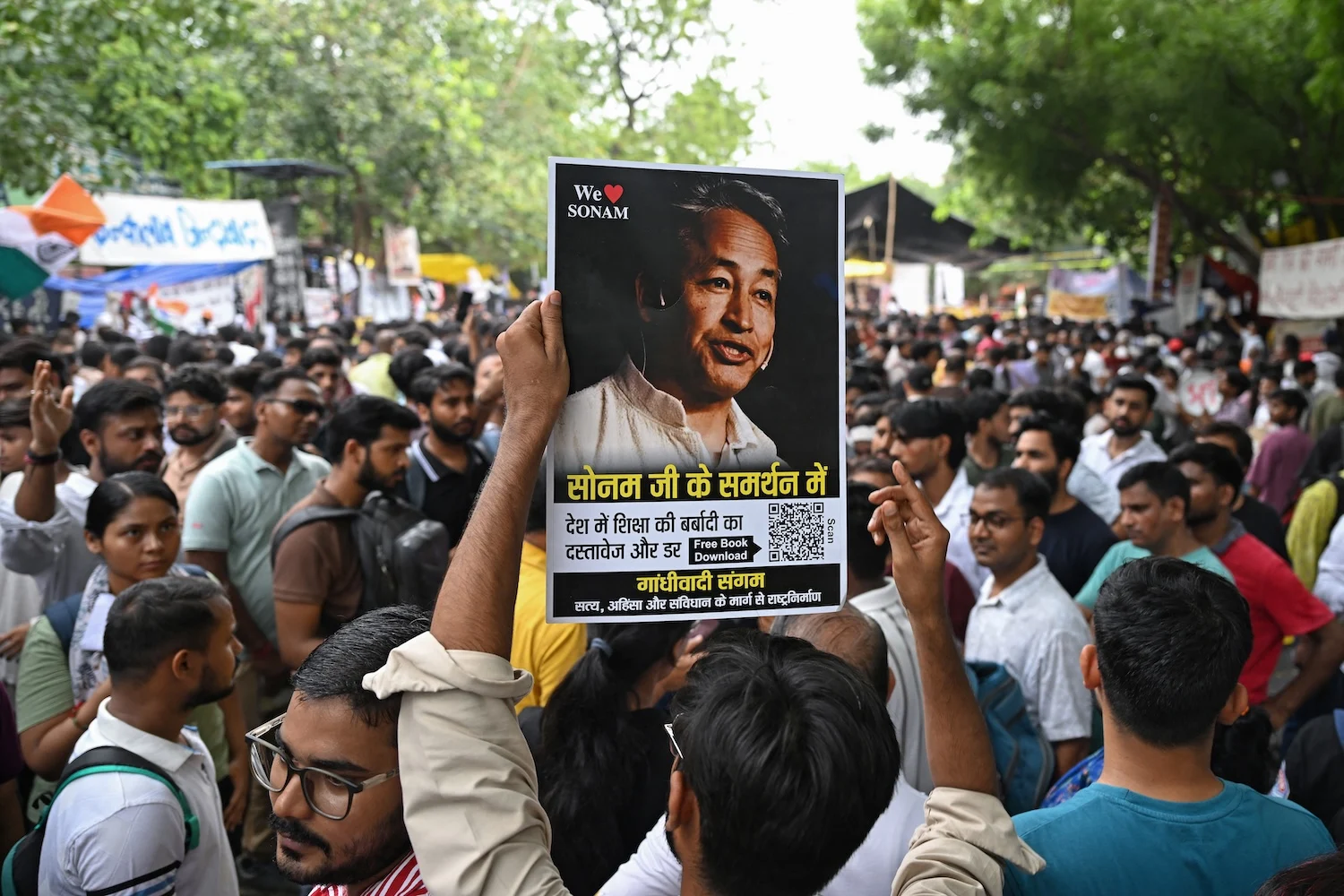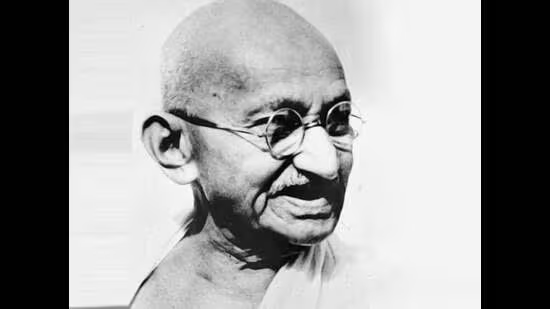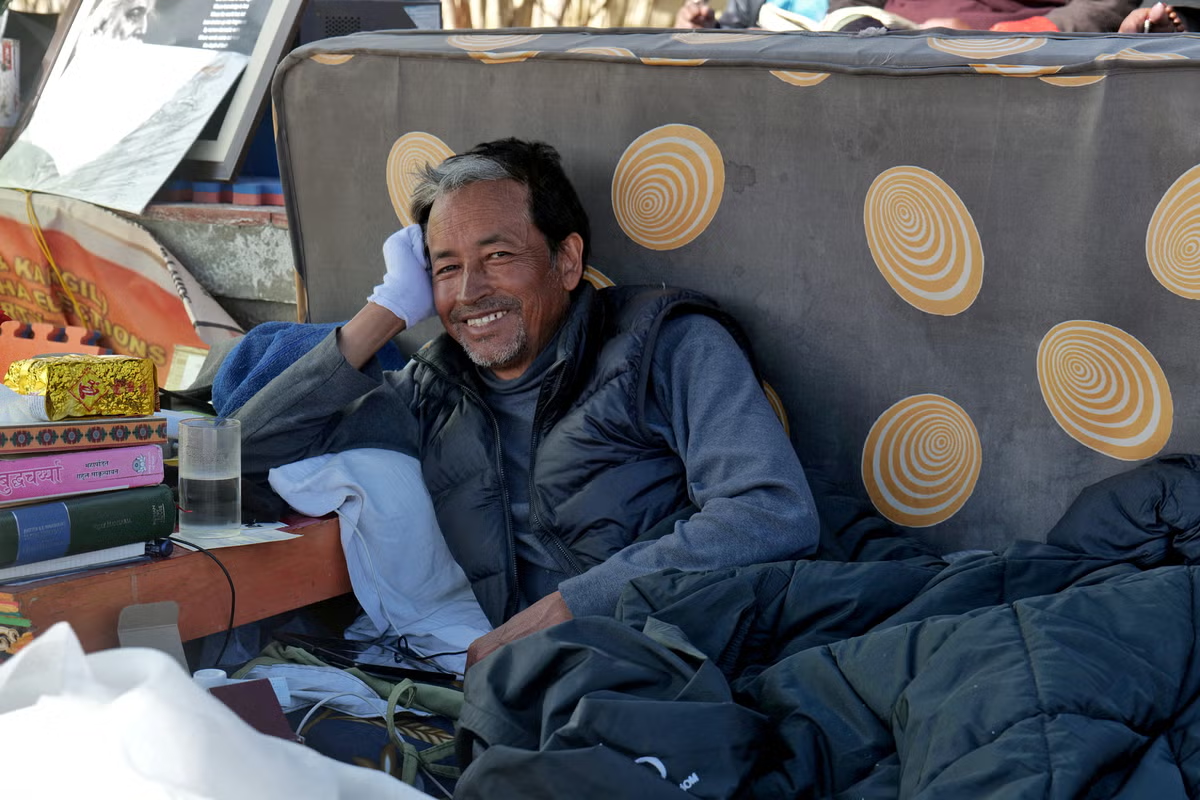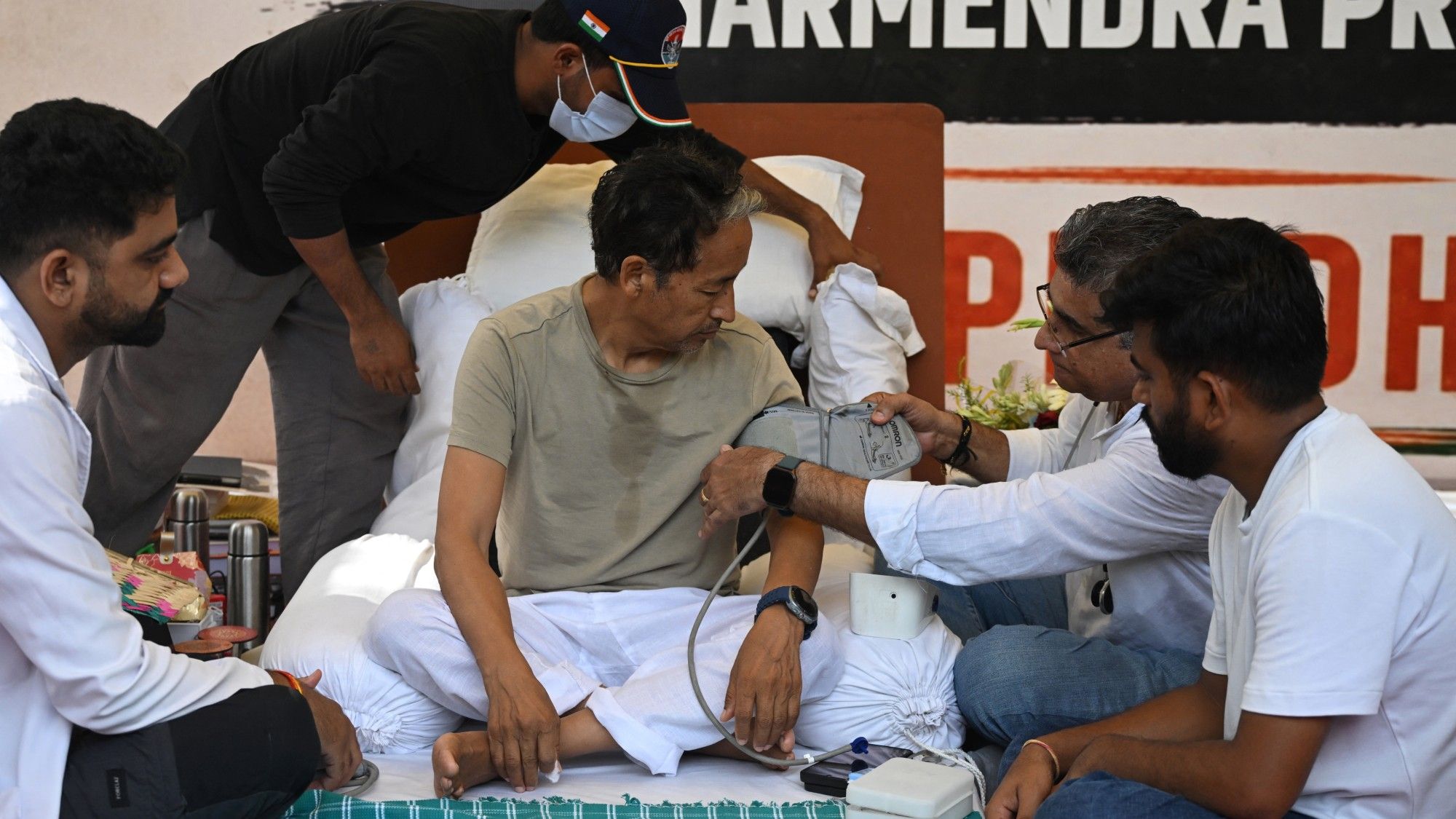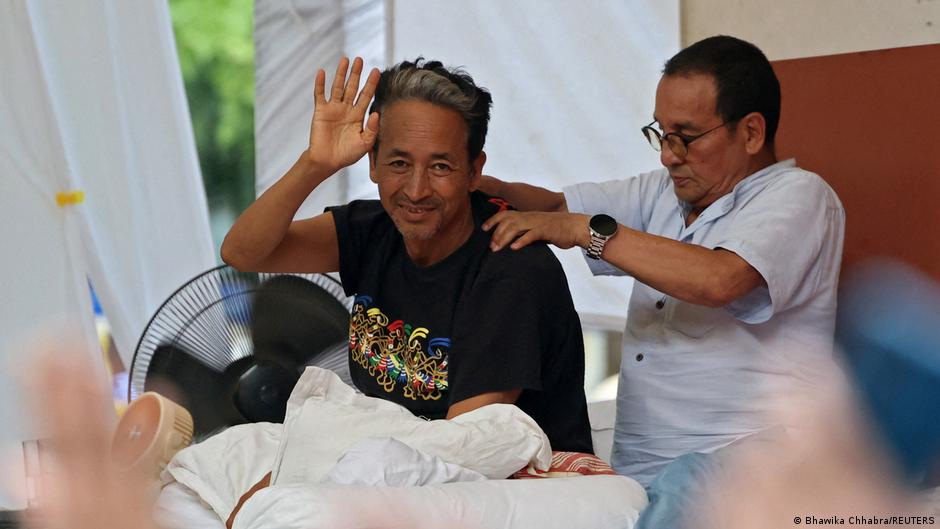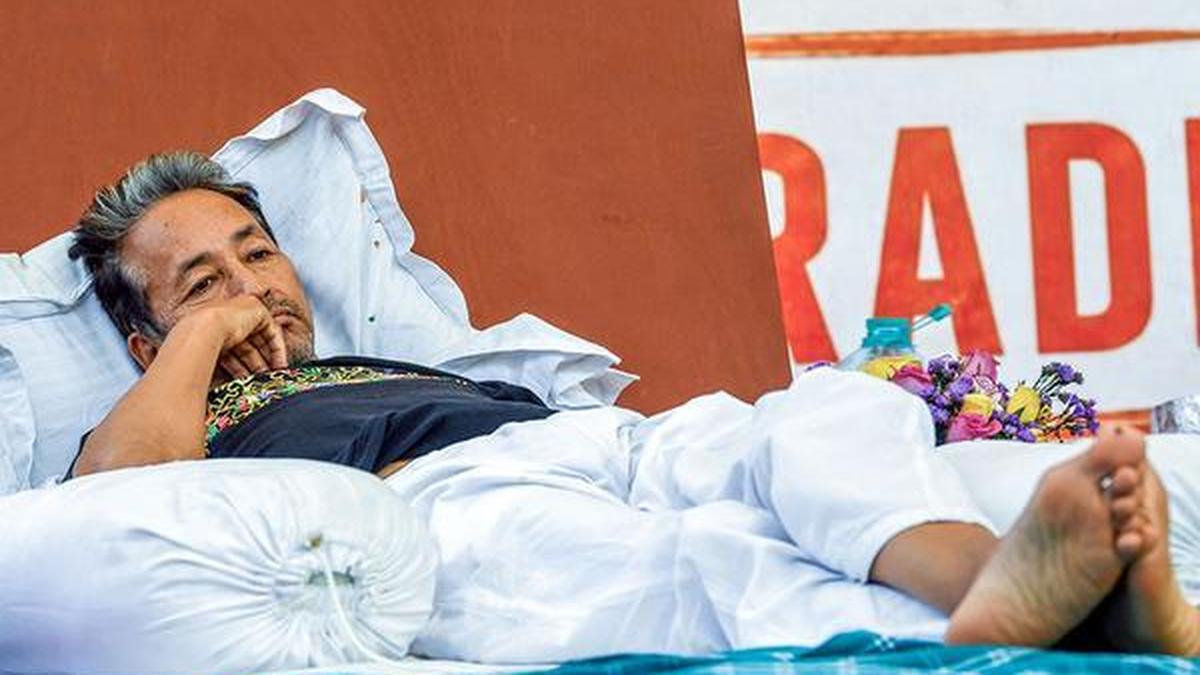
‘Hunger strike’ or ‘fast unto death’ has been observed in the annals of India’s history as one of most crushing forms of non-violent protest, demanding immediate attention to a prevailing issue. Based in Mahatma Gandhi’s ideals of satyagraha, fasting has emerged as a potent tool to bring immediate attention to demand justice and influence opinion. The crux of the method lies on the simple idea: a person or a community purposefully goes into fasting for an indefinite period to pressurise the state for immediate action.In the face of an acrimonious British colonial rule, Mahatma Gandhi undertook several fasts between 1918 and 1948 to lodge protest against communal violence, partisan policies, and high tax measures. Revolutionary leader Bhagat Singh had also leveraged the tactic, demanding equal treatment for Indian political prisoners under British rule.Hunger strike as a form of expressing dissent was also undertaken by political leaders. In 2009, the then Tamil Nadu Chief Minister M. Karunanidhiobserved a fast demanding an immediate ceasefire in Sri Lanka which saw a brutal violence targeted against Tamils during the Eelam War. His fast came into an end within a day following an assurance by the Union government. In 1993, Chief Minister Jayalalithaa launched a high-profile hunger strike demanding Karnataka to release Cauvery water to Tamil Nadu. Despite a differing context, both protests garnered significant outpour of sympathy across major public quarters.With Sonam Wangchuk’s hunger strike — seeking resignation of Education Minister Dharmendra Pradhan and accountability in NEET paper leaks gaining momentum — here are few key activists and leaders whose hunger strikes shaped the politics in India’s post-independence history.Potti Sriramulu: Birth of Andhra Pradesh
From Potti Sriramulu to Sonam Wangchuk: Hunger strikes that changed India’s politics
Explore six pivotal hunger strikes in India that transformed political landscapes and public discourse, from Potti Sriramulu to Sonam Wangchuk.
1,273 words~6 min read