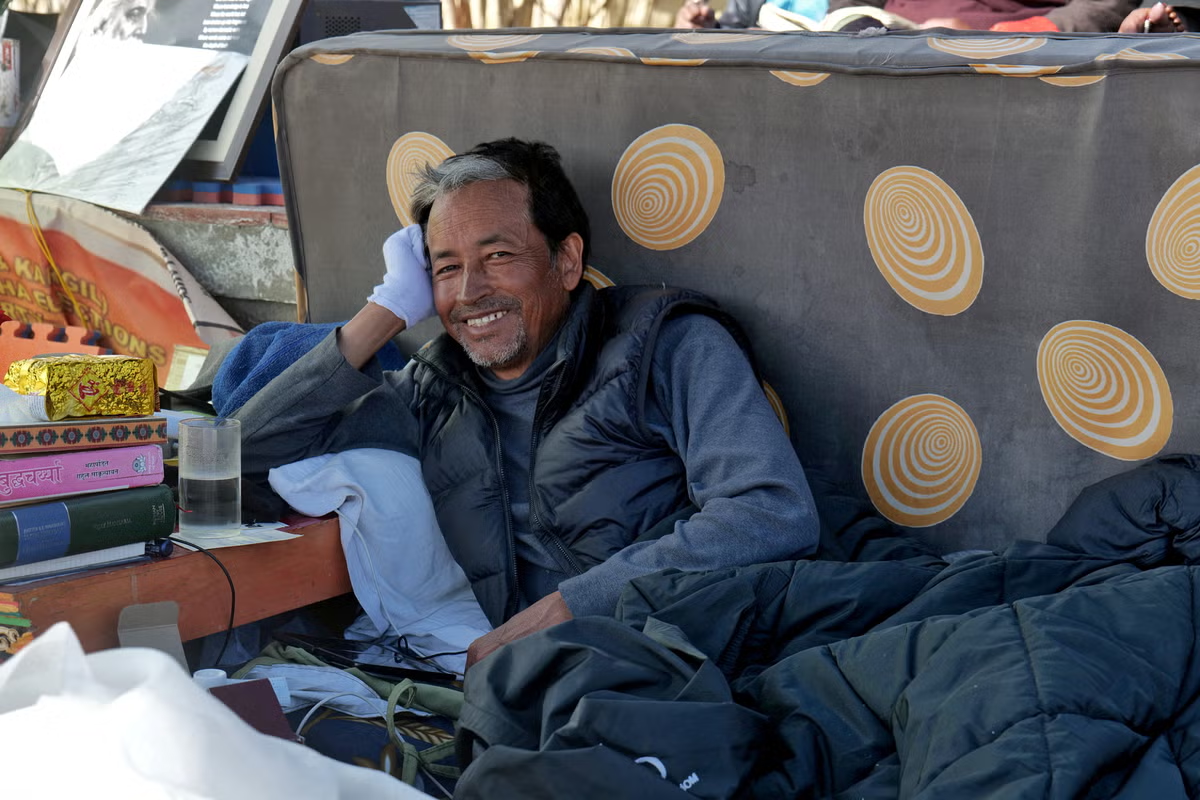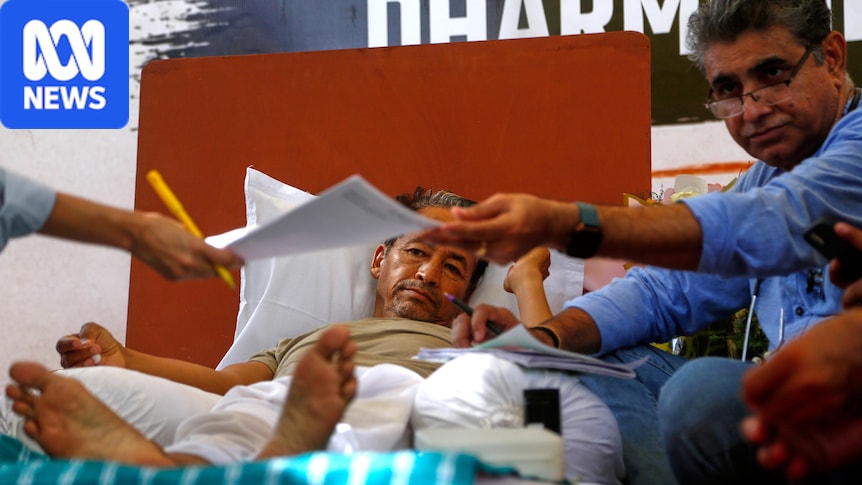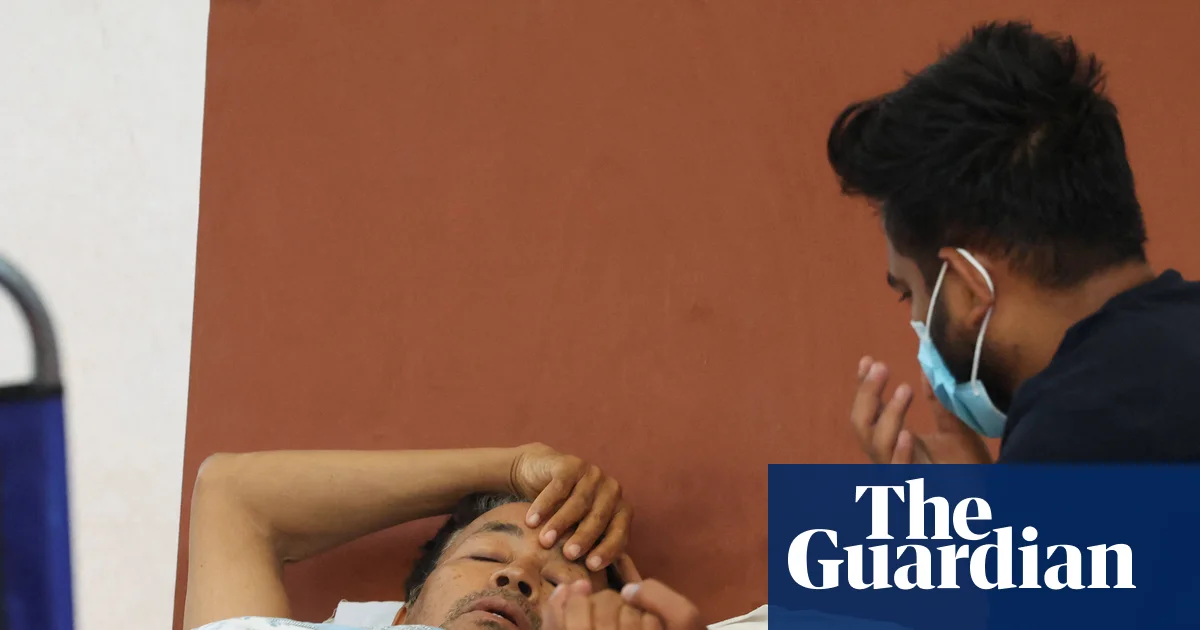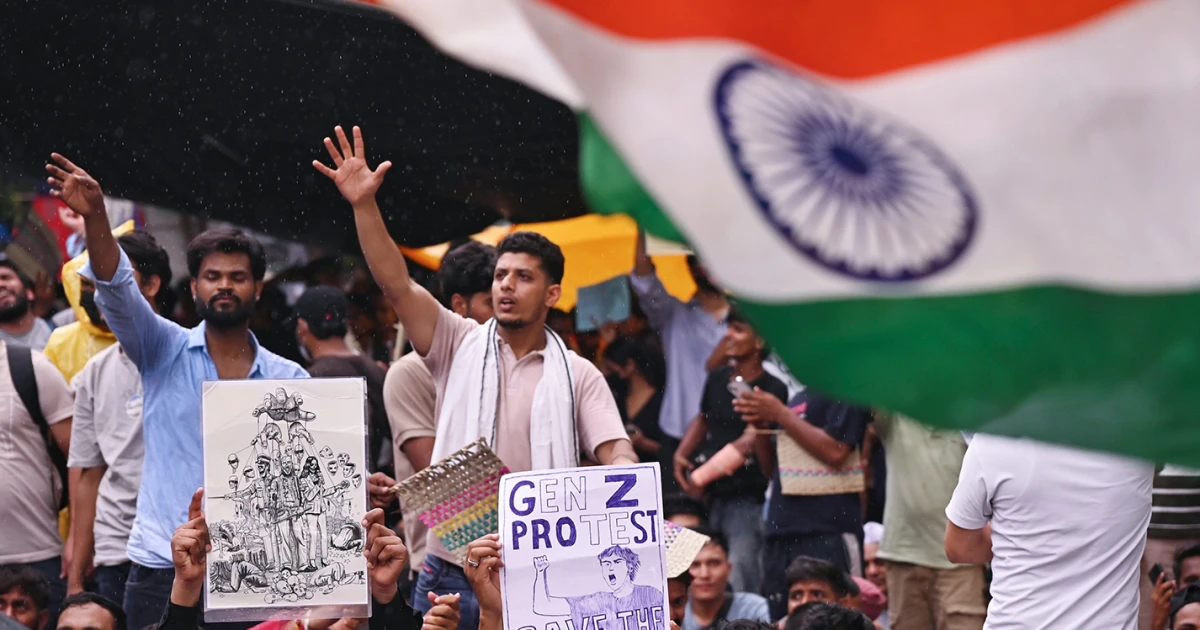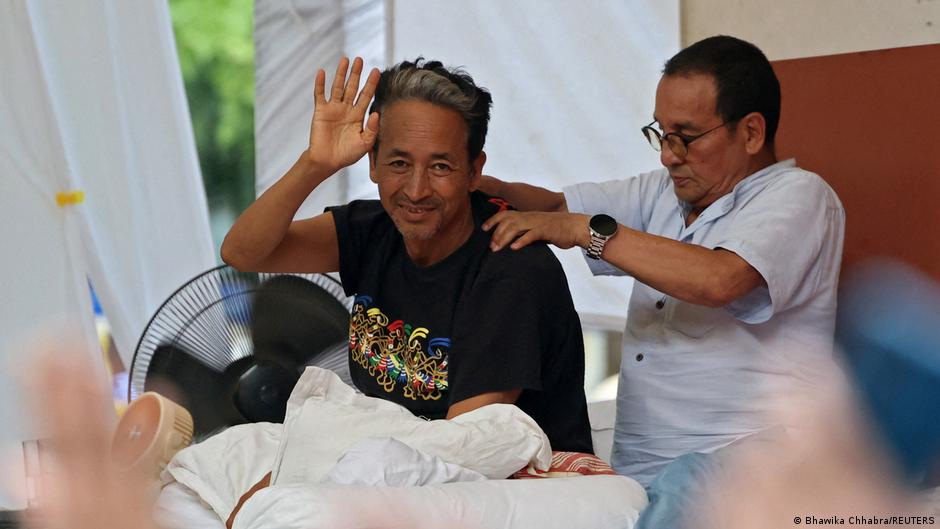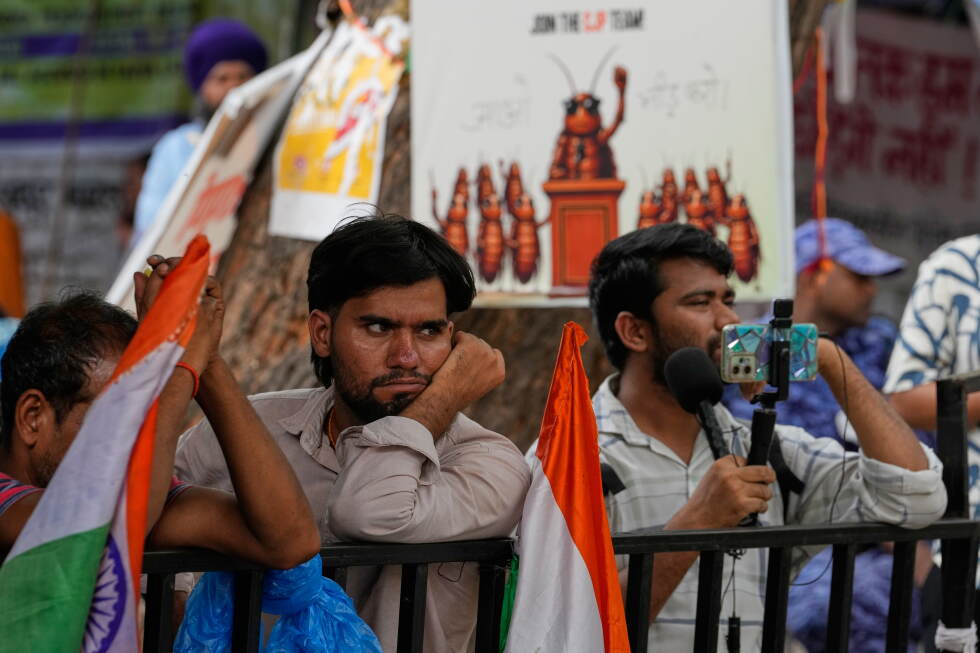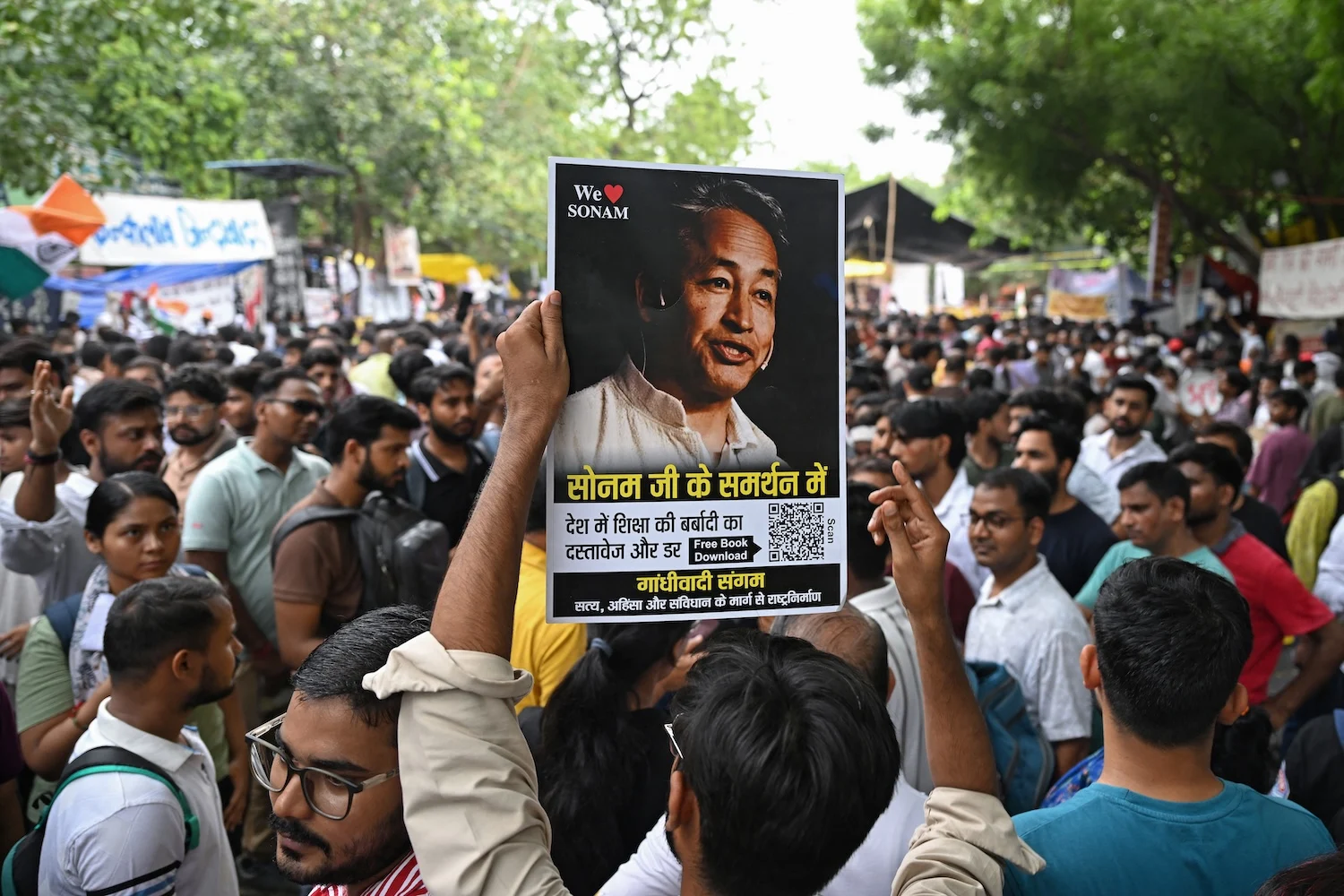
On July 18, the award-winning Indian activist Sonam Wangchuk was picked up by the Delhi Police and taken to a state-run hospital against his will 20 days into a hunger strike. His fast is aimed at demanding accountability from the government after medical school entrance exam papers were leaked in May—supporting a nascent movement of young Indians fed up with unfairness in India’s hypercompetitive education system and high unemployment.
The scene at the hospital was familiar: a frail man surrounded by men in uniform, with a government insisting that it had acted out of medical concern and his family insisting that the state had no business intervening. Wangchuk’s condition remains stable, and on Tuesday, the Delhi High Court allowed him to be moved to a private hospital. India has watched similar situations play out many times—the fast is one of the oldest protest mechanisms in its political repertoire.
Wangchuk, 59, is an engineer and education reformer best known for water conservation work in the Himalayas. He began his hunger strike at New Delhi’s Jantar Mantar observatory on June 28, shortly after India’s medical school entrance exams—sat by roughly 2.2 million aspiring doctors—were conducted twice within weeks because of the leak. The controversy caused mass frustration and uncertainty; it was followed by a wave of reported suicides among students.