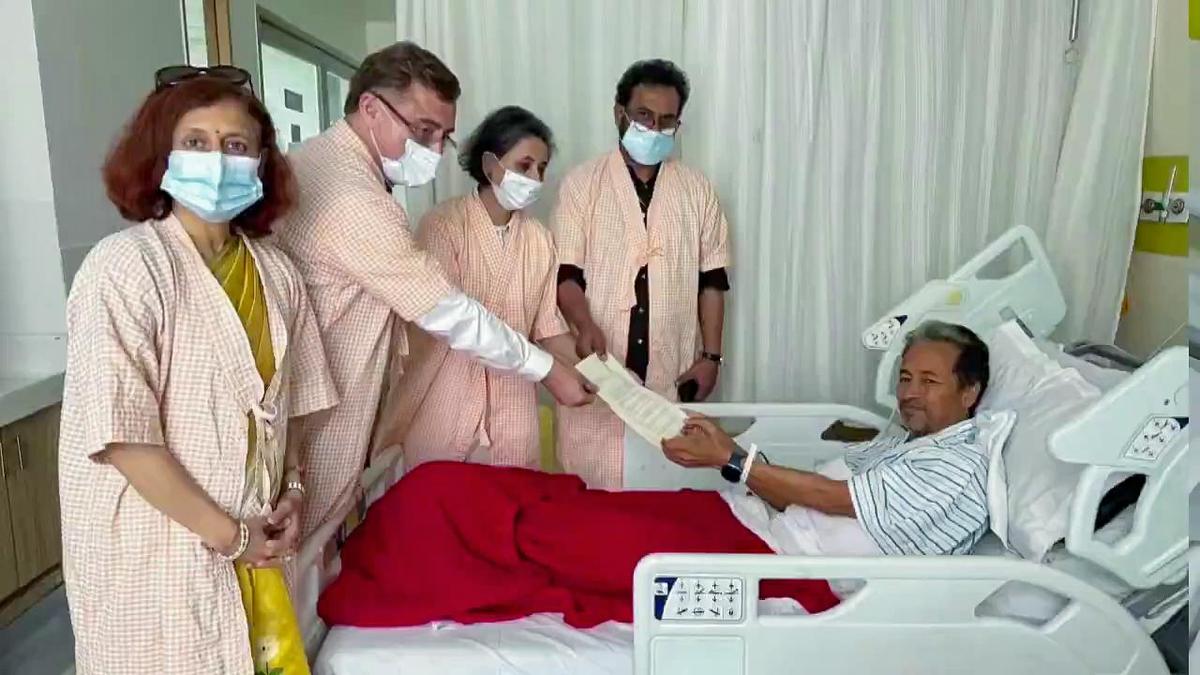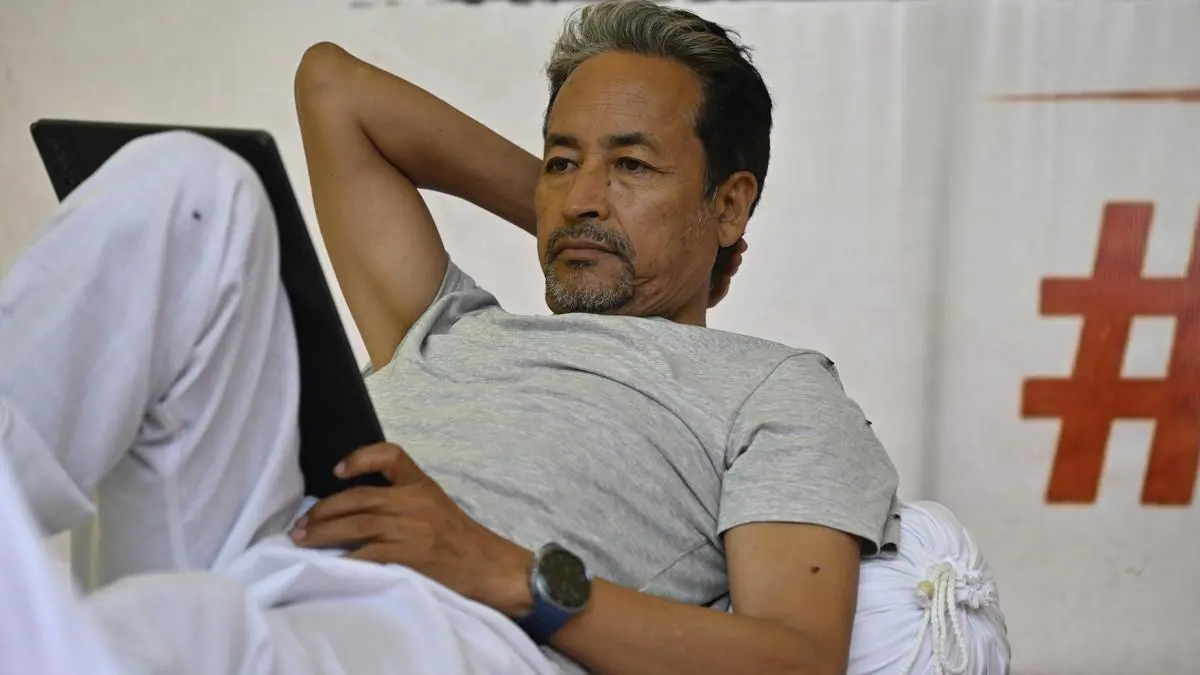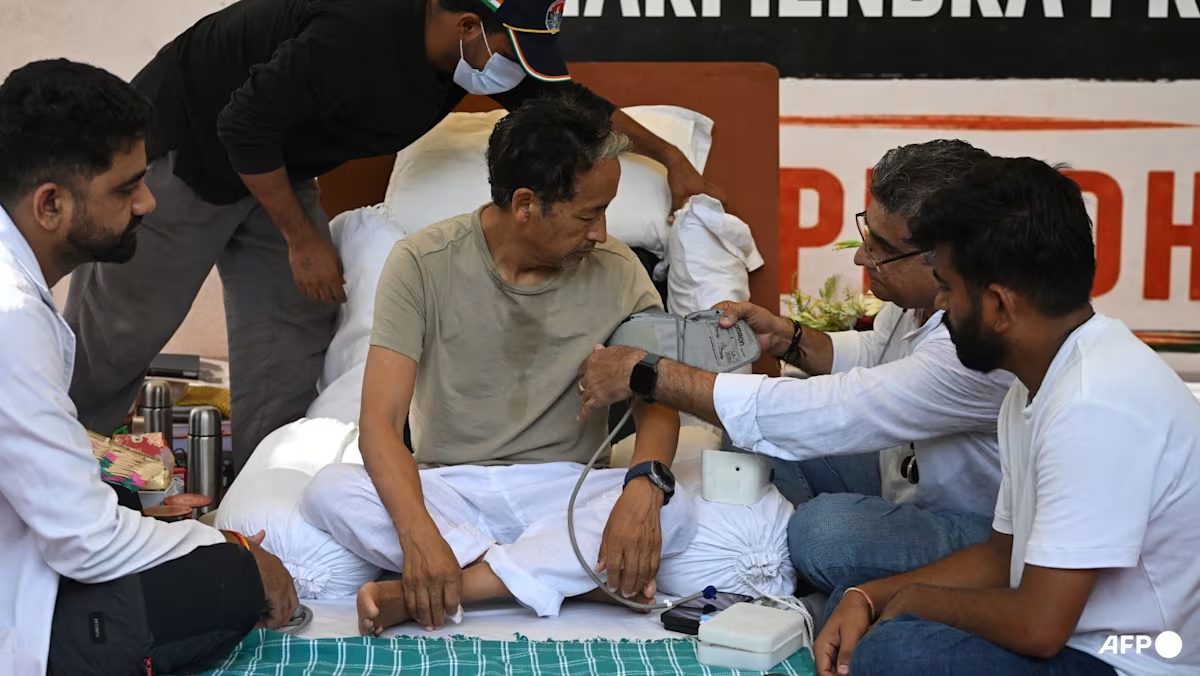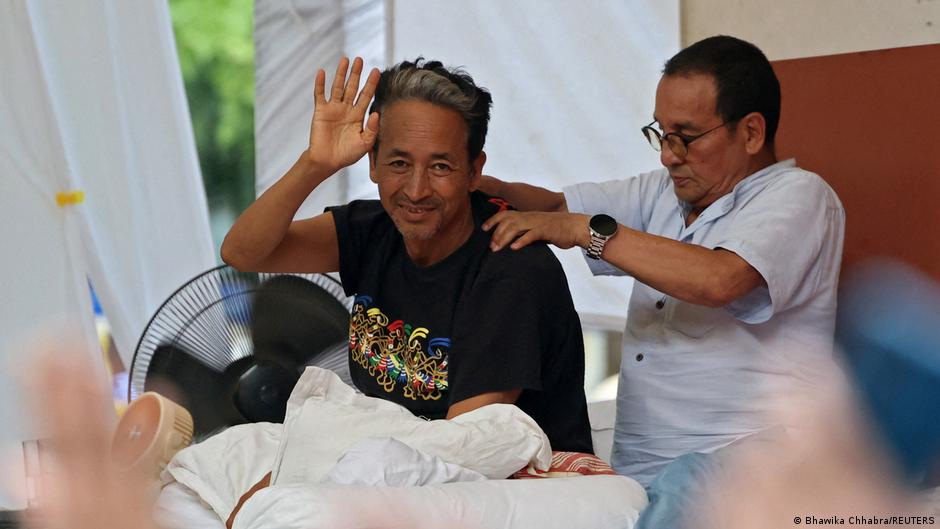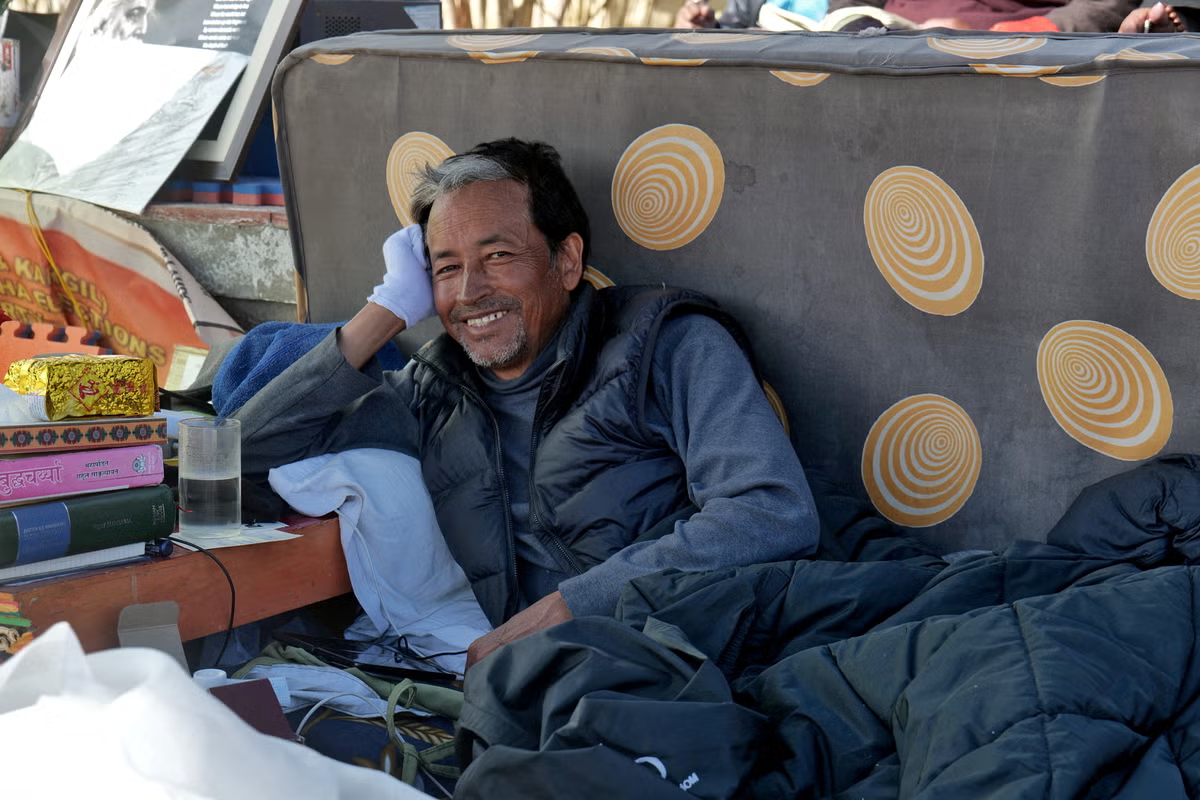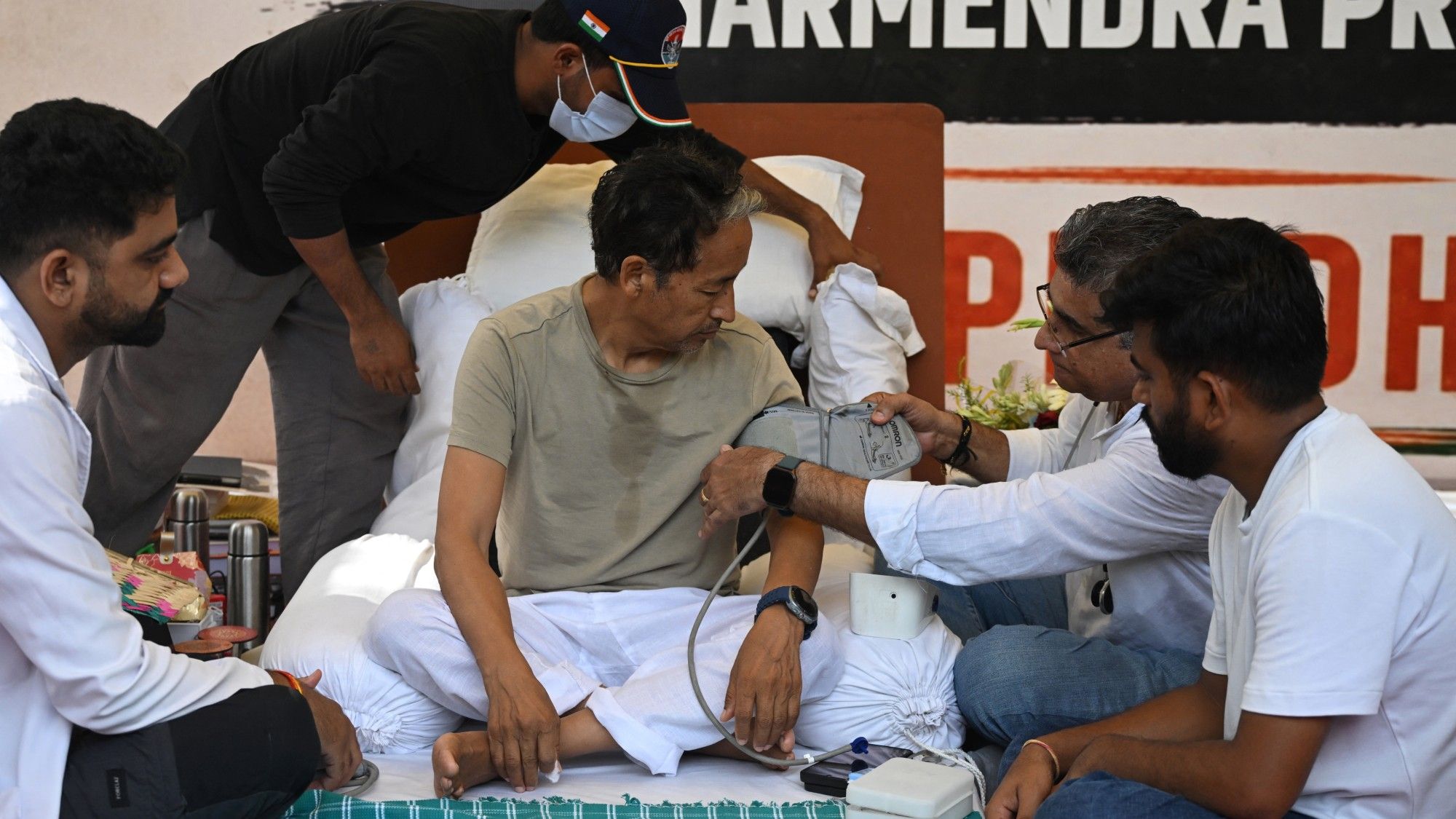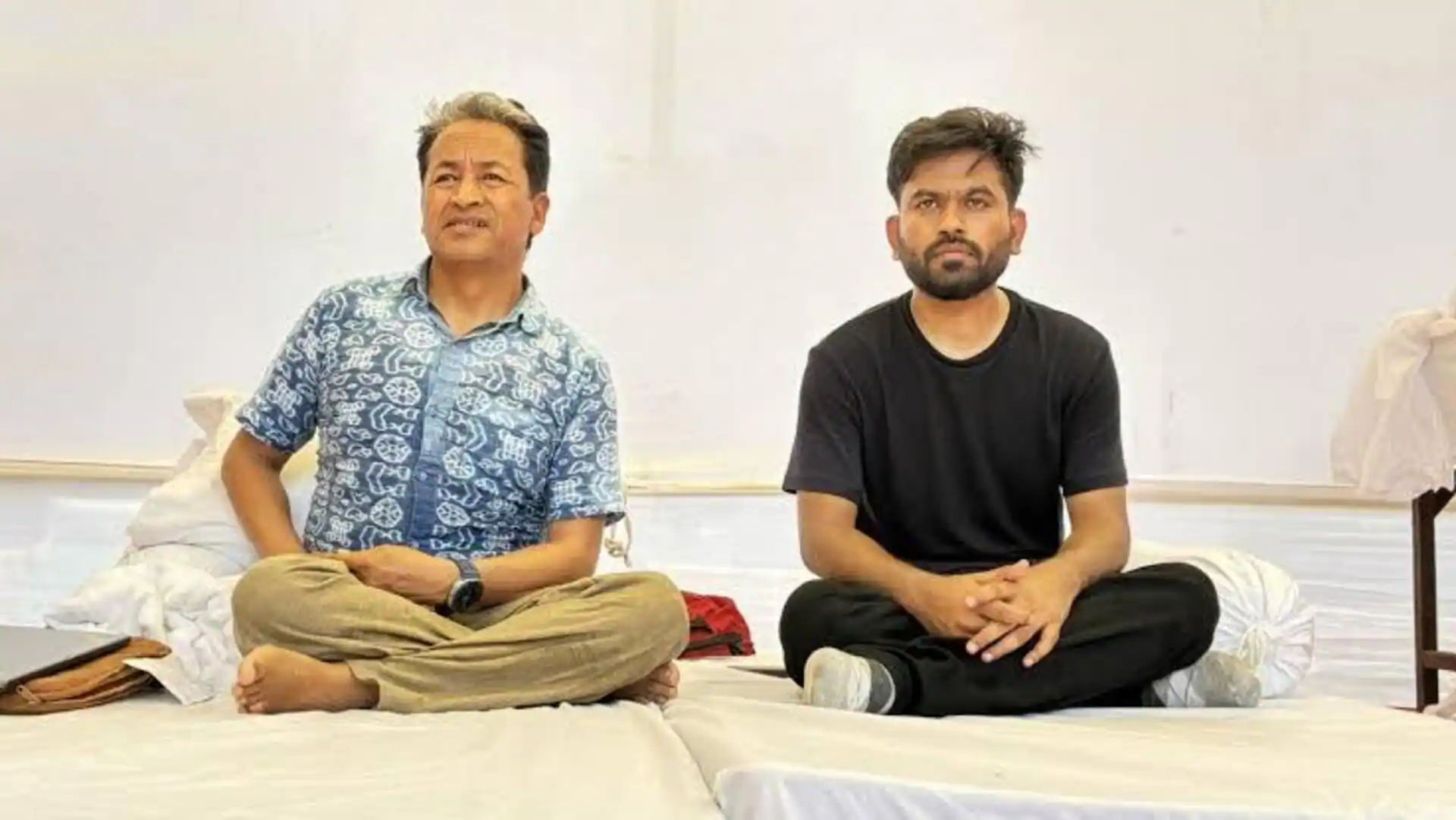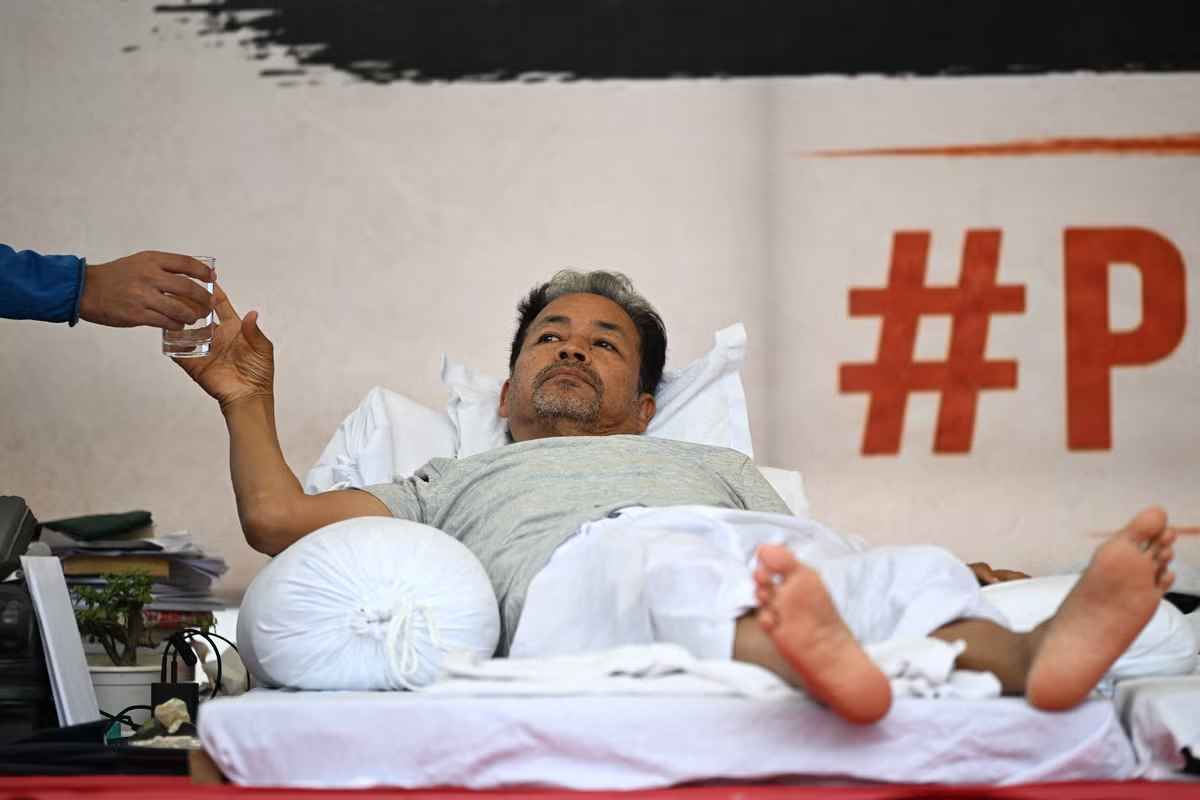
On Thursday night, educator and environmental activist Sonam Wangchuk ended the hunger strike he had started more than three weeks ago in Delhi. He is well-known for peaceful protests, some of them fasts, demanding statehood for Ladakh and drawing attention to the ecological fragility of the Himalaya.This time, though, the issue was different.In May, the question paper for the NEET-UG, the national entrance exam for medical school, leaked. In June, more than two million students were made to redo the exam – one of the largest examination frauds in recent memory.Wangchuk began fasting in solidarity with members of the Cockroach Janata Party, a youth movement only weeks old but already nationally known. They were demanding Education Minister Dharmendra Pradhan’s resignation, accountability for the leak and an overhaul of the entrance examination system itself.India did not invent going hungry in protest, but it has clearly made the method its own. One could even fashion an alternative history of the Republic based on its major fasts – not just of marginal protests but some of the most significant confrontations between the Indian state and people.Even the most basic of lists is long: Sant Fateh Singh, whose refusals of food in the 1960s helped carve a Punjabi-speaking state out of undivided Punjab; Sunderlal Bahuguna’s fasts, from the Chipko years of the 1970s to his 45- and 74-day fasts against the Tehri Dam in the 1990s; Medha Patkar’s fasts against the Narmada dams; Irom Sharmila’s 16 years on a feeding tube against Armed Forces (Special Powers) Act; Anna Hazare’s anti-corruption fast of 2011; GD Agarwal’s 111-day fast to save the Ganga in 2018.Perhaps no protest proved more consequential in independent India than that of the Gandhian Potti Sriramulu, who in 1952 began a fast unto death in what was then Madras State, demanding a separate Andhra. He died on the 58th day, but his death set in motion the redrawing of the Indian map as we know it, along largely linguistic lines.Despite this long history, the current strike has evoked much commentary about hunger strikes being an anachronism. Surely, sceptics say, a modern democracy offers better ways? Public amnesia and cynicism is not universal, but it is widespread enough to reconsider the history, the logic and popularity of fasts.Arguably not just India’s but the world’s most famous fasting agitationist was Mohandas Karamchand Gandhi (1869-1948). Even today, Gandhi is the method’s emblem. Early in the protests, supporters were calling Wangchuk a “modern Gandhi” and the government’s representatives vehemently opposed the comparison.Gandhi taking his last meal before the start of his fast, Rajkot, 1939. Credit: In public domain, via Wikimedia Commons.Gandhi’s belief that hunger could be an instrument of moral suasion evolved over time. It was bound up with his ideas about personal faith and diet, and began not in India but in South Africa where he spent two decades of his life from 1893 to 1914. From there, Gandhi’s fasts grew in widening, albeit interconnected, circles: first a discipline of the body, then a lever within his own household, then politics, and only later, in India, as national agitation.In India, the first public test of the method came in 1918, and the target was not yet the colonial state but a friend. Gandhi fasted for three days in support of some 10,000 Ahmedabad mill workers demanding higher wages. The employers they were striking against were led by Gandhi’s own financial supporter and fellow Gujarati, the industrialist Ambalal Sarabhai.The 25-day workers’ strike and the fast ended in compromise: the workers had wanted a 50% raise against the millowners’ offer of 20; Gandhi encouraged them to settle at 35.The first of Gandhi’s landmark national fasts came a year later in 1919. This marked the beginning of what was also his first major nationwide call for a strike against the British empire. The provocation was the Rowlatt legislation, passed into law in March 1919, months after the First World War ended.The Rowlatt Act allowed the government to detain people without trial and to try “seditious” cases without a jury. It also curtailed already limited press freedoms. For Indians, including Gandhi, who had supported Britain’s war efforts, these extensions of wartime controls on civil liberties were a grave betrayal.Gandhi announced April 6, 1919, as a day of hartal – a suspension of work – and a national day of prayer and fasting. The response was spectacular: hundreds of thousands gathered in public locations across the country.What made it particularly striking was that the day was largely choreographed through symbolic action rather than leaders’ speeches – a 24-hour nationwide fast; shops and markets closed; mourning emblems (black flags in Bombay, crêpe armbands in Allahabad); multifaith gatherings everywhere. This combination of symbolism and mass mobilisation inaugurated the template of Gandhian protests.Looking back at Gandhian fasting and protests, more generally, there is a pattern that is easy to miss today. They required meticulous planning and organisation. Every fast and movement he launched had clear demands, included systematic public fund raising, and announced guidelines for participation. The authorities were always informed beforehand – Gandhi often wrote to the British Viceroy directly – and the press was kept in the loop.
Gandhi to Wangchuk, what history says about the success of hunger strikes in India
The real test is whether the public still cares about a just cause that has been silenced.
1,743 words~8 min read