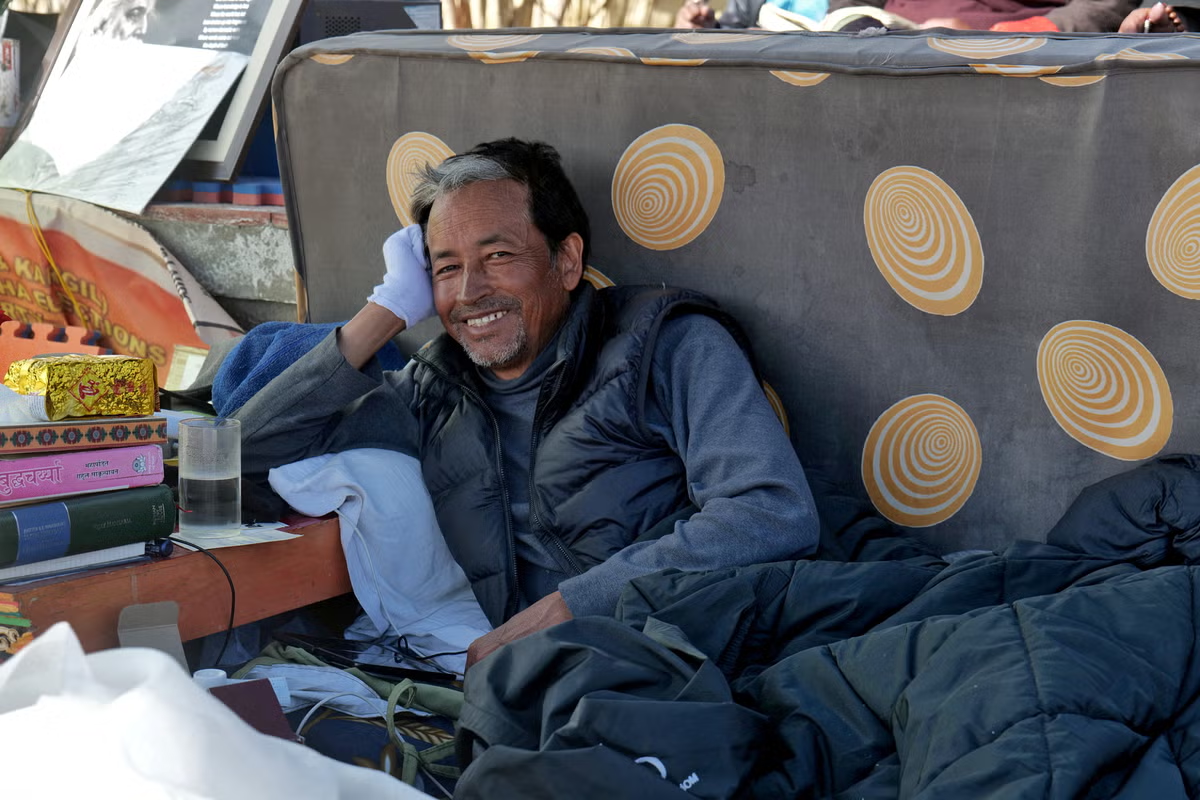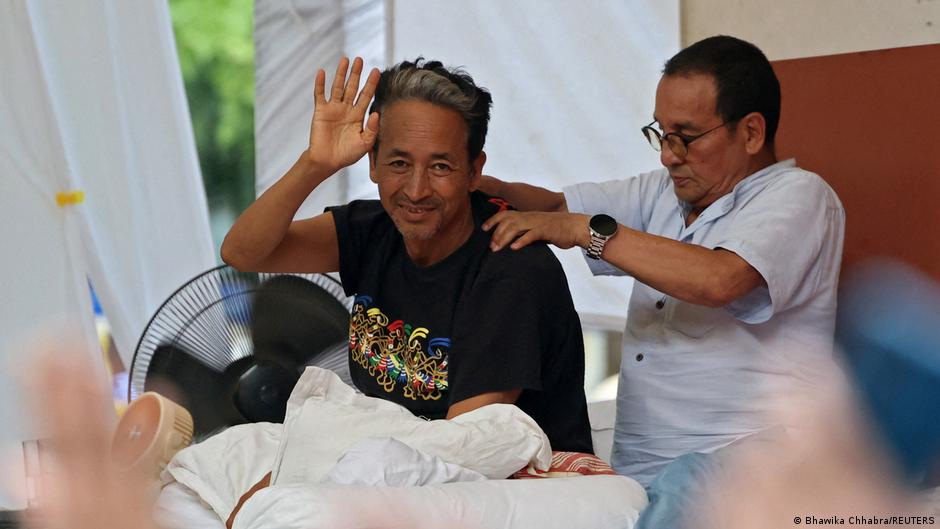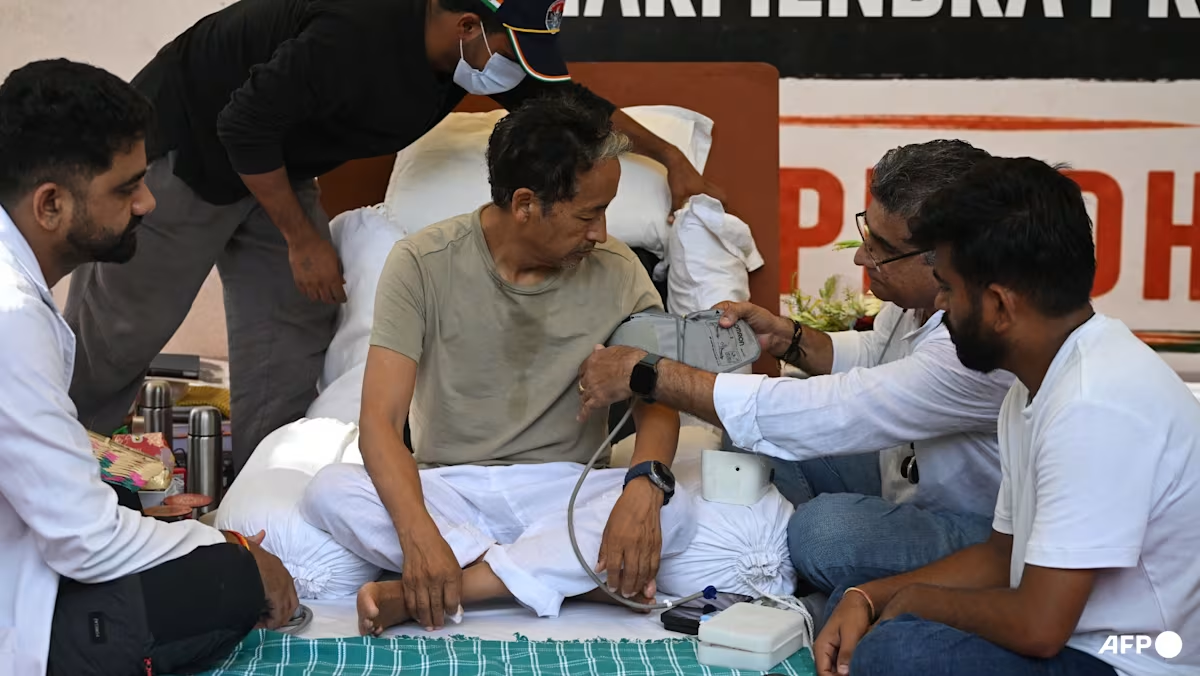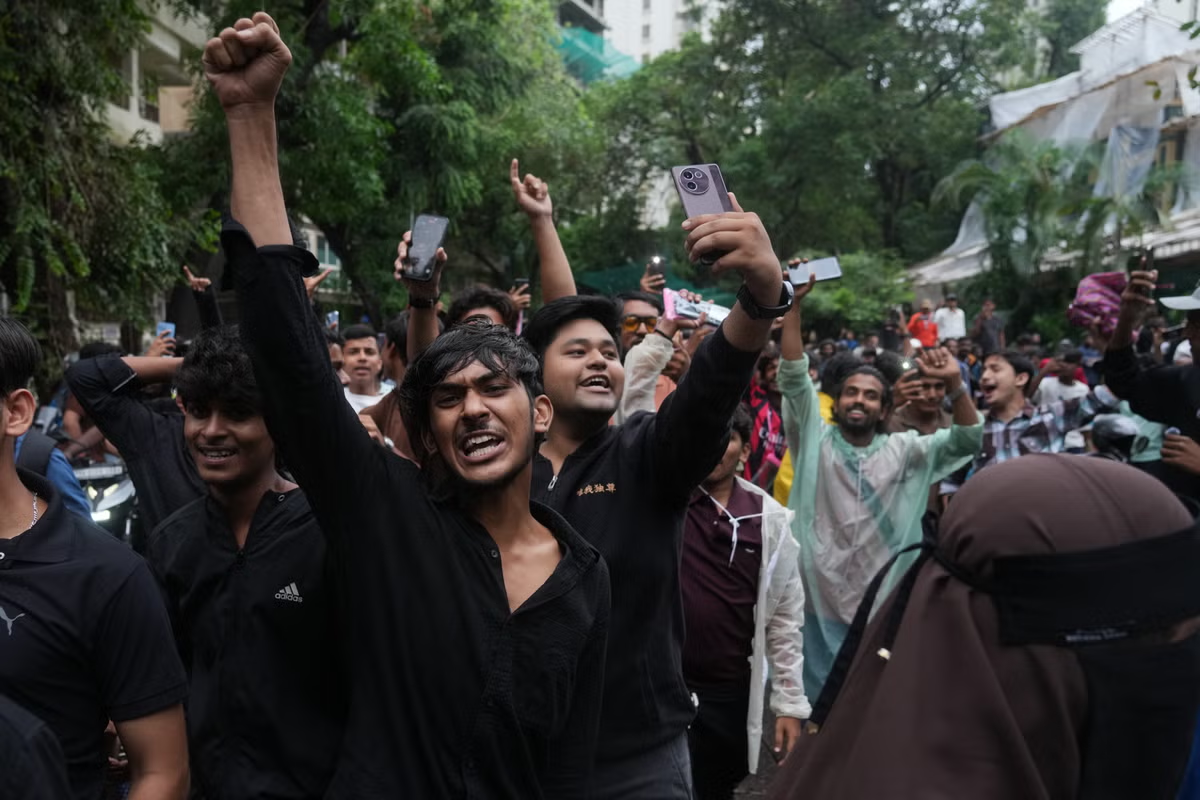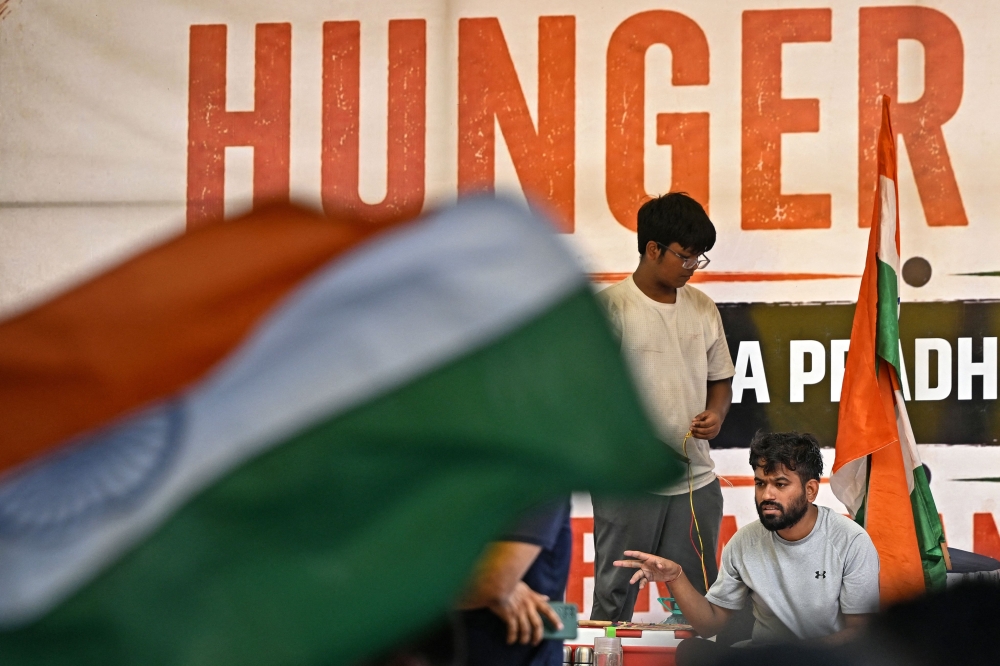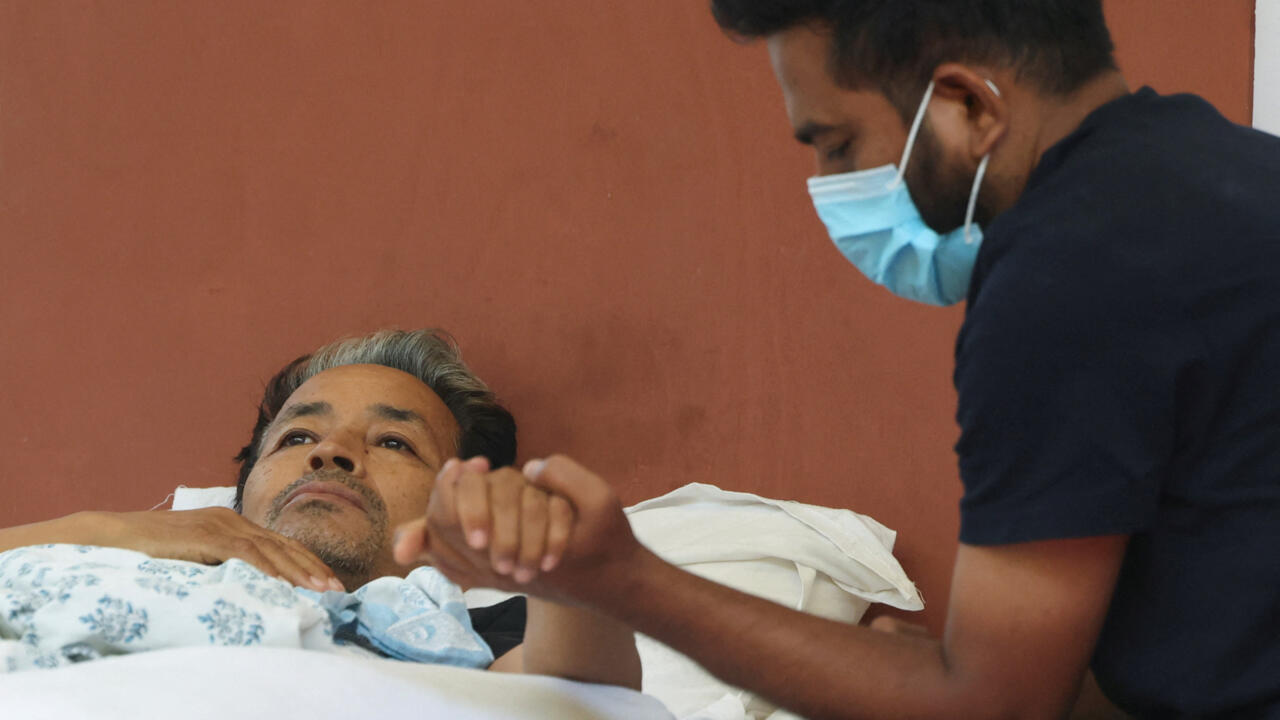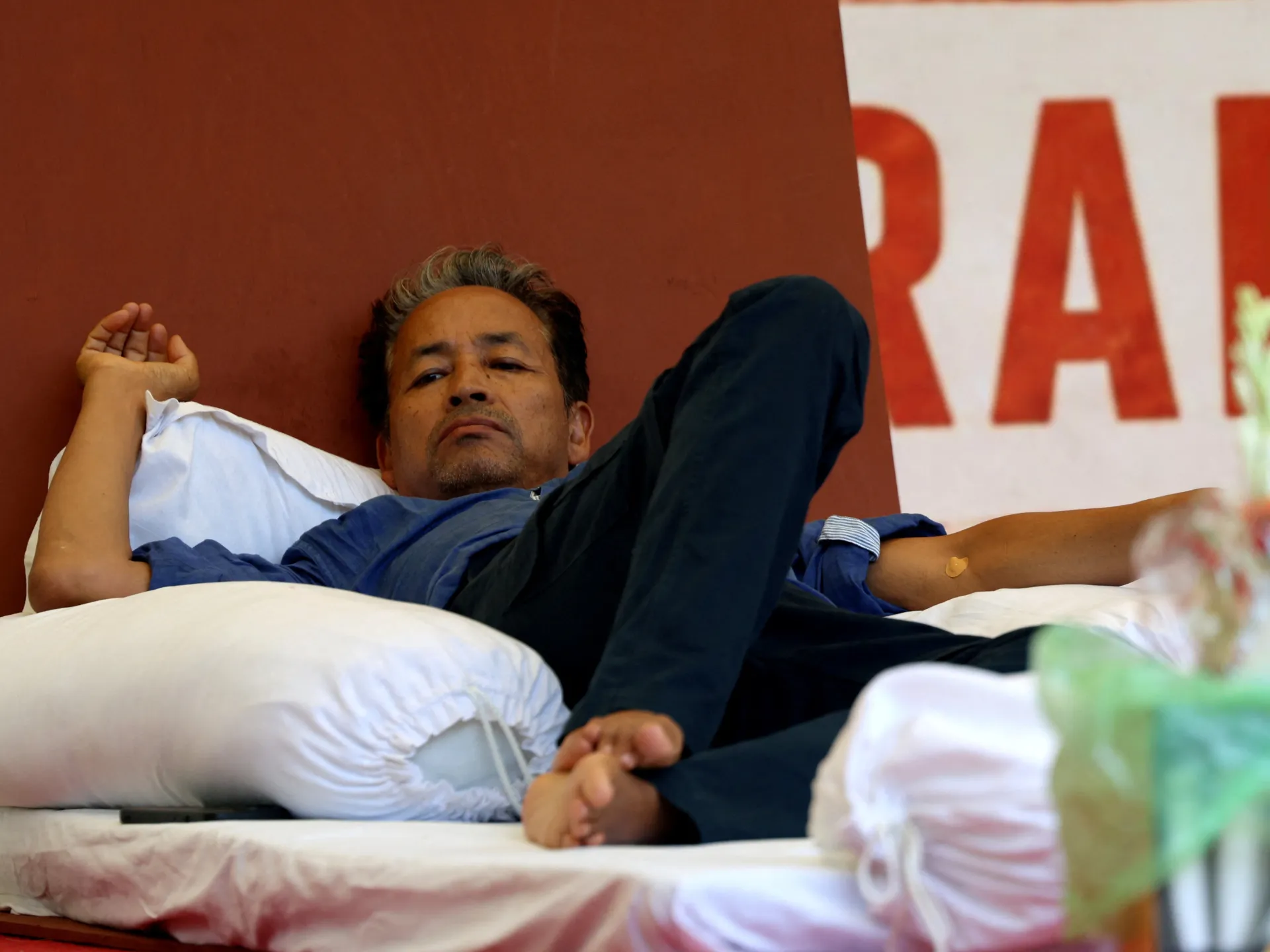
Indian activist Sonam Wangchuk’s 26-day fast, which he ended on Thursday night, has not yet achieved the protestors’ goal: the sacking of Education Minister Dharmendra Pradhan. But it has created impact; it has put the Narendra Modi government on the back foot for the first time since the farmers’ protests in 2021.
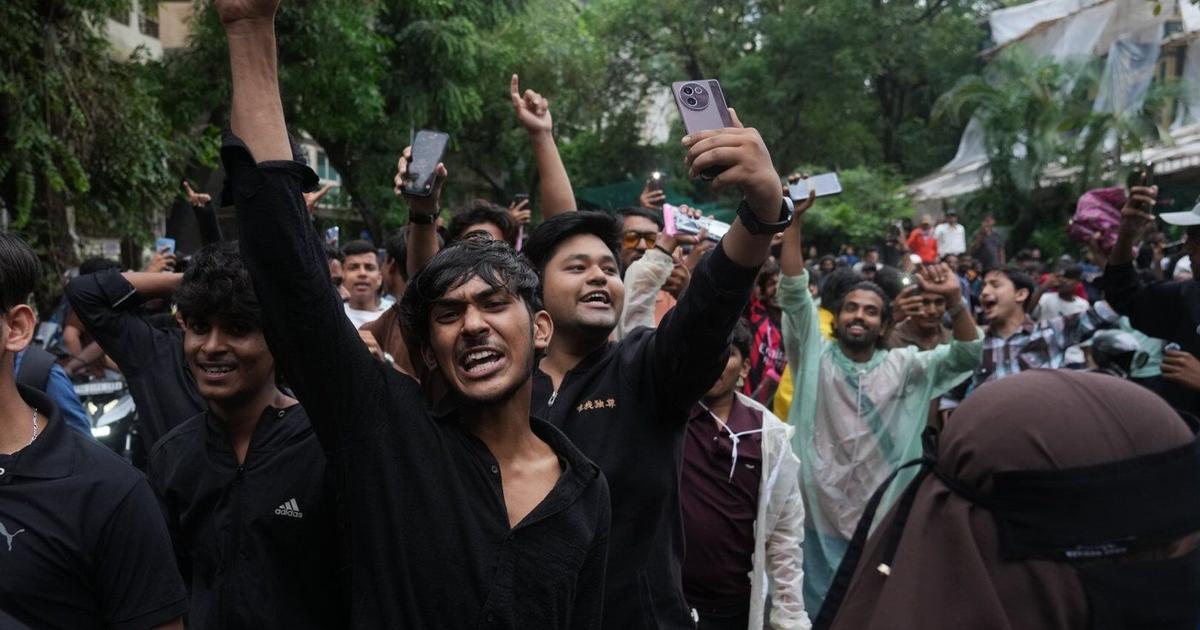
Wangchuk’s decision to end the hunger strike came after the government moved to address the NEET paper leak controversy and youth protests with a series of assurances. Thousands of students and youth protesters are still occupying the Jantar Mantar area in New Delhi.
Following Wangchuk’s decision to end the fast, Abhijit Dipke – the founder of India’s satirical political movement, the Cockroach Janta Party – expressed relief, saying that Wangchuk’s life is precious. He vowed that the movement will continue until Pradhan resigns or is sacked. “We won’t let Wangchuk’s immense sacrifice go in vain,” Dipke said.
The hunger strike as a mode of protest and resistance in the modern era is believed to have originated in Tsarist Russia in the late 19th century when prisoners refused food, seeking an end to inhumane treatment. Later, in the U.K. and the U.S., women’s suffrage activists in prison used hunger strikes to seek “political prisoner” status. In both countries, the prison authorities’ attempts to force-feed the hunger strikers triggered adverse sentiments and ultimately helped mobilization of public opinion in favor of the protesters.