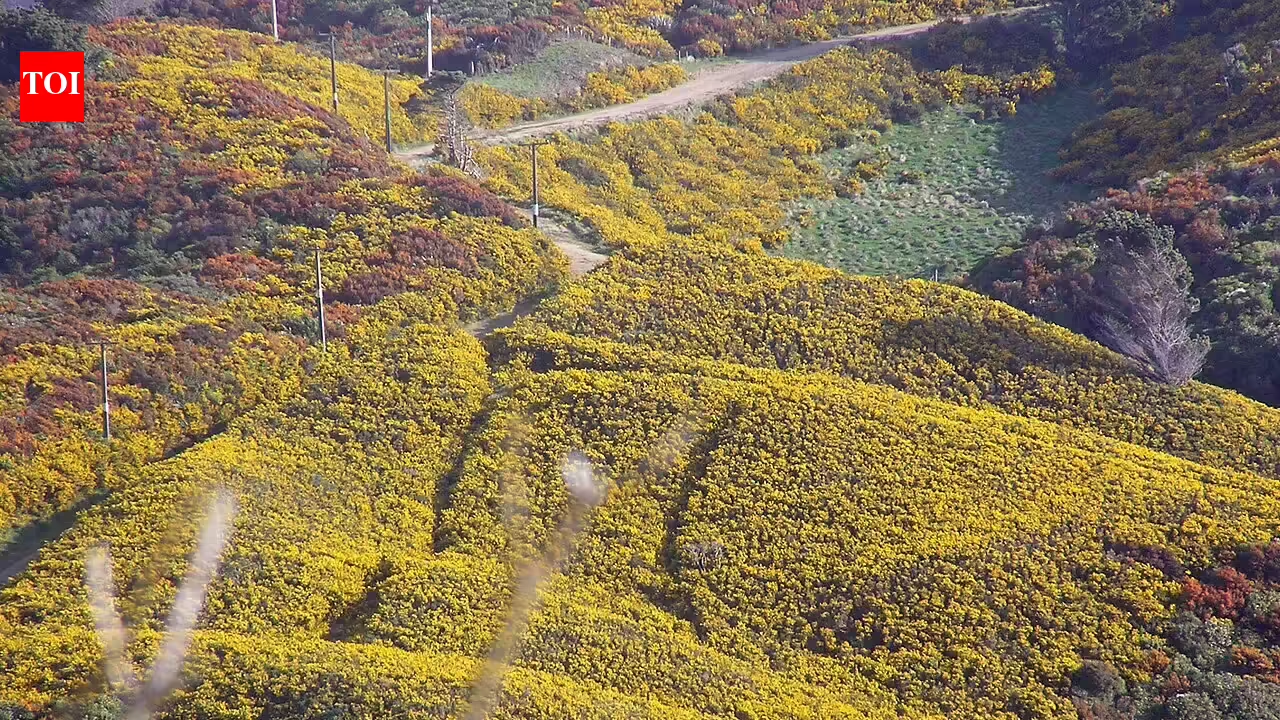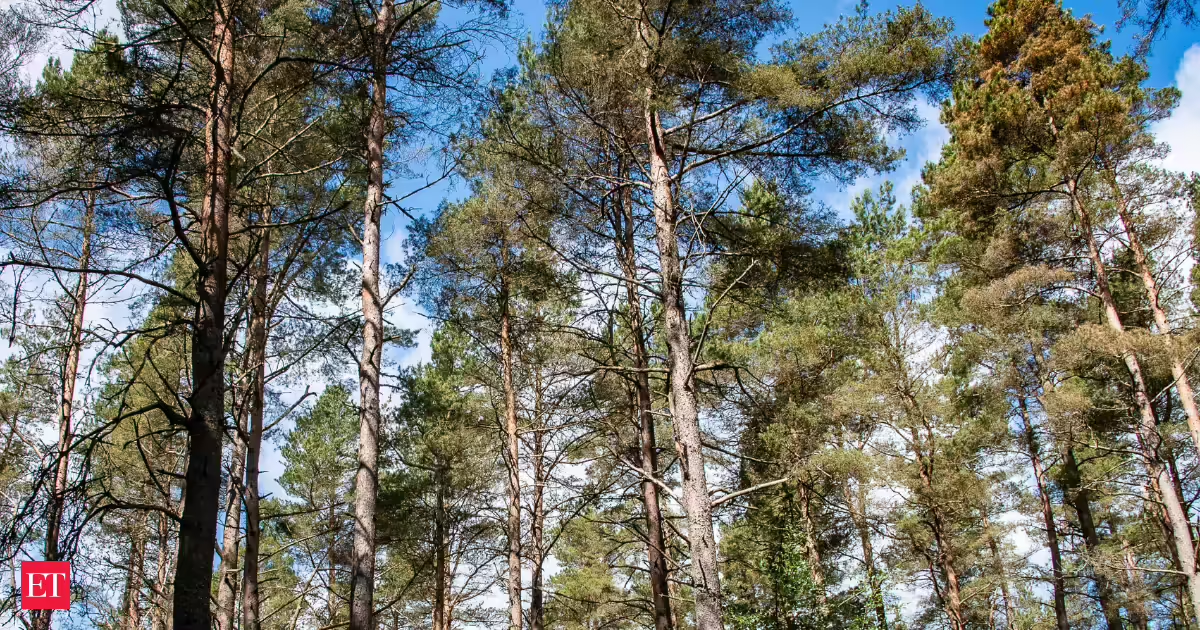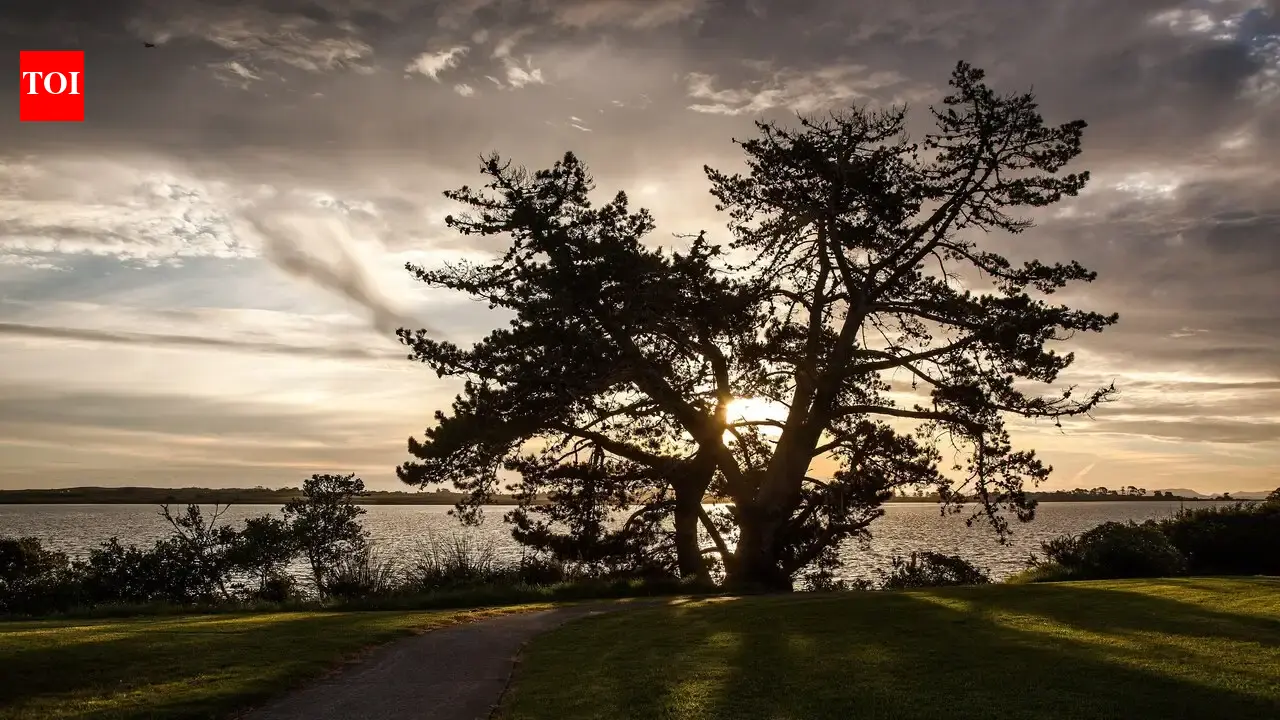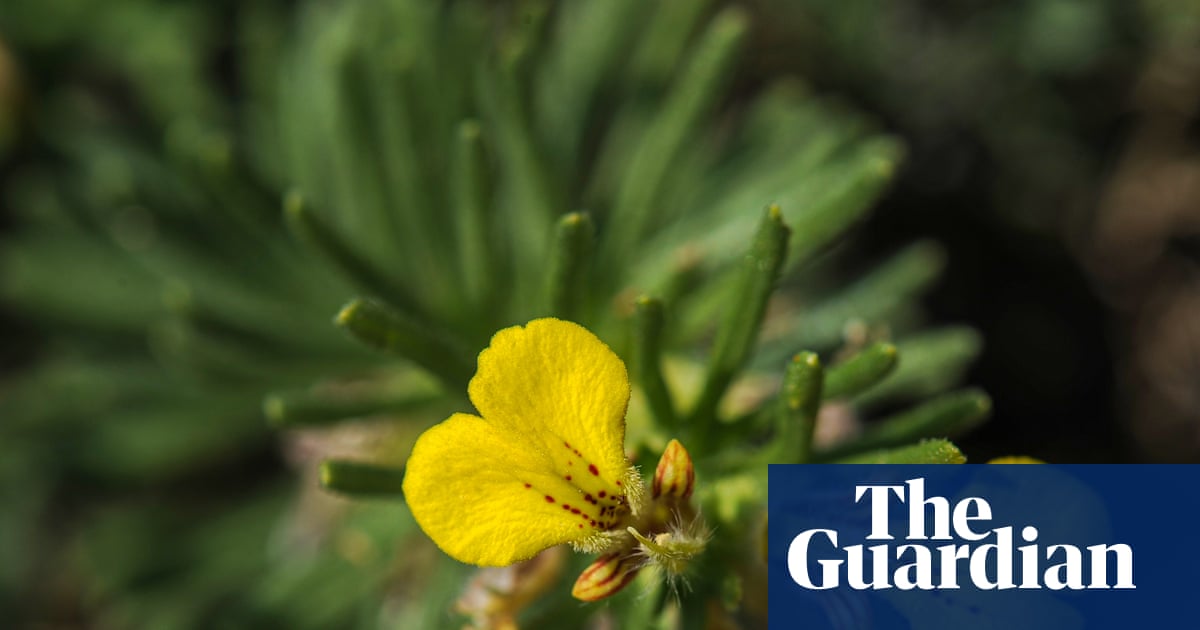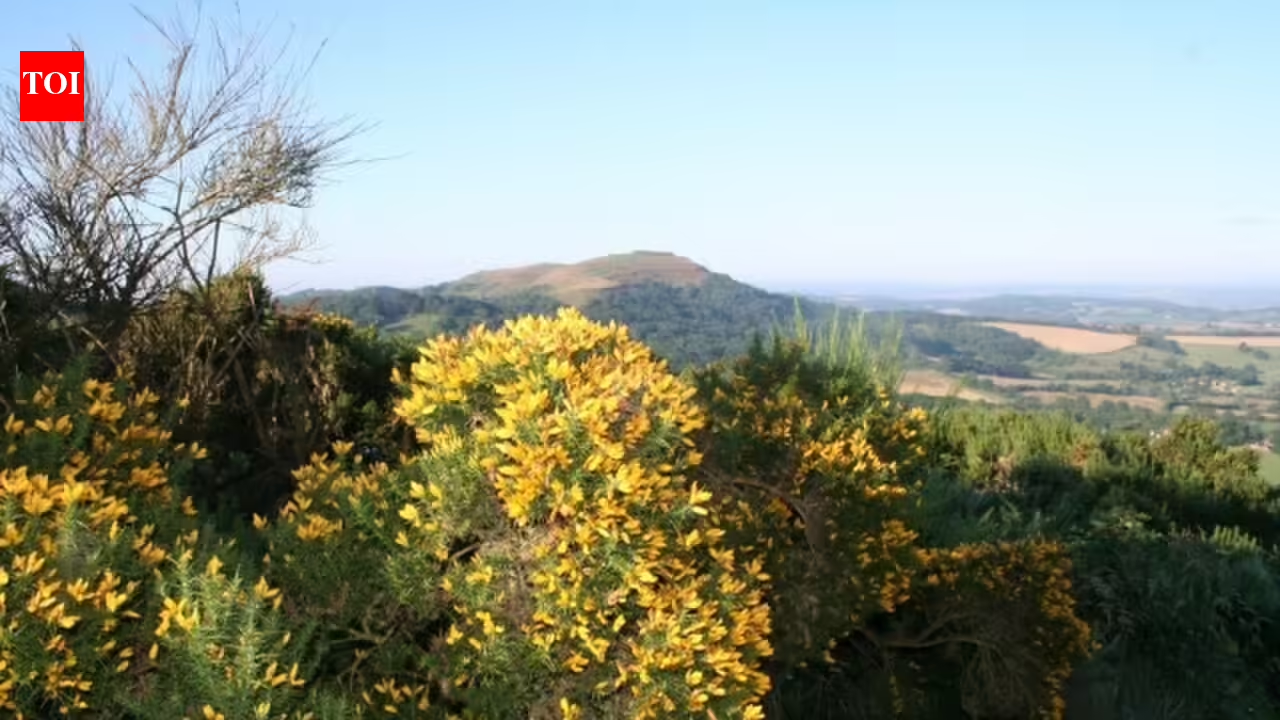
Gorse (Ulex europaeus) A delight to see on the Malvern Hills. This was taken on the western side of Pinnacle Hill - with a good view of Herefordshire Beacon in the distance. Image Credits: Wikimedia Commons.For decades, gorse has been one of New Zealand's invasive plants. Introduced from Europe in the 19th century, the thorny shrub spread rapidly across farmland and became one of the country's most persistent invasive weeds. Farmers spent years clearing it because it invaded grazing land and was difficult to eradicate. So when botanist Hugh Wilson proposed leaving thousands of hectares of gorse untouched, many people dismissed the idea. Instead of destroying the weed, Wilson believed it could help restore native forests.His experiment started in the late 1980s on Banks Peninsula near Christchurch, which had been cleared of its forests to make way for farmland. Wilson argued that the invasive weed could act as a “nursery” for the country’s native trees. Instead of trying to plant thousands of trees, he decided to leave the land alone. All he had to do was stop grazing animals, burning, and spraying. However, many people thought his plan was too simple. According to Radio New Zealand (RNZ), Wilson said that they made a mistake by thinking that the best place to grow trees was in a “warped forest,” instead of using the natural process of succession to revive the region.Letting nature do the workGorse (Ulex europaeus) is usually regarded as a serious invasive species because it spreads aggressively and competes with pasture. However, ecologists have long recognised that under certain conditions it can also serve as a "nurse crop." Its dense canopy shades the ground, reduces wind exposure, retains moisture and protects young native seedlings from grazing animals. As native trees gradually grow taller, they begin to block sunlight from reaching the gorse below. Over time, the native forest replaces the shrub naturally.This process is an example of ecological succession, where one plant community is gradually replaced by another. According to the New Zealand Journal of Ecology, gorse can promote the regeneration of native woody plants by facilitating conditions for their establishment. The native canopy gradually shades out the gorse, which cannot tolerate shade. Thus, the weed is only a temporary feature in the ecosystem, creating conditions for other species before being replaced.Wilson’s approach is illustrated by the development of Hinewai Reserve, now a private conservation reserve managed by the Maurice White Native Forest Trust. Rather than removing the weed, Wilson allowed the natural regeneration of the forest to occur. Eventually, māhoe, kānuka, five-finger and other native trees grew through the gorse canopy. After several decades, the gorse had largely been replaced by the native forest.From scepticism to successWhen the project began, many residents questioned the decision to leave the invasive weed untouched. At the time, conventional restoration projects usually involved removing invasive plants before replanting native trees, often at considerable expense. Wilson argued that nature was already performing much of that work on its own.Today, Hinewai Reserve covers more than 1,500 hectares of regenerating native forest, wetlands and shrubland. According to Radio New Zealand, much of this landscape has recovered with little or no tree planting, relying instead on natural regeneration beneath the protective cover of gorse. Birds, insects and other native wildlife have returned as the forest has matured, demonstrating how ecological restoration can rebuild habitats over time.Today, if you walk down the Hinewai Reserve, you won't see the dense thickets of gorse that occupied the landscape before. Instead, you see the native woodland that covered it, long before the arrival of Europeans. Image Credit: Wikimedia Commons.Rethinking forest restorationThe success of Hinewai Reserve has influenced discussions about how degraded landscapes can be restored more efficiently. Traditional reforestation often depends on extensive planting, weed control and ongoing maintenance. Natural regeneration offers another pathway where suitable native seed sources still exist. By protecting land from grazing and allowing ecological succession to proceed, restoration can sometimes occur with far less intervention.Research published in Science Advances has shown that natural forest regeneration can be an effective and cost-efficient approach for restoring biodiversity and ecosystem functions in many degraded landscapes, particularly where native vegetation remains nearby. Hinewai Reserve has become one of the best-known examples of this principle in practice. Wilson’s observations helped make the recovery possible, and his actions allowed the forest to regenerate after decades of gorse invasion. Left alone, the ecosystem would likely have continued to change through natural succession. Today, the reserve no longer has the dense thickets of gorse that once covered the landscape.
A botanist in New Zealand let invasive gorse grow, and under its cover, much of Hinewai Reserve regenerated into native forest with little or no planting
For decades, gorse has been one of New Zealand's invasive plants. Introduced from Europe in the 19th century, the thorny shrub spread rapidly across farmland and became one of the country's most persistent invasive weeds.
756 words~3 min read