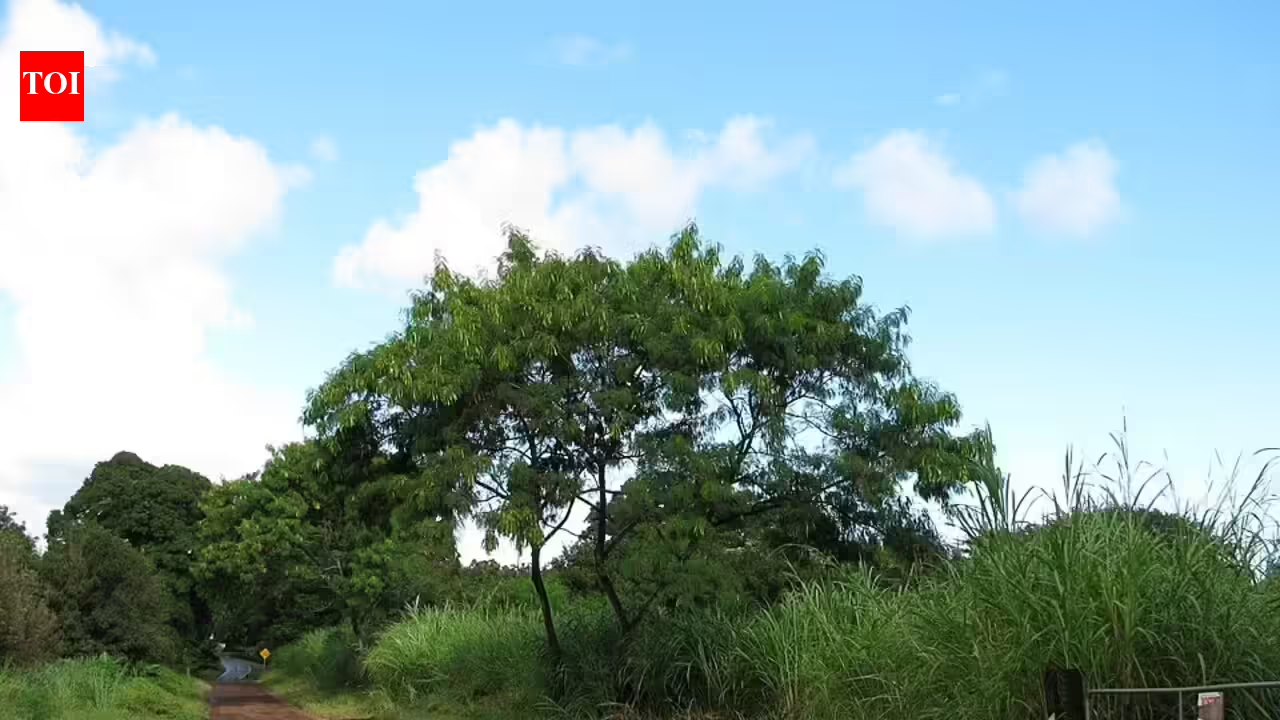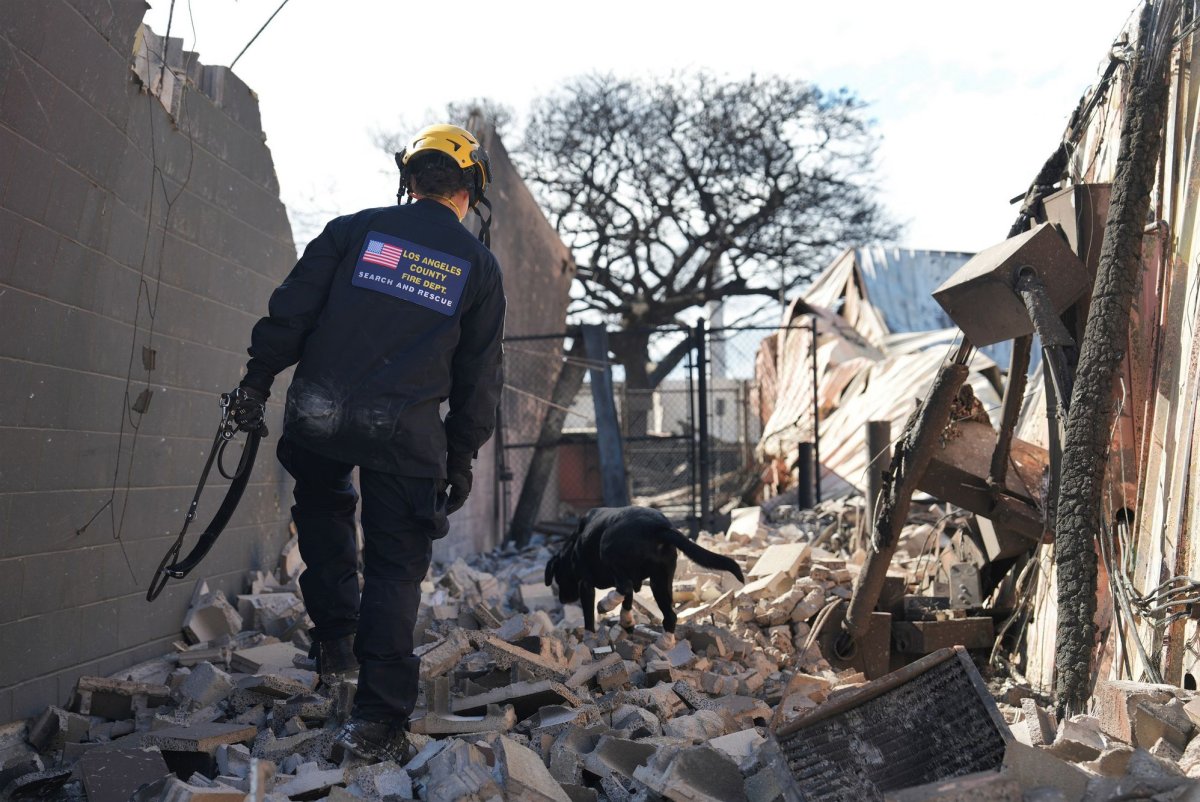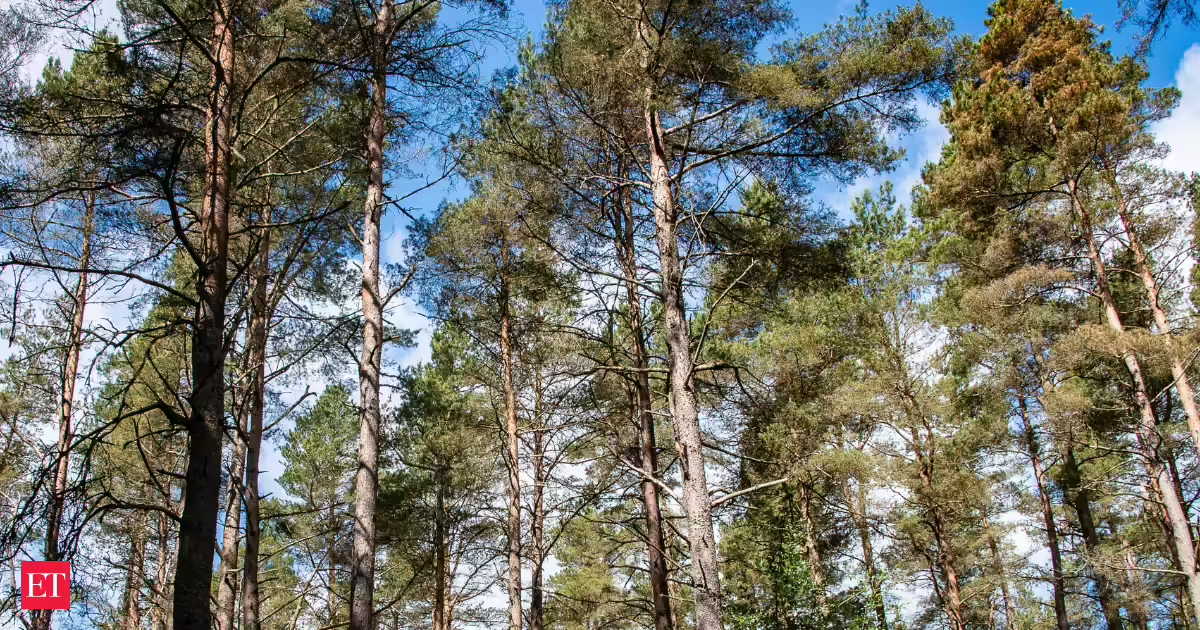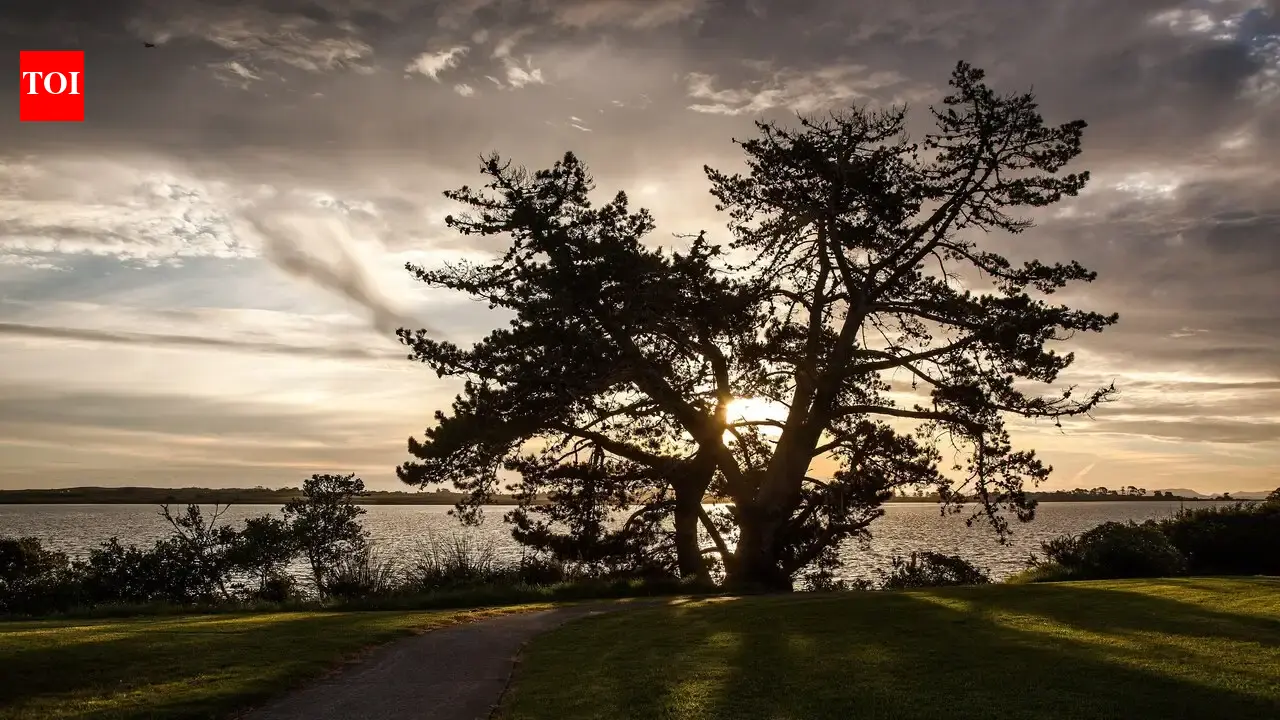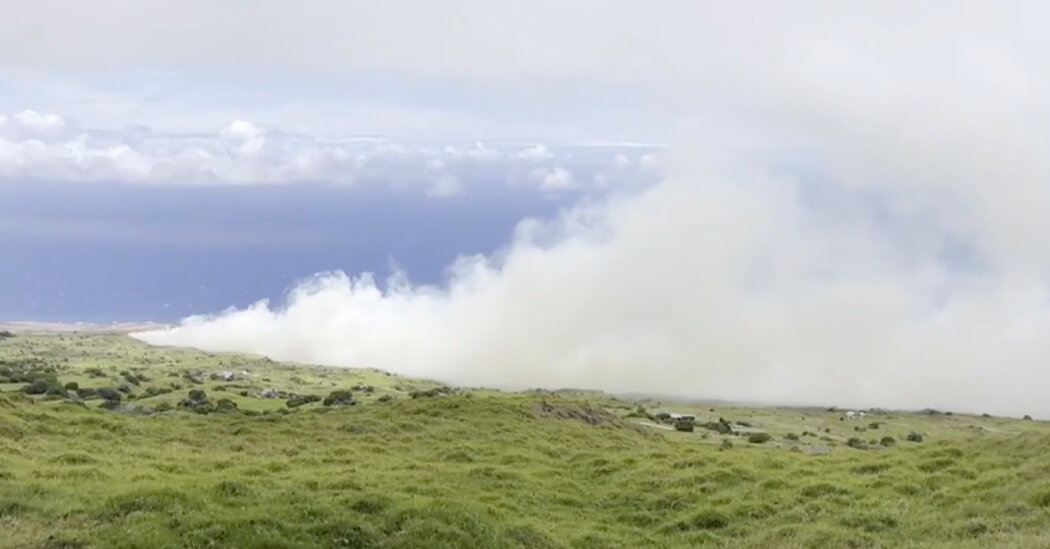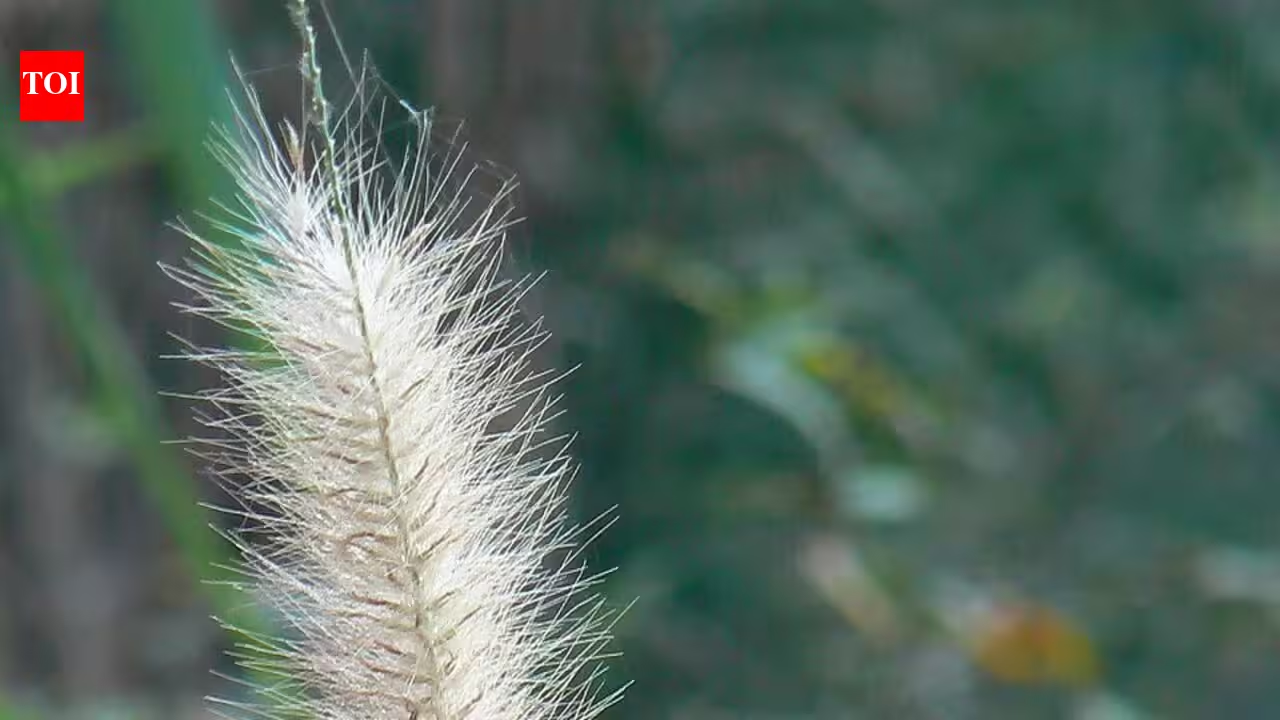
Invasive grasses now dominate Hawaii's landscape, fundamentally altering local fire patterns. These non-native species ignite easily and spread fires rapidly across the islands. Image Credits: Wikimedia CommonsBehind the typical Hawaii postcard image is a major environmental shift that has changed the islands in ways earlier generations did not expect. Over the past century, land-use changes, shifting weather patterns, and the introduction of exotic plants have brought new vegetation to the islands. According to a report from the North American Invasive Species Management Association, roughly a quarter of the total land area across the islands is now dominated by highly flammable non-native grasses and woody shrubs that fundamentally alter local fire regimes.The change happened gradually. In 1914, fountain grass was introduced to the islands as an ornamental plant species because of its ability to grow well in managed gardens. In the years that followed, it spread into natural areas and thrived in the islands' volcanic soils and tropical climate. Currently, one invasive species covers around 200,000 acres on the Hawaiian Islands. According to the Hawaii Invasive Species Council, since the traditional industries of agriculture, which included the planting of sugarcane and pineapple, declined towards the late twentieth century, much of the fertile land had been left to lie fallow without any management activities. Without active management or crop production, old plantations can become ideal sites for drought-tolerant grasses, which grow quickly when water is available and dry out during drought.How invasive plants change the nature of fireUnlike native forests, grasslands can ignite easily from even a small spark. Exotic grass species have fine, fragile tissues that dry out quickly in tropical conditions and can catch fire easily. These species can also accumulate dead plant material that decays slowly, creating a steady supply of dry fuel. As emphasised in the report issued by the North American Invasive Species Management Association, this type of fine fuel serves as a channel for fire movement at a very high speed.This can create a warmer, drier microclimate than nearby woodlands. Because dry conditions can persist year-round in warm tropical areas, the idea of a limited fire season has become less useful. Low-lying, dry leeward areas remain vulnerable throughout the year. The risk of ignition rises when dry vegetation combines with steep slopes and arid soil.Shifting weather and land use have created ideal conditions for these flammable plants. Addressing this requires land stewardship and public education for future protection. Image Credits: Wikimedia CommonsProtecting the landscape for tomorrowWhen strong winds coincide with prolonged dry weather, thick layers of invasive grass can fuel fires that threaten nearby communities and natural habitats. Conservation groups, researchers and local governments say monitoring vulnerable areas, restoring native vegetation and reducing dry fuels can help break the cycle.Preventing wildfires will also require changes in landscaping and land-use planning. Replacing flammable plants near a property with native, fire-resistant species can create defensible space around a home. Regional cooperation among state authorities, private landowners and conservation volunteers is also needed to monitor and remove new invasive threats early.
In 1914, Hawaii introduced fountain grass as an ornamental plant; the invasive species now covers around 200,000 acres across Hawaiian Islands and can help wildfires spread across dry land
Behind the typical Hawaii postcard image is a major environmental shift that has changed the islands in ways earlier generations did not expect. Over the past century, land-use changes, shifting weather patterns, and the introduction of exotic plants have brought new vegetation to the islands.
502 words~2 min read