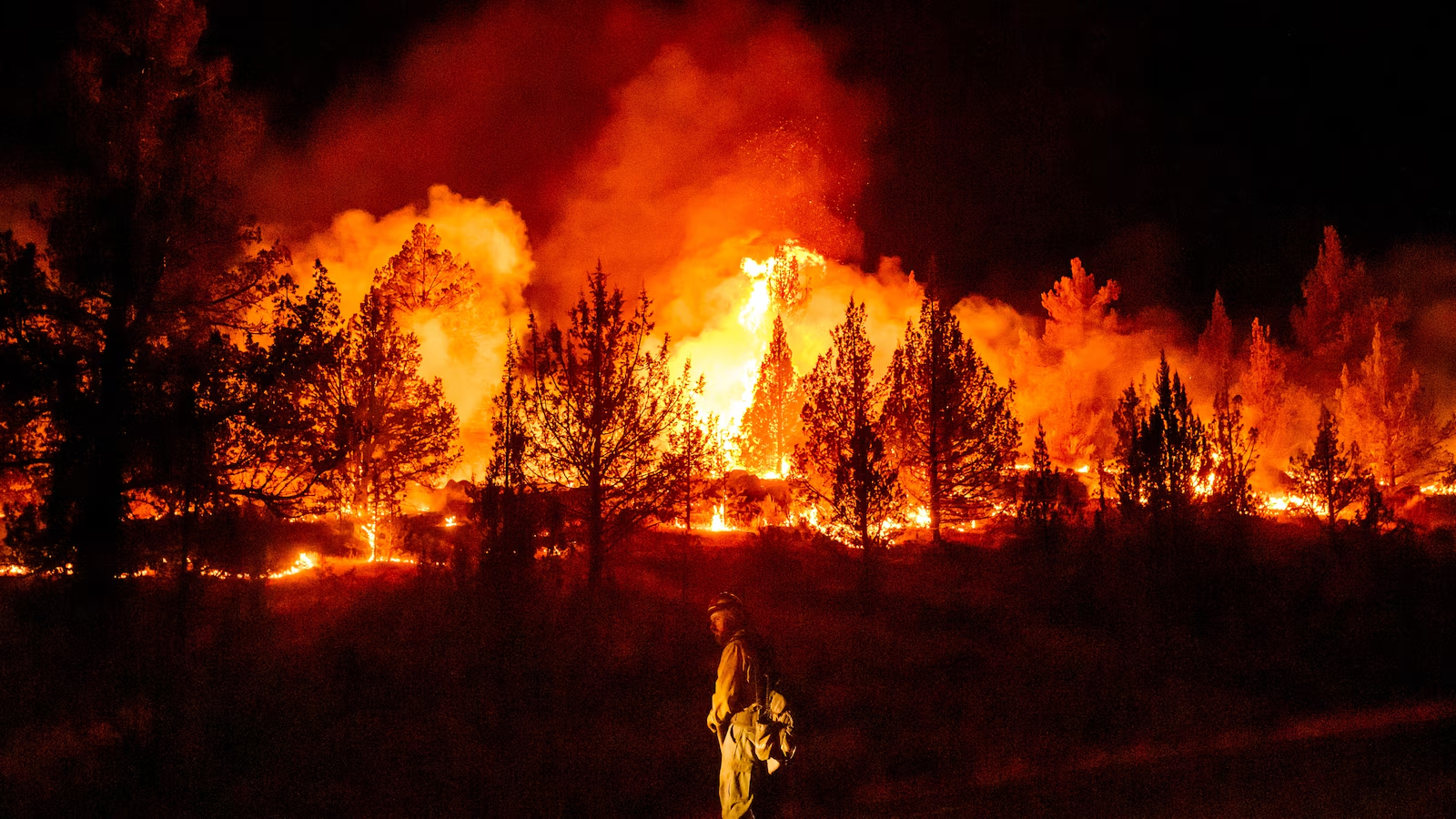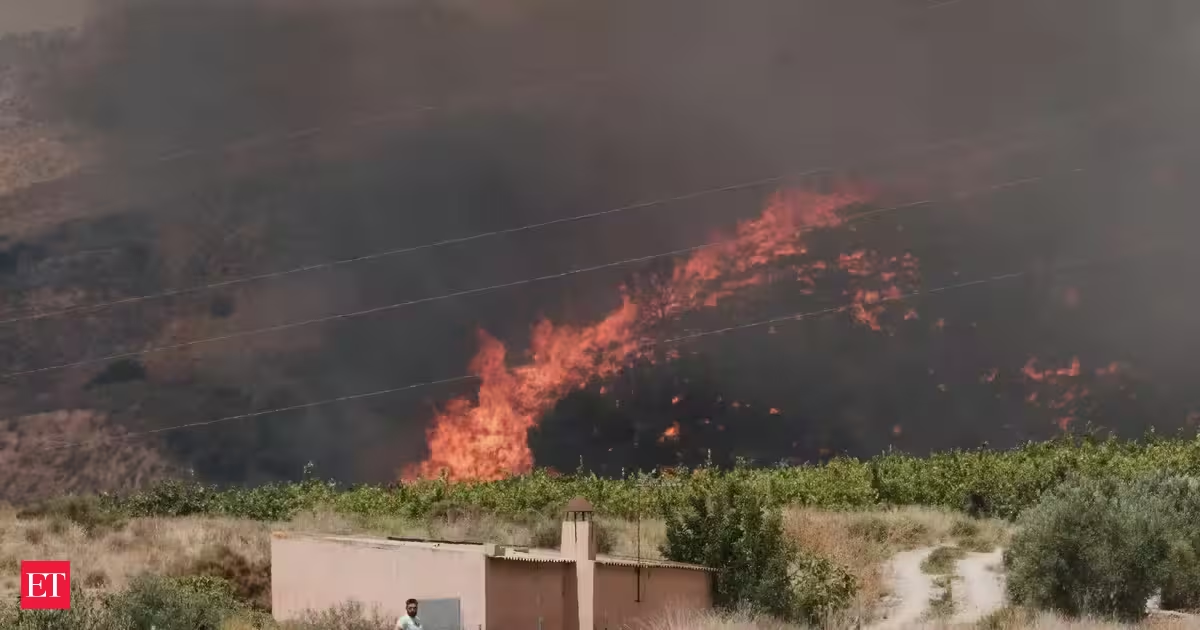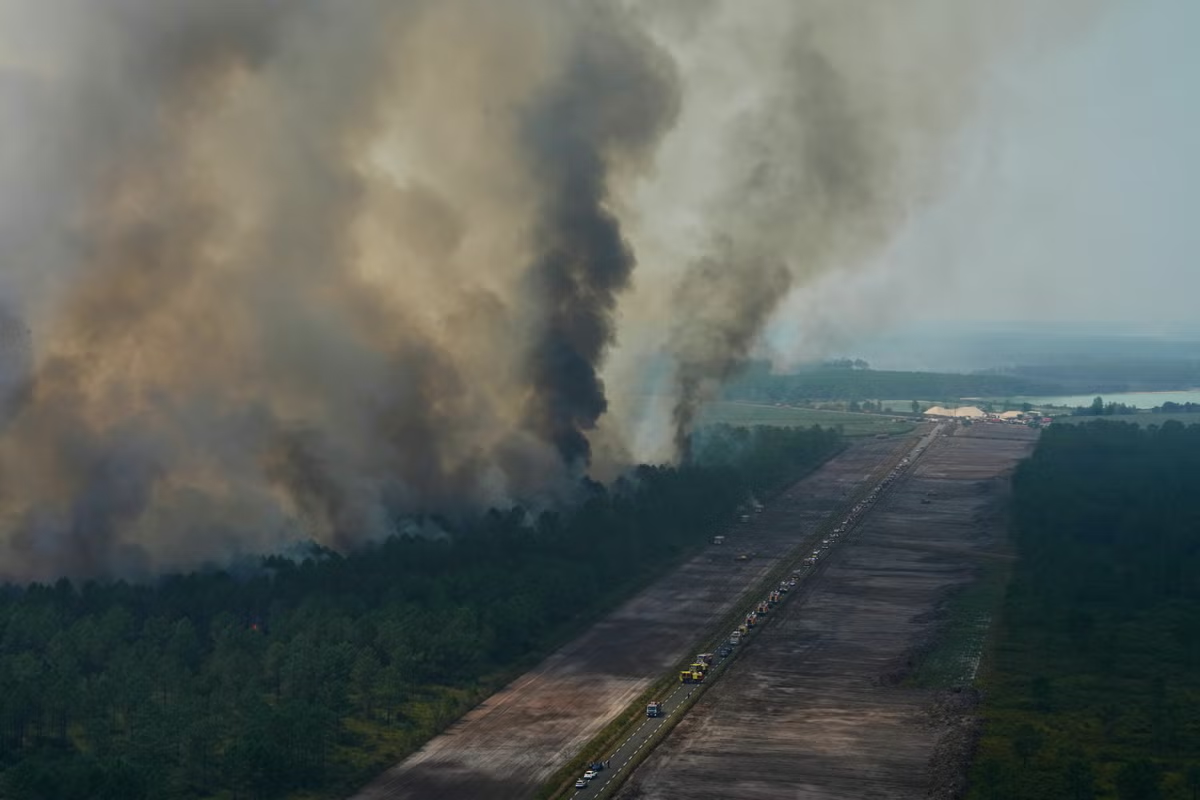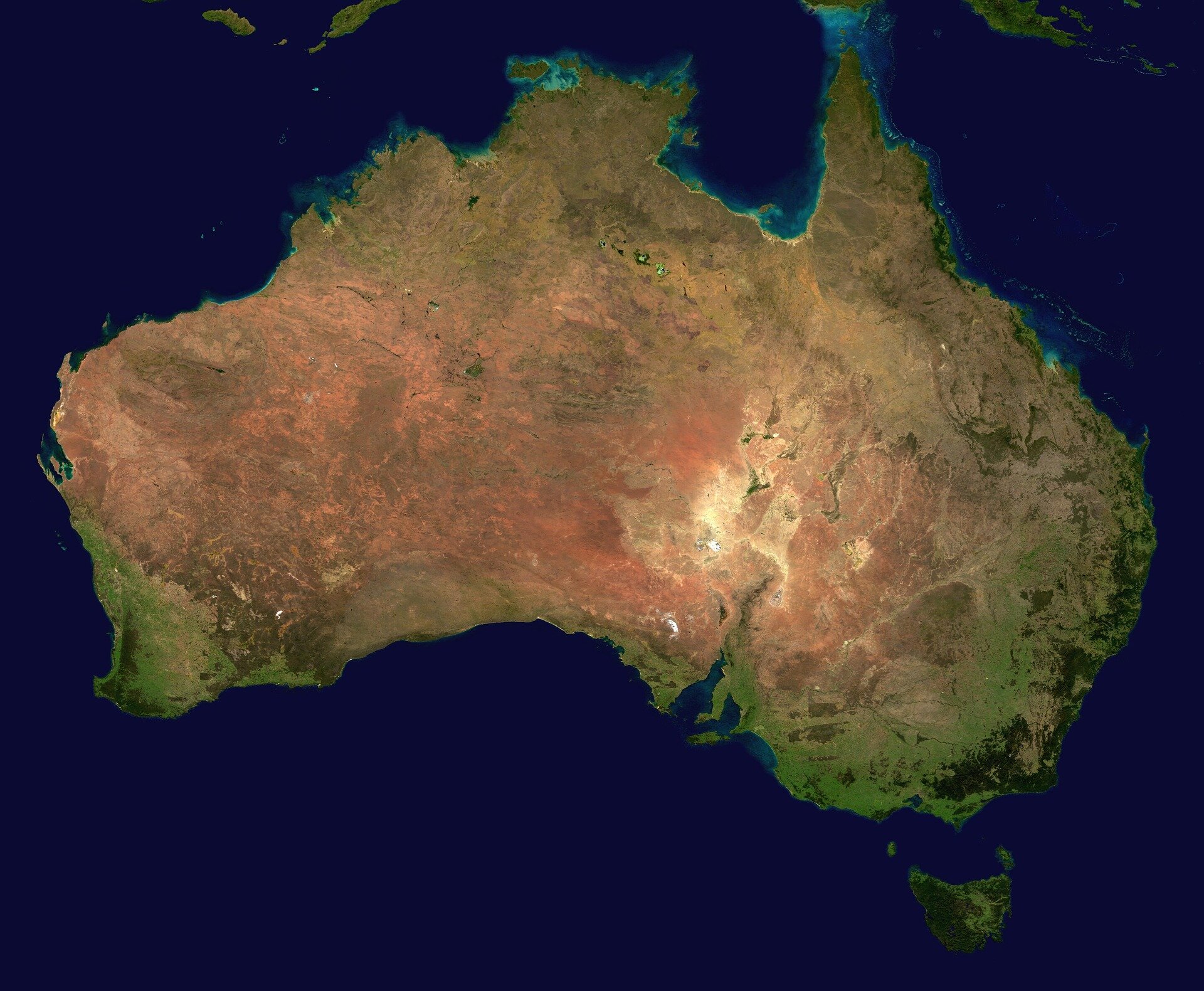
Two of the world's most fire-prone regions have followed strikingly different wildfire trajectories despite both experiencing a warming climate. Burned forest area has surged across the U.S. Southwest, while eastern Australia has not seen the same increase.
A recent study published in Environmental Research Letters indicates that a decades-long shift in the tropical Pacific Ocean contributed to these contrasting trends.
"We found that what's happening in the tropical Pacific over longer timescales, not just during El Niño and La Niña, is another significant piece of the puzzle," said lead author Tess Wei-Ping Jacobson, a postdoctoral fellow at NASA Goddard Institute of Space Studies who recently earned a Ph.D. at the Lamont-Doherty Earth Observatory, which is part of the Columbia Climate School.
El Niño and La Niña are among the best-known examples of Pacific climate variability, influencing weather and wildfire risk around the Pacific over periods ranging from months to a few years.
The researchers examined an observed multidecadal trend in the tropical Pacific Ocean that has persisted since the 1980s, in which the western tropical Pacific has warmed faster than the eastern Pacific. They then studied how this trend influenced atmospheric dryness and, in turn, burned forest area in the U.S. Southwest and eastern Australia.