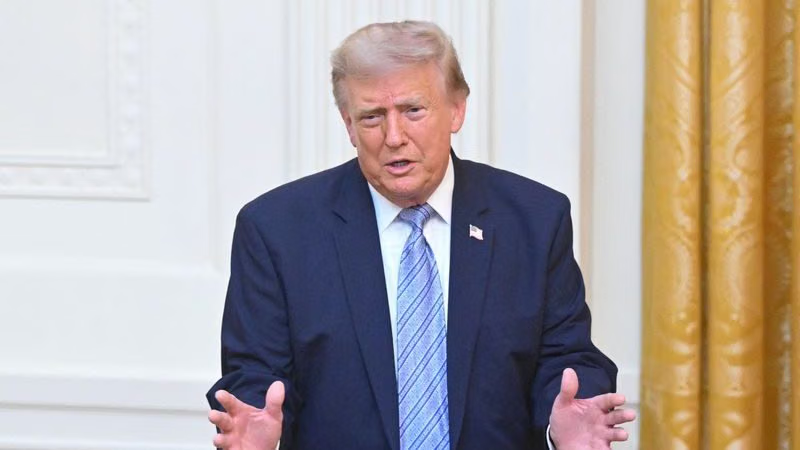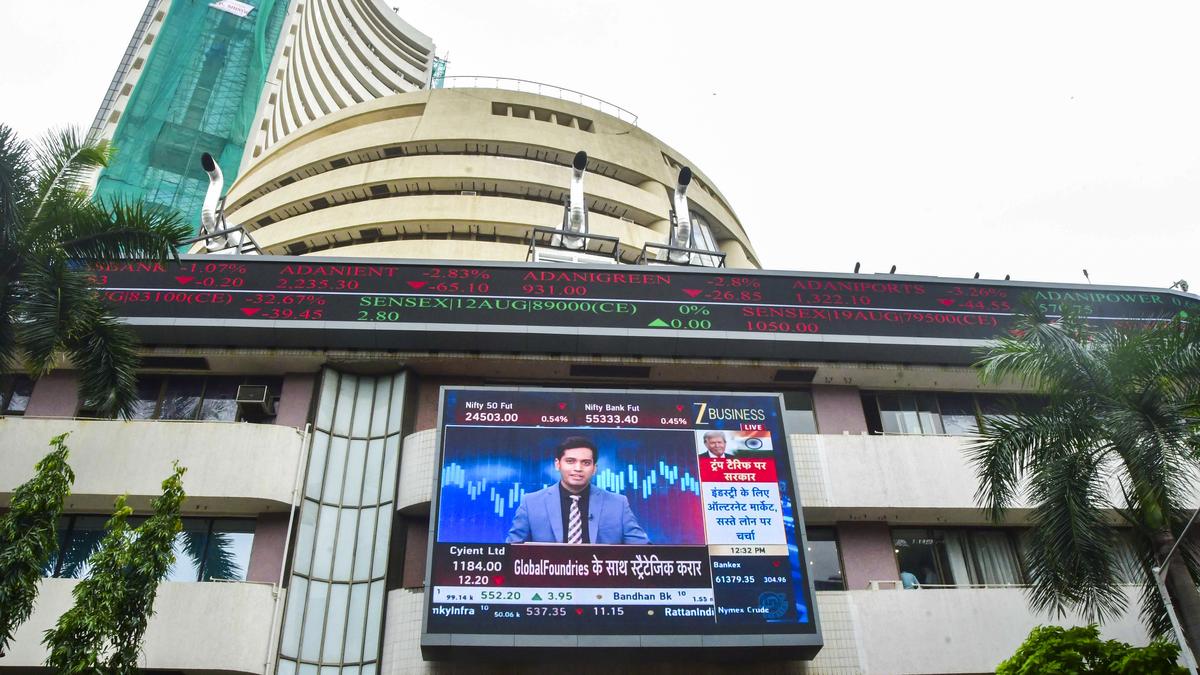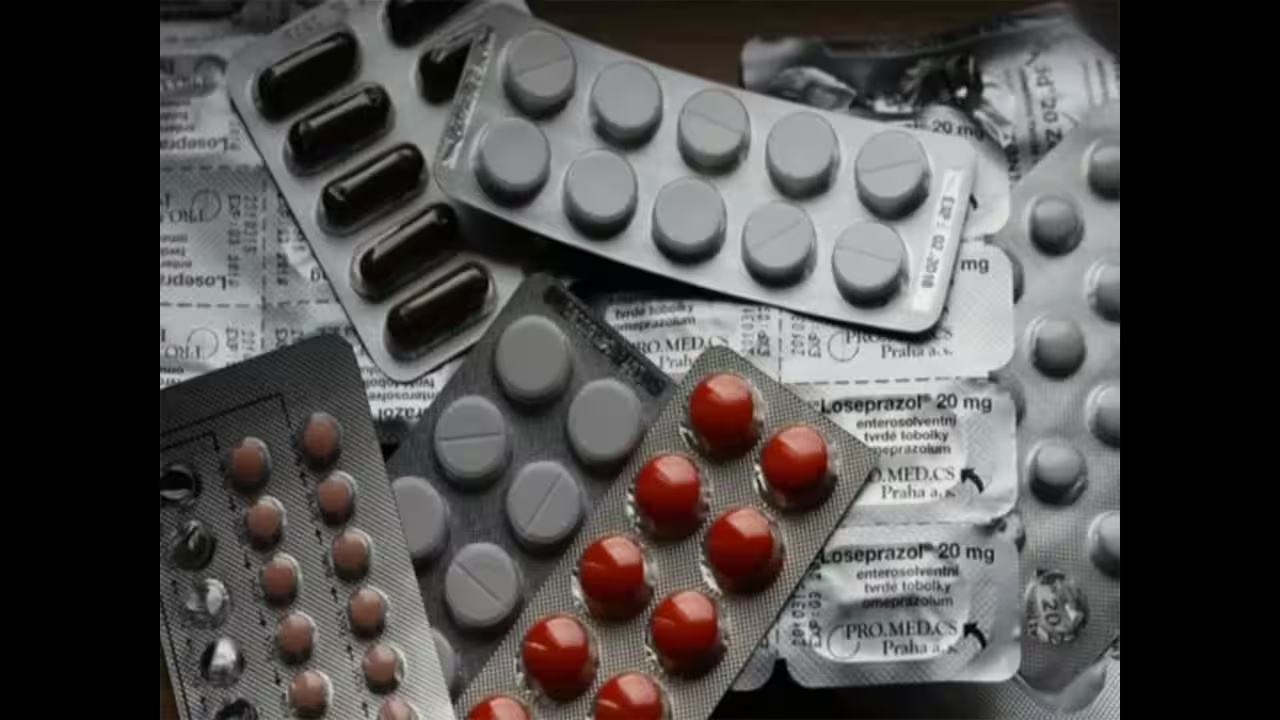
Pharma stocks fell sharply on Wednesday after the US proposed steep tariffs on generic drug imports, with the Nifty Pharma Index dropping 374 points, or 1.43 per cent, to 25,718 by afternoon trade. Only two of the index’s 20 constituents ended in positive territory, while 18 declined.The selloff was triggered by a phased US tariff proposal that would keep generic medicines duty-free until August 1, 2028, before imposing a 100 per cent tariff from August 2028 and a 200 per cent tariff from August 2029. India exports approximately $8–9 billion worth of pharmaceutical products to the US annually, the bulk of which are generics.Lupin was the worst performer, falling 3.83 per cent, followed by PPL Pharma at 3.60 per cent, Auropharma at 2.87 per cent, and Sailife at 2.51 per cent. Sun Pharma, the index heavyweight, declined 1.19 per cent. Only Divi’s Laboratories and Abbott India posted gains, up 0.68 per cent and 0.12 per cent, respectively. Volumes on the index stood at 199.41 lakh shares, with traded value of ₹2,230.73 crore.Analysts were quick to note that the policy’s eventual implementation is far from certain. Param Desai, Research Analyst at PL Capital, pointed out that “Trump’s term ends in January 2029, while the major tariff impact begins from August 2028, so the eventual implementation remains uncertain if there is a change in administration.” He added that the announcement carried “considerable ambiguity around how these tariffs will actually be implemented.”For patients and healthcare systems in the US, the proposal carries its own concerns. Bharat Celly, Equity Research Analyst at Equirus Securities, warned that the tariffs “could raise the cost of low-priced medicines and, in shortage-prone categories, increase the risk of supply disruptions rather than drive reshoring.” He noted that the proposal “runs counter to the intent of the Hatch-Waxman framework, which was designed to reduce drug prices through greater generic competition.”The practical challenge of shifting manufacturing to the US within the proposed two-year window is significant. Celly explained that transferring a drug to a US facility requires “site transfer filings, process validation, stability data, and FDA approval for each ANDA,” adding that “the cost and timeline of re-registering products significantly exceed the proposed transition period.” Several large Indian generic manufacturers do already operate US-based facilities, which could partially offset the impact.Celly’s overall read on the proposal: “We view the proposal primarily as a negotiating tool, given that implementation is deferred until August 2028, beyond the next US election cycle,” with no near-term earnings impact expected, though sentiment and valuation multiples could face pressure.Against this international backdrop, the domestic pharmaceutical market continues to show strength. India’s pharmaceutical market is projected to grow 11.3 per cent in 2026, up from 8.1 per cent in 2025, and is expected to expand from $60.3 billion to $79.7 billion by 2031. The Nifty Pharma Index, despite today’s decline, remains above its 50-day moving average of 24,800 and its 200-day moving average of 23,100, and is still within reach of its 52-week high of 26,135.Mayank Jain, Market Analyst at Share.Market by PhonePe, noted that the India-UK Free Trade Agreement, which eliminates duties on Indian pharma entering the UK, is expected to drive an 8–10 per cent increase in UK-bound exports next year, offering an alternative export channel as companies assess the US situation.The index has returned 15.29 per cent over the past year and 13.63 per cent year-to-date, reflecting the sector’s underlying momentum, even as today’s geopolitical development tests near-term investor confidence.Published on July 22, 2026
US tariff threat drags Nifty Pharma 1.4% lower; Lupin, Auropharma lead decline
US tariff threats lead to a 1.4% drop in Nifty Pharma, with Lupin and Auropharma experiencing significant declines.
579 words~3 min read