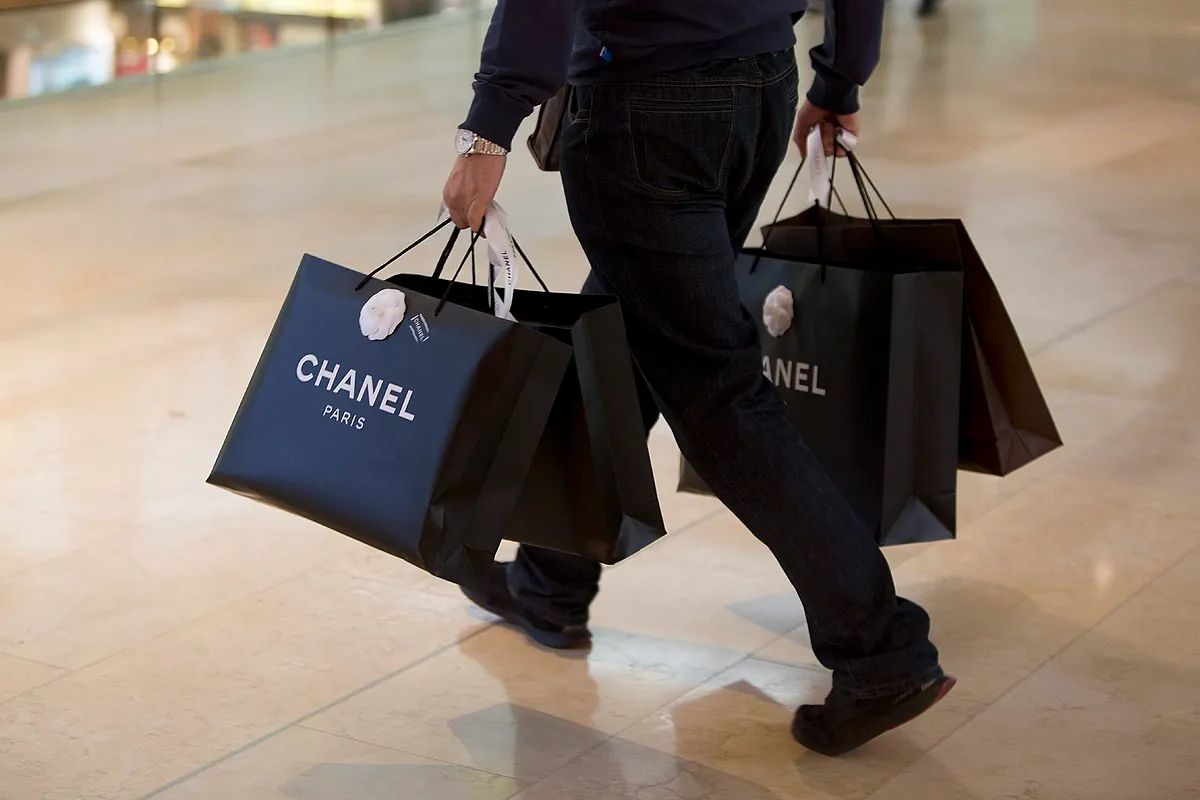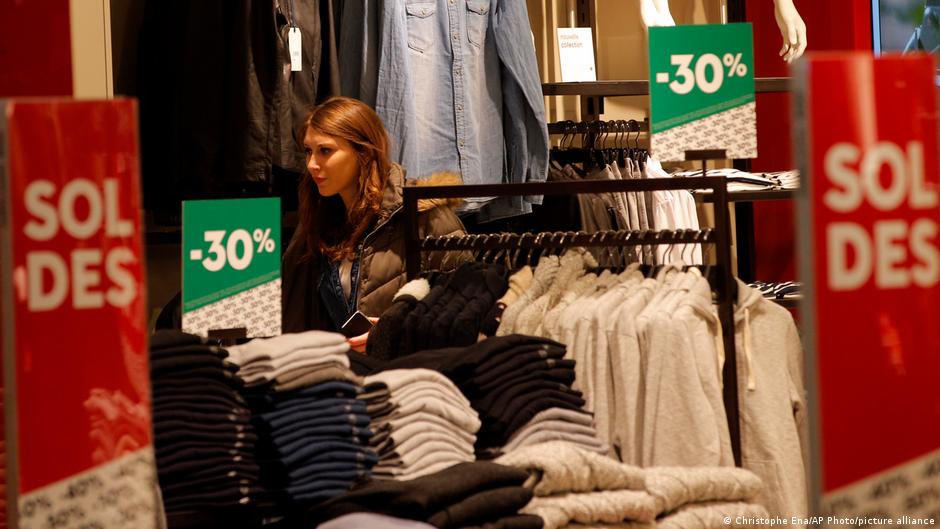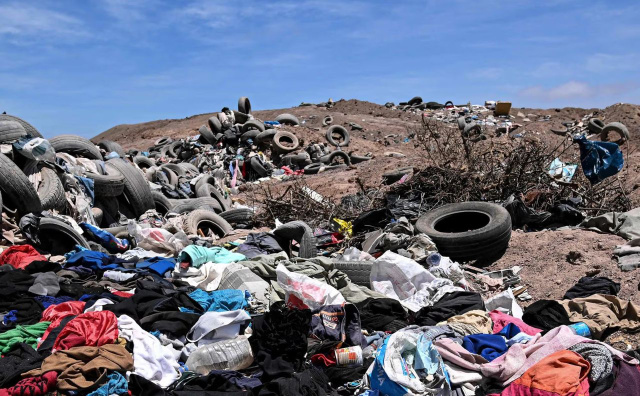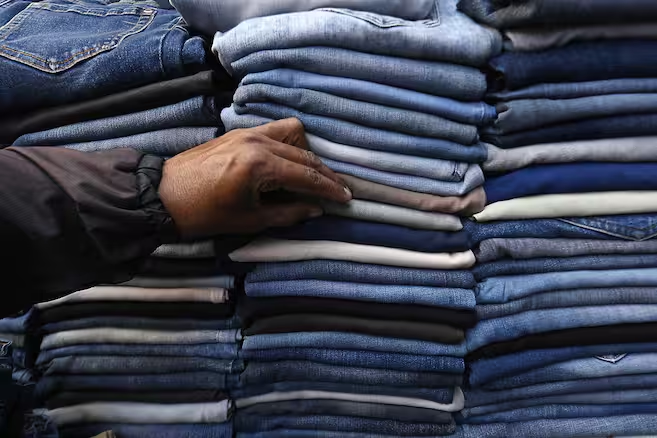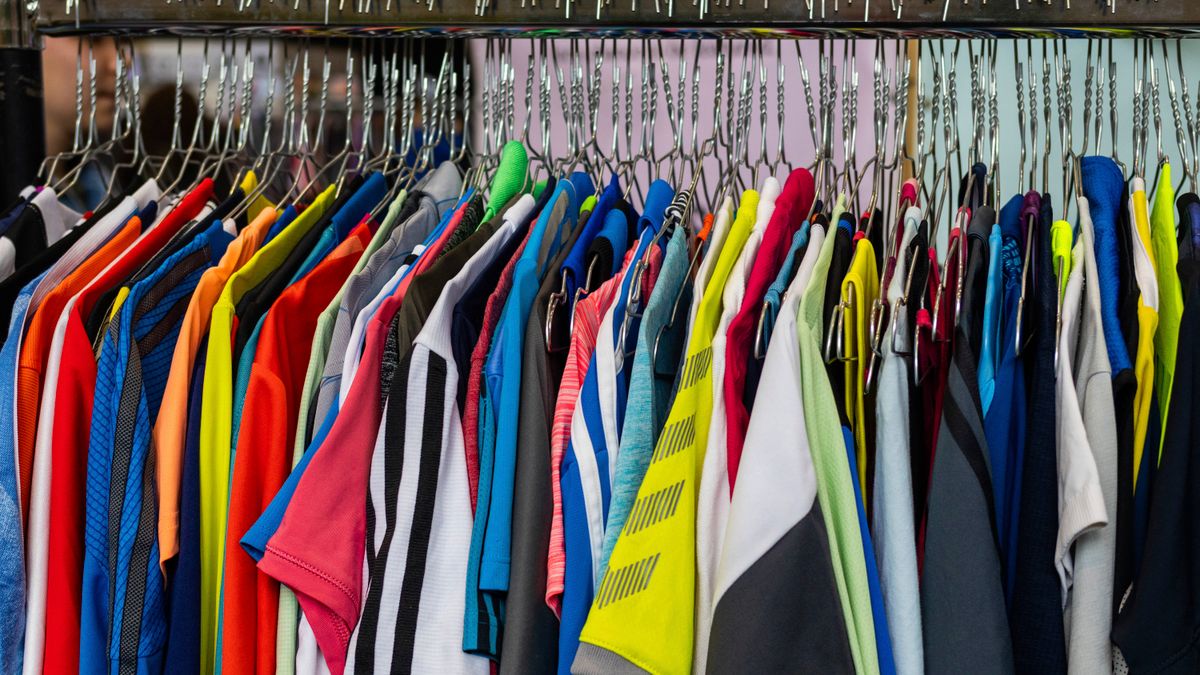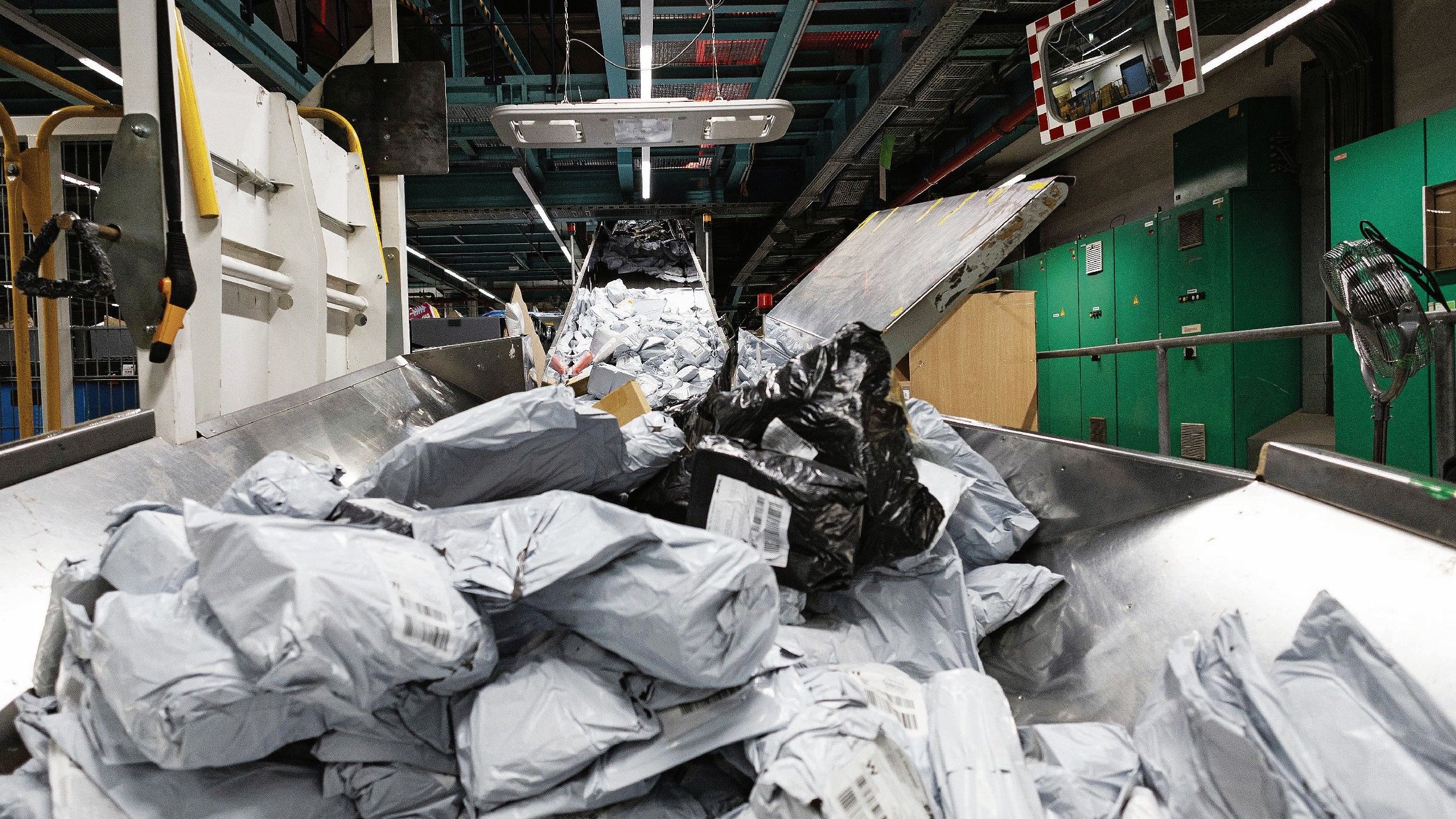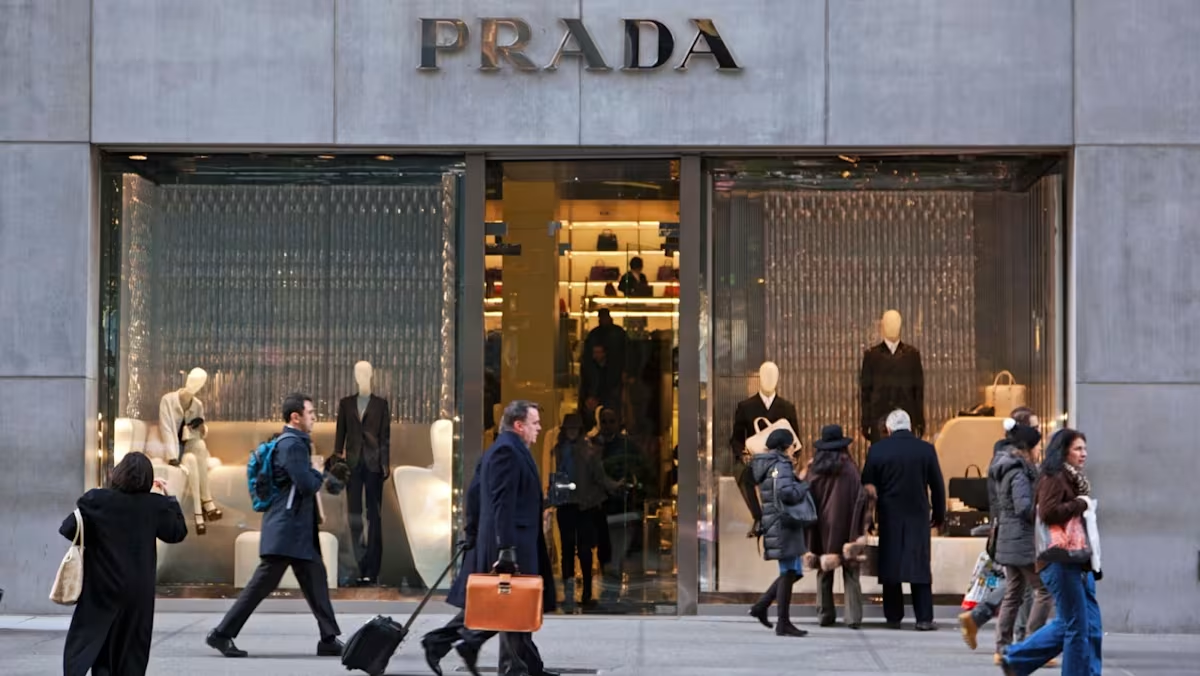
Large fashion groups including LVMH, Prada, Chanel and Inditex will be banned from destroying unsold clothes and footwear in the EU from this week, forcing the industry to overhaul the way it handles excess stock and customer returns.The blanket ban is particularly sensitive for luxury fashion groups because it removes one of the industry’s least visible tools for keeping their products desirable by maintaining their scarcity value.The new rule will force brands to choose between carrying higher inventory costs, expanding tightly controlled discount channels or producing fewer goods in the first place.A court case this week revealed that Chanel routinely destroyed thousands of unsold products in Hong Kong as part of its inventory-management strategy.Chanel told the FT the numbers cited in court did not reflect its current global practices, adding that products that could not be sold were now handled through L’Atelier des Matieres, a recycling business it founded in 2019 to recover materials and return them to circular supply chains.Between 4 per cent and 9 per cent of textile products offered for sale in Europe – equivalent to an estimated 264,000 to 594,000 tonnes a year – are destroyed before use, according to the European Environment Agency.Official company data is not available and there is no public breakdown showing how much of that waste comes from luxury groups compared with fast-fashion brands.
EU bans fashion brands from destroying unsold clothes and shoes
The new rules will force groups including LVMH, Chanel, Prada and Inditex to rethink how they manage excess stock, customer returns and discounting – with luxury brands facing particular pressure to protect scarcity and brand value.
669 words~3 min read