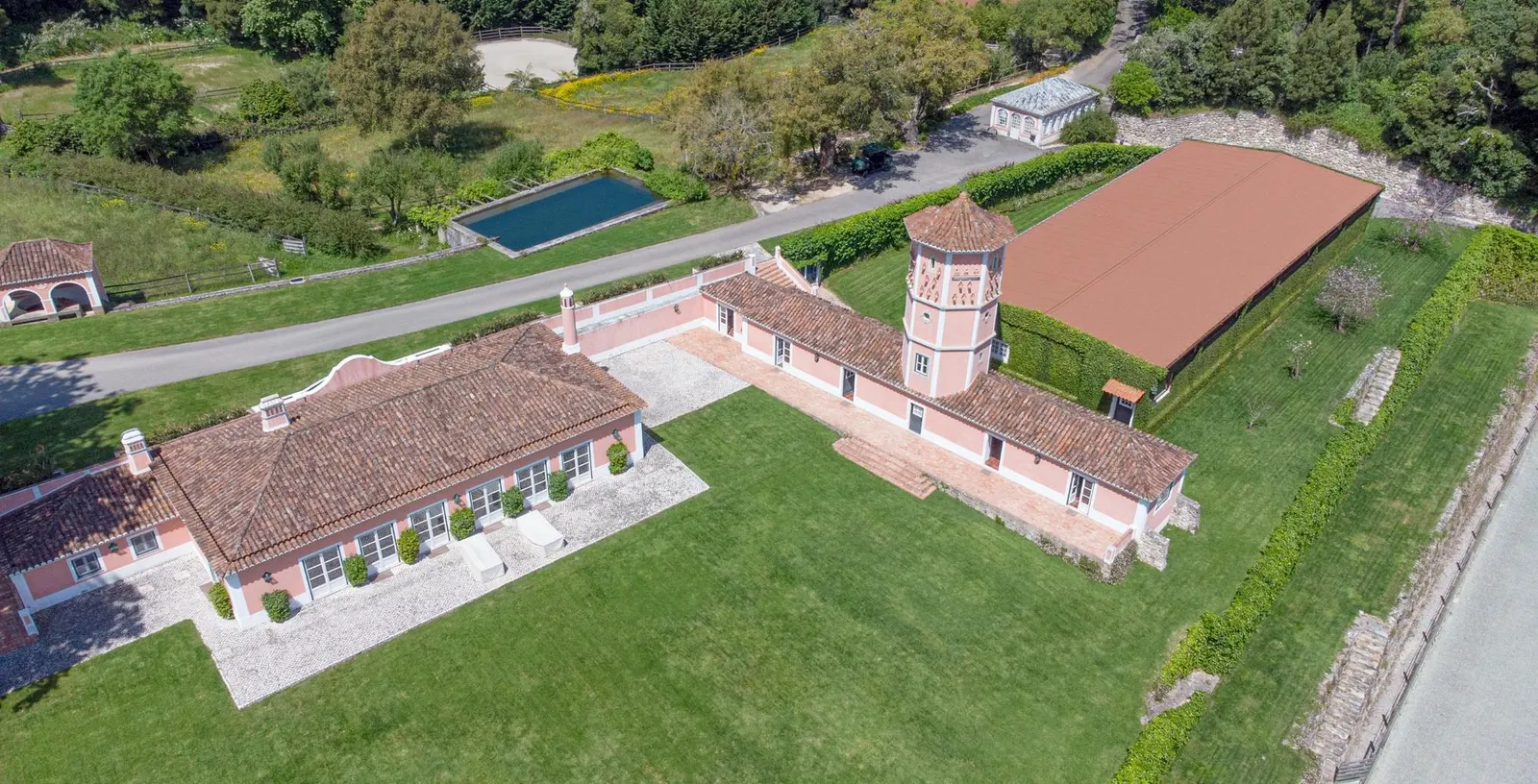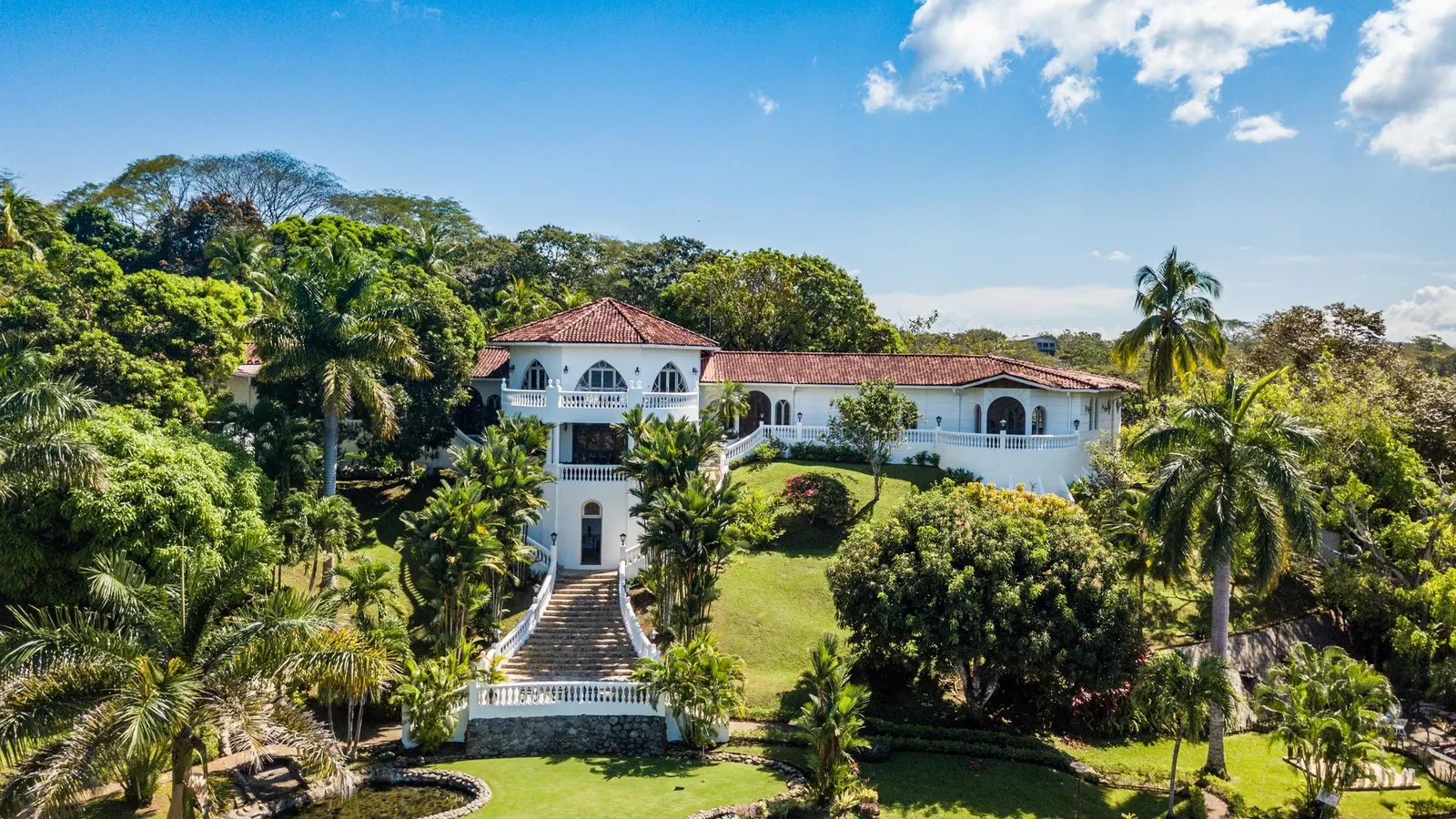
Old World European references shape the house. The wild beauty of Costa Rica gives it life.Courtesy Luxury Living Costa RicaThree centuries before wealthy investors sought out trophy holdings along Costa Rica’s untamed Pacific coast, these shores were a theater of conquistadors, corsairs and cannon fire. For much of the late 17th century, Spanish merchant ships laden with the riches of the Americas sailed the Gulf of Nicoya under constant threat from English and French privateers. The spoils were plentiful. Merchant galleons coursing into the port of Caldera would be groaning with cacao, tobacco, livestock and hardwoods, transported down by mule from the transit hub of Esparza in the mountain basin above. One of Costa Rica’s oldest colonial towns, Esparza served as a treasure vault for the vast haul transported across the Spanish Empire. But its lack of fortifications left it perennially vulnerable to plunder. The final devastating raid by English buccaneers in 1686 left the outpost stripped of the very riches that had invited its ruin.El Castillo de Esparza may carry the title of a fortress, but its pool, tennis court and putting greens suggest a far more leisurely kingdom.Courtesy Luxury Living Costa RicaFortunes sailed away to Europe 300 years ago. But in a delicious paradox, one eventually returned—anchored permanently on the ridge as El Castillo de Esparza. The castle moniker invokes brooding keeps, defensive towers and forbidding stone. Relics of a bygone age of feudalism, folklore and fairytales. Not so El Castillo de Esparza. Instead, what unfolds as you approach under the canopy of native palms is a near four-acre Mediterranean-style estate of low-slung terracotta roofs, sun-washed stucco, and tropical gardens buffed by cool breezes. The Countess And The CastleBuilt in the early 1980s, these walls may not have witnessed sieges or sovereigns, but they bear a history no less captivating. This castle was the vision of Condesa Nina de Baillet Latour, who bestowed upon the estate a remarkable, globe-spanning lineage. Born Neeltje Hendrika Melati van der Nat de Bruyn, she was raised amid the privilege of a Dutch East Indies family before marrying into one of Belgium’s most established noble houses. Her husband, Count Alfred de Baillet Latour, came from a dynasty dating back more than three centuries, the title born of an imperial decree by Charles VI, Holy Roman Emperor, in 1719. A pair of guesthouses turns the grounds into a private compound suited to family life across generations.Courtesy Luxury Living Costa RicaThe Latour influence stretched from European high society to the Artois brewing empire, before finally reaching the bluffs of Esparza.Although Count Alfred died in 1979 before gracing its salons, the estate flawlessly executes the world he and Nina imagined. A magnificent collection of European antiques was shipped across the Atlantic, blending with native Costa Rican craftsmanship to create an Old World patina far beyond the home's 1980s provenance—a collection that comes with the deeds as part of this turnkey opportunity.What unfolds as you approach under the canopy of native palms is a near four-acre Mediterranean-style estate of low-slung terracotta roofs, sun-washed stucco, and tropical gardens buffed by cool breezes.
A Costa Rican Castle Estate That Harks Back To When Pirates Ruled The Seas
In historic Esparza, a four-acre estate of European scale and sensibility carries an ownership pedigree to match.
1,069 words~5 min read