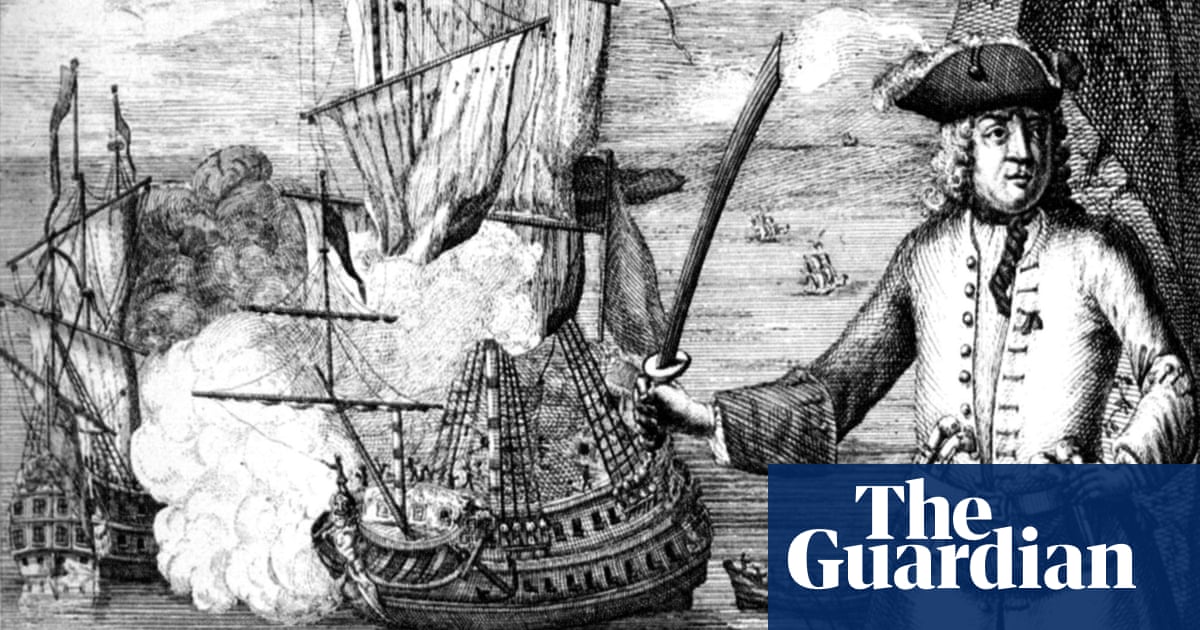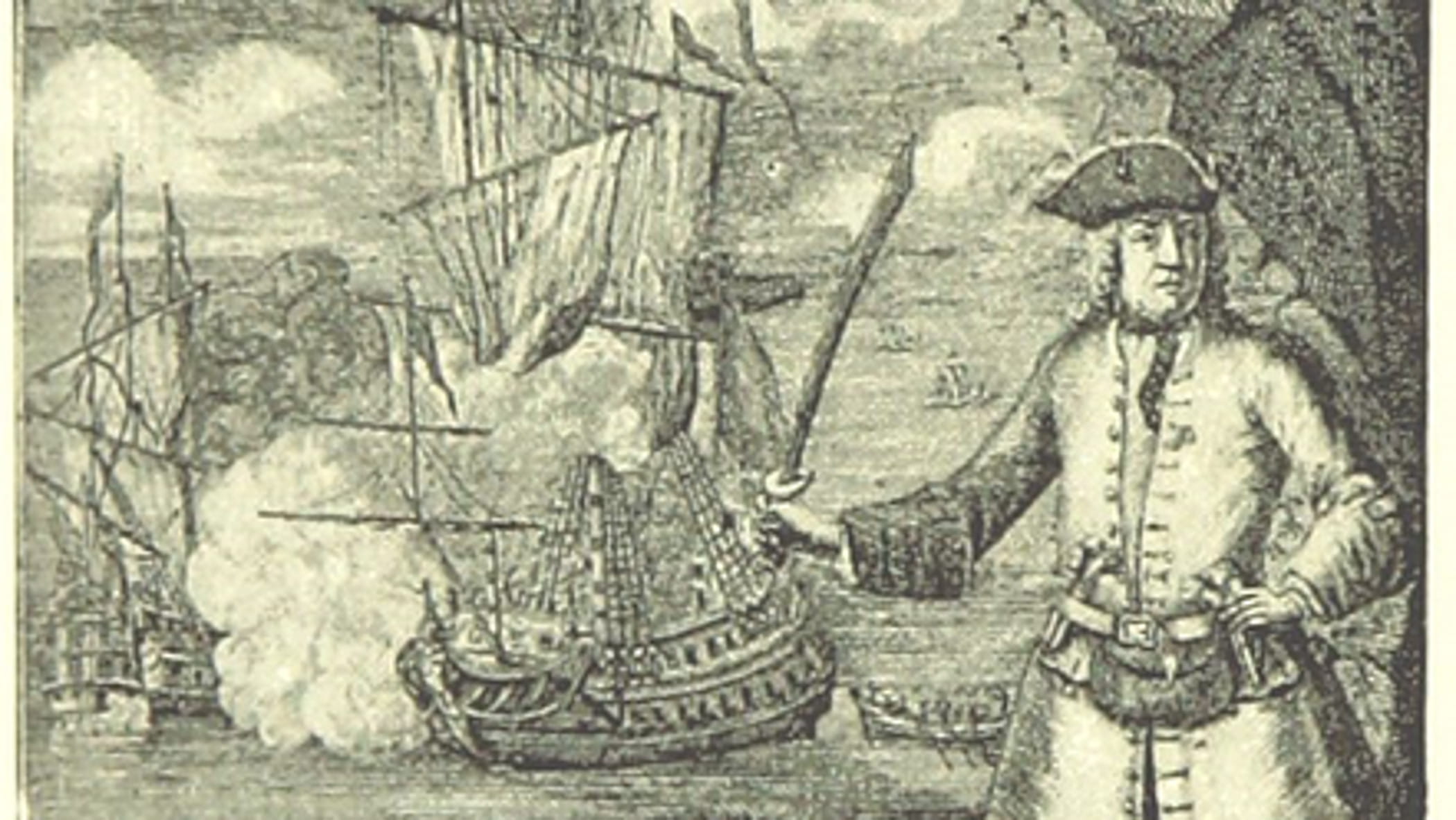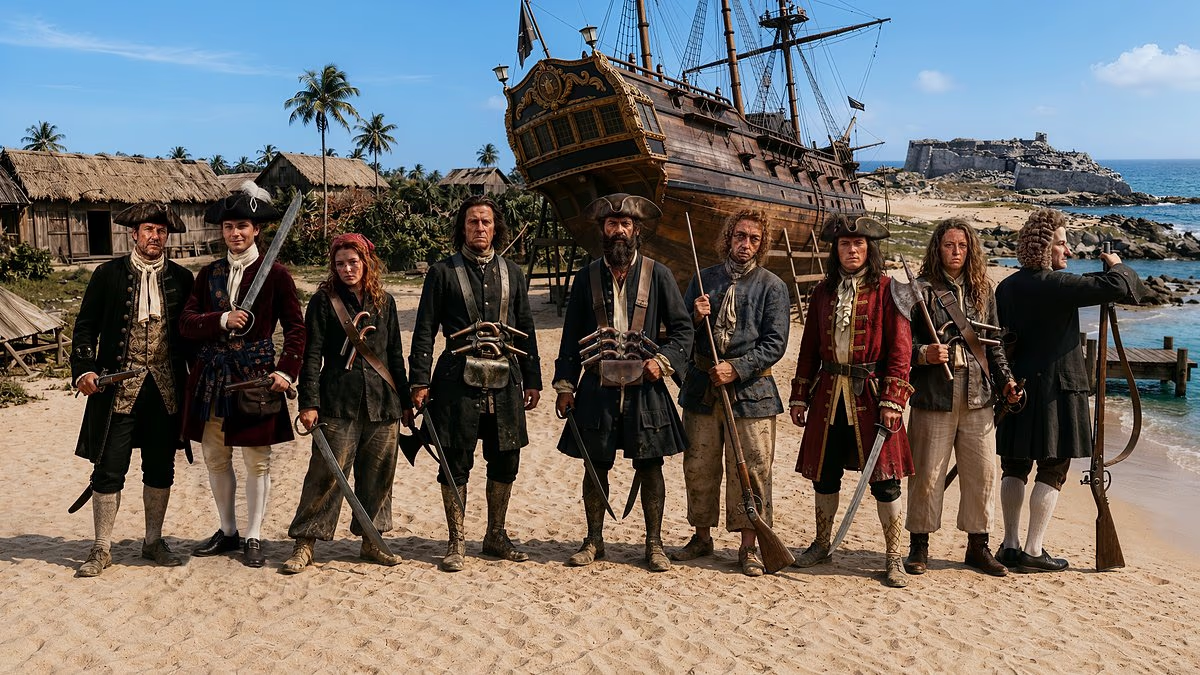
The real–life home of the Pirates of the Caribbean has been brought back to life for the first time in more than 300 years.Using archaeological evidence, historical records and cutting–edge 3D technology, experts have created the first scientifically accurate reconstruction of Nassau during the Golden Age of Piracy.The digital model strips away centuries of Hollywood myth to reveal what the notorious pirate stronghold actually looked like in the early 1700s.Far from a bustling colonial city lined with grand stone buildings, Nassau was little more than a ramshackle settlement of wooden huts, pirate camps and crumbling ruins.The reconstruction also revives some of history's most infamous buccaneers, including Blackbeard, Anne Bonny, Calico Jack Rackham and Benjamin Hornigold, using AI based on historical engravings and contemporary descriptions.The recreations will feature in the finale of Wreckwatch TV's series about the real pirates of the Caribbean, Mystery of the Pirate King's Treasure.'We can now sail back into Nassau in the year 1718, peer at pirates' ships and their shoreside storehouses, be a fly on the wall to beach action, look down on the fort and stroll along "Piratetown's" main street, its taverns and market,' Chris Atkins, co–founder of Wreckwatch TV said.'The pirates are back from the dead.' The infamous pirates of Nassau recreated from engravings published in 1724. From left to right: Benjamin Hornigold, Calico Jack Rackham, Anne Bonny, Charles Vane, Blackbeard, Thomas Anstis, Howell Davis, Mary Read & Stede Bonnet Nassau's famous fort was in a sorry state, with cracked walls, a collapsed bastion and sections defended by little more than wooden fencing
Reconstruction reveals infamous 'Piratetown' of Nassau in its heyday
The real-life home of the Pirates of the Caribbean has been brought back to life for the first time in more than 300 years.
1,089 words~5 min read