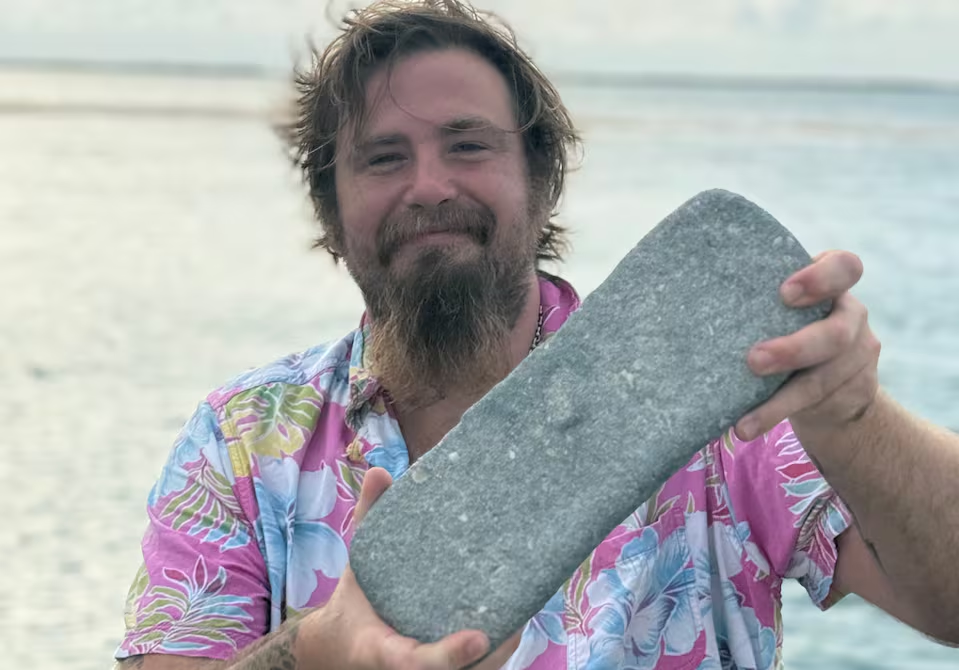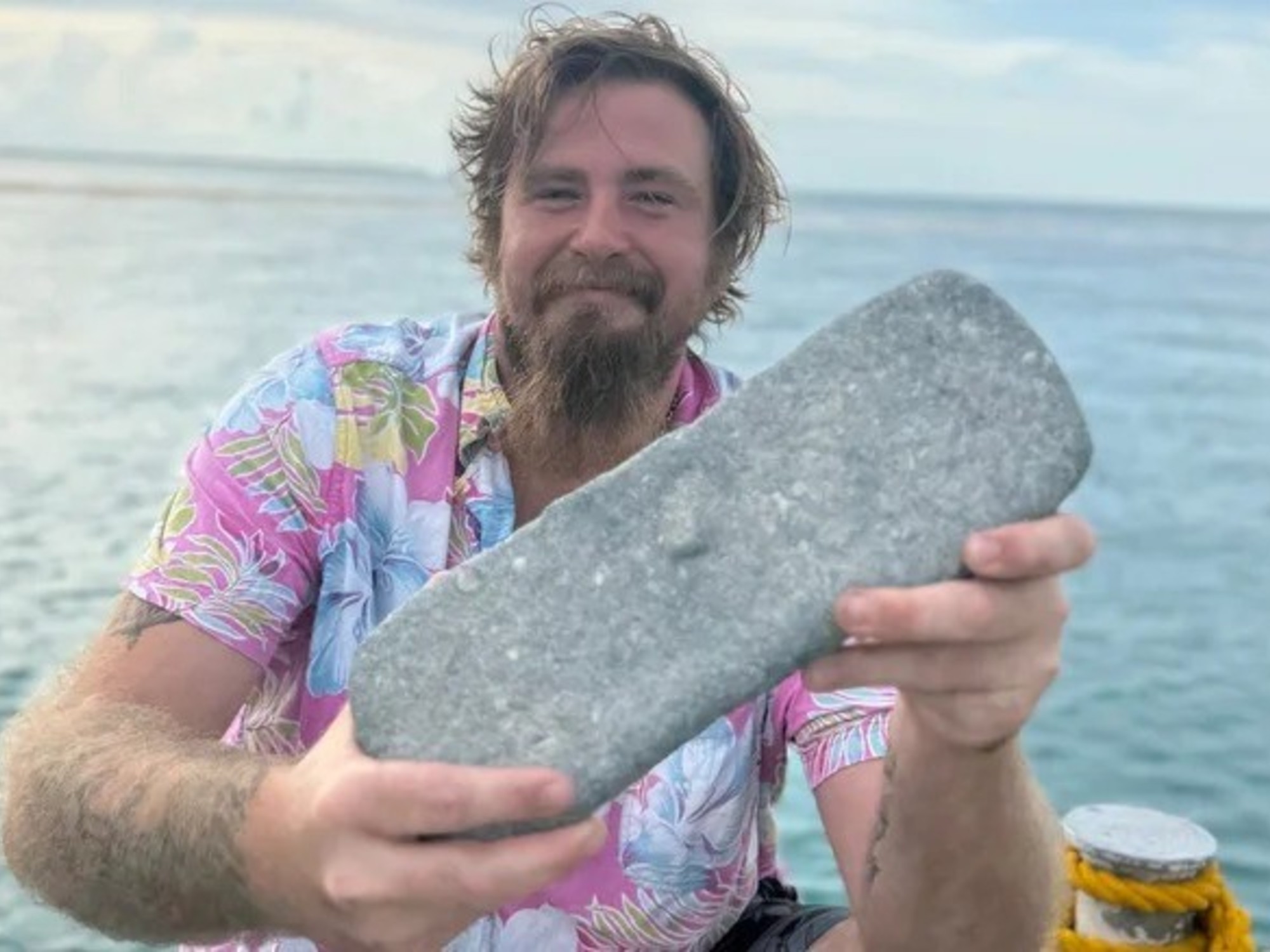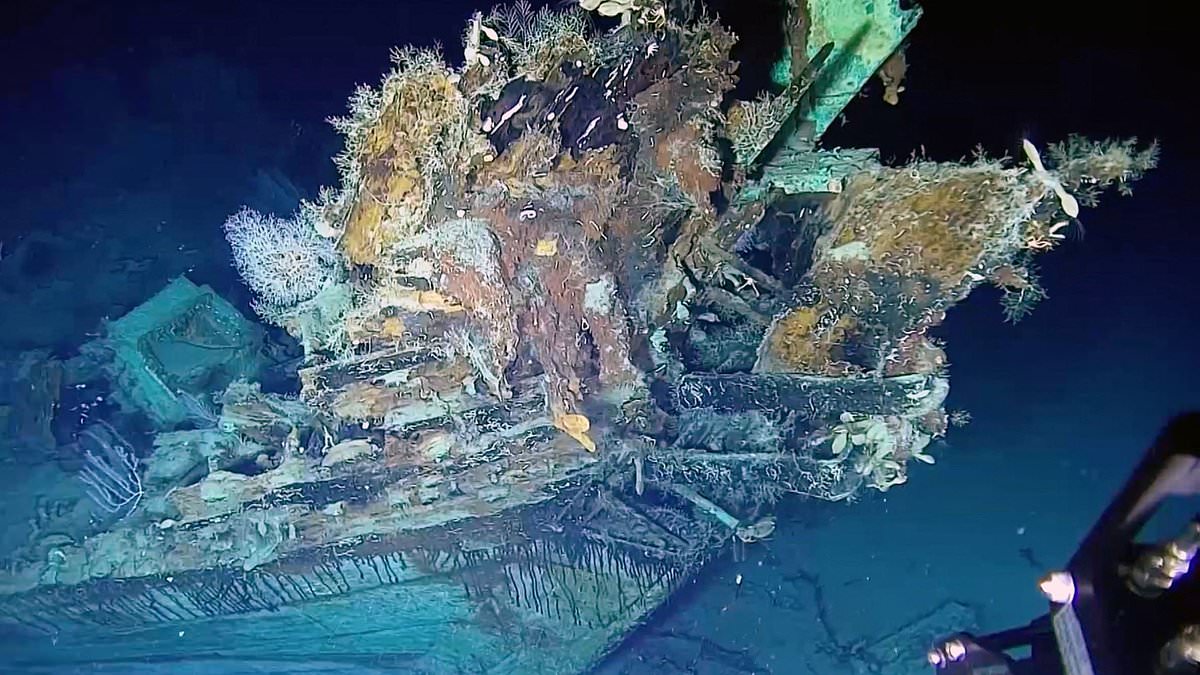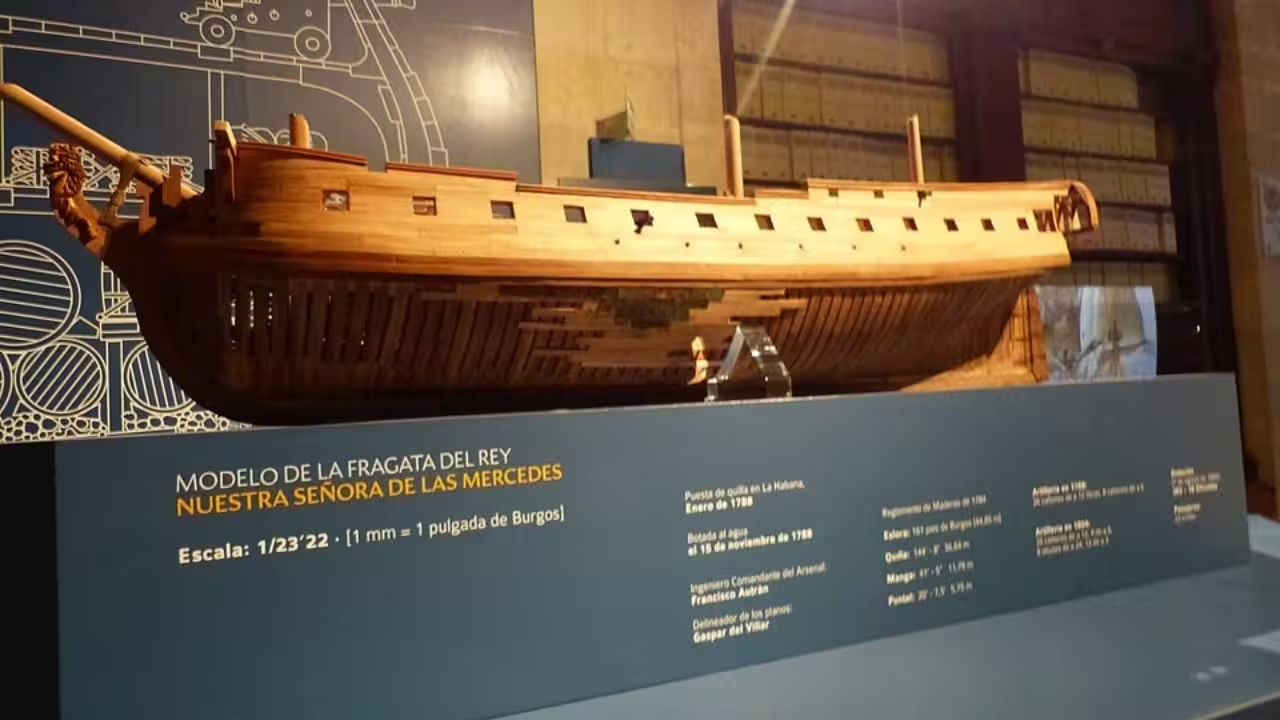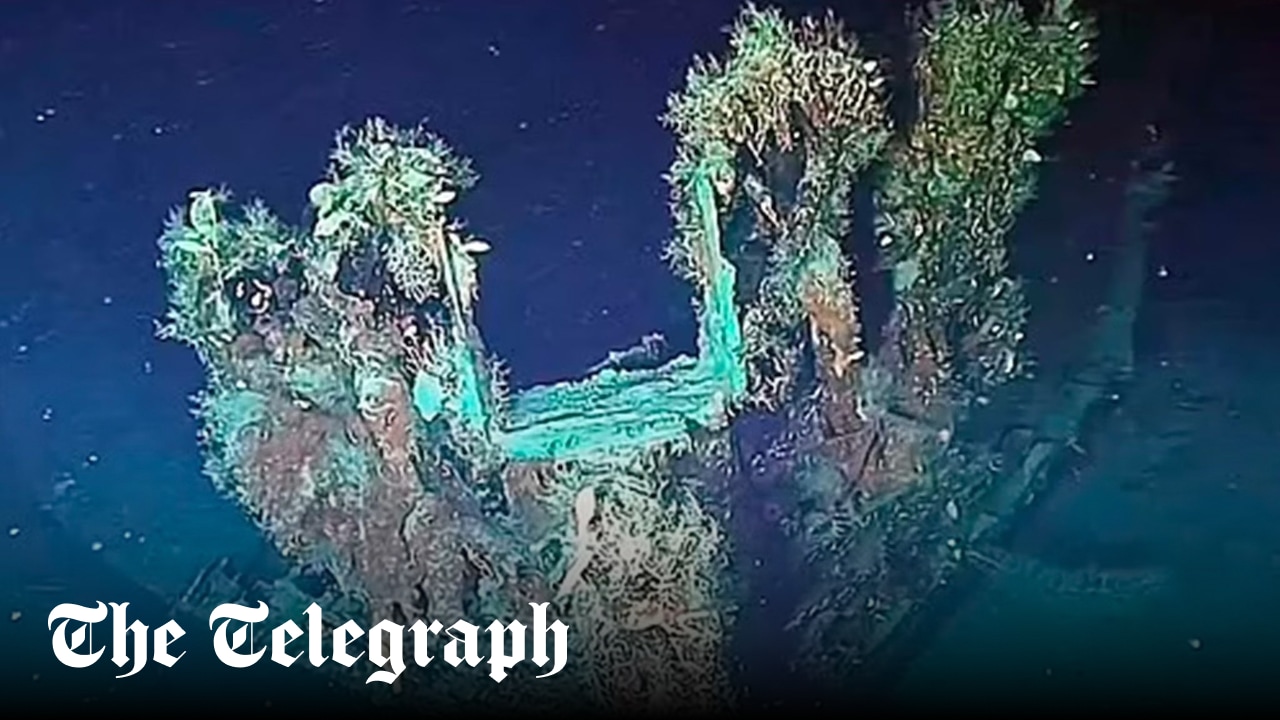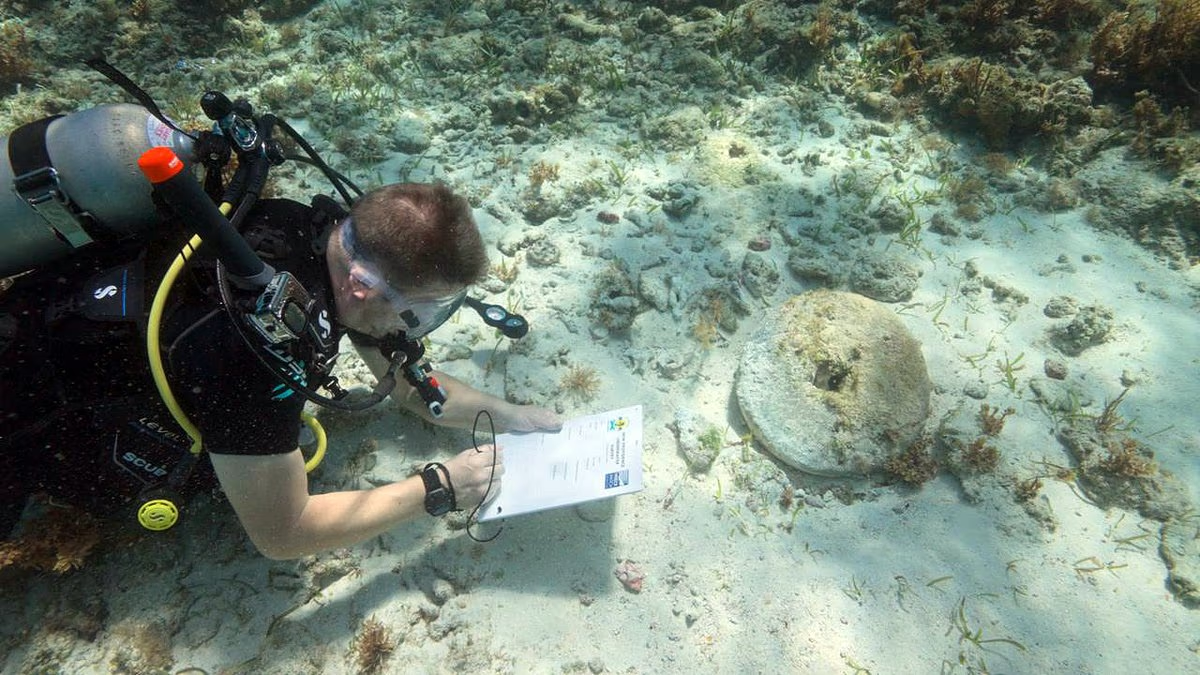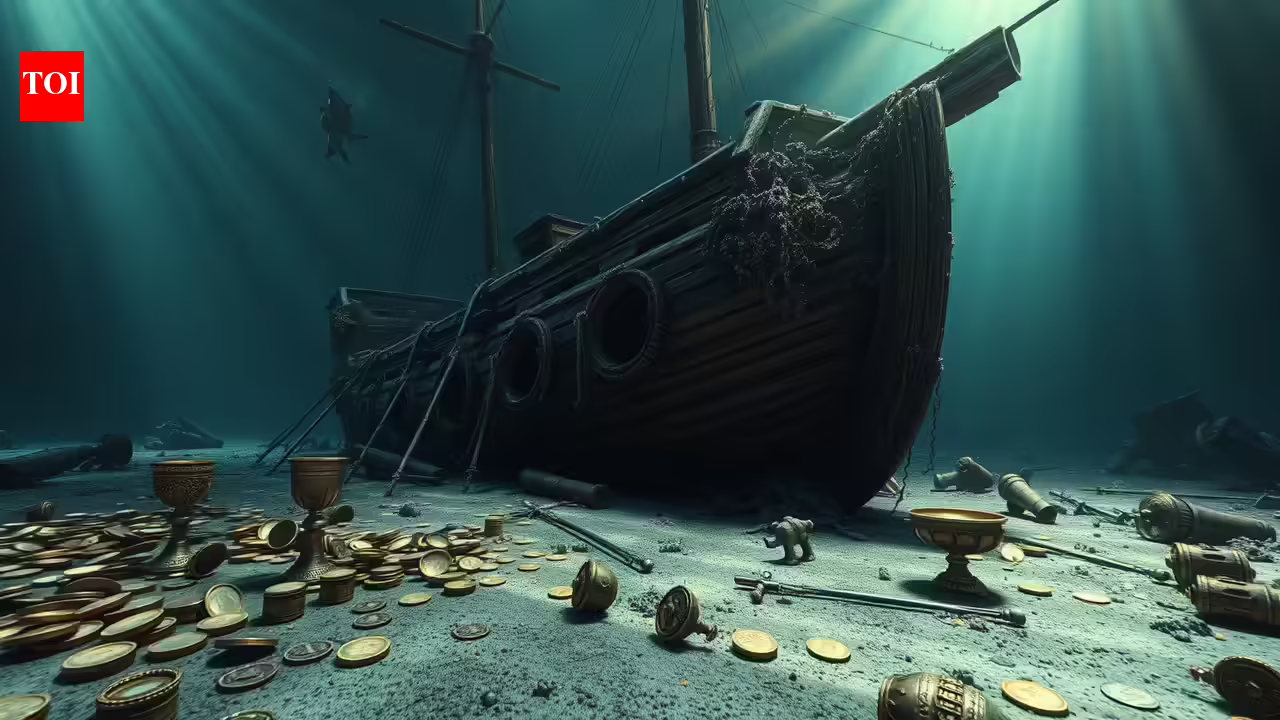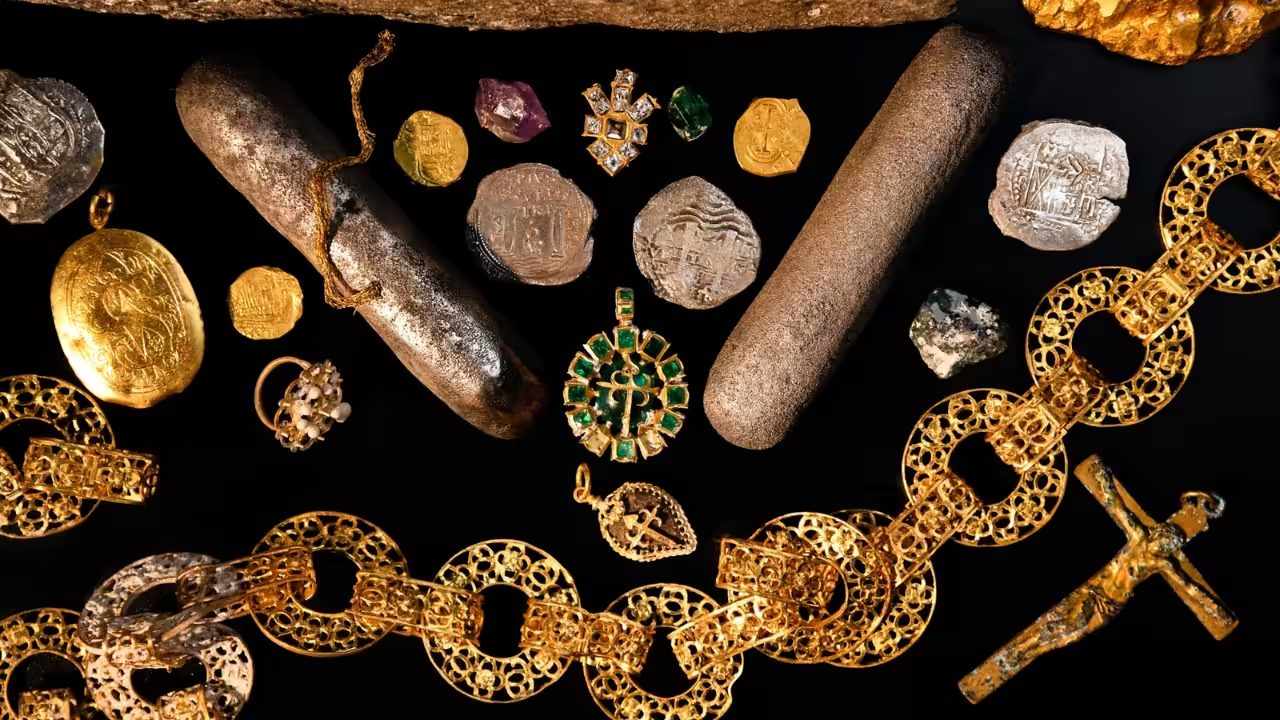
Thousands of artifacts have been salvaged from the sunken Nuestra Señora de las Maravillas galleon. Image Credit: The Bahamas Maritime MuseumStories of sunken ships carrying wealth and treasure have always attracted the attention of many people. However, one such shipwreck is still yielding real treasures in the waters of the Bahamas. According to the Bahamas Maritime Museum, thousands of artefacts have been salvaged from the shipwreck of the Nuestra Señora de las Maravillas (Our Lady of Wonders), which sank hundreds of years ago. The finds include jewellery set with emeralds, gold chains, coins, porcelain and personal possessions that reveal life during Spain’s Golden Age.These artefacts were discovered during a two-year expedition by Allen Exploration. Thanks to the use of modern technology, the company managed to salvage the items scattered throughout the wreck. These artefacts are now housed at the Bahamas Maritime Museum in Freeport. According to the museum, the Maravillas is still one of the most important Spanish shipwrecks discovered in the area.How archaeologists mapped the Maravillas wreck siteThe Maravillas was a two-deck Spanish galleon that formed part of Spain’s treasure fleet in the 17th century. This fleet carried valuable cargo from Spain's colonies in the Americas to Spain. the ship sank in 1656 after colliding with another ship of the same fleet off the Little Bahama Bank and later hitting a coral reef.The ship also carried valuable cargo, including materials recovered from another Spanish vessel, Jesús María de la Limpia Concepción. Part of this load was to be paid as a tax to the Spanish king, King Philip IV, and others were private merchants' goods. Treasure fleets played an important role in trade between Europe and the Americas by transporting resources from the colonial territories to Spain. The Florida Museum of Natural History gives an account of how these fleets transported valuable cargo through the Atlantic Ocean before getting sunk by various factors like storms.A glass wine bottle, one of many items that shine a light on life aboard the ship. Image Credit: The Bahamas Maritime MuseumThousands of artefacts discovered in underwater debris trailDespite the fact that the Maravillas had been heavily salvaged through the years, scientists believed that parts of the wreckage were still undiscovered. Previous excavations, which took place between the 1600s and the 1990s, yielded millions of items. However, new technologies enabled scientists to discover other areas of the wreck site.Using sonar and magnetometers, Allen Exploration identified a huge debris trail on the ocean bottom. According to the Bahamas Maritime Museum, scientists have been able to study over 8,800 underwater targets linked to the wreck site, which has allowed them to understand what happened to the ship after it sank. Archaeologists say the debris trail helped them piece together what happened to the ship after it sank.Jewellery made from gold and emeralds tells tales of the Spanish aristocracyOne of the most remarkable finds included a chain made of gold filigree that was about 1.76 meters long, and other pendants, which were linked to the Order of Santiago, an organisation from Spanish history that was both religious and military in nature. One pendant featured a large Colombian emerald surrounded by smaller emeralds, and it had the emblem of the Order of Santiago, known as the Cross of St James. It is thought that the design may have signified the 12 apostles. The discovery is significant because personal jewellery of this kind is rarely found at sea in such good condition.The objects tell the story of life on board the galleonAlthough gold and jewels fascinated many people, scientists claim that everyday objects also provide important information about the past. The found items included Chinese ceramics, olive jars, glass bottles and a silver sword hilt. They reflect the trade relations in the 17th century between Europe, Asia, and America, where Spanish ships made their routes.According to the Bahamas Maritime Museum, scientists can study the lives of the passengers and crew of the ship using such items as ceramics, vessels for storing food and personal belongings. Some items may suggest that merchants engaged in undeclared trade, as certain gold, silver and gemstone objects may have been transported without official authorisation from the Spanish Crown.Even more secrets could remain underwaterDespite decades of salvage expeditions, experts think that the wreckage site of the Maravillas ship could yield even more secrets. The wreckage has been disturbed by previous salvage efforts, hurricanes and shifting conditions on the ocean floor. However, archaeologists believe the remaining remains of the wreck could still contain valuable information for historians.Many artefacts salvaged from the Maravillas are now kept in the Bahamas Maritime Museum, which was established in 2022. The museum tells the story of the famous Spanish galleon.
Divers recovered emerald jewellery, gold and other artefacts from the 350-year-old Maravillas wreck off the Bahamas: The Spanish galleon sank in 1656 and left thousands of finds across a debris trail
Stories of sunken ships carrying wealth and treasure have always attracted the attention of many people. However, one such shipwreck is still yielding real treasures in the waters of the Bahamas.
779 words~4 min read