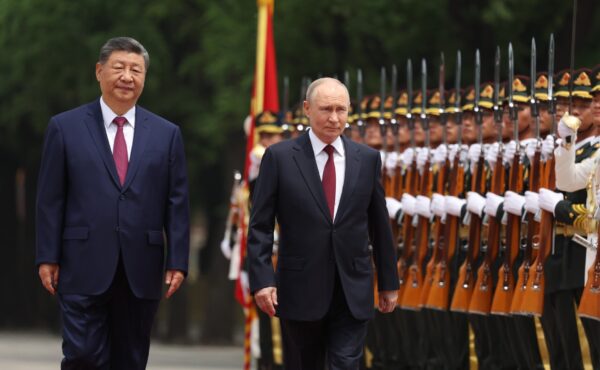
The Diplomat author Mercy Kuo regularly engages subject-matter experts, policy practitioners, and strategic thinkers across the globe for their diverse insights into U.S. Asia policy. This conversation with Mathieu Boulègue – senior fellow with the Transatlantic Defense and Security Program at the Center for European Policy Analysis (CEPA) and co-author of “The China-Russia Meta Threat: The Architecture of Authoritarian Power” (CEPA 2026) – is the 518th in “The Trans-Pacific View Insight Series.”
How have China-Russia relations changed since the start of the Ukraine war in 2022?
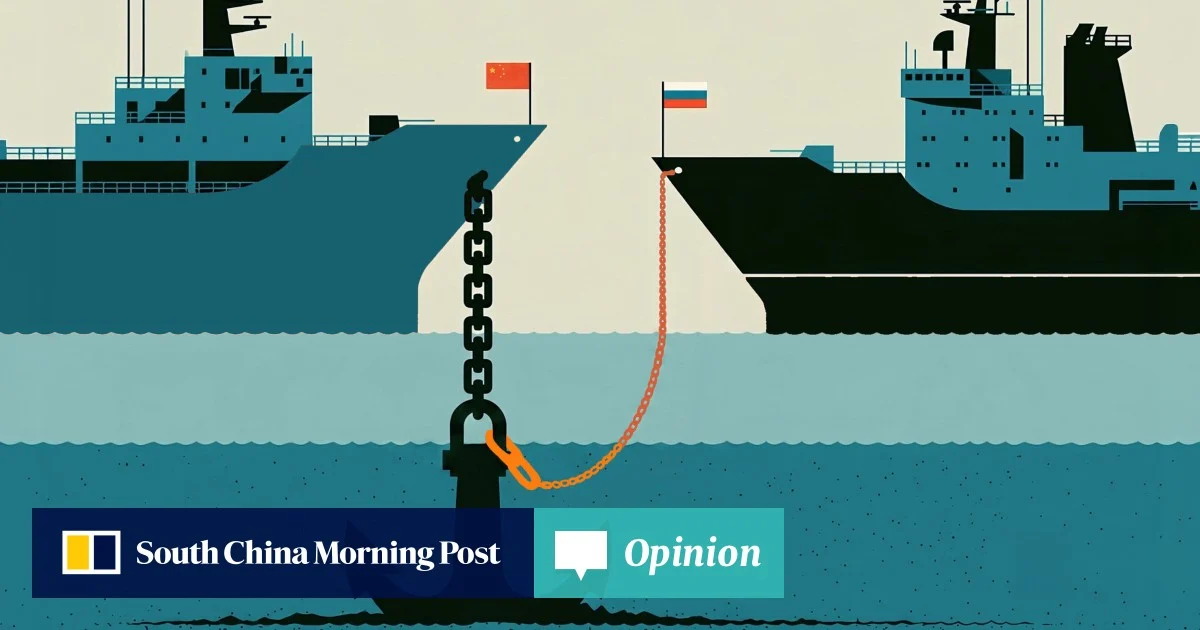
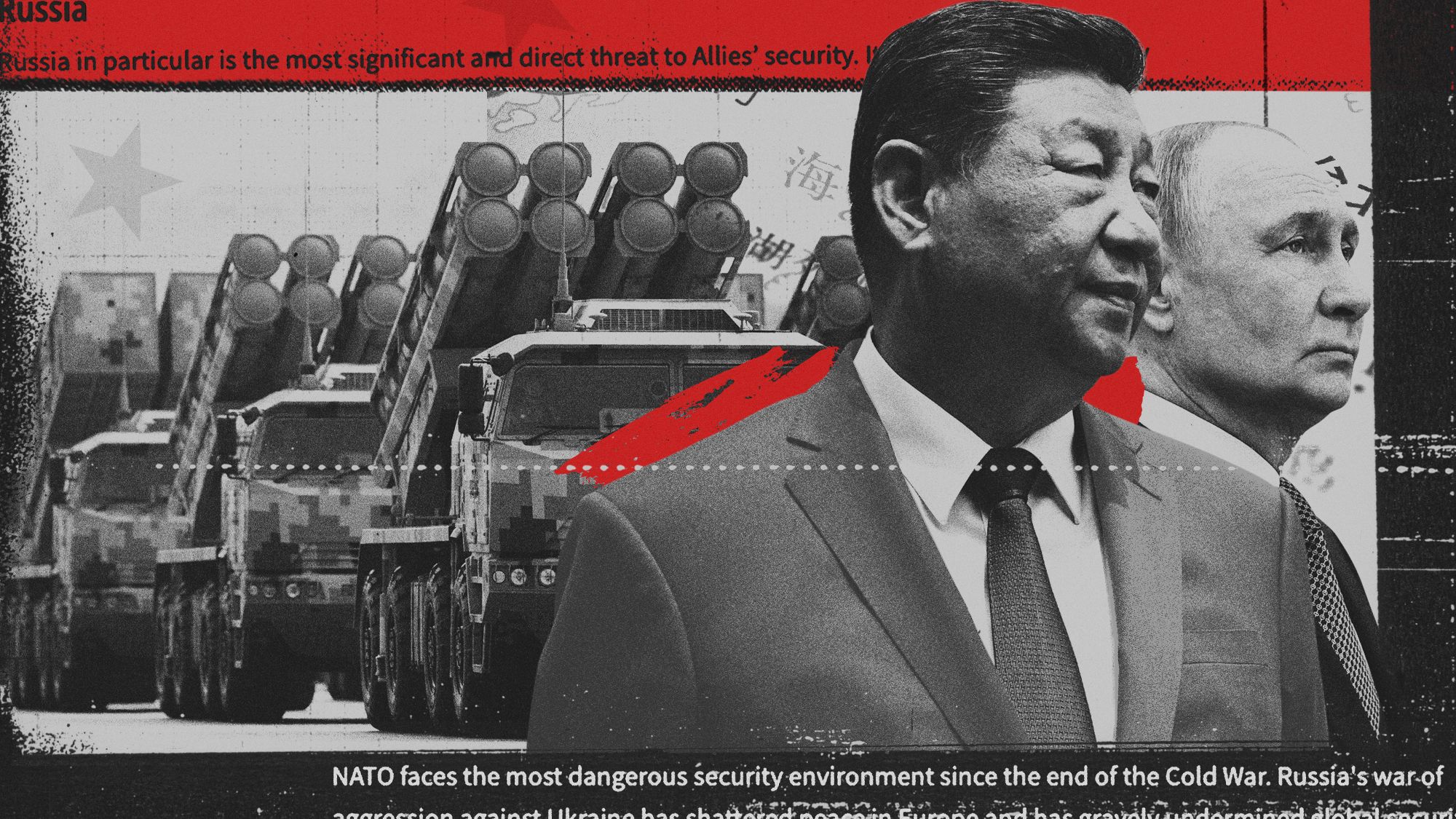
I think the relationship evolved significantly after 2014 and Russia’s first invasion of Ukraine, rather than in 2022 per se, after the full-scale invasion. The weight of international sanctions and Moscow’s growing isolation pushed Russia closer to China. This consequently forced the Kremlin to replace Western dependence with dependence on Beijing and effectively created a new form of over-reliance.
Over-reliance applies to economic subsidies, investments, and in the military sphere, to the procurement – legal and illegal – of dual-use and military technology, spare parts, and equipment. Supply chain dependency is particularly evident in microelectronics, semiconductors, circuitry, and machine-building tools used to sustain Russia’s war machine. Now the issue for Moscow is that trading one dependence for another is not ideal, but they don’t have much choice but to court China for continued support.