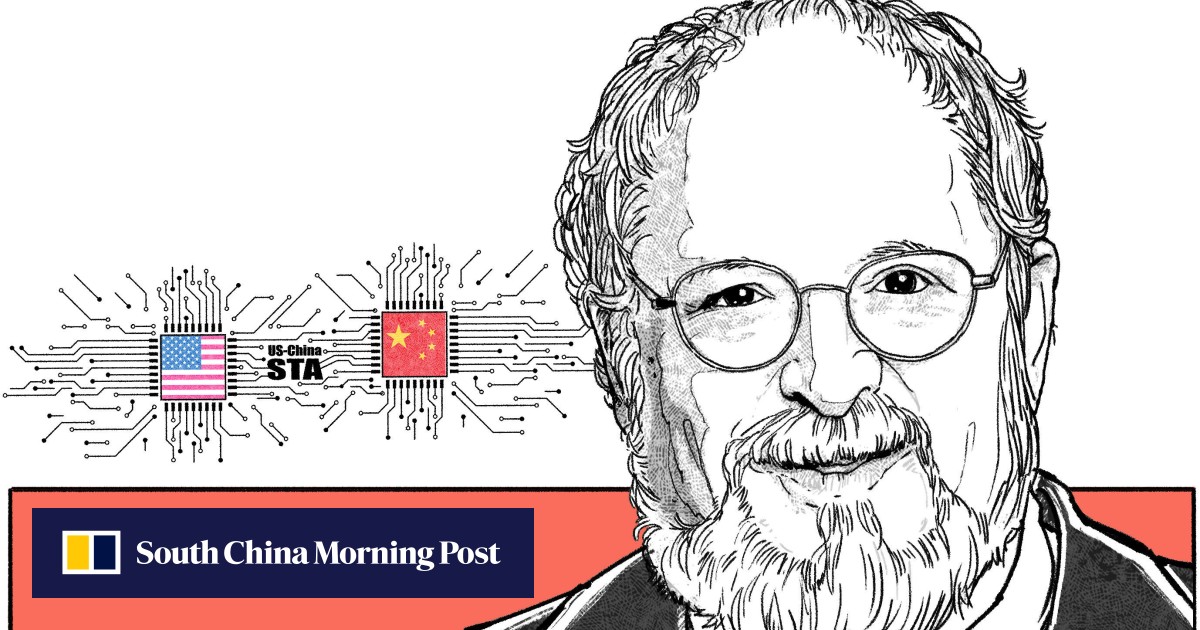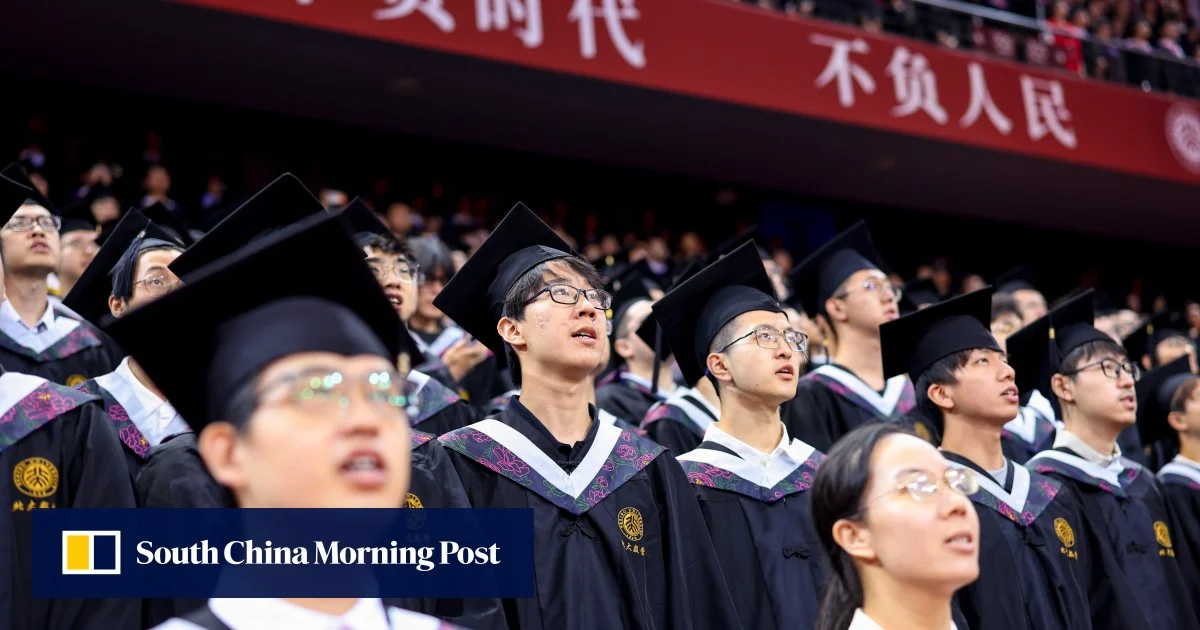
Scientific ties can be a stabilising force in relations between China and the US but as the two countries jostle for a hi-tech edge, maintaining these links will mean going beyond simple competition versus cooperation.To get there, Beijing and Washington will need to keep in continuous contact and have clearly defined boundaries, with narrower areas of collaboration.That was the finding Zhao Minghao, a professor at Fudan University’s Institute of International Studies, and Chen Yutong, a graduate student at the institute, outlined in a research paper on July 15 in the China Quarterly of International Strategic Studies, the journal of the Shanghai Institutes for International Studies.08:30Why are more Chinese scientists leaving the US to return to China?That outlook was reflected in Washington’s decision in 2018 to launch the China Initiative to combat suspected theft of trade secrets and intellectual property.One of the results was a massive outflow of US-trained Chinese scientists from America, a shift that severed many scientific ties between the two countries.The number of Chinese students studying in the US has also fallen steadily, dropping from a peak of 372,532 in the 2019-20 academic year to 265,919 in 2024-25, according to the Institute of International Education, a New York-based global non-profit organisation.In addition, fewer American students are studying in China each year. The number has dwindled to under 2,000, with most enrolled in short-term undergraduate programmes, marking a massive decline from some 11,000 in 2019, according to the US-China Education Trust.
Can science bridge the US-China trust gap? Maybe with new rules, researchers say
Continuous dialogue and clearly defined boundaries between security and development are crucial, Fudan University researchers say.
242 words~1 min read